 Instalab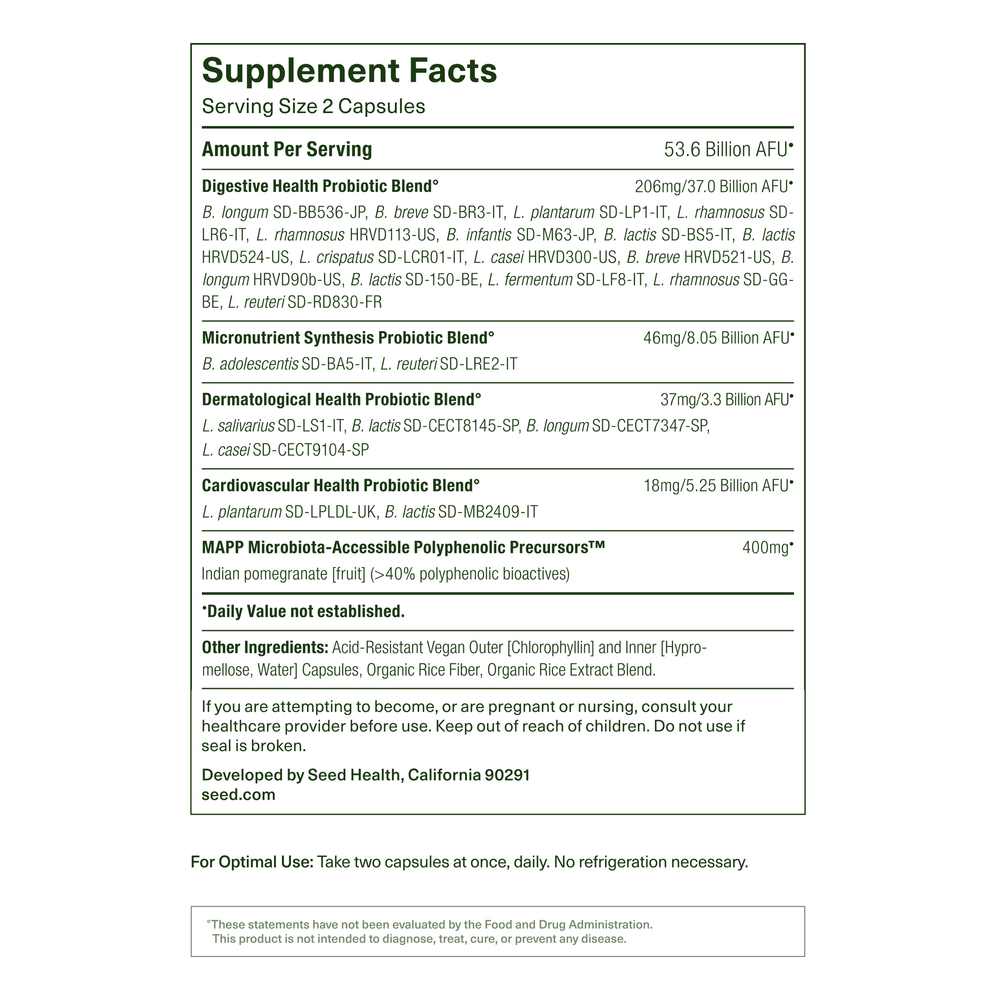
Seed
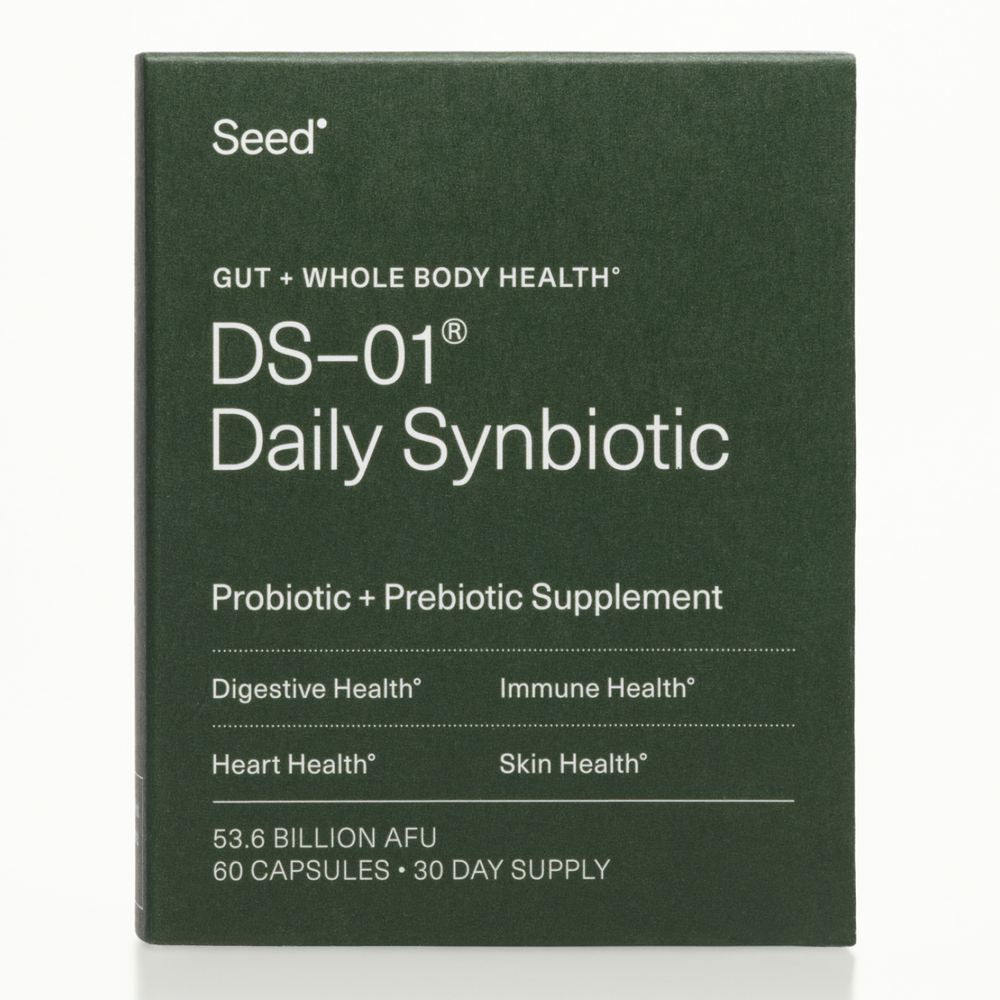
DS-01 Daily Synbiotic by Seed
60 capsules · 30-day supply
Comprehensive Daily Support for Gut, Skin, and Heart Health$59.99
This item is currently out of stockGet notified when this item is back in stock
Practitioner-grade brand3rd-party testedFree shipping $50+
Vegan·Vegetarian·Gluten Free
Seed DS-01 Daily Synbiotic overview
If you’re dealing with post-antibiotic disruption, consistent bloating, or irregular stools, a daily probiotic is a reasonable first step. This synbiotic is also useful during travel or periods of low-fiber eating, when your gut community gets less support. For cardiometabolic add‑on care, some see small improvements in LDL-C (the “bad” cholesterol on a lipid panel), triglycerides, and hs-CRP (a blood marker of inflammation) over 8–12 weeks, but think adjunct, not replacement therapy.
A synbiotic pairs probiotics (live bacteria) with a prebiotic (the food they use). These strains compete with gas-producing microbes, help make short-chain fatty acids like butyrate (fuel for colon cells and a signal for gut barrier function), and can influence bile processing, which partly explains modest cholesterol effects. The pomegranate polyphenols are microbiota-accessible precursors that your bacteria convert into compounds linked to healthier gut lining and stool hydration.
Take two capsules together once daily, ideally on an empty stomach as directed. If you’re new to probiotics or tend to bloat, start with one capsule for 3–5 days, then move to the full dose. With antibiotics, separate by at least 2–3 hours and continue for 1–2 weeks afterward. Expect digestive changes within 1–2 weeks; lipid or hs-CRP shifts, if they occur, take 8–12 weeks.
Avoid probiotics if you’re severely immunocompromised, have a central venous catheter, or recent major GI surgery—rare bloodstream infections have been reported in these settings. If you have active pancreatitis or severe inflammatory bowel flares, wait for specialist guidance. Pregnancy and breastfeeding are generally considered low risk for common probiotics, but discuss with your clinician if you’ve had complications.
Frequently asked questions
What’s the difference between a probiotic and a synbiotic?
A probiotic supplies live bacteria. A synbiotic pairs those bacteria with a prebiotic they can use as fuel. The pairing helps more of the microbes survive and do useful work, like producing short-chain fatty acids and improving stool form.
How long does a daily probiotic take to work?
For digestion and regularity, most people notice changes within 1–2 weeks. Skin and immune effects usually need several weeks. Any cholesterol or hs-CRP changes, if they happen for you, tend to show up after 8–12 weeks.
Can I take a probiotic with antibiotics?
Yes, but separate them by at least 2–3 hours so the antibiotic doesn’t wipe out the probiotic dose. Keep taking the probiotic for 1–2 weeks after finishing antibiotics to help restore balance.
What time of day should I take a probiotic?
Consistency matters more than clock time. Many people do best first thing in the morning on an empty stomach, which matches this product’s instructions. If that causes nausea, take it 30 minutes before a meal.
Can probiotics cause gas or bloating at first?
They can, especially in the first few days. It’s usually temporary as your gut adjusts. Starting with half the dose for 3–5 days, then increasing, reduces this. If symptoms persist beyond two weeks, reassess.
Do probiotics actually lower cholesterol?
Some strains modestly lower LDL-C and triglycerides by altering bile processing and gut signaling. Expect small changes, not drug-level effects. Recheck your lipid panel after 8–12 weeks if that’s your goal.
Are probiotics safe in pregnancy or breastfeeding?
Most commercial probiotics appear low risk in healthy pregnant or breastfeeding adults. If you’ve had preterm labor, infections, or are on immunosuppressive drugs, discuss with your obstetric or primary clinician first.
How to take it & ingredients
Suggested use: Take 2 capsules at once daily, ideally on an empty stomach, or as recommended by your healthcare professional.
Active ingredients
2 capsules per serving · 30 servings
▼
Digestive Health Probiotic Blend
37 billion AFU, 206 mg
Bifidobacterium longum SD-BB536-JP
-
Bifidobacterium breve SD-BR3-IT
-
Lactiplantibacillus plantarum SD-LP1-IT
-
Lacticaseibacillus rhamnosus SD-LR6-IT
-
Lacticaseibacillus rhamnosus HRVD113-US
-
Bifidobacterium infantis SD-M63-JP
-
Bifidobacterium lactis SD-BS5-IT
-
Bifidobacterium lactis HRVD524-US
-
Lactobacillus crispatus SD-LCR01-IT
-
Lacticaseibacillus casei HRVD300-US
-
Bifidobacterium breve HRVD521-US
-
Bifidobacterium longum HRVD90b-US
-
Bifidobacterium lactis SD150-BE
-
Limosilactobacillus fermentum SD-LF8-IT
-
Lacticaseibacillus rhamnosus SD-GG-BE
-
Limosilactobacillus reuteri RD830-FR
-
▼
Micronutrient Synthesis Probiotic Blend
8.05 billion AFU, 46 mg
Bifidobacterium adolescentis SD-BA5-IT
-
Limosilactobacillus reuteri SD-LRE2-IT
-
▼
Dermatological Health Probiotic Blend
3.3 billion AFU, 37 mg
Ligilactobacillus salivarius SD-LS1-IT
-
Bifidobacterium lactis SD-CECT8145-SP
-
Bifidobacterium longum SD-CECT7347-SP
-
Lacticaseibacillus casei SD-CECT9104-SP
-
▼
Cardiovascular Health Probiotic Blend
5.25 billion AFU, 18 mg
Lactiplantibacillus plantarum SD-LPLDL-UK
-
Bifidobacterium lactis SD-MB2409-IT
-
MAPP Microbiota-Accessible Polyphenolic Precursors
Indian Pomegranate rind + arils
Indian Pomegranate rind + arils
400 mg
Other ingredients: Acid-resistant vegan outer capsule (chlorophyllin), Vegan inner capsule (hypromellose, water), Organic rice fiber, Organic rice extract blend
Certifications
Benefits
Warnings
Customers also considered
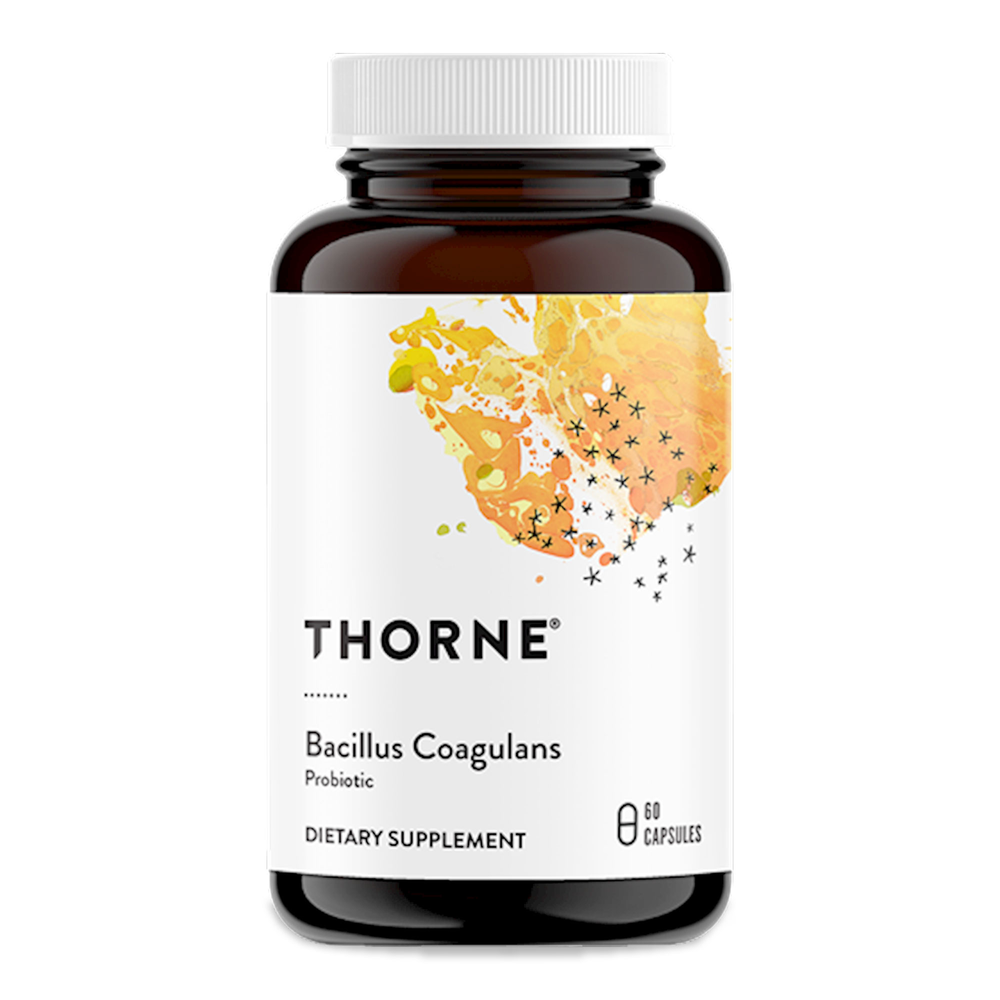
Bacillus Coagulans
Thorne
60 capsules
$33.00Save 10% with Subscribe & Save
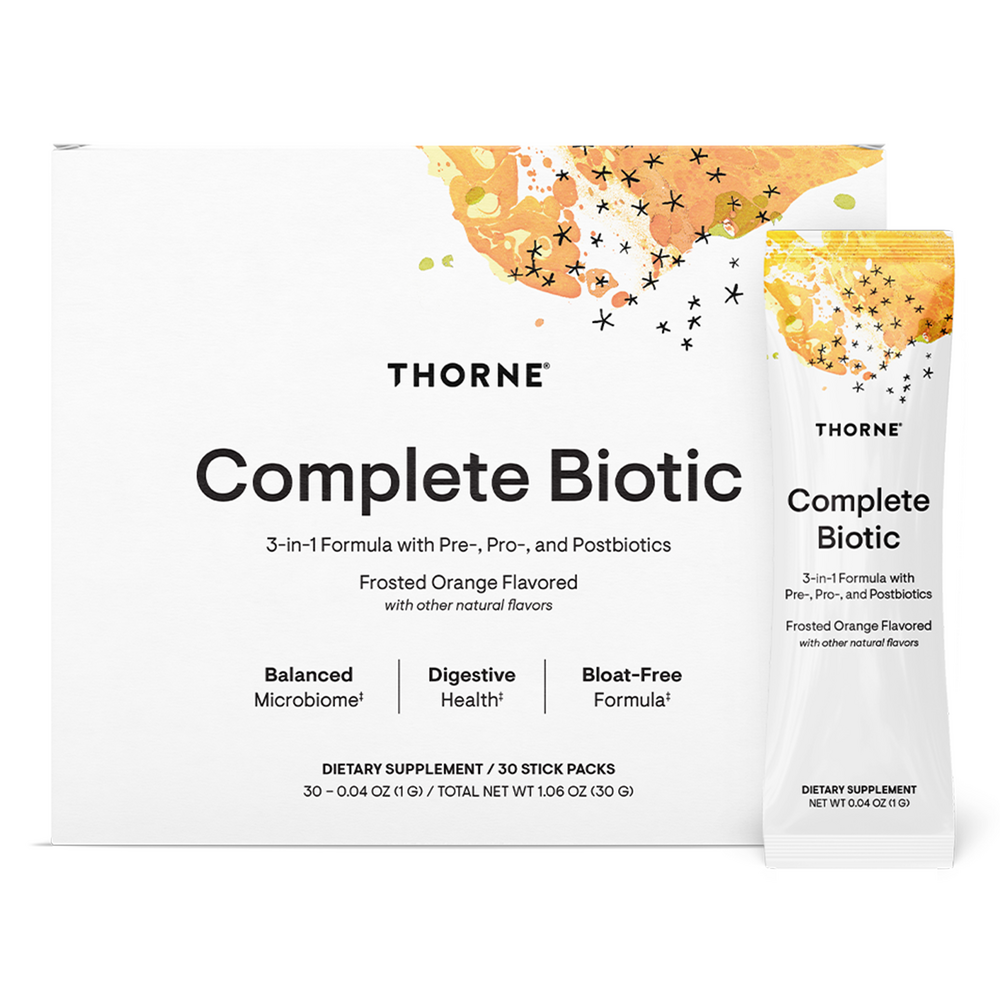
Complete Biotic
Thorne
30 packets
$46.00Save 10% with Subscribe & Save
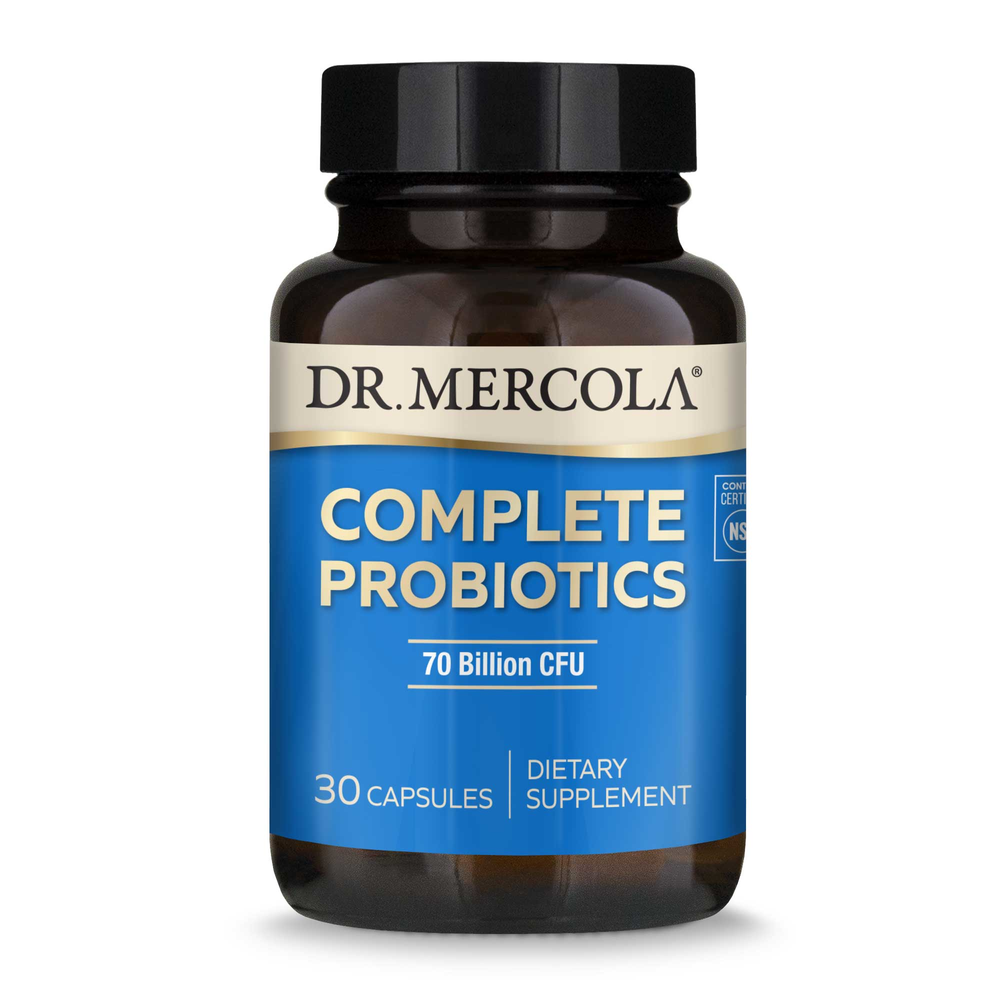
Complete Probiotics 70 Billion CFU
Dr. Mercola
30 capsules
$46.99Save 19% with Subscribe & Save
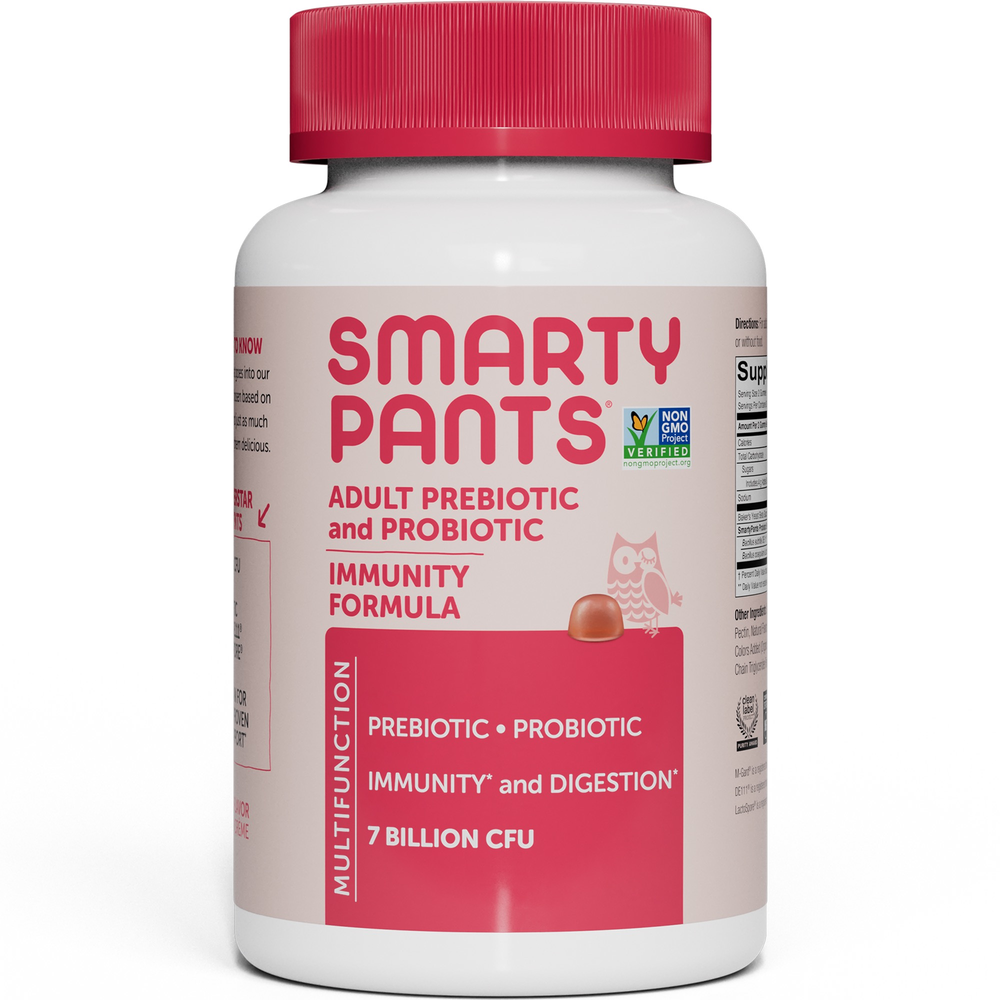
Digestive Probiotic & Prebiotic Grape
SmartyPants
60 gummies
$36.99Save 19% with Subscribe & Save