 Instalab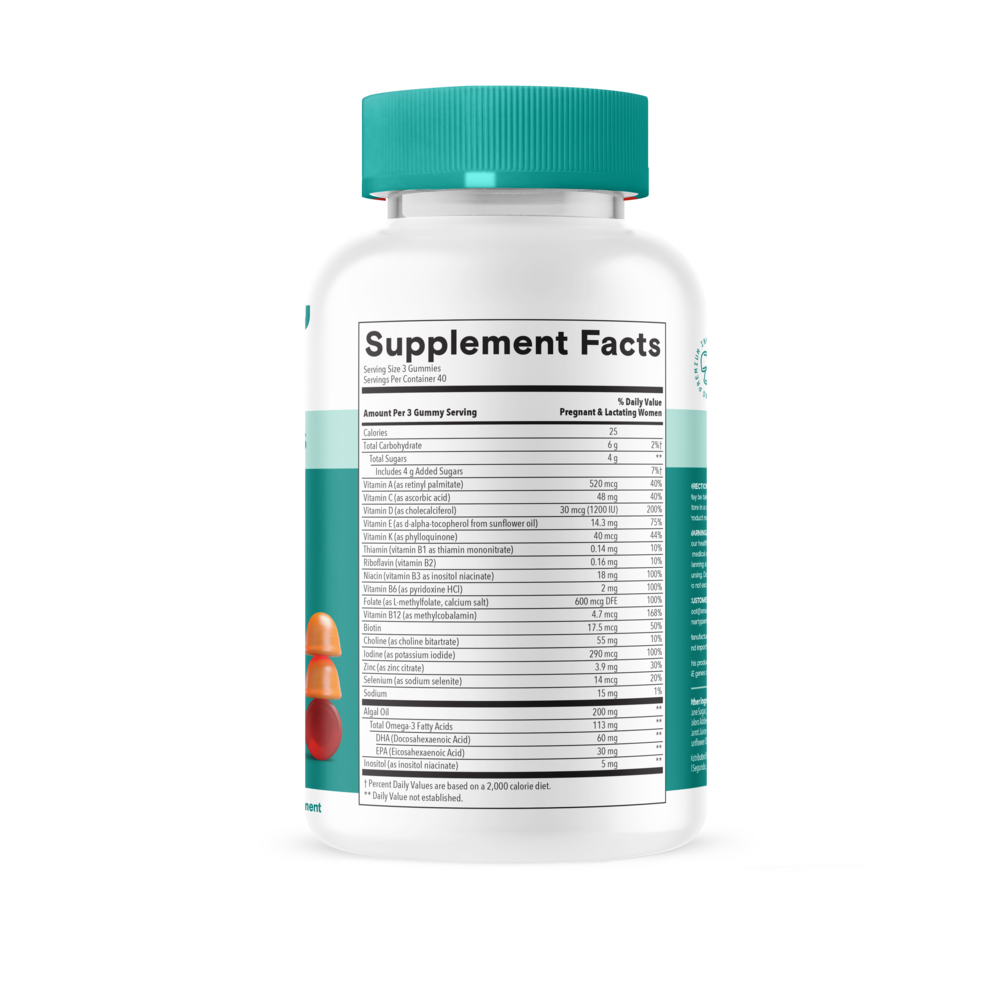


SmartyPants
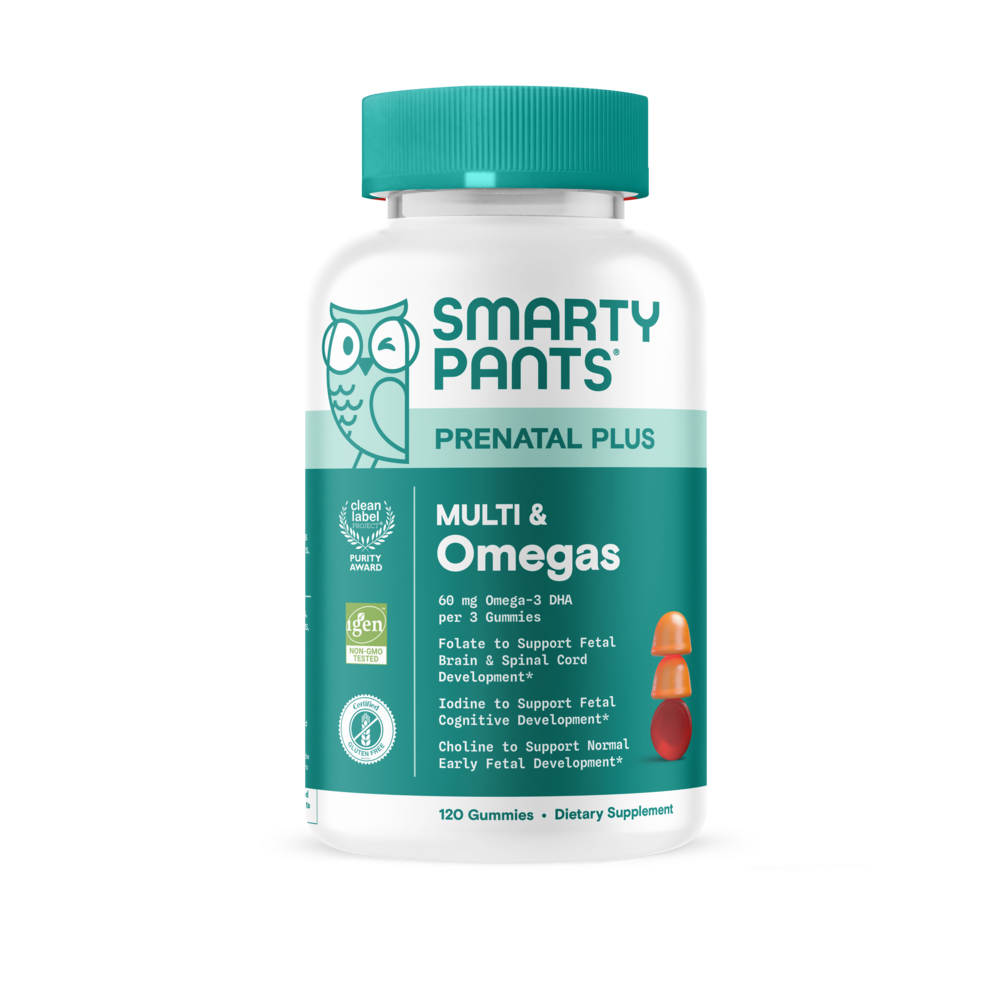
Prenatal Plus Multi & Omegas by SmartyPants
120 gummies · 30-day supply
Comprehensive Prenatal Support with Essential Vitamins and Omega Fatty Acids$56.99
Purchase options
Practitioner-grade brand3rd-party testedFree shipping $50+
Gluten Free·Soy Free·Lactose Free·Dairy Free·Egg Free·Milk Free·
SmartyPants Prenatal Plus Multi & Omegas overview
If you want a prenatal vitamin with DHA but can’t tolerate big capsules during nausea, gummies are often easier. This formula suits preconception through breastfeeding when your folate, iodine, and omega-3 needs rise. It’s a good fit if your Vitamin D, 25-Hydroxy is low-normal, you rarely eat seafood, or you prefer methylfolate over folic acid. It intentionally has no iron, so add an iron supplement if your Ferritin or blood count is low.
L-methylfolate is the active folate your cells use directly, helpful for those with MTHFR variants who process folic acid less efficiently. DHA and EPA from fish oil help build fetal brain and retina tissue, and they can raise your Omega-3 Index within 8–12 weeks. Iodine supports thyroid hormone (the signal that guides growth and brain development). Vitamin D3 improves calcium absorption for maternal bone health. Methylcobalamin (B12) and B6 aid red blood cell formation and energy metabolism.
Take four gummies daily, with or without food; splitting the dose morning and evening can ease queasiness. Start at least 1 to 3 months before trying to conceive and continue through breastfeeding. If you also take standalone iron or thyroid medication, separate those from minerals and vitamins by a few hours to avoid absorption issues. Expect Vitamin D, 25-Hydroxy and Omega-3 Index to shift over 4–12 weeks.
Choline is only 55 mg here, far below pregnancy needs, so consider a separate choline supplement if your diet is light on eggs or meat. The fish oil is modest and not intended to lower triglycerides; add a dedicated DHA if your Omega-3 Index is low or you avoid fish. Skip if you have fish or iodine allergy. If you’re on warfarin, vitamin K1 and fish oil need clinician guidance. Avoid stacking other retinol-based vitamin A.
Frequently asked questions
Does this prenatal have iron?
No. It’s iron-free to reduce constipation and nausea. If your Ferritin or blood count is low, add a separate iron and take it at a different time of day. Your clinician can guide dose and monitor response.
Is the DHA dose in prenatal gummies enough?
It provides a modest fish oil amount. It’s fine for maintenance if you occasionally eat seafood. If your Omega-3 Index is low or you never eat fish, add a dedicated DHA supplement and recheck in 8–12 weeks.
When should I start taking prenatal vitamins?
Start 1–3 months before trying to conceive. Folate status improves over weeks, and omega-3 and Vitamin D levels also take time to rise. If pregnancy is already confirmed, start now; earlier is better but late is better than never.
Is vitamin A in this prenatal safe during pregnancy?
The retinyl palmitate amount is conservative. Avoid stacking other retinol-containing products to keep total intake reasonable. Beta-carotene from food is fine. Ask your clinician if you use separate A supplements.
Can I take this with nausea or on an empty stomach?
Yes. Gummies are generally gentler than tablets. You can take them without food, and splitting the four gummies across the day often helps with morning sickness.
Does fish oil in prenatals thin your blood?
At typical prenatal doses, fish oil has little bleeding impact. If you’re on anticoagulants or have a bleeding disorder, talk with your clinician before using fish oil and vitamin K together.
Do I need extra choline with this prenatal?
Likely yes. This formula has 55 mg, while pregnancy needs are much higher. If you don’t eat eggs or organ meats regularly, consider adding choline and discuss dose with your clinician.
Is the iodine safe with thyroid medication?
Most pregnant patients are advised to get iodine, but dosing with thyroid disease can be nuanced. Keep taking levothyroxine on an empty stomach, and review your iodine intake with your endocrinologist.
How to take it & ingredients
Suggested use: Adult women, take four (4) gummies daily. May be taken with or without food.
Active ingredients
4 gummies per serving · 30 servings
Vitamin A
As retinyl palmitate
As retinyl palmitate
520 mcg
Vitamin C
As ascorbic acid
As ascorbic acid
48 mg
Vitamin D
Vitamin D3 as cholecalciferol
Vitamin D3 as cholecalciferol
30 mcg
Vitamin E
As d-alpha-tocopherol from sunflower oil
As d-alpha-tocopherol from sunflower oil
14.3 mg
Vitamin K
Vitamin K1 as phylloquinone
Vitamin K1 as phylloquinone
40 mcg
Thiamin
Vitamin B1 as thiamin mononitrate
Vitamin B1 as thiamin mononitrate
0.14 mg
Riboflavin
Vitamin B2
Vitamin B2
0.16 mg
Niacin
Vitamin B3 as inositol niacinate
Vitamin B3 as inositol niacinate
18 mg
Vitamin B6
As pyridoxal HCl
As pyridoxal HCl
2 mg
Folate
As L-methylfolate, calcium salt
As L-methylfolate, calcium salt
600 mcg DFE
Vitamin B12
As methylcobalamin
As methylcobalamin
4.7 mcg
Biotin
17.5 mcg
Choline
As choline bitartrate
As choline bitartrate
55 mg
Iodine
As potassium iodide
As potassium iodide
290 mcg
Zinc
As zinc citrate
As zinc citrate
3.9 mg
Selenium
As sodium selenite
As sodium selenite
14 mcg
Sodium
20 mg
▼
Fish Oil
455 mg
▼
Total Omega-3 Fatty Acids
132 mg
EPA and DHA
114 mg
Inositol
As inositol niacinate
As inositol niacinate
5 mg
Other ingredients: Organic Tapioca Syrup, Organic Cane Sugar, Gelatin, Pectin, Citric Acid, Colors Added (Organic Black Carrot Juice Concentrate, Organic Turmeric), Natural Flavors, Organic Sunflower Oil, Organic Carnauba Wax
Certifications
Benefits
Warnings
Customers also considered
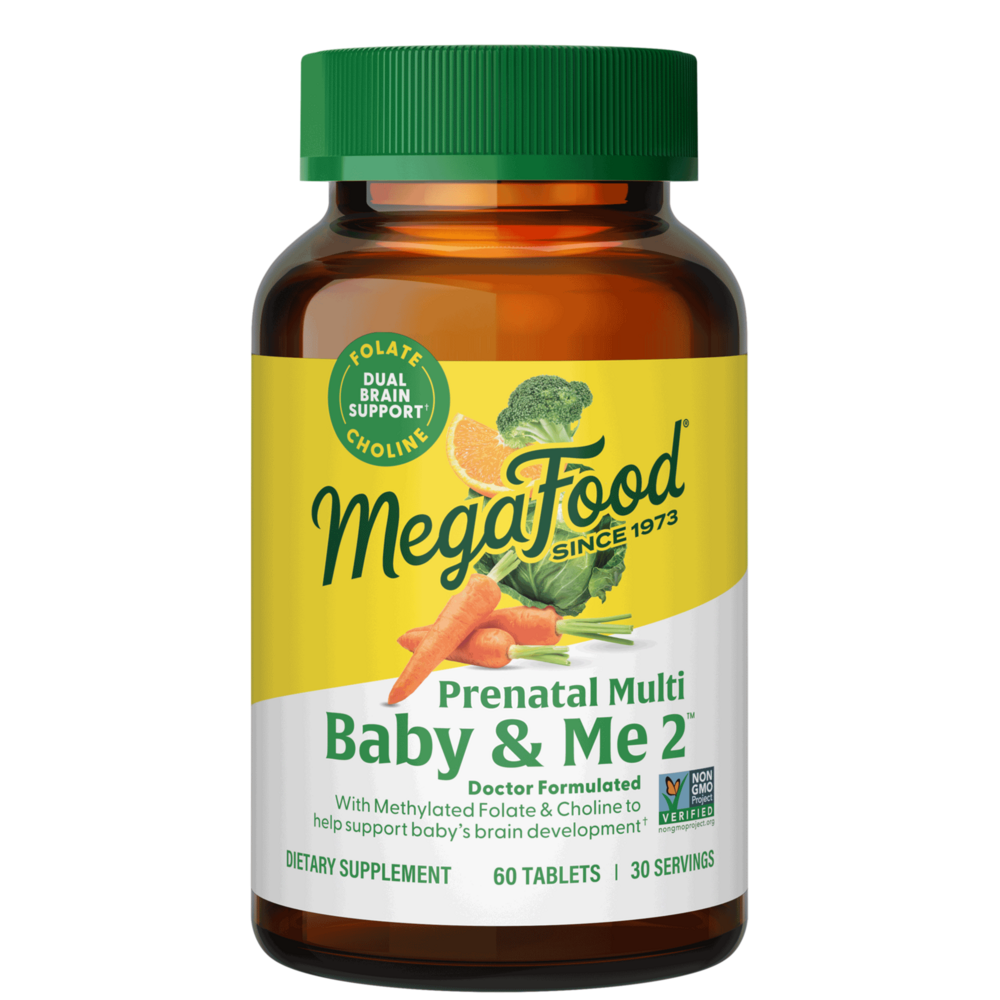
Baby & Me 2
MegaFood
60 tablets
$47.99$37.99 with Subscribe & Save
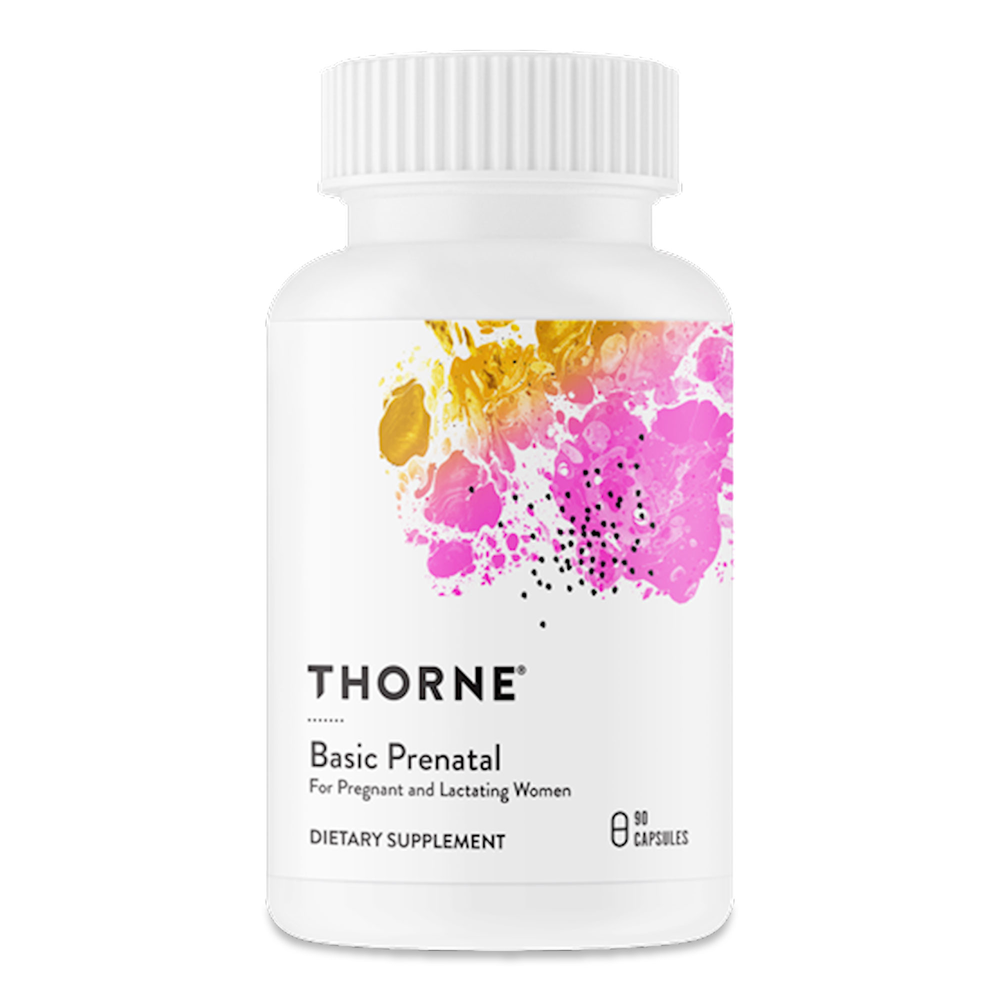
Basic Prenatal
Thorne
90 capsules
$37.00$33.30 with Subscribe & Save
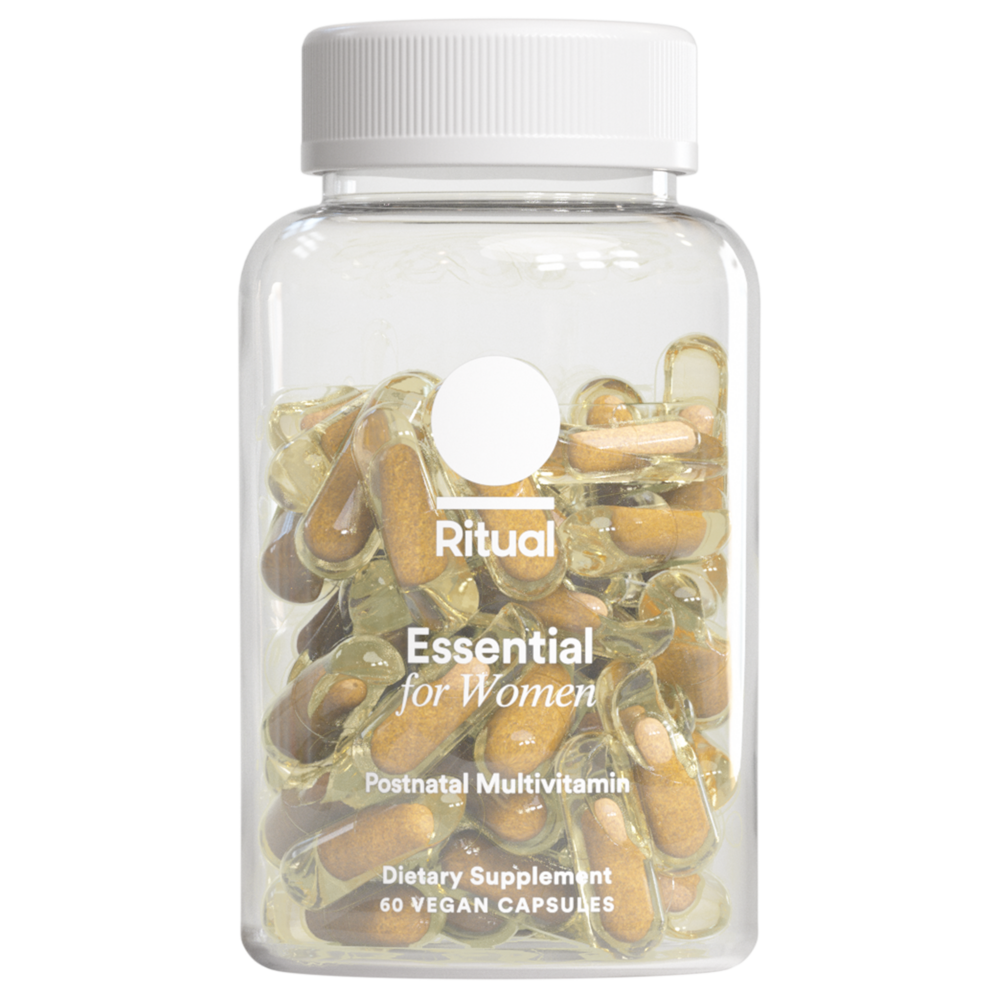
Essential for Women Postnatal Multivitamin - Citrus
Ritual
60 capsules
$44.99$35.99 with Subscribe & Save
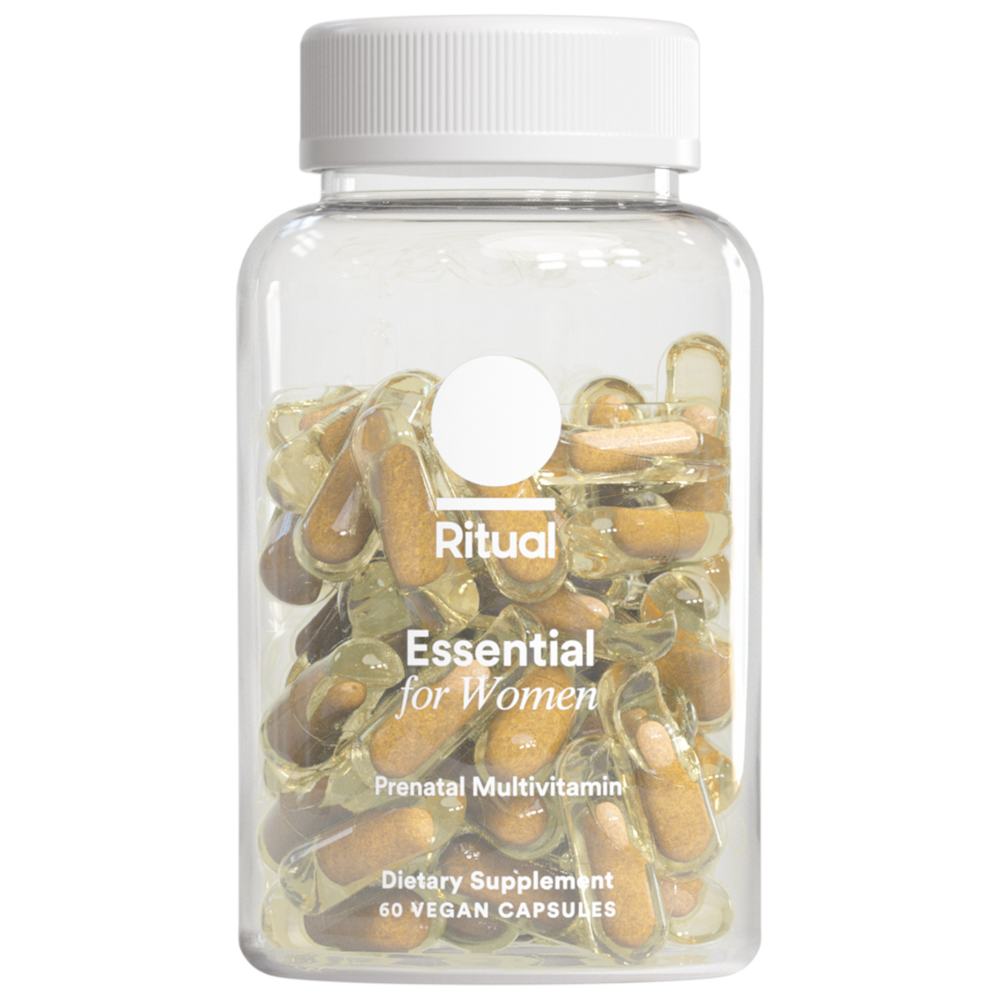
Essential for Women Prenatal Multivitamin - Citrus
Ritual
60 capsules
$44.99$35.99 with Subscribe & Save