 Instalab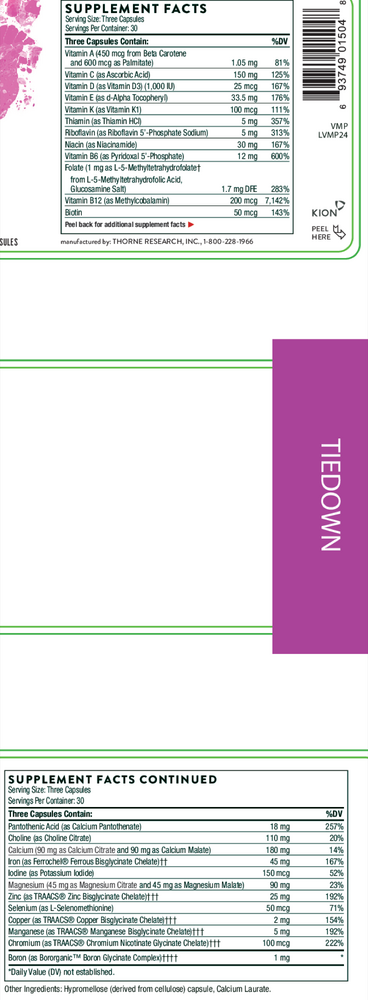

Thorne
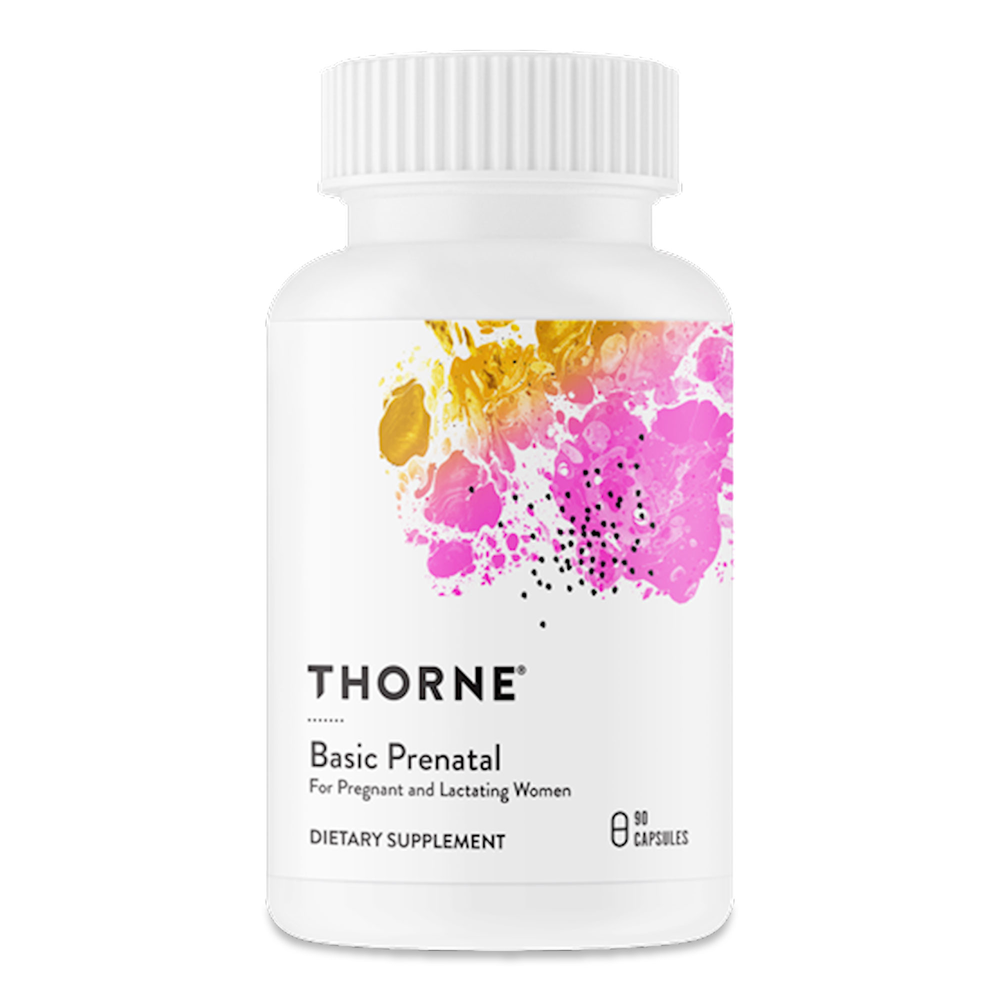
Basic Prenatal by Thorne
90 capsules · 30-day supply
Comprehensive Nutritional Support for Expecting Mothers$37.00
Purchase options
Practitioner-grade brand3rd-party testedFree shipping $50+
Gluten Free·Soy Free·Dairy Free·Milk Free
Thorne Basic Prenatal overview
If you’re trying to conceive, already pregnant, or nursing, a prenatal vitamin with methylfolate is the baseline. It’s also useful if your Ferritin (iron stores) or Vitamin D, 25-Hydroxy are low, if you don’t eat much red meat or seafood, or if nausea makes food intake erratic. This formula suits vegans and those with MTHFR variants who want L‑5‑MTHF (the active folate) and methylcobalamin (the active B12). If your labs show significant deficiency, you’ll often need targeted add‑ons first, then return to maintenance.
Thorne Basic Prenatal uses tissue‑ready forms: L‑5‑MTHF instead of folic acid, methylcobalamin instead of cyanocobalamin, and P5P/R5P (active B6/B2). That improves reliability if conversion is impaired. Iron is provided as bisglycinate, which is gentler and less constipating than ferrous sulfate while still repleting low Ferritin. Iodine (150 mcg) supports thyroid hormone production, and choline (110 mg) contributes to fetal brain development. The formula keeps calcium modest so it doesn’t block iron; add separate calcium later in the day if needed.
Take 3 capsules daily with food, ideally split (for example, 1 with breakfast, 2 with dinner) to improve tolerance. If morning sickness is active, take it at night. Avoid coffee or tea with the dose—tannins reduce iron absorption. If you also supplement calcium or magnesium in higher amounts, separate by 2–4 hours so iron uptake isn’t blunted. This multi doesn’t include DHA; pair with a fish‑oil or algae DHA and track your Omega‑3 Index if seafood intake is low.
If you have hemochromatosis or very high Ferritin, skip iron‑containing prenatals. With hypothyroidism on levothyroxine, separate this prenatal by at least 4 hours; iron and calcium bind thyroid medication. If you’ve had a prior neural‑tube‑defect pregnancy, discuss higher folate repletion first. Limit extra preformed vitamin A (retinol) from other supplements while pregnant. Thyroid disease or iodine sensitivity warrants clinician guidance, since iodine intake should stay consistent to keep TSH (the pituitary signal to the thyroid) stable.
Folate vs folic acid: L‑5‑MTHF bypasses a common genetic bottleneck and reliably lowers homocysteine (a byproduct that rises when folate/B12 are low). Iron here is 45 mg as bisglycinate, which is well‑tolerated for many. If constipation shows up, increase fluids and fiber, or move the largest dose to evening. Checking Ferritin, Vitamin D, 25‑Hydroxy, B12, and TSH during pregnancy helps tailor what you add or reduce alongside this base.
Frequently asked questions
Is methylfolate better than folic acid in a prenatal vitamin?
For many, yes. L‑5‑MTHF is the active folate and doesn’t rely on conversion steps that some people do poorly. It reliably raises folate status and lowers homocysteine. Either form prevents deficiency, but methylfolate is my pick if you have MTHFR variants or prior low folate on labs.
Do I still need DHA if my prenatal vitamin has everything else?
Yes. Most prenatal vitamins, including Thorne Basic Prenatal, do not contain DHA. Add a separate fish‑oil or algae‑based DHA/EPA and consider checking your Omega‑3 Index, especially if you rarely eat seafood or are avoiding fish during pregnancy.
When should I start taking a prenatal vitamin?
Start at least 1–3 months before trying to conceive and continue through pregnancy and nursing. Folate status matters early, often before you know you’re pregnant. If your Ferritin or Vitamin D, 25‑Hydroxy are low, begin sooner and correct those with targeted dosing.
Can a prenatal vitamin cause nausea or constipation?
Sometimes. Iron can trigger both. Taking the capsules with food, splitting doses, and using the largest dose at night help. Iron bisglycinate is gentler than ferrous sulfate, but if symptoms persist, discuss adjusting iron or using stool‑softening strategies with your clinician.
Can I take a prenatal vitamin with levothyroxine?
Yes, but separate by at least 4 hours. Iron and calcium bind levothyroxine and reduce absorption. Keep iodine intake consistent day to day and monitor TSH with your clinician to avoid under‑ or over‑replacement during pregnancy.
What labs should I check while using a prenatal vitamin?
Ferritin for iron stores, Vitamin D, 25‑Hydroxy, Vitamin B12, and TSH are the core. Consider Homocysteine if you want a functional read on folate/B12 status, and an Omega‑3 Index if seafood intake is low or you’re supplementing DHA.
Is the vitamin A in prenatals safe during pregnancy?
In prenatal doses, yes. The concern is excess preformed vitamin A (retinol) from stacking multiple products. Avoid high‑dose retinol supplements during pregnancy and stick to a single prenatal to prevent overshooting total daily intake.
How to take it & ingredients
Suggested use: Take 3 capsules daily or as recommended by your health professional.
Active ingredients
3 capsules per serving · 30 servings
Vitamin A
1050 mcg, 750 IU
Vitamin C
Ascorbic Acid
Ascorbic Acid
150 mg
Vitamin D3
25 mcg, 1000 IU
Vitamin E
D-Alpha-Tocopheryl
D-Alpha-Tocopheryl
33.5 mg, 30.15 IU
Vitamin K
Vitamin K1
Vitamin K1
100 mcg
Vitamin B1
Thiamin
Thiamin
5 mg
Vitamin B2
Riboflavin 5'-Phosphate Sodium
Riboflavin 5'-Phosphate Sodium
5 mg
Niacin
Niacinamide
Niacinamide
30 mg
Vitamin B5
Pantothenic Acid
Pantothenic Acid
18 mg
Vitamin B6
Pyridoxal 5'-Phosphate
Pyridoxal 5'-Phosphate
12 mg
Vitamin B12
Methylcobalamin
Methylcobalamin
200 mcg
Folate
L-5-MTHF
L-5-MTHF
1.7 mg DFE
Biotin
50 mcg
Calcium
180 mg
Magnesium
90 mg
Zinc
Bisglycinate Chelate
Bisglycinate Chelate
25 mg
Iron
Bisglycinate
Bisglycinate
45 mg
Copper
Bisglycinate
Bisglycinate
2 mg
Manganese
Bisglycinate Chelate
Bisglycinate Chelate
5 mg
Chromium
Nicotinate Glycinate
Nicotinate Glycinate
100 mcg
Selenium
Selenomethionine
Selenomethionine
50 mcg
Iodine
Potassium Iodide
Potassium Iodide
150 mcg
Boron
Glycinate Complex
Glycinate Complex
1 mg
Choline
Citrate
Citrate
110 mg
Other ingredients: Hypromellose (derived from cellulose) capsule, Calcium Laurate
Certifications
Benefits
Warnings
Customers also considered
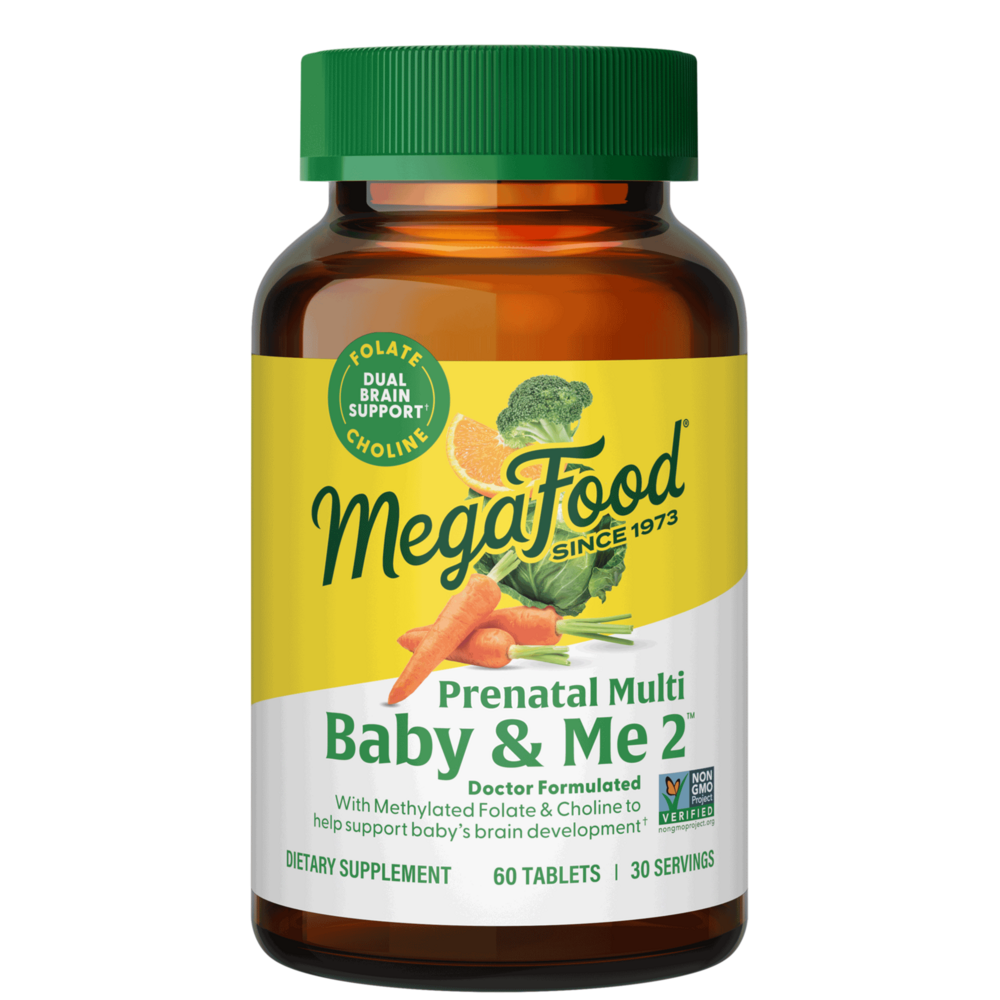
Baby & Me 2
MegaFood
60 tablets
$47.99$37.99 with Subscribe & Save
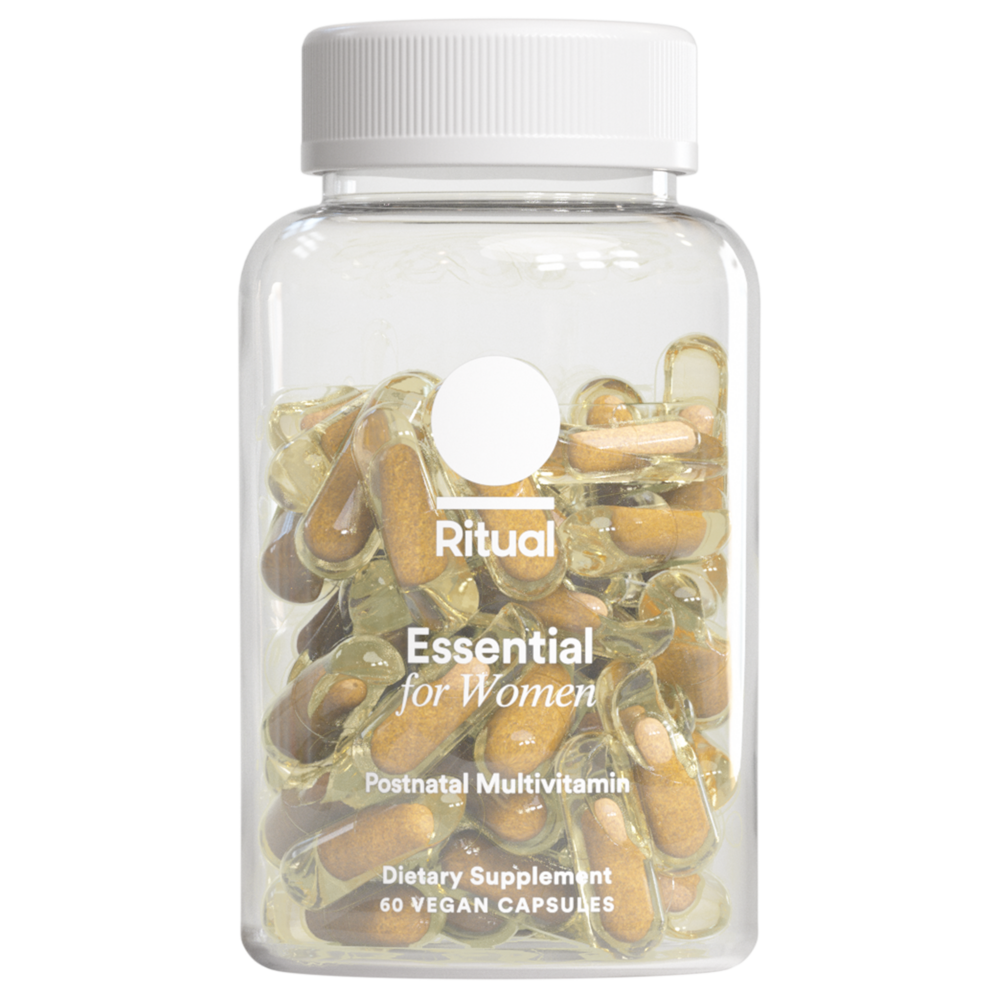
Essential for Women Postnatal Multivitamin - Citrus
Ritual
60 capsules
$44.99$35.99 with Subscribe & Save
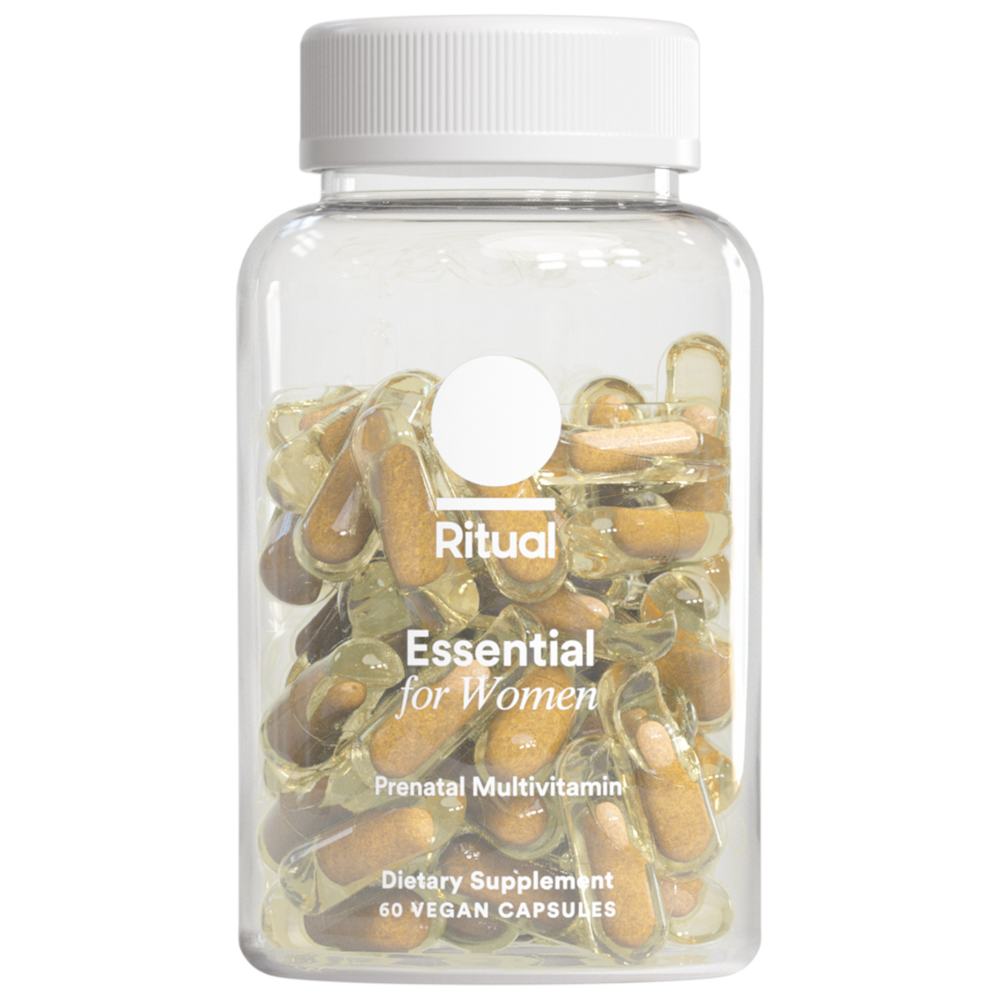
Essential for Women Prenatal Multivitamin - Citrus
Ritual
60 capsules
$44.99$35.99 with Subscribe & Save
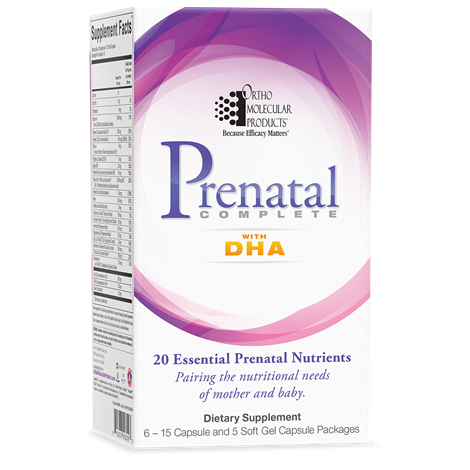
Prenatal Complete with DHA
Ortho Molecular Products
6 packs
$89.08$80.25 with Subscribe & Save