 Instalab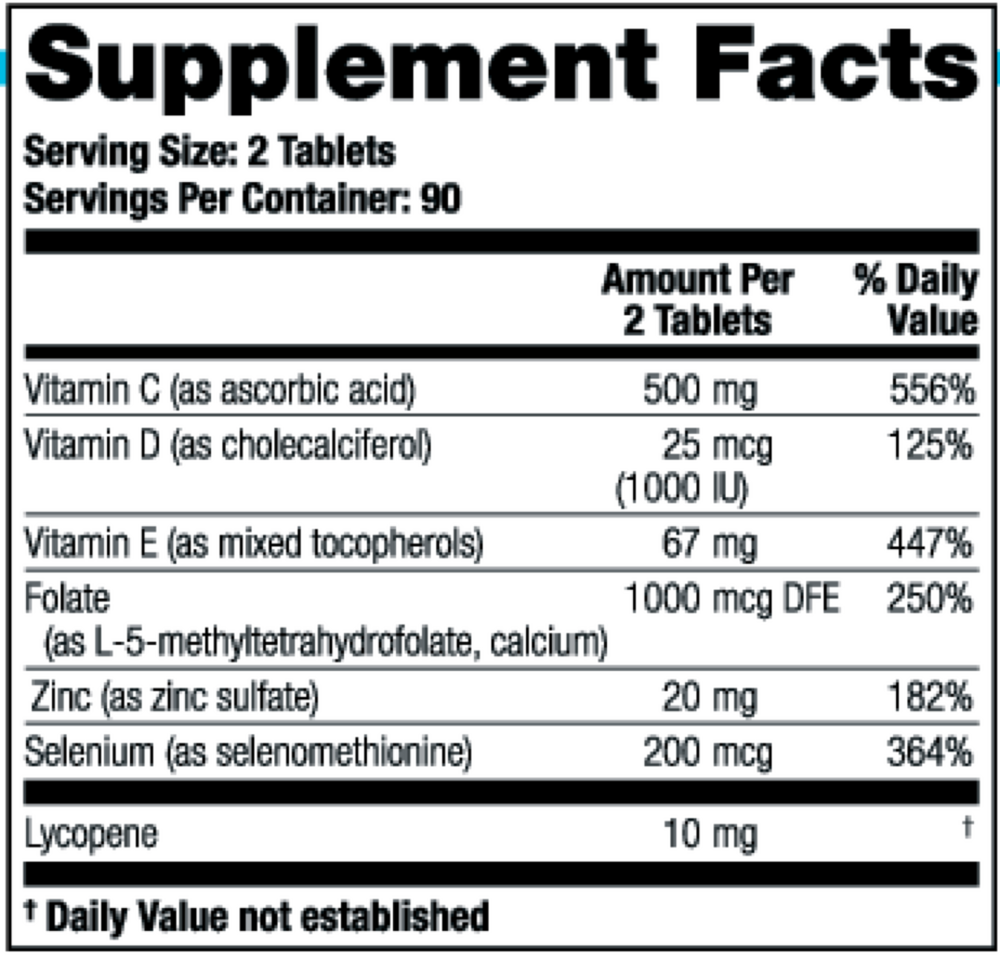

Theralogix
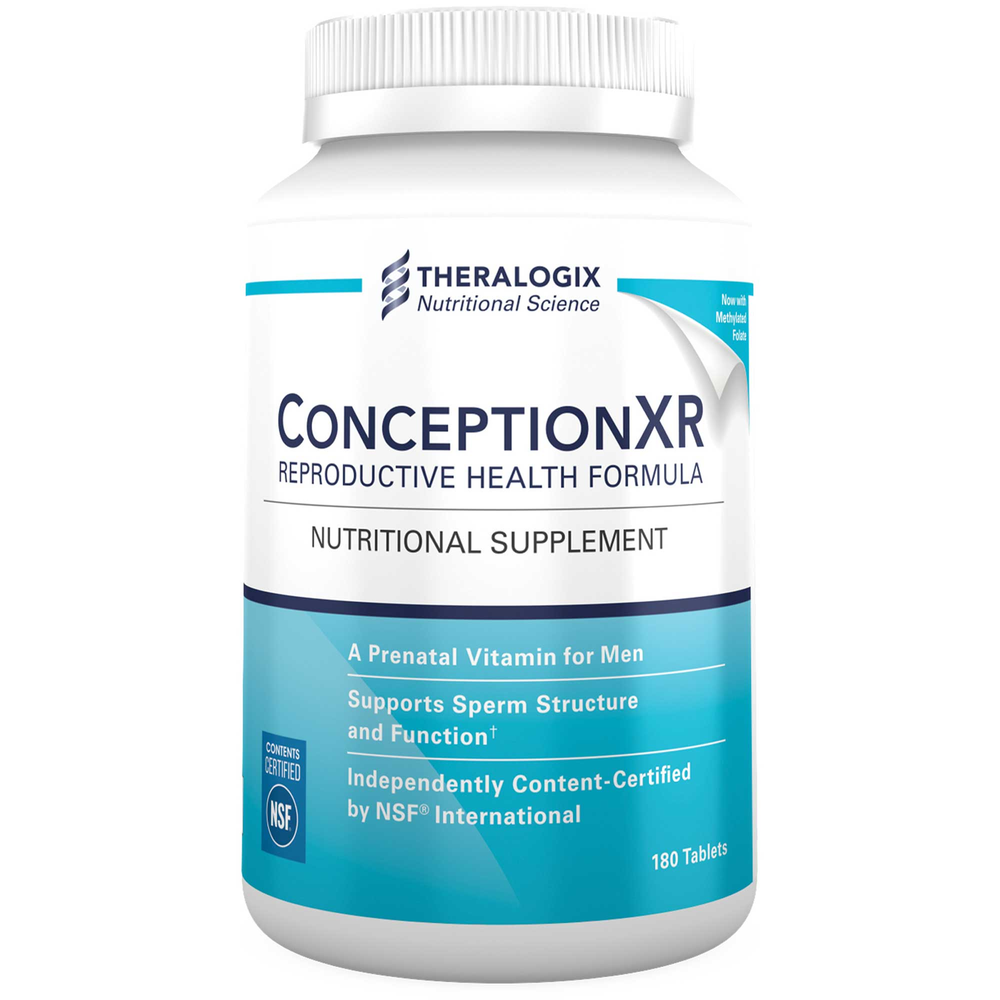
ConceptionXR Reproductive Health Formula by Theralogix
180 tablets · 90-day supply
Comprehensive Nutrients for Optimal Reproductive Health and Wellness$77.99
Purchase options
Practitioner-grade brand3rd-party testedFree shipping $50+
Vegetarian·Gluten Free·Fish Free·Animal Product Free·Artificial Color Free·Crustacean Shellfish Free
Theralogix ConceptionXR Reproductive Health Formula overview
If your semen analysis shows issues with count, motility, or morphology, this male fertility supplement is a practical first step while you and your partner pursue evaluation. It also fits men over 30 with low fruit-and-vegetable intake, smokers or former smokers, and those with a varicocele history who want help lowering oxidative damage to sperm. If your Vitamin D, 25-Hydroxy is low, the included D3 helps with general status, though sperm benefits from vitamin D are mixed. Expect any change to show up after 2 to 3 months, the length of a full sperm cycle.
Vitamin C and selenium reduce oxidative damage from free radicals (highly reactive molecules) in the reproductive tract, which often improves motility and protects sperm DNA. Zinc supports enzymes that drive testosterone production and flagellar movement, both important for sperm quality. Folate as L‑5‑methyltetrahydrofolate, the active form, feeds DNA synthesis and methylation, the on/off tagging of genes required for normal sperm development. Lycopene, a tomato carotenoid that concentrates in the testes, has been linked to lower sperm DNA fragmentation (breaks in sperm DNA strands). Vitamin D3 here mainly supports overall status; its impact on semen parameters is inconsistent across studies.
Take two tablets daily with food. Splitting the dose with breakfast and dinner improves tolerance and helps absorb fat-soluble nutrients like lycopene and vitamin D3. Stay consistent for at least 90 days before you judge results on a repeat semen analysis or a sperm DNA fragmentation test. This is a comprehensive dose; don’t layer another multivitamin on top without reviewing total zinc, selenium, and folate intake.
Zinc interferes with tetracycline and quinolone antibiotics and with levothyroxine; separate by at least 4 hours. Long-term zinc at 20 mg can lower copper status, so avoid combining with a high-zinc multi unless monitored. Vitamin C at 500 mg can raise urine oxalate; if you’ve had calcium oxalate kidney stones, discuss it with your clinician. Selenium at 200 mcg approaches the daily upper limit, so skip extra selenium sources like frequent Brazil nuts. High folate can hide signs of low vitamin B12; consider checking Vitamin B12 if you have anemia or neuropathy symptoms.
Frequently asked questions
How long do male fertility vitamins take to work?
Plan on 2–3 months. Sperm take about 74 days to develop, so changes in count, motility, or DNA fragmentation usually show up after a full cycle. Stay consistent daily with food.
Will this improve sperm count and motility?
Many men see better motility and reduced oxidative damage, sometimes with higher counts, especially when baseline diet is poor or oxidative stress is high. Verify with a follow-up semen analysis after 90 days.
Can I take this with my multivitamin?
Usually no. This already includes 20 mg zinc, 200 mcg selenium, and 1 mg folate equivalent. Doubling up can exceed sensible totals. If you want both, compare labels or ask a clinician to avoid overshooting.
Do I need lab tests while taking it?
A semen analysis before and after 90 days is the most useful. Consider Vitamin D, 25-Hydroxy if your sun exposure is low, and Vitamin B12 testing if you have anemia or nerve symptoms while on high folate.
Is vitamin C safe if I’ve had kidney stones?
Caution. Vitamin C can raise urine oxalate, which is relevant for calcium oxalate stones. If you’ve had those, discuss risks with your clinician or consider lowering vitamin C from other sources.
Does this interact with antibiotics or thyroid meds?
Yes for timing. Zinc reduces absorption of tetracyclines, quinolones, and levothyroxine. Take those medicines at least 4 hours apart from this supplement to avoid interference.
Should I take it in the morning or at night?
Either is fine, as long as it’s with food. Many prefer splitting one tablet with breakfast and one with dinner to improve absorption and minimize any mild nausea.
Is lycopene from food enough?
Tomato products provide lycopene, but intakes vary. The 10 mg here standardizes a level used in studies. You can still eat tomato sauce or paste, which pairs well with the fat-in-food for absorption.
How to take it & ingredients
Suggested use: Take two tablets per day with food. Do not exceed the recommended dosage.
Active ingredients
2 tablets per serving · 90 servings
Folate
L-5-methyltetrahydrofolate (calcium salt)
L-5-methyltetrahydrofolate (calcium salt)
1000 mcg DFE
Vitamin C
Ascorbic Acid
Ascorbic Acid
500 mg
Vitamin D
Cholecalciferol
Cholecalciferol
25 mcg, 1000 IU
Zinc
Zinc Sulfate
Zinc Sulfate
20 mg
Selenium
Selenomethionine
Selenomethionine
200 mcg
Lycopene
10 mg
Other ingredients: Microcrystalline cellulose, Hydroxypropyl methylcellulose, Aqueous coating, Silicon dioxide, Croscarmellose sodium, Magnesium stearate, Stearic acid, Anthocyanin extract (color)
Certifications
Benefits
Warnings
Customers also considered
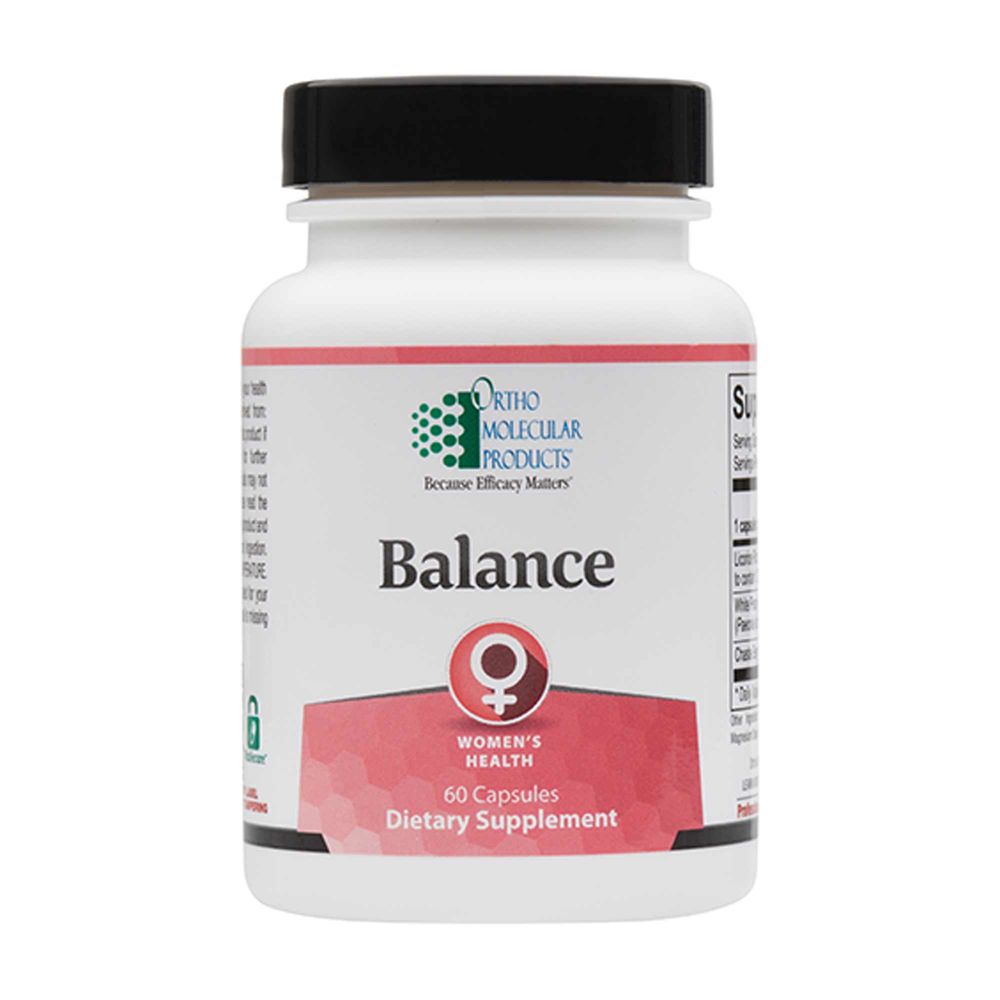
Balance
Ortho Molecular Products
60 capsules
$47.90$43.15 with Subscribe & Save
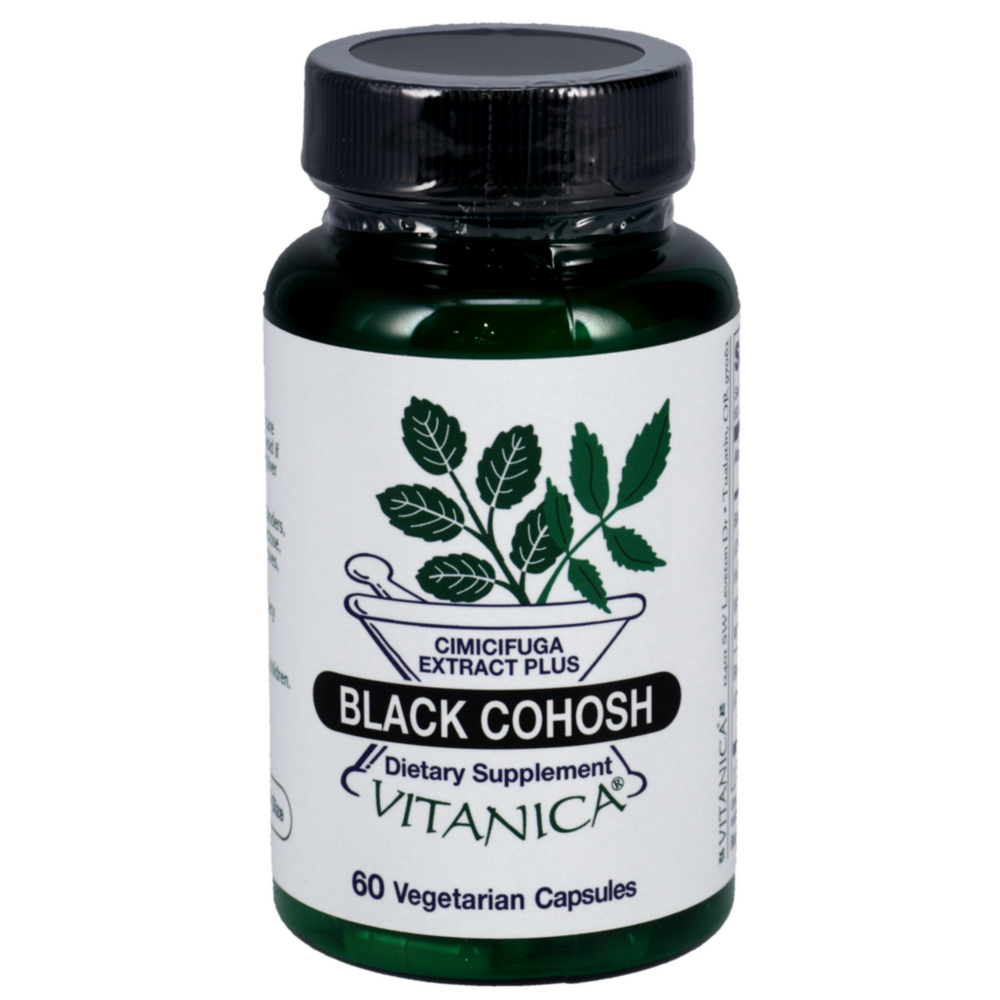
Black Cohosh
Vitanica
60 capsules
$17.99$13.99 with Subscribe & Save
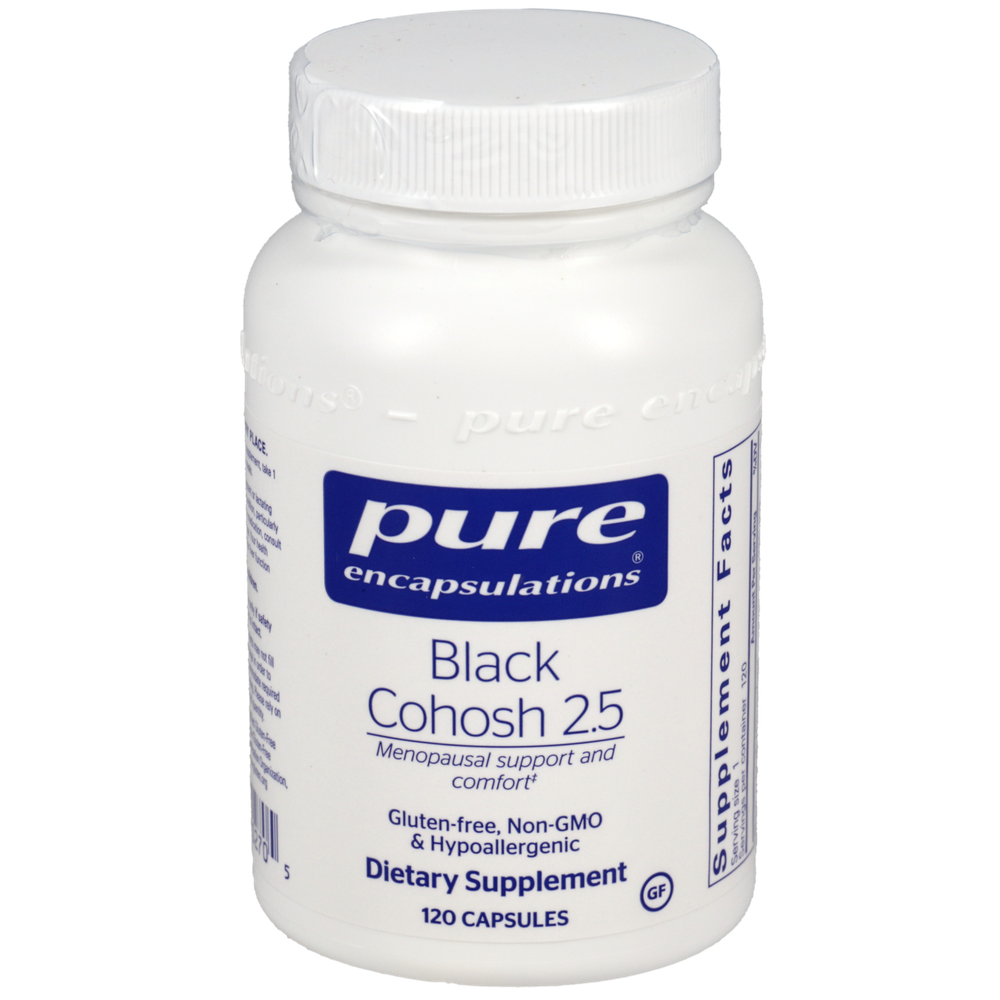
Black Cohosh 2.5
Pure Encapsulations
120 capsules
$53.00$41.99 with Subscribe & Save
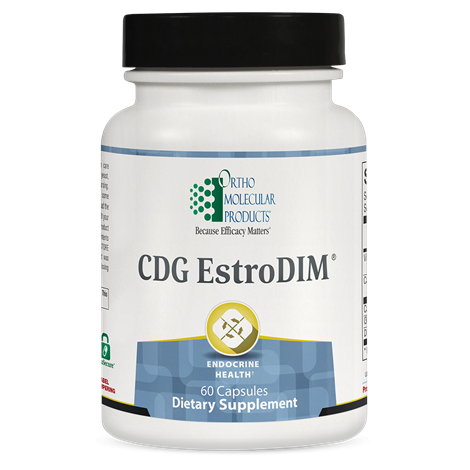
CDG EstroDIM
Ortho Molecular Products
60 capsules
$103.73$93.45 with Subscribe & Save