 Instalab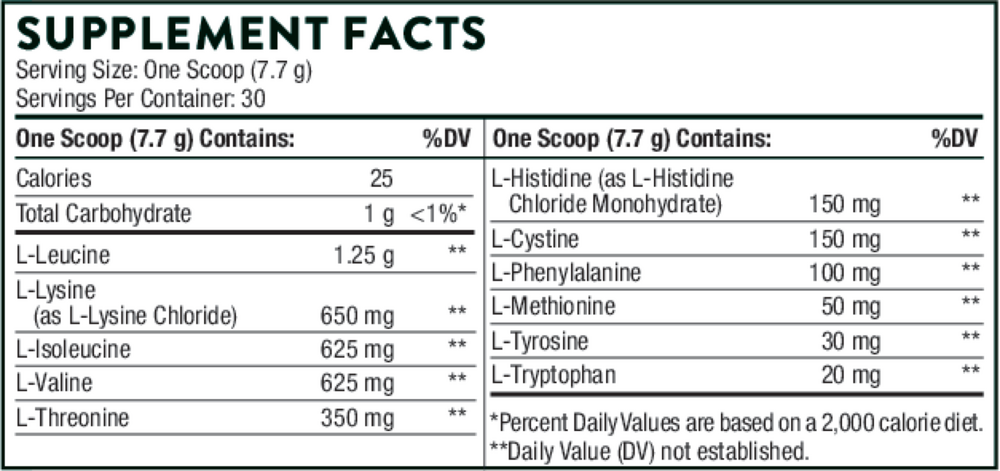


Thorne
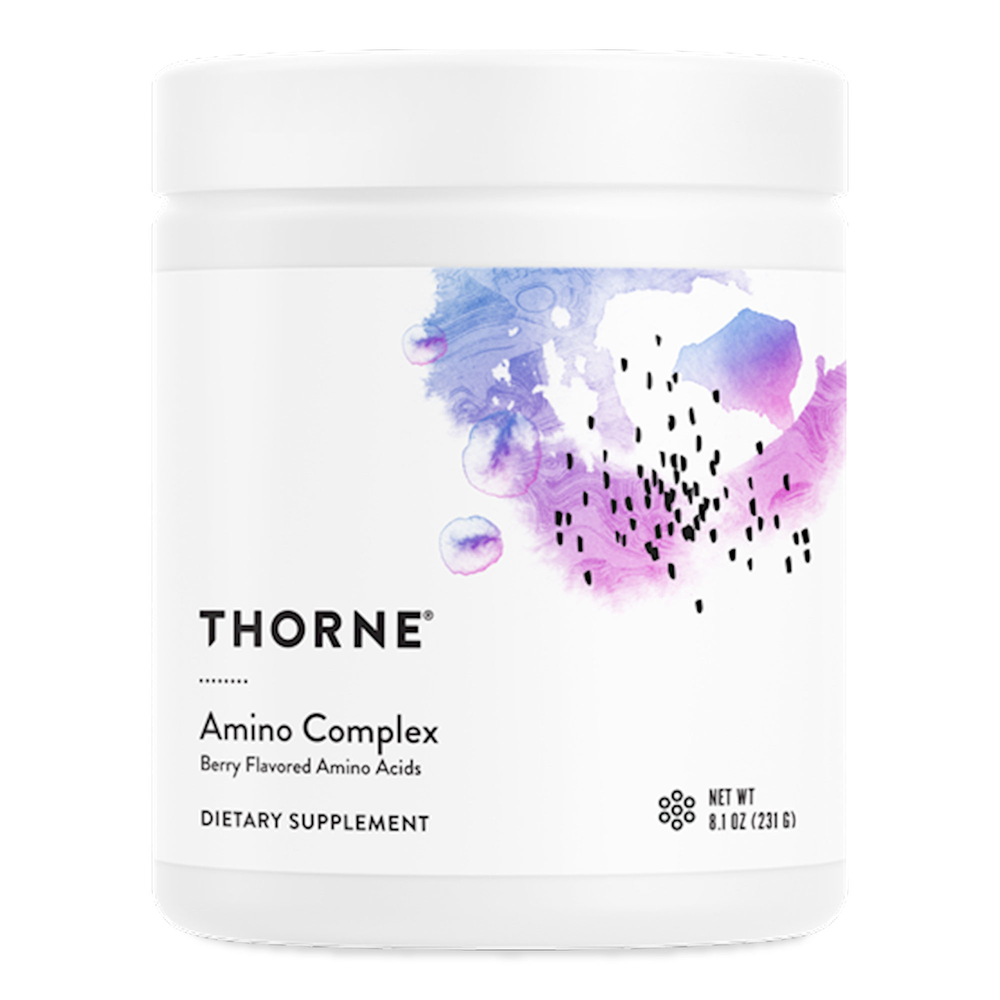
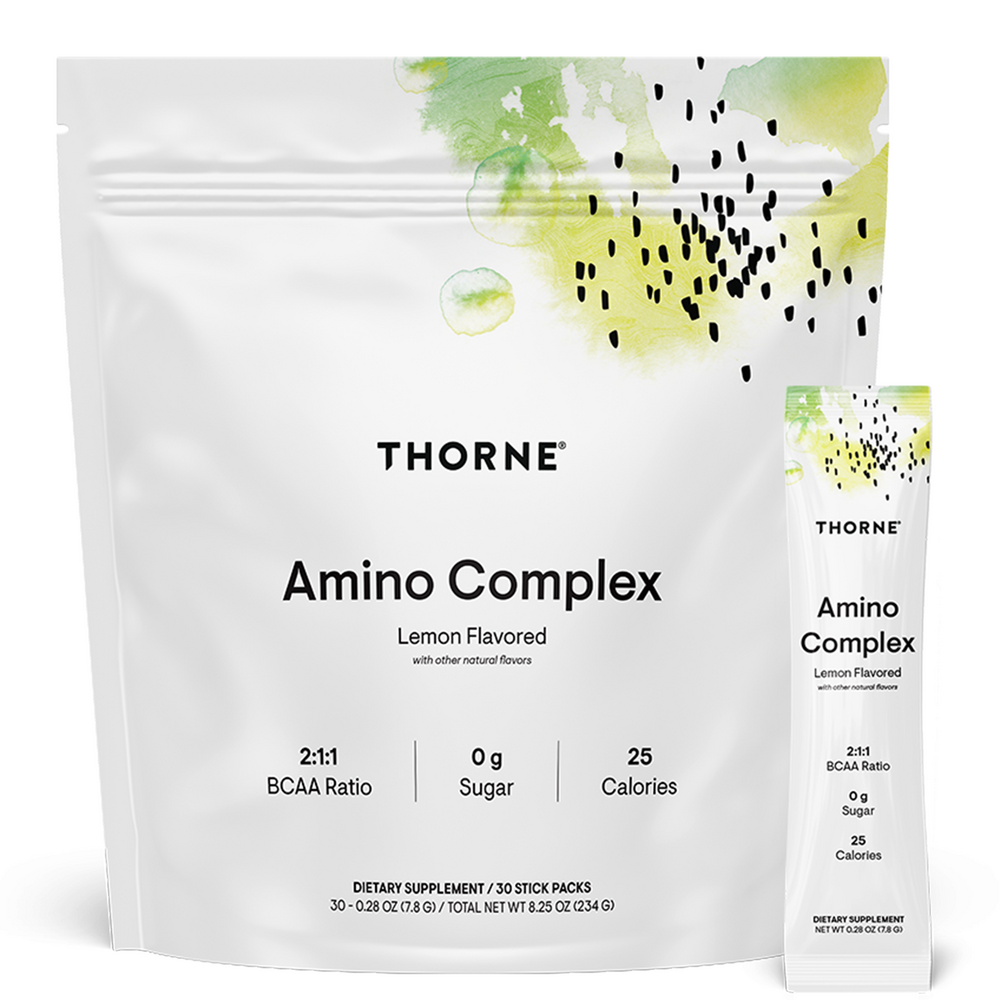
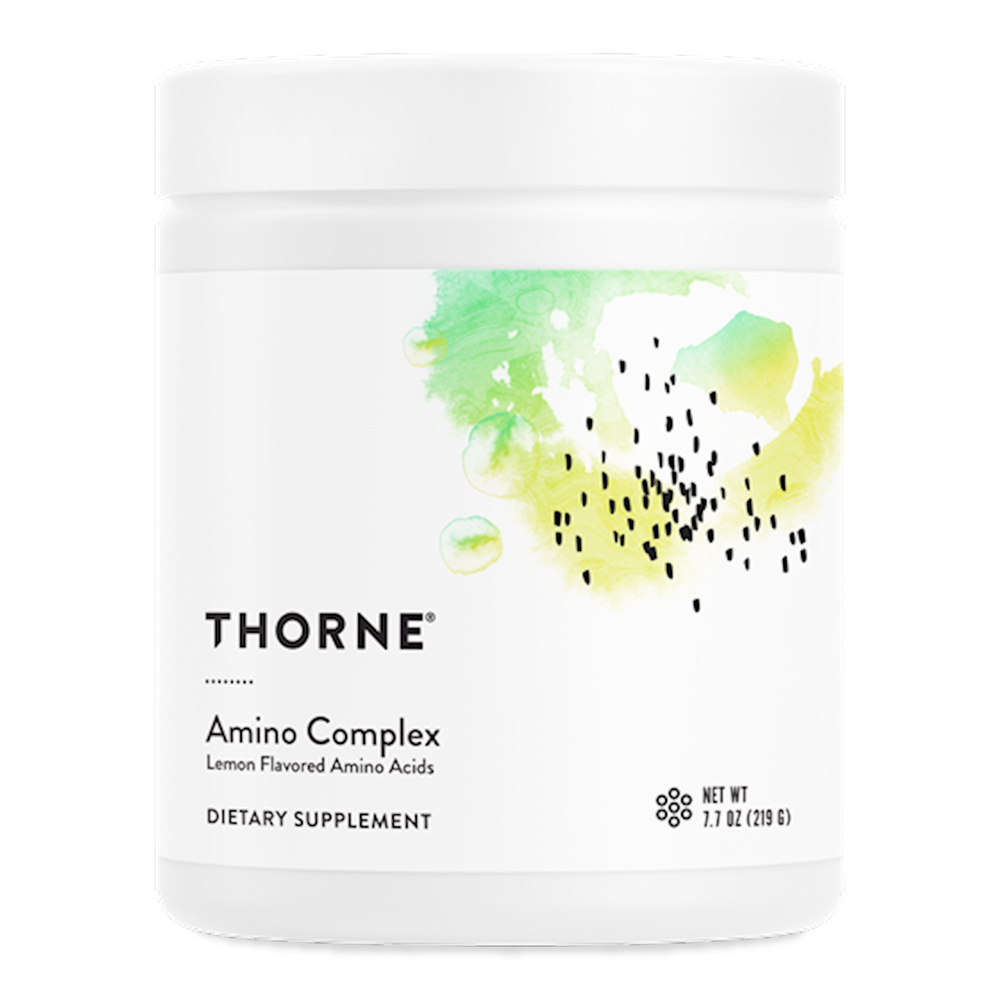
Amino Complex Lemon by Thorne
231 grams · 30-day supply
Essential Amino Acids for Muscle Support and Recovery$52.00
Purchase options
Practitioner-grade brand3rd-party testedFree shipping $50+
Gluten Free·Soy Free·Dairy Free·Milk Free
Thorne Amino Complex Lemon overview
If you train fasted, cut calories, or struggle to hit daily protein, an essential amino acids powder is a clean way to drive muscle repair without added carbs or fat. It also fits plant-based eaters whose meals are light on leucine-rich foods, and adults over 50 who face “anabolic resistance,” meaning muscles respond less to protein. If fatigue is limiting your training and your Ferritin (iron storage) is low, address that first—amino acids won’t fix iron deficiency.
Muscle building needs two things at once: the signal to start, and the bricks to build with. Leucine provides the on-switch through mTOR (the cell’s growth signal), while all nine essential amino acids supply the building blocks for new muscle protein. This formula delivers 1.25 g leucine per scoop with a full EAA blend; two scoops land closer to research doses that maximally turn on synthesis. Unlike BCAA-only mixes, the full essential amino acids profile sustains protein building beyond the first few minutes. You’ll feel recovery benefits after the first doses, while body-composition changes show up over 4 to 12 weeks when paired with training.
Mix one scoop in water once or twice daily. For fasted morning sessions, sip 15–30 minutes pre-workout or during; for lifting, take within an hour after. If you already drink 20–30 g whey or eat a protein-rich meal post-workout, extra essential amino acids then are usually redundant. Choose EAAs when you want the muscle signal with minimal calories; choose whey or a full protein meal when you need both protein and energy.
If you have phenylketonuria (PKU) or are limiting phenylalanine and tyrosine, this isn’t a match. With chronic kidney disease, use amino supplements only under your nephrologist’s guidance. Large neutral amino acids, including leucine and isoleucine, can compete with levodopa absorption; take this at a different time than your Parkinson’s medication. Pregnancy and breastfeeding: prioritize dietary protein and discuss any amino acid powder with your clinician.
Frequently asked questions
Are essential amino acids better than BCAA?
Yes for muscle protein synthesis. Leucine starts the process, but you need all nine essential amino acids to build new muscle. BCAA-only powders trigger the signal briefly, while EAAs provide both the signal and the building blocks.
How long do essential amino acids take to work?
They act within hours on muscle protein synthesis after each dose. For visible changes in recovery, strength, or body composition, expect consistent training plus essential amino acids over 4–12 weeks.
Can I take essential amino acids while fasting?
Yes for training purposes, but they do break a strict fast. Essential amino acids have calories and trigger metabolic signaling. If your goal is performance in a fasted session, taking them pre- or intra-workout is reasonable.
Is one scoop enough leucine to trigger muscle building?
One scoop provides 1.25 g leucine. Many studies use about 2–3 g to maximally trigger the signal, which typically means two scoops or pairing one scoop with a protein-containing meal.
Can I use essential amino acids instead of protein powder?
Use essential amino acids when you want the anabolic signal with minimal calories. They don’t replace the total daily protein your body needs. If you’re short on protein, whey or a protein-rich meal is more efficient.
Any interactions with medications?
Large neutral amino acids can compete with levodopa absorption. Separate this product from levodopa doses. If you have chronic kidney disease, only use amino supplements with your nephrologist’s guidance.
What side effects should I expect?
Most people tolerate essential amino acids well. Occasional nausea or stomach upset occurs if taken on an empty stomach or too concentrated—dilute in more water. Rarely, headaches can occur; stop if symptoms persist.
How to take it & ingredients
Suggested use: Mix 1 scoop with at least 8 ounces of water one to two times daily or as recommended by your health professional.
Active ingredients
1 scoop = 7.7g per serving · 30 servings
L-Cystine
150 mg
L-Histidine
150 mg
L-Isoleucine
625 mg
L-Leucine
1.25 g
L-Lysine
Chloride
Chloride
650 mg
L-Methionine
50 mg
L-Phenylalanine
100 mg
L-Threonine
350 mg
L-Tryptophan
20 mg
L-Tyrosine
30 mg
L-Valine
625 mg
Other ingredients: Citric Acid, Flavors, Fruit and Vegetable Juice (Color), Stevia Extract
Certifications
Benefits
Warnings