 Instalab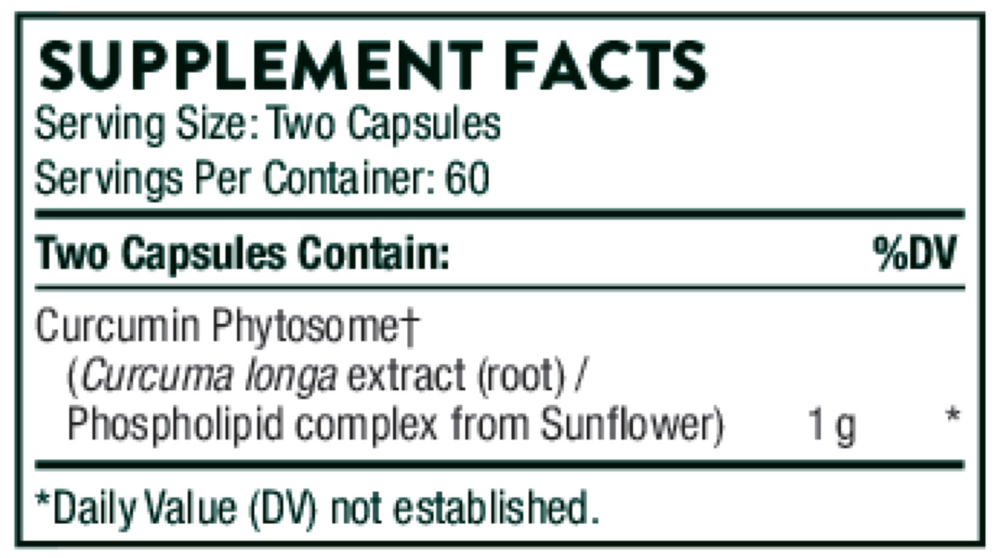

Thorne
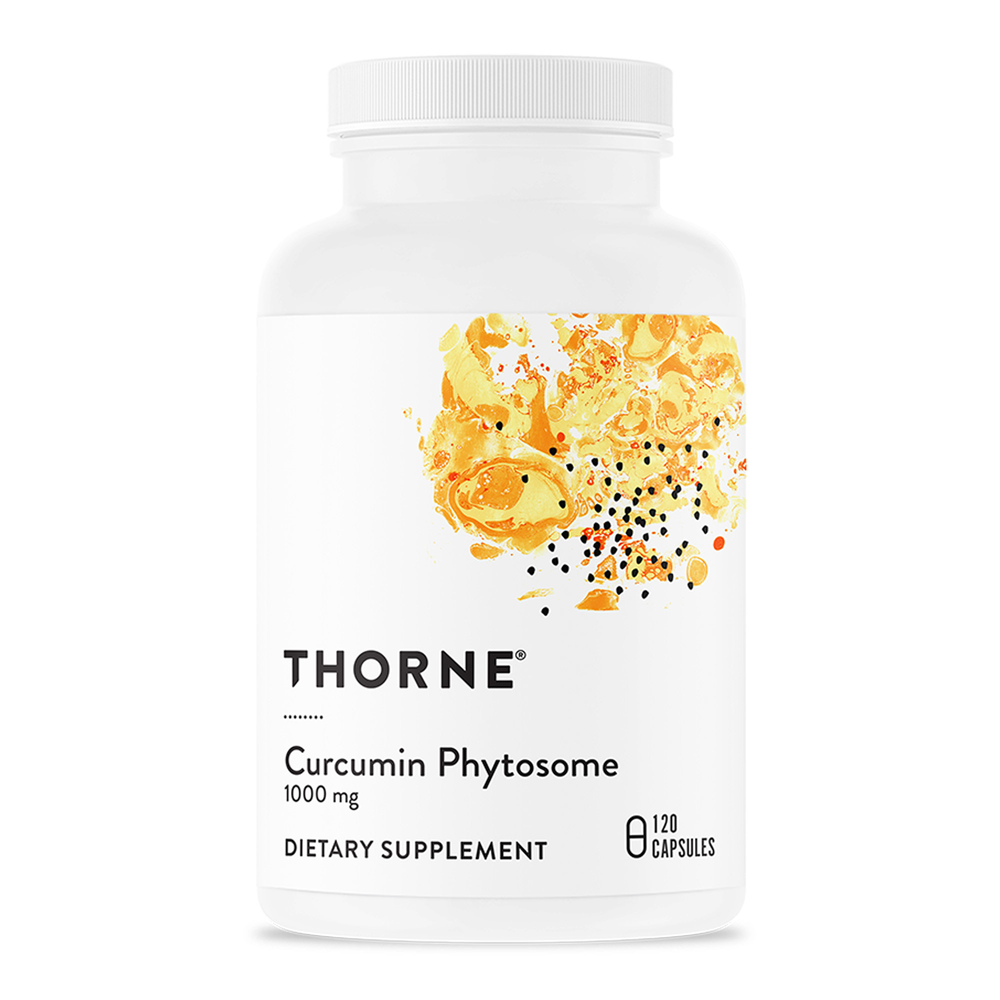
Curcumin Phytosome NSF Sport 1 g by Thorne
120 capsules · 60-day supply
Enhanced Curcumin for Joint Health and Inflammation Support$68.00
Purchase options
Practitioner-grade brand3rd-party testedFree shipping $50+
Gluten Free·Soy Free·Dairy Free·Milk Free
Thorne Curcumin Phytosome NSF Sport overview
Knee or hand osteoarthritis is where curcumin phytosome earns its keep. If stiffness and activity-related pain are your main issues, this form of curcumin has human trials showing meaningful improvements in pain and function within 4 to 8 weeks. It’s also reasonable when your hs-CRP (a blood marker of systemic inflammation) runs high or you’re easing off frequent NSAID use and want a non-drug option. Vegans and those avoiding turmeric-heavy diets benefit from a reliable, standardized dose.
Curcumin dampens the enzymes and signals that drive inflammatory cascades in cartilage and synovial tissue. The phytosome form binds curcumin to a phospholipid (a fat-like carrier), which markedly improves absorption compared with plain turmeric powder or generic curcumin. Better absorption means steadier blood levels, which aligns with the reductions in joint pain scores and small drops in hs-CRP seen in responders. Unlike black pepper extracts used to boost uptake, the phytosome approach avoids inhibiting drug-metabolizing enzymes.
Take it with a meal that contains some fat, split morning and evening for steadier levels. The label suggests 1–2 capsules twice daily; start at the lower end for a week, then increase if pain relief is modest. Expect symptomatic changes after 2 to 4 weeks, with fuller effects by 8 weeks. If your pain is severe, combine with physical therapy while you assess benefit, then consider tapering dose to a maintenance level.
Skip curcumin if you’re on prescription blood thinners like warfarin or apixaban, or daily antiplatelets like clopidogrel, unless your clinician agrees—curcumin has mild blood-thinning effects. Avoid if you have gallstones or bile duct obstruction, as it can stimulate bile flow. Pregnancy: avoid high-dose curcumin; food-level turmeric is fine. Stop and check liver enzymes if you develop jaundice, dark urine, or right‑upper abdominal pain.
Frequently asked questions
How long does curcumin phytosome take to work for joint pain?
Most people notice some relief within 2 to 4 weeks, with clearer changes by 8 weeks. Give it a full 8-week trial alongside activity and physical therapy before judging.
Is curcumin the same as turmeric?
Turmeric is the spice; curcumin is one of its active compounds. Curcumin phytosome is a concentrated extract attached to a phospholipid to improve absorption versus turmeric powder.
Should I take curcumin with food or on an empty stomach?
Take it with food, ideally a meal that includes some fat. Curcumin is fat-soluble, and food improves tolerance and absorption.
Does curcumin thin your blood?
It has mild anti-platelet effects. If you take warfarin, apixaban, rivaroxaban, clopidogrel, or aspirin daily, check with your clinician before using it and stop before surgery as advised.
What’s the difference between phytosome curcumin and curcumin with black pepper?
Both aim to raise absorption. Piperine (black pepper) does this by slowing drug breakdown, which can interact with medications. The phytosome uses a phospholipid carrier and avoids that interaction.
Can I take curcumin with NSAIDs like ibuprofen?
Generally yes for short periods, but monitor for stomach upset. If you rely on daily NSAIDs, discuss curcumin with your clinician and reassess pain and function over 4–8 weeks.
Is curcumin safe for long-term use?
It’s well tolerated in studies up to 6–12 months. Occasional loose stools or nausea can occur. Rarely, supplements have been linked to liver enzyme elevations—stop if you notice jaundice or dark urine.
Can I use curcumin if I have gallstones?
Best to avoid. Curcumin can stimulate bile flow, which may worsen biliary colic in people with gallstones or bile duct obstruction.
How to take it & ingredients
Suggested use: Take 1-2 capsules two times daily or as recommended by your health professional.
Active ingredients
2 capsules per serving · 60 servings
Curcumin Phytosome
Curcuma longa extract (root) / Phospholipid complex from sunflower
Curcuma longa extract (root) / Phospholipid complex from sunflower
1 g
Other ingredients: Hypromellose (derived from cellulose) capsule, Leucine, Calcium Laurate, Silicon Dioxide, Calcium Citrate, Microcrystalline Cellulose
Certifications
Benefits
Warnings
Customers also considered
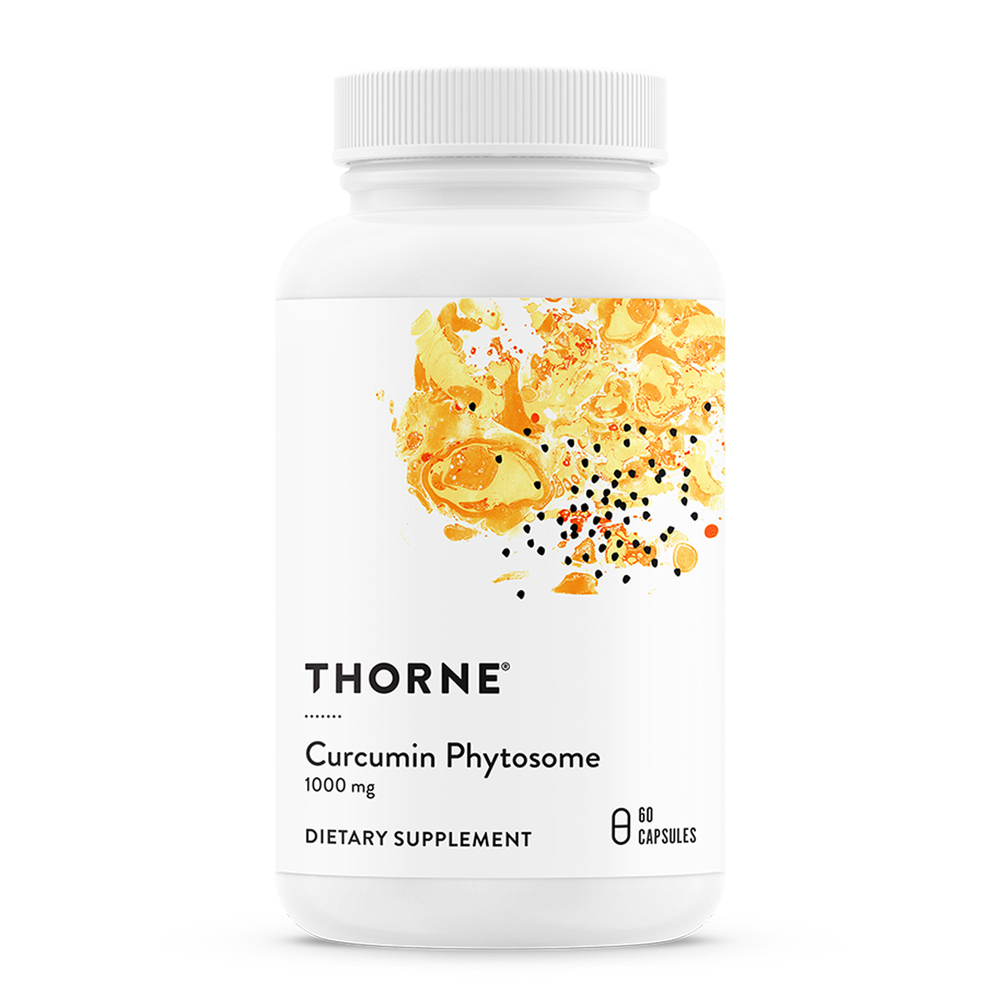
Curcumin Phytosome
Thorne
60 capsules
$36.00$32.40 with Subscribe & Save
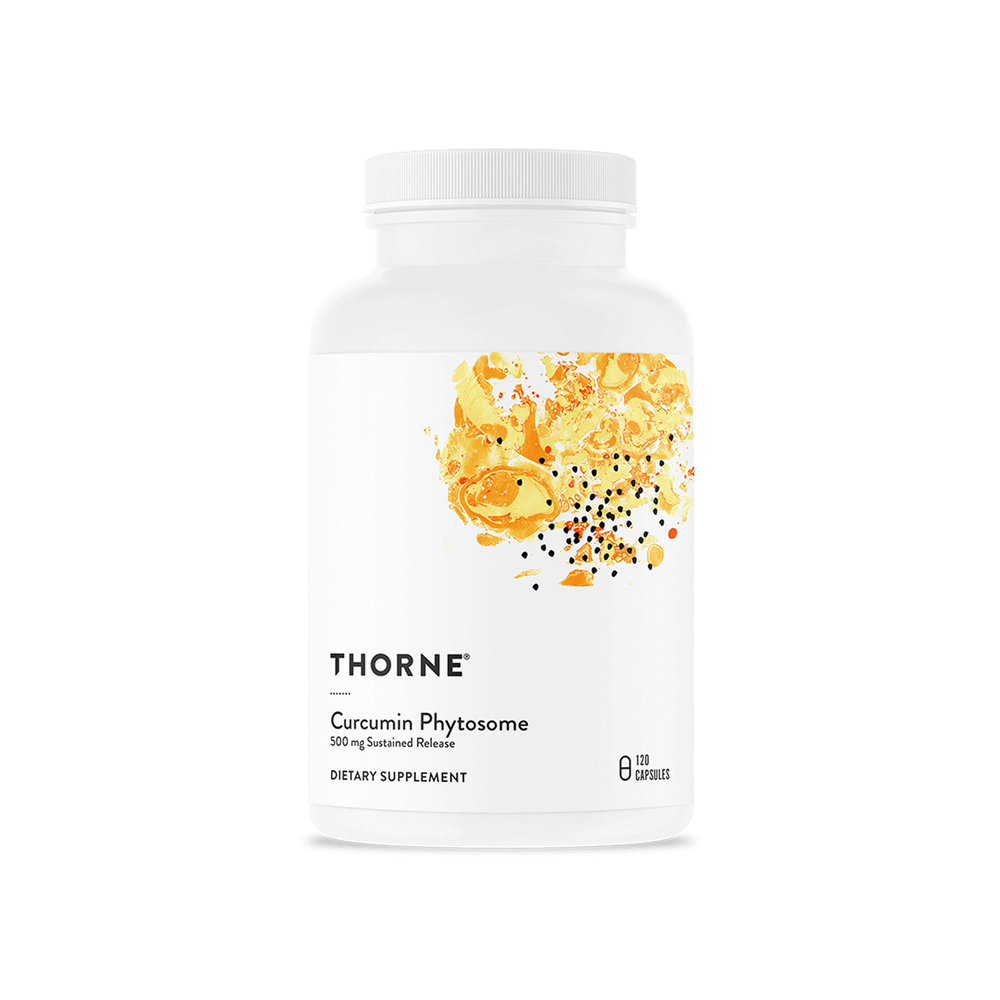
Curcumin Phytosome Sustained Released
Thorne
120 capsules
$49.00$44.10 with Subscribe & Save
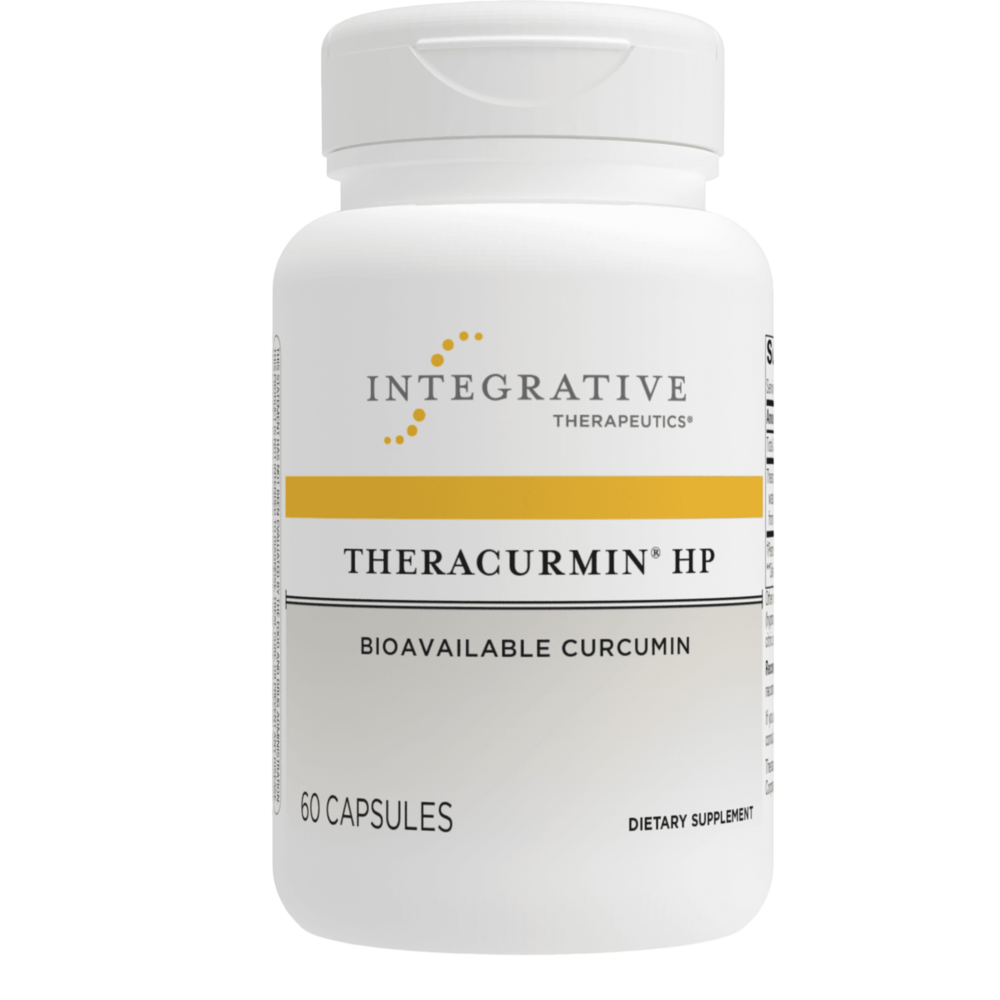
Theracurmin HP
Integrative Therapeutics
60 capsules
$56.99$45.99 with Subscribe & Save
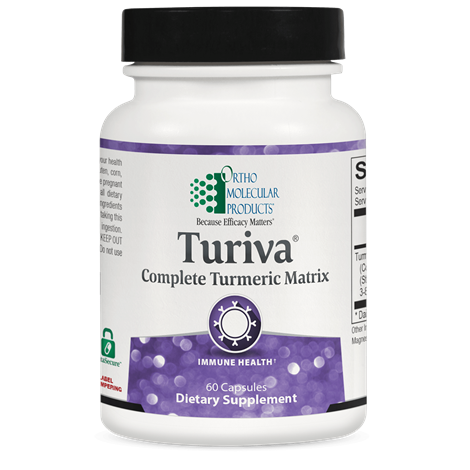
Turiva®
Ortho Molecular Products
60 capsules
$70.10$63.15 with Subscribe & Save