 Instalab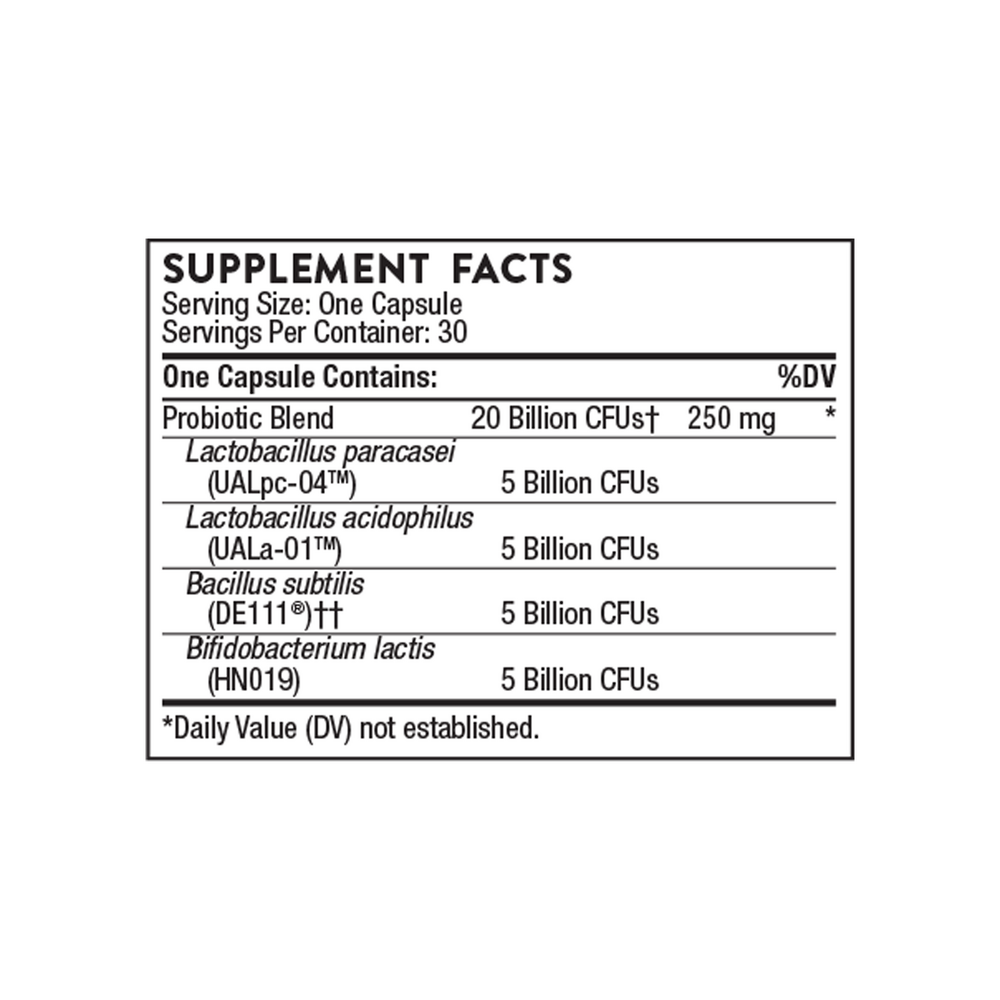



Thorne
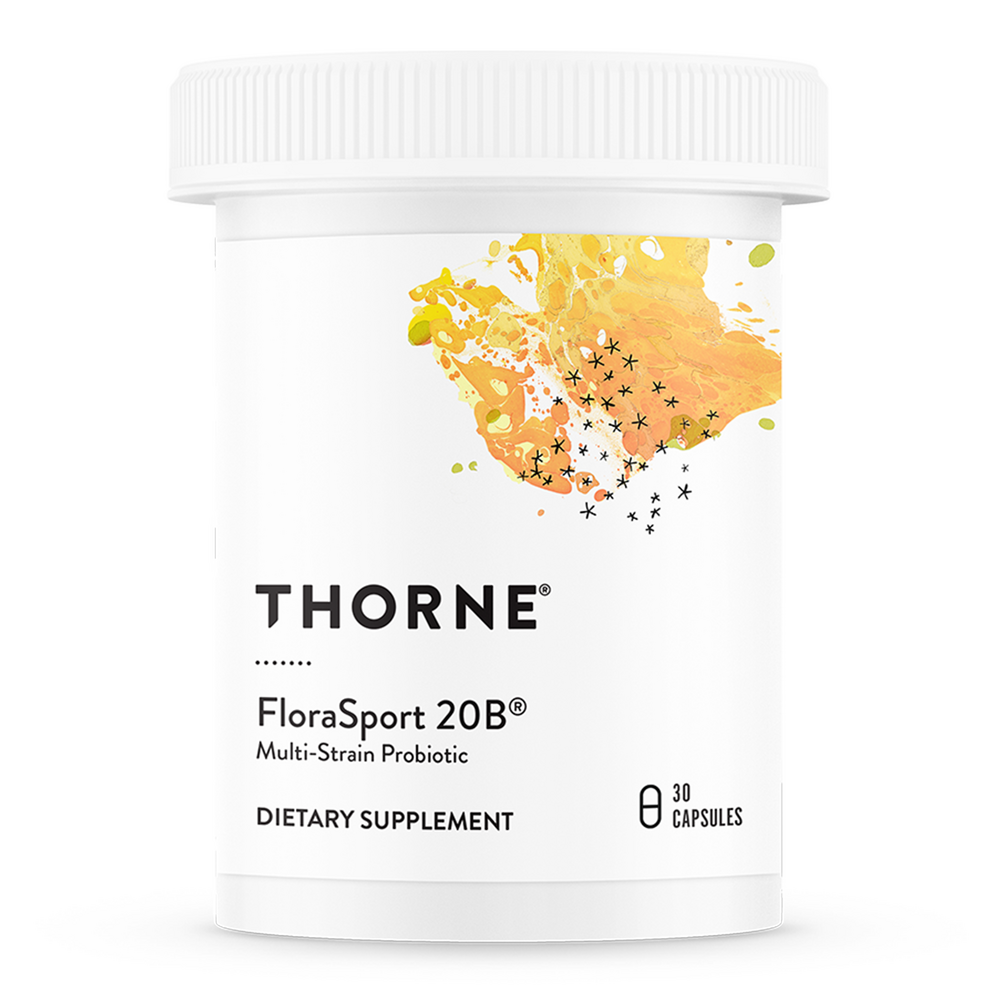
FloraSport 20B by Thorne
30 capsules · 30-day supply
Daily Probiotic Support for Digestive Health and Immune Function$42.00
Purchase options
Practitioner-grade brand3rd-party testedFree shipping $50+
Gluten Free·Soy Free·Dairy Free·Milk Free
Thorne FloraSport 20B overview
Training hard, traveling for events, or taking antibiotics are the main reasons to keep a probiotic on hand. This 20 billion CFU capsule fits athletes who want an NSF Certified for Sport probiotic with clean testing, frequent travelers aiming to keep regularity, and anyone starting or finishing an antibiotic course. If you struggle with bloating and irregularity, a daily probiotic is worth a 4–8 week trial before more invasive workups.
Probiotics add living strains that compete with gas‑producing microbes, make short‑chain fatty acids (fuel for your colon cells), and reinforce tight junctions (the seals that keep the gut barrier from getting leaky). They also nudge immune balance by increasing secretory IgA (the antibody that lines the gut) and trimming overly reactive signaling. In practice, that shows up as fewer loose stools on antibiotics and milder upper respiratory infections in heavy training blocks.
Take one capsule with a meal. With antibiotics, separate the probiotic by at least two to three hours so fewer organisms are killed on contact, and continue for one to two weeks after the last antibiotic dose. For travel, start daily use five to seven days before departure and keep it up while away. Expect gut changes within 1–2 weeks, with steadier results by weeks 4–8.
Avoid probiotics if you are severely immunocompromised, have a central venous catheter, are in intensive care, or have had severe pancreatitis, unless your physician specifically recommends it. If you have small intestinal bacterial overgrowth (SIBO, excess microbes in the small bowel), probiotics can sometimes worsen bloating; consider a clinician‑guided plan first. During active fevers or unexplained infections, pause and discuss with your doctor.
Frequently asked questions
Do probiotics help after antibiotics?
Yes. Taken a few hours away from the antibiotic and continued 1–2 weeks after, probiotics reduce the risk of antibiotic‑associated diarrhea for many people. Start on day one of antibiotics if possible.
How long does a probiotic take to work for bloating?
Some people notice less gas within 1–2 weeks, but a fair trial is 4–8 weeks. If you see no change by week 8, reassess diet, fiber, and consider testing with a clinician.
Does this probiotic need refrigeration?
It’s formulated for reliable potency and commonly sold as shelf‑stable. Store it cool and dry, away from heat. Check the label storage note on your bottle for specifics.
Can I open the probiotic capsule?
You can open and mix the contents with cool food or drink. Avoid hot liquids, which can damage the live organisms. Take the full contents at once for the intended dose.
Is a probiotic safe during pregnancy or breastfeeding?
Generally, probiotics are considered low risk in healthy pregnancy and breastfeeding. If you have a high‑risk pregnancy or medical complications, confirm with your obstetric clinician before starting.
Will a probiotic interact with medications?
Probiotics don’t interact with most drugs. The main issue is timing with antibiotics—separate by 2–3 hours. If you’re on immunosuppressants or have a central line, talk to your doctor first.
Does a probiotic help athletes get sick less?
In athletes, certain probiotic blends have been shown to reduce days with upper respiratory symptoms during heavy training. Effects are modest and build over several weeks of daily use.
What CFU count do I need in a probiotic?
For daily maintenance, 10–20 billion CFU is a common, evidence‑based range. Higher isn’t always better; strain quality, clean testing (like NSF for Sport), and consistent daily use matter more.
How to take it & ingredients
Suggested use: Take 1 capsule daily with a meal or as recommended by your health professional.
Active ingredients
1 capsule per serving · 30 servings
▼
Probiotic Blend
20 billion CFU
Lactobacillus paracasei (UALpc-04™)
5 billion CFU
Lactobacillus acidophilus (UALa-01™)
5 billion CFU
Bacillus subtilis (DE111®)
5 billion CFU
Bifidobacterium lactis (HN019)
5 billion CFU
Other ingredients: Rice Maltodextrin, Delayed Release Capsule (Hypromellose Methylcellulose, Gellan Gum, Water), Medium Chain Triglycerides
Certifications
Benefits
Warnings
Customers also considered
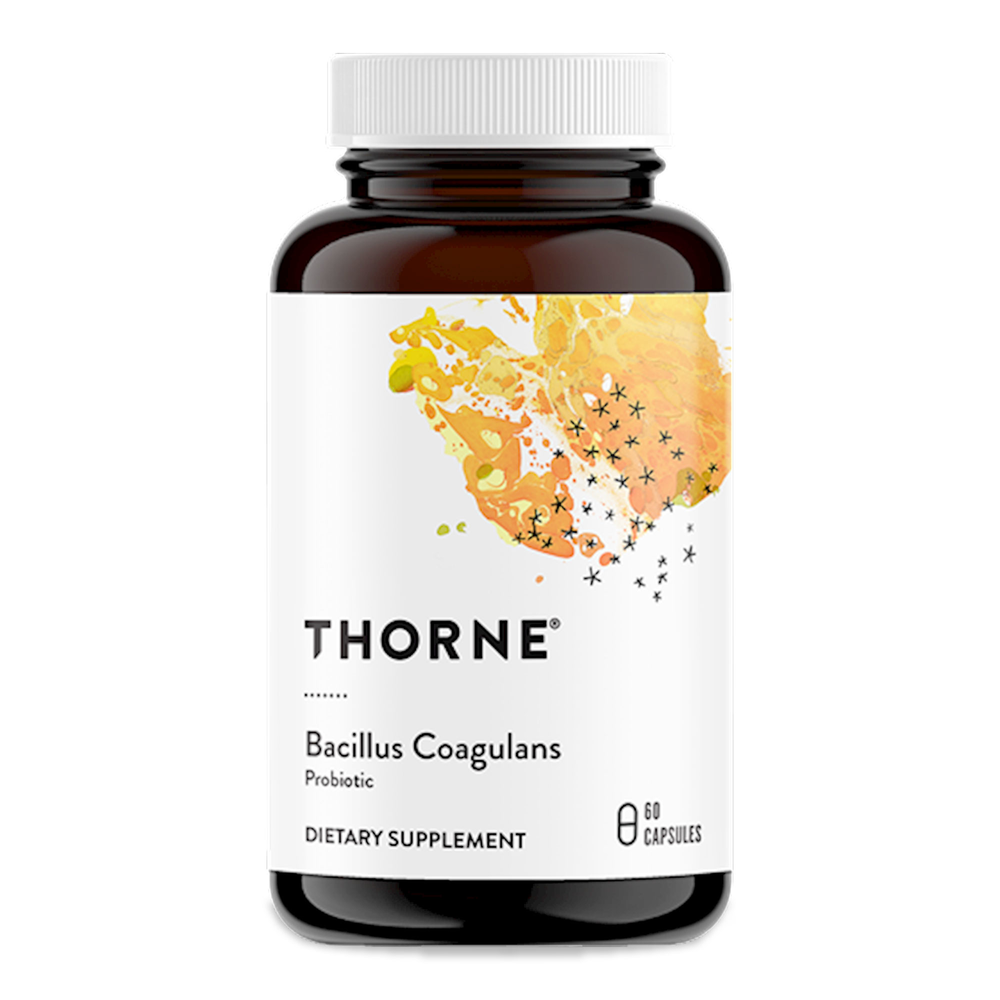
Bacillus Coagulans
Thorne
60 capsules
$33.00$29.70 with Subscribe & Save

Complete Biotic
Thorne
30 packets
$46.00$41.40 with Subscribe & Save
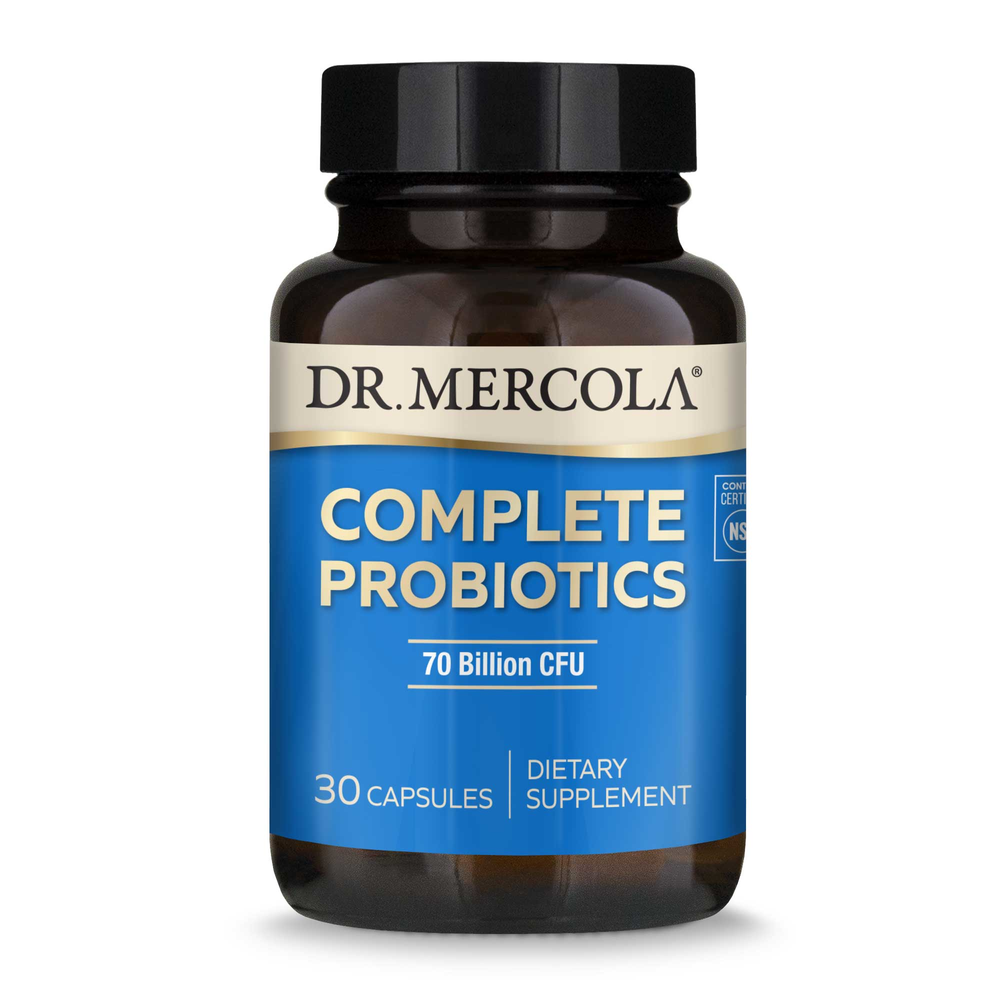
Complete Probiotics 70 Billion CFU
Dr. Mercola
30 capsules
$46.99$37.99 with Subscribe & Save
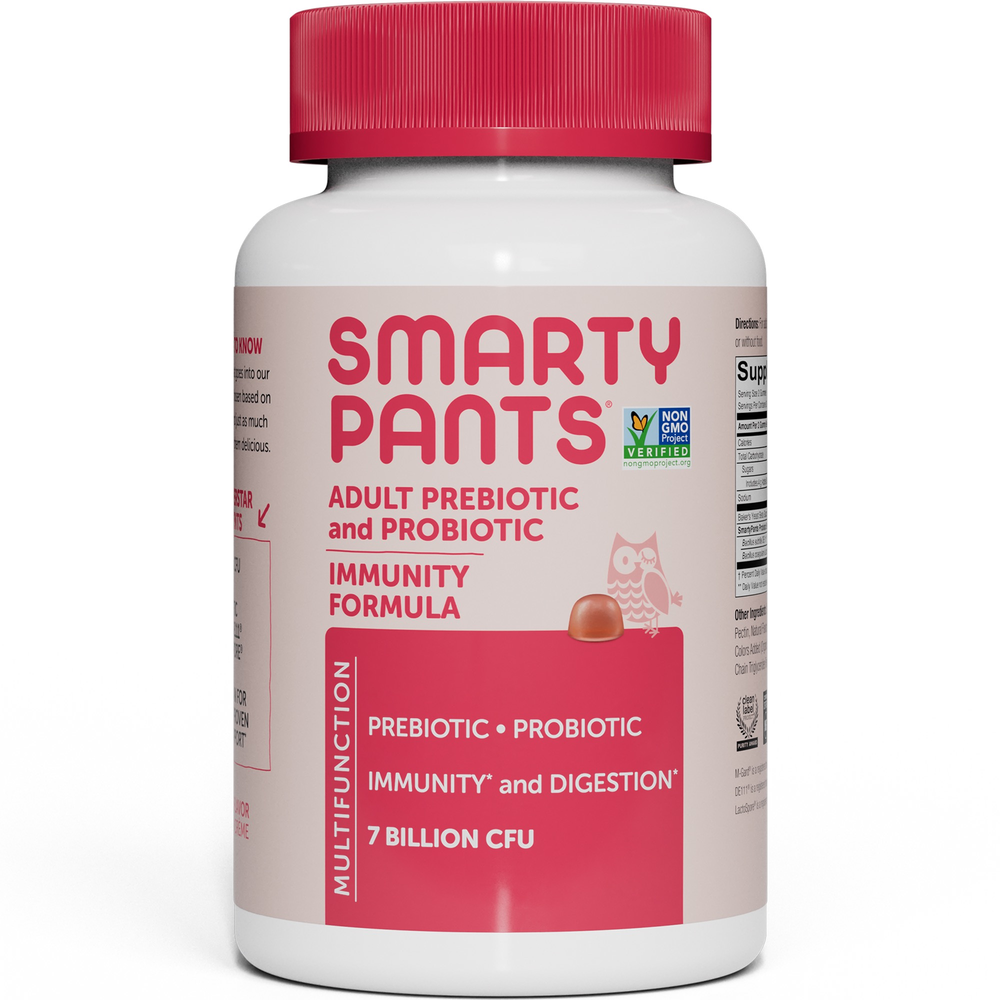
Digestive Probiotic & Prebiotic Grape
SmartyPants
60 gummies
$36.99$29.99 with Subscribe & Save