 Instalab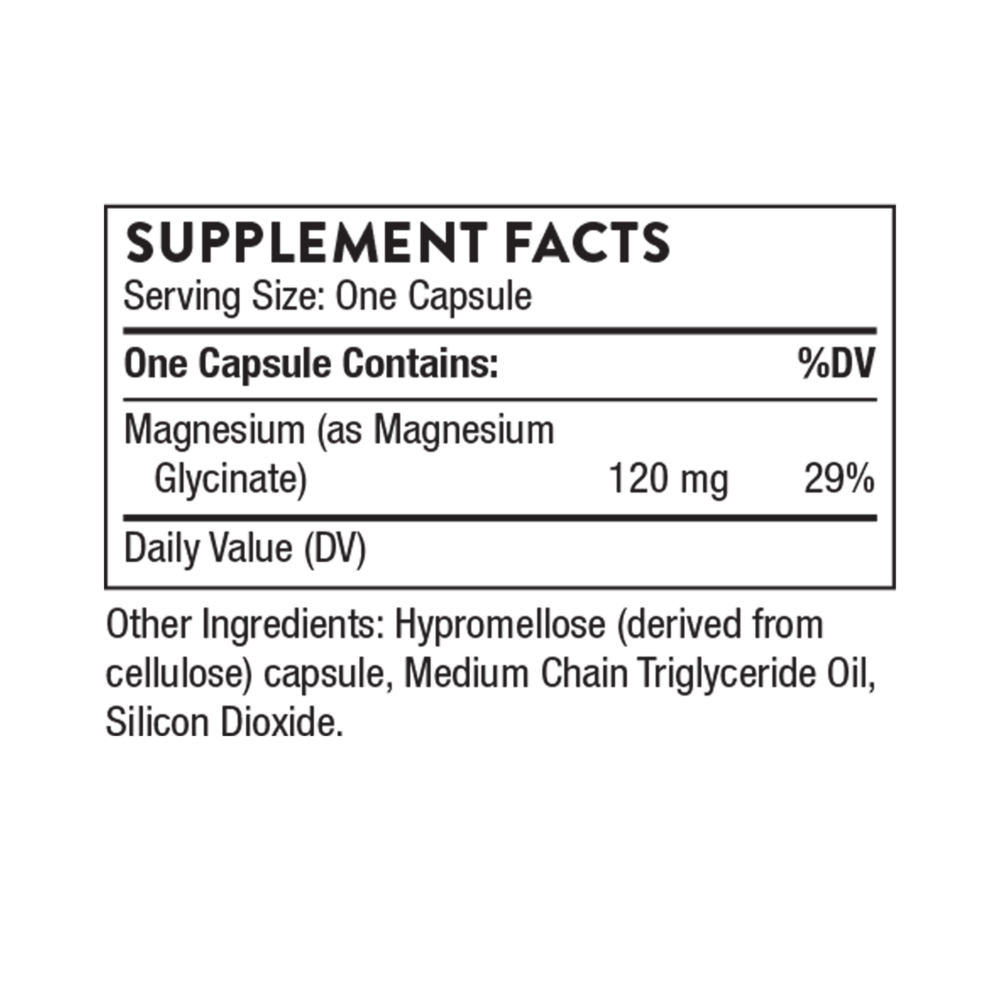


Thorne
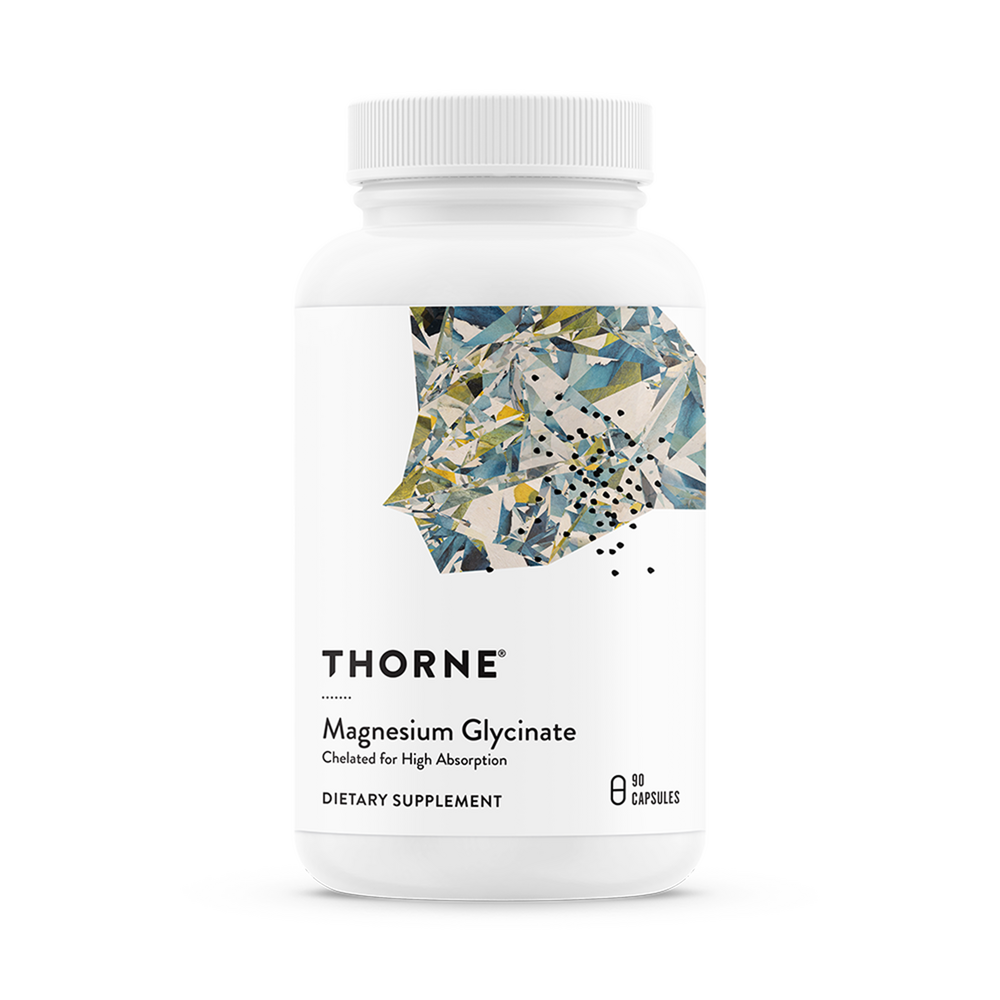
Magnesium Glycinate 120 mg by Thorne
90 capsules · 90-day supply
Supports Relaxation and Muscle Function with Bioavailable Magnesium$26.00
Purchase options
Practitioner-grade brand3rd-party testedFree shipping $50+
Gluten Free·Soy Free·Dairy Free
Thorne Magnesium Glycinate overview
If you’re dealing with muscle tightness at night, restless sleep, or stress that shows up as jaw clenching or twitchy calves, magnesium glycinate is a good fit. It’s also useful if your Serum Magnesium runs low-normal, or your Magnesium, RBC (magnesium inside red blood cells) is low, which often tracks with symptoms. Vegans, heavy exercisers with sweat loss, people on proton pump inhibitors, and those with high caffeine intake are common candidates.
Glycinate is magnesium bound to glycine, an amino acid with a calming effect at NMDA receptors (a nerve signal gateway tied to excitability). This chelated form absorbs well and is gentler on the gut than oxide or high-dose citrate, so you get magnesium into cells without a laxative tradeoff. Adequate magnesium steadies nerve firing, relaxes muscle after contraction, and helps enzymes that regulate energy and glucose handling, which is why cramps and sleep often improve.
Thorne’s capsule provides 120 mg per dose. Take one capsule with an evening meal for sleep or muscle goals; if needed, add a second capsule 1–2 hours before bed. Daytime stress or tension often responds to dividing doses morning and evening. Repletion usually takes 4–8 weeks, then you can step down to the lowest dose that keeps symptoms quiet. If your levels are very low, you’ll likely need a higher total daily amount under clinician guidance.
Separate magnesium from tetracycline or quinolone antibiotics, levothyroxine, and bisphosphonates by at least 4 hours, since minerals reduce their absorption. Diuretics can raise or lower magnesium needs, so check labs if you use them. Advanced kidney disease is a reason to avoid unsupervised magnesium due to buildup risk. For blood pressure drugs, magnesium can have a small additive lowering effect—monitor if you’re sensitive to drops.
Frequently asked questions
What is magnesium glycinate good for?
It’s best for sleep quality, muscle relaxation, and gentle magnesium repletion without loosening stools. Because it absorbs well, it can raise Magnesium, RBC within 4–8 weeks when intake was low. If constipation is your goal, citrate or oxide is more laxative than glycinate.
When is the best time to take magnesium glycinate?
Evening is ideal if you’re targeting sleep or nighttime muscle tightness. If you’re using it for daytime stress or tension headaches, split the dose morning and evening. Take it with food if you notice any mild nausea on an empty stomach.
How much magnesium glycinate should I take per day?
120–240 mg elemental magnesium daily is a common maintenance range. Some people need 300–400 mg for a few weeks if levels are low, then step down. Start low, assess sleep and muscle symptoms, and adjust. Work with a clinician if you have kidney issues or need higher doses.
How long does magnesium glycinate take to work?
For sleep and muscle tension, many people notice a difference within 3–7 days. Lab repletion takes longer—Magnesium, RBC typically shifts over 4–8 weeks. If nothing changes by 2–3 weeks, consider a dose increase or check labs to confirm you were low to begin with.
Does magnesium glycinate cause diarrhea?
It’s one of the least laxative forms. Diarrhea is uncommon at moderate doses, especially when taken with food. If stools loosen, split doses across the day or reduce by one capsule. If you want a bowel-movement effect, magnesium citrate is a better choice.
Can I take magnesium glycinate with antidepressants or sleep meds?
Generally yes, but use common sense. Magnesium adds a mild calming effect, which can be additive with sedatives. Take it 2–4 hours apart from medications where absorption is sensitive, and check with your prescriber if you’re on lithium or complex regimens.
Will magnesium glycinate lower blood pressure?
It can lower systolic and diastolic pressure modestly in people who are magnesium deficient. The effect is usually small and gradual over weeks. If you’re already on blood pressure medication, monitor at home when you start or change your magnesium dose.
How to take it & ingredients
Suggested use: Take 1 capsule one to four times daily or as recommended by your health-care practitioner.
Active ingredients
1 capsule per serving · 90 servings
Magnesium
As Magnesium Glycinate
As Magnesium Glycinate
120 mg
Other ingredients: Hypromellose (derived from cellulose) capsule, Medium Chain Triglyceride Oil, Silicon Dioxide
Certifications
Benefits
Warnings
Customers also considered
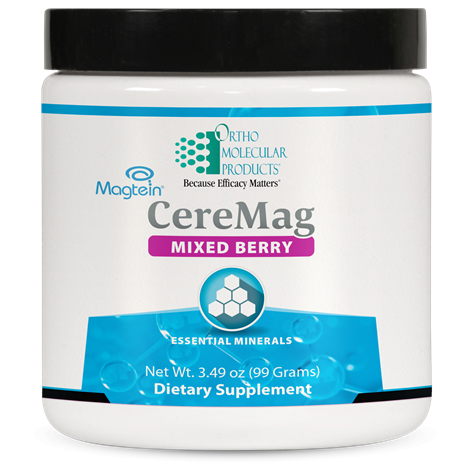
CereMag
Ortho Molecular Products
99 grams
$77.76$70.05 with Subscribe & Save

Dr. Formulated Magnesium Raspberry
Garden of Life
197.4 grams
$24.99$19.99 with Subscribe & Save

Dual-Mag Complex
Natura Health Products
90 capsules
$22.99$17.99 with Subscribe & Save

Mag Threonate
Ortho Molecular Products
60 capsules
$78.64$70.85 with Subscribe & Save