 Instalab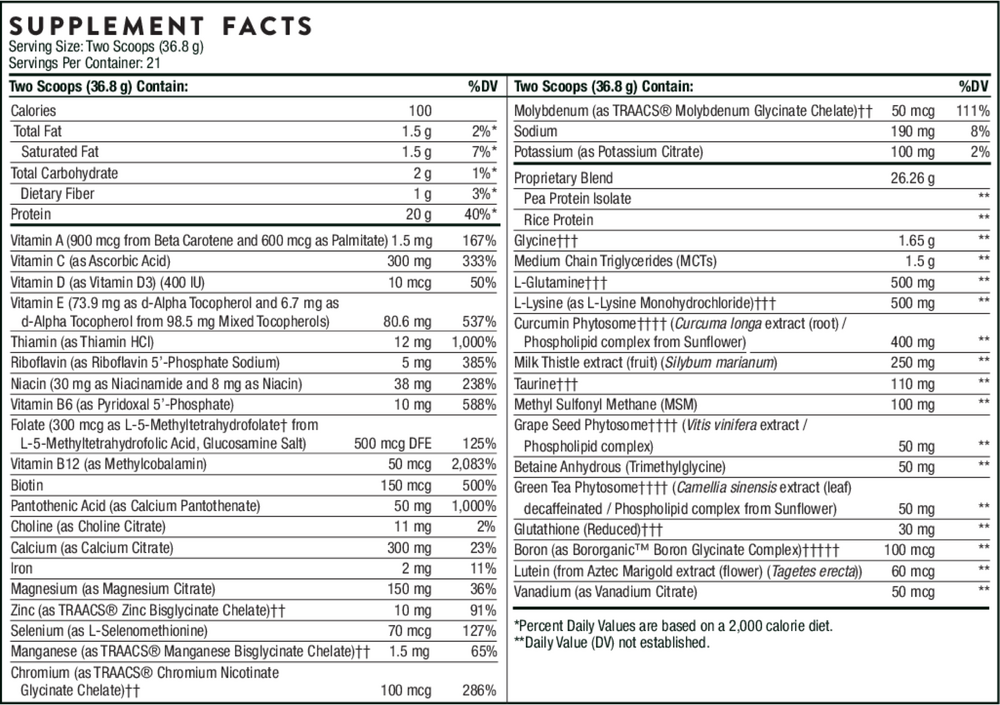
Thorne
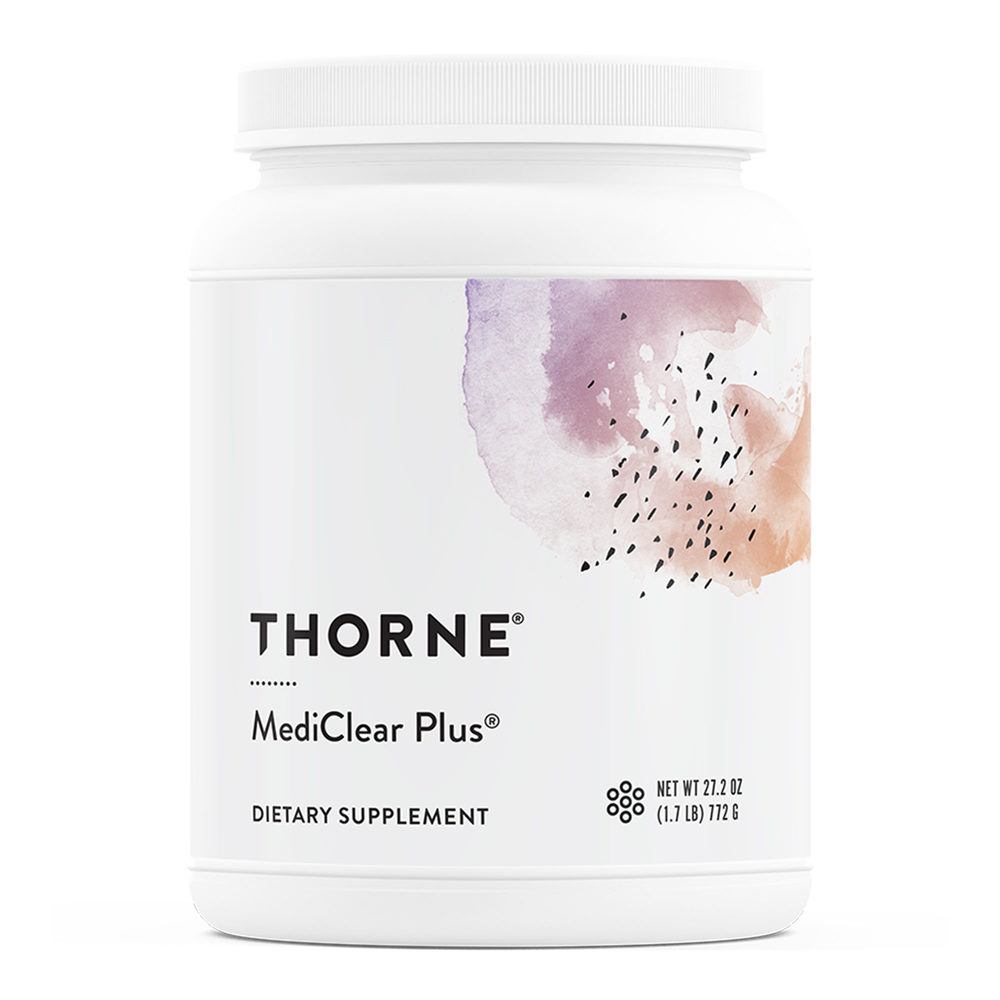
MediClear Plus by Thorne
772 grams · 20-day supply
Comprehensive Nutritional Support for Optimal Health and Wellness$75.00retail
Add to cart for 20% off
Purchase option
20% below MSRP3rd-party tested for purity & potencyFree shipping $50+
Gluten Free·Dairy Free·Milk Free
Thorne MediClear Plus overview
If you’re running an elimination diet or want a low-allergen shake that actually feeds liver clearance pathways, this detox protein powder fits. It’s useful when liver enzymes (ALT, AST, GGT on a metabolic panel) run high, if your homocysteine (a methylation byproduct) is elevated, or if your Omega-3 Index and choline intake are low. The pea-and-rice base suits dairy- and soy-avoiders, and the balanced B vitamins make it practical as a once-daily anchor during a 2–8 week reset.
Your liver transforms compounds in two steps. Step one makes them more reactive; step two tags them for exit. This formula supplies the taggers: glycine, glutamine, and taurine feed conjugation (the attachment step); methylfolate and methylcobalamin provide methyl groups for methylation (a chemical tag); and glutathione supports antioxidant defense. Milk thistle (silymarin) and green tea polyphenols protect liver cells, while curcumin phytosome is better absorbed than plain curcumin and can lower inflammation markers like hs-CRP in responders. Choline and betaine help export liver fat as VLDL particles (the form your liver uses to ship triglycerides).
Mix two scoops in water or a smoothie once daily with food. If you’re new to higher-protein shakes, start at one scoop for 3–4 days, then increase to the full dose to limit bloating. Separate from medications like levothyroxine and certain antibiotics by at least two hours, since minerals and protein can affect absorption. Using it as a meal? Add fiber (chia or psyllium) and a little fat if you want longer satiety.
Curcumin, green tea extract, and milk thistle can interact with blood thinners (warfarin, apixaban, clopidogrel) and some chemotherapy—check with your clinician. Avoid if you have gallbladder obstruction, active bile duct stones, or significant liver disease unless supervised. High-protein powders aren’t ideal if you’re on a protein-restricted plan for kidney disease. Pregnancy and breastfeeding: choose a prenatal and discuss single-ingredient choline instead.
Frequently asked questions
How long does a liver detox supplement like this take to work?
Give it 4–8 weeks. Track objective changes: liver enzymes (ALT, AST, GGT), homocysteine if elevated, and how you feel (digestion, energy). Keep alcohol low and prioritize sleep, or results will be muted.
Can I use this detox protein powder as a meal replacement?
Yes, for short stretches. It’s low in fiber and modest in fat, so add greens, berries, chia or psyllium, and a tablespoon of nut butter or MCT if you want better fullness and glucose stability.
Does MediClear Plus help fatty liver?
It can help the inputs: choline and betaine aid fat export from the liver, and weight loss from replacing a meal matters. Check ALT, AST, and fasting insulin over 8–12 weeks. It’s an adjunct to diet, movement, and limiting alcohol.
Is it vegan and low allergen?
It uses pea and rice protein and is free of dairy and soy. Always review the label for any personal trigger ingredients, but it’s designed as a low-allergen base for elimination plans.
Any side effects I should expect?
The most common are GI changes: fullness, mild bloating, or looser stools when you increase protein or curcumin. Titrate from one scoop and drink extra water. Stop and speak with a clinician if you notice right‑upper abdominal pain.
Can I take it with my medications?
Separate by at least two hours from levothyroxine and certain antibiotics. If you’re on blood thinners or chemotherapy, get clinician approval due to curcumin, green tea extract, and milk thistle interactions.
What labs should I track while using it?
Liver enzymes (ALT, AST, GGT) and homocysteine are the most relevant. If metabolic health is a goal, also follow fasting insulin, triglycerides, and hs-CRP. Recheck in 4–8 weeks.
How to take it & ingredients
Suggested use: Mix two scoops with at least eight ounces of water or other beverage once daily or as directed by your health professional.
Active ingredients
1 scoop = 36.8g per serving · 21 servings
Vitamin A
Beta carotene and Palmitate
Beta carotene and Palmitate
1500 mcg
Vitamin C
Ascorbic acid
Ascorbic acid
300 mg
Vitamin D
Vitamin D3
Vitamin D3
10 mcg
Vitamin E
D Alpha tocopherol
D Alpha tocopherol
80.6 mg
Vitamin B1
Thiamin HCl
Thiamin HCl
12 mg
Vitamin B2
Riboflavin 5 Phosphate Sodium
Riboflavin 5 Phosphate Sodium
5 mg
Niacin
Niacin and Niacinamide
Niacin and Niacinamide
38 mg
Vitamin B5
Pantothenic Acid
Pantothenic Acid
50 mg
Vitamin B6
Pyridoxal 5 Phosphate
Pyridoxal 5 Phosphate
10 mg
Vitamin B12
Methylcobalamin
Methylcobalamin
50 mcg
Folate
L 5 Methyltetrahydrofolate
L 5 Methyltetrahydrofolate
500 mcg
Biotin
Biotin
Biotin
150 mcg
Calcium
Calcium Citrate
Calcium Citrate
300 mg
Magnesium
Magnesium Citrate
Magnesium Citrate
150 mg
Zinc
Zinc Bisglycinate Chelate
Zinc Bisglycinate Chelate
10 mg
Selenium
Selenomethionine
Selenomethionine
70 mcg
Manganese
Manganese Bisglycinate Chelate
Manganese Bisglycinate Chelate
1.5 mg
Molybdenum
Molybdenum Glycinate
Molybdenum Glycinate
50 mcg
Boron
Boron Glycinate Complex
Boron Glycinate Complex
100 mcg
Chromium
Chromium Nicotinate Glycinate
Chromium Nicotinate Glycinate
100 mcg
Vanadium
Vanadium Citrate
Vanadium Citrate
50 mcg
Potassium
Potassium Citrate
Potassium Citrate
100 mg
Sodium
Sodium
Sodium
190 mg
Iron
Iron
Iron
2 mg
Curcumin Phytosome
Meriva Curcumin Phytosome
Meriva Curcumin Phytosome
400 mg
Green Tea Extract
Decaffeinated Green Tea Phytosome
Decaffeinated Green Tea Phytosome
50 mg
Milk Thistle Extract
Silybum marianum
Silybum marianum
250 mg
Grape Seed Phytosome
Leucoselect
Leucoselect
50 mg
Lutein
Aztec Marigold
Aztec Marigold
0.06 mg
L Glutamine
L Glutamine
L Glutamine
500 mg
L Lysine
L Lysine Monohydrochloride
L Lysine Monohydrochloride
500 mg
Glycine
Glycine
Glycine
1650 mg
Taurine
Taurine
Taurine
110 mg
MSM
Methylsulfonylmethane
Methylsulfonylmethane
100 mg
Betaine Anhydrous
Trimethylglycine
Trimethylglycine
50 mg
Choline
Choline Citrate
Choline Citrate
11 mg
L Glutathione
Reduced Glutathione
Reduced Glutathione
30 mg
Pea and Rice Protein Blend
Pea and Rice Protein
Pea and Rice Protein
26.26 g
Medium Chain Triglycerides
MCT Oil
MCT Oil
1500 mg
Other ingredients: Silicon Dioxide, Flavors, Citric Acid, Stevia extract
Certifications
Benefits
Warnings
Customers also considered
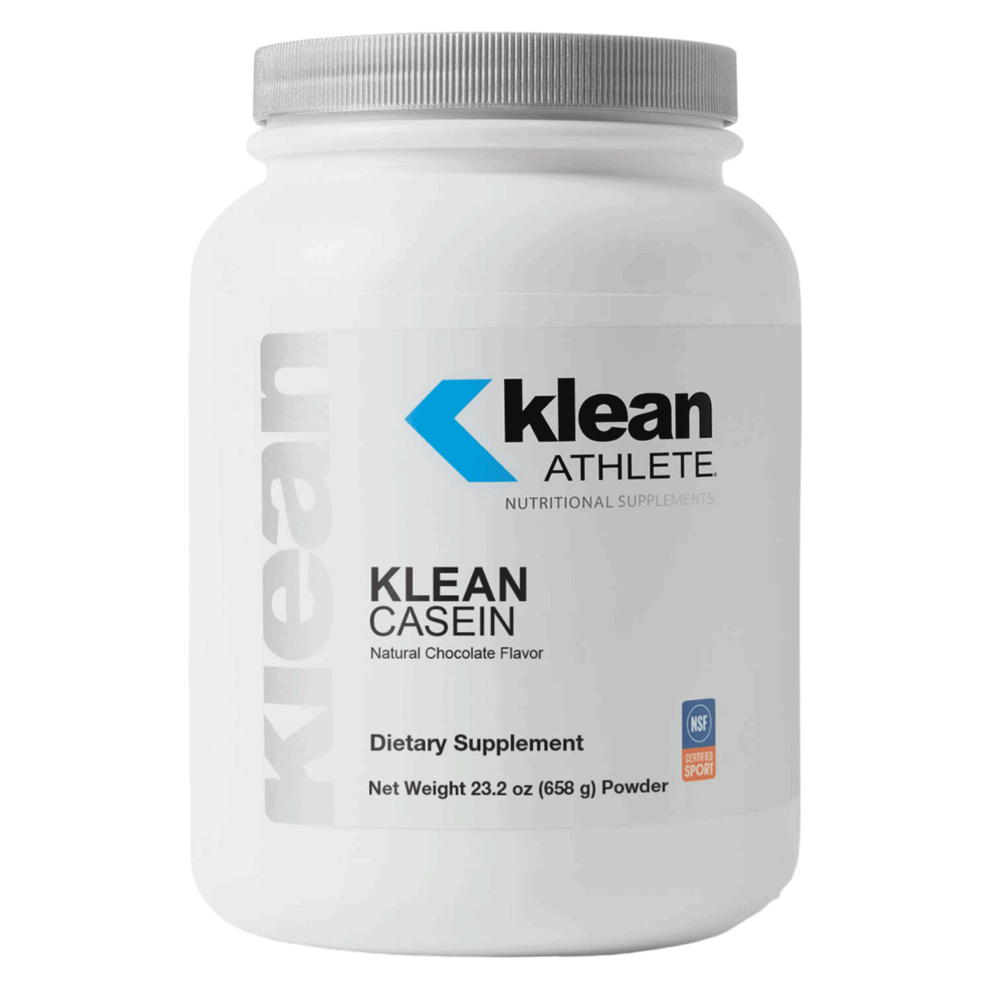
Klean Athlete
Casein Natural Chocolate
658 grams
$68.50
Add to cart for lower price
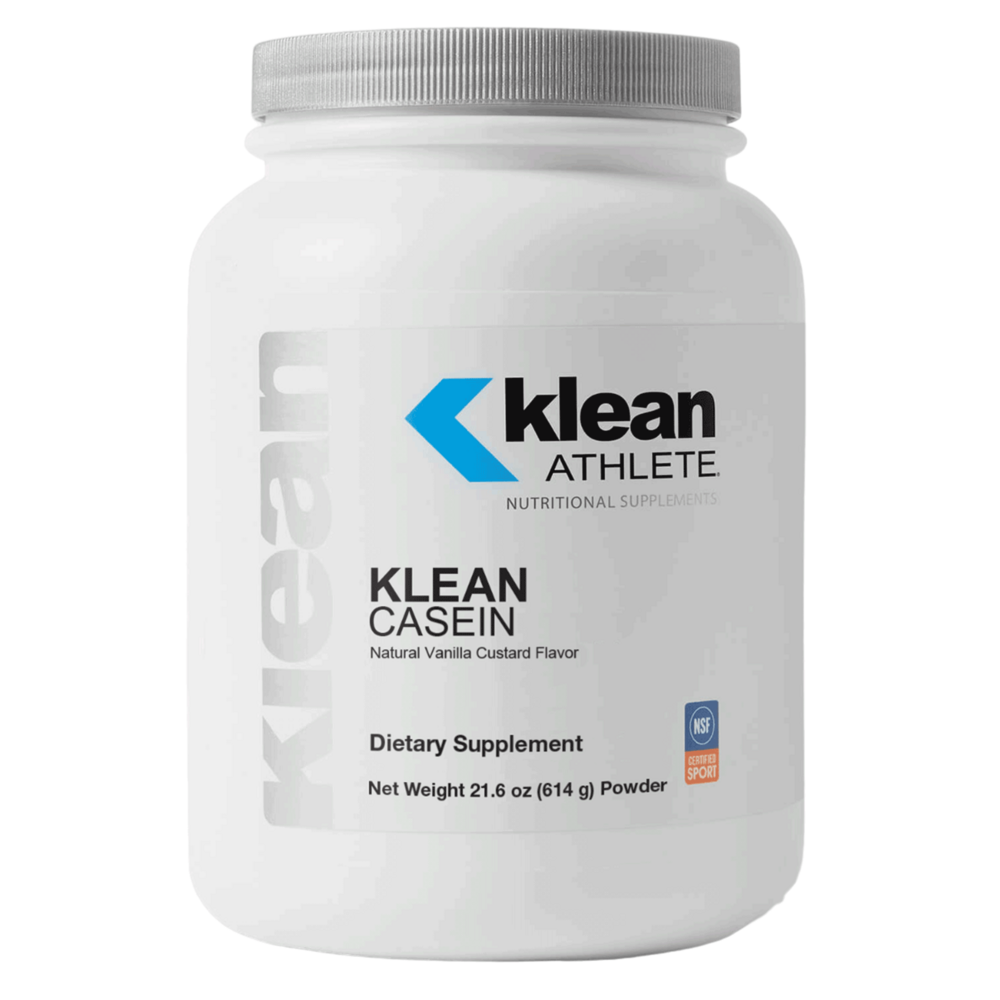
Klean Athlete
Casein Natural Vanilla Custard Flavor
614 grams
$68.50
Add to cart for lower price
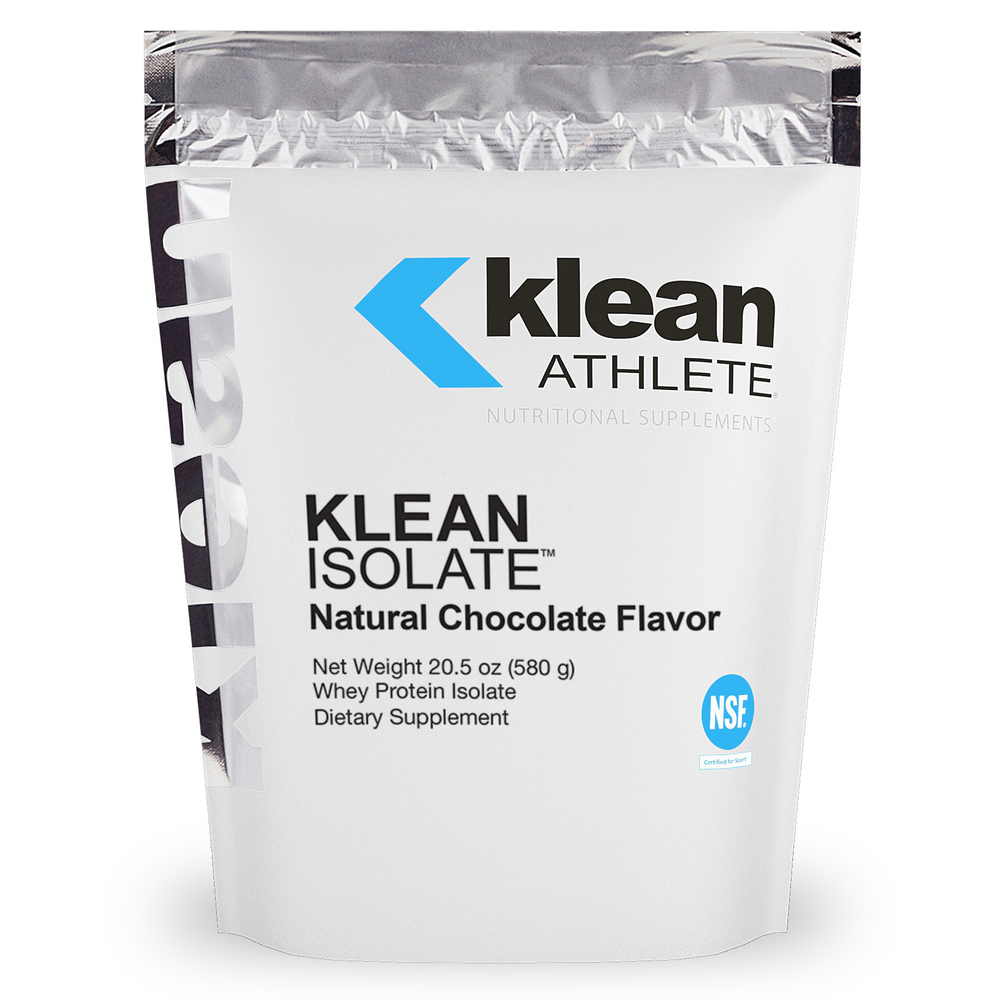
Klean Athlete
Klean Isolate Natural Chocolate
580 grams
$64.50
Add to cart for lower price
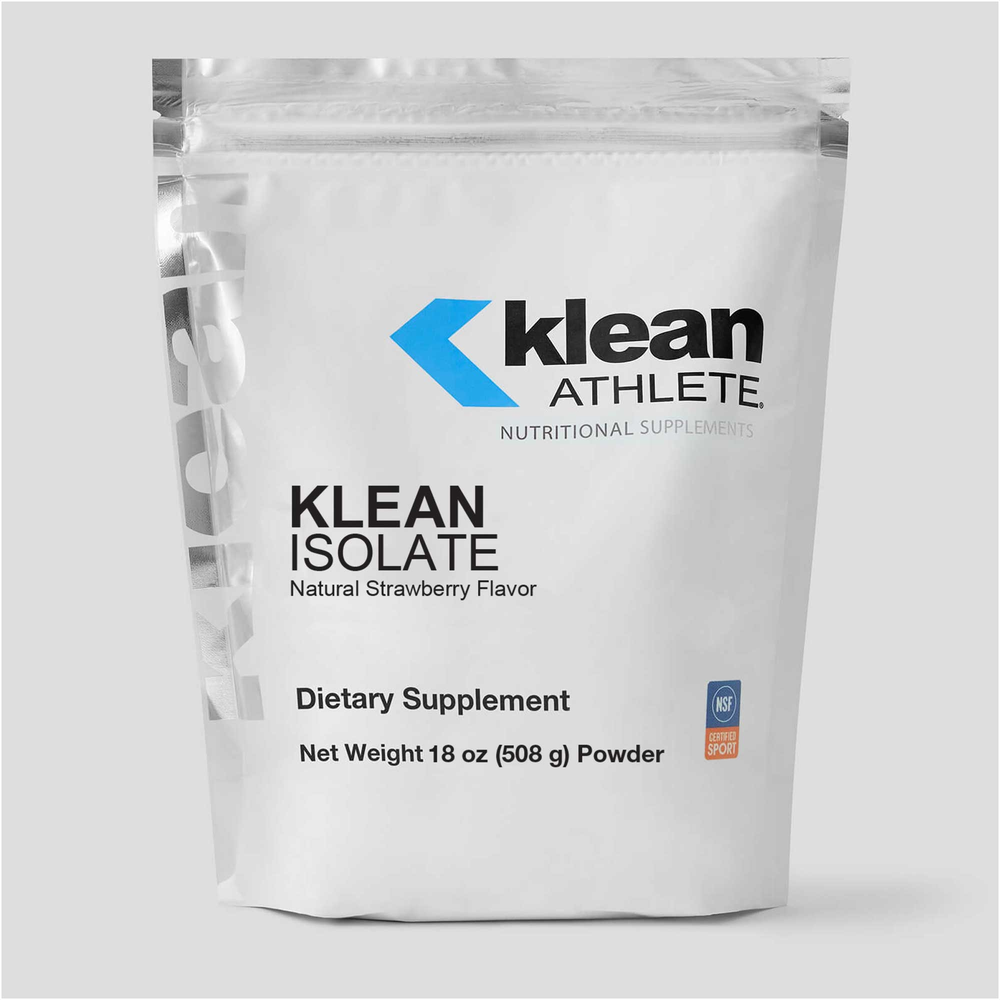
Klean Athlete
Klean Isolate Natural Strawberry
508 grams
$64.50
Add to cart for lower price