 Instalab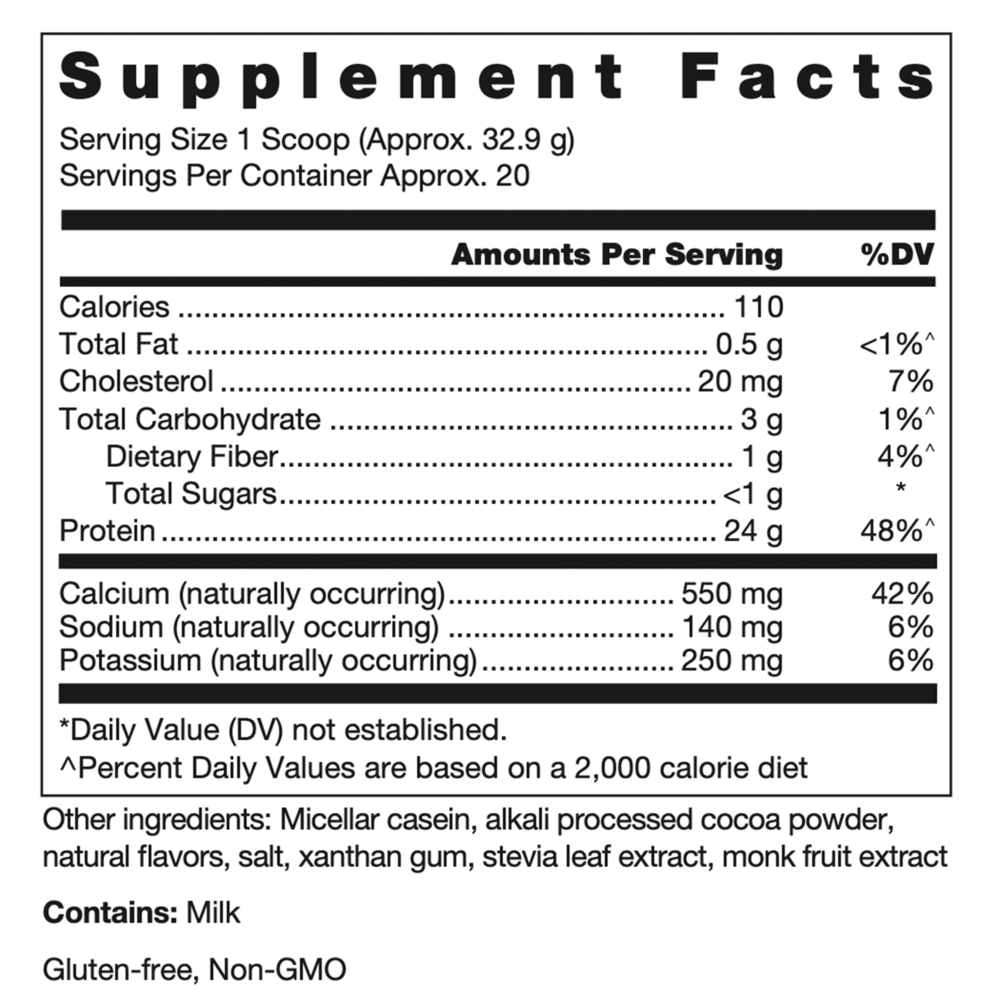

Klean Athlete
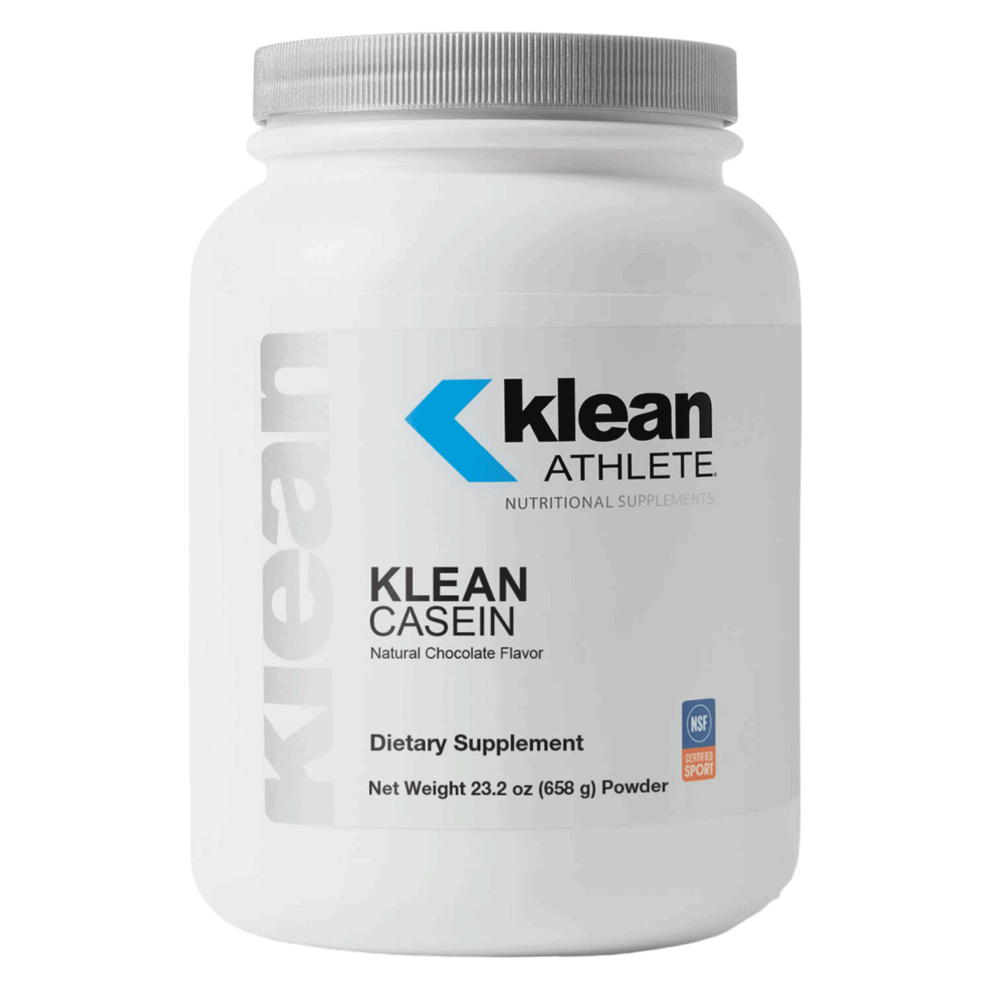
Casein Natural Chocolate by Klean Athlete
658 grams · 20-day supply
Slow-Digesting Protein for Sustained Energy and Muscle Recovery$68.50
Purchase options
Practitioner-grade brand3rd-party testedFree shipping $50+
Gluten Free
Klean Athlete Casein Natural Chocolate overview
Late-evening trainers and anyone who goes long stretches without food get the most from casein protein. Its slow release covers the overnight gap when muscles are repairing, which matters if your daily protein is hit-or-miss or you’re leaning out and want to limit muscle loss. It’s also useful for athletes with early-morning sessions who can’t eat a full meal, and for people who prefer steadier appetite control between meals compared with faster proteins like whey.
Micellar casein forms a gentle gel in the stomach that releases amino acids for 6–8 hours, which helps reduce muscle protein breakdown while you sleep. You still get enough leucine (the amino acid that triggers muscle building) per scoop to stimulate muscle protein synthesis, the process of building new muscle proteins, but with a longer tail than whey. The naturally occurring calcium and potassium contribute to electrolyte repletion from training, while the minimal lactose content keeps digestion easier than many dairy foods.
Mix one scoop with 10–12 ounces of water or your preferred milk 30–60 minutes before bed for overnight coverage, or use it between meals when you’ll be busy for hours. After training, whey is still the faster option; casein protein fits when you want sustained release. One scoop (24 g protein) is a solid serving for most adults; larger athletes can use 1.5 scoops. It mixes thicker than whey, so use more liquid and shake longer for a smooth texture.
This is a dairy protein, so avoid it with a true milk allergy; lactose intolerance is usually manageable because casein is low in lactose. High-protein shakes can reduce absorption of levodopa (a Parkinson’s drug), so separate doses. The naturally occurring calcium can bind certain antibiotics like tetracyclines and quinolones; take those medicines at a different time. If you have known kidney disease, take any protein supplement only with clinician guidance.
Frequently asked questions
Casein vs whey: which is better after a workout?
Whey is better immediately after training because it digests faster and spikes amino acids quickly. Casein protein shines before bed or between meals when you want a slow, steady release to limit overnight muscle breakdown.
When should I take casein protein for best results?
Take it 30–60 minutes before bed or any time you’ll go several hours without eating. That timing keeps amino acids available through the night or during long work blocks, supporting muscle maintenance and recovery.
Is casein protein good for weight loss?
It can help during a calorie deficit by reducing hunger and preserving lean mass. The slow digestion increases fullness compared with many proteins. Calorie balance still drives fat loss, so use it to hit protein targets within your plan.
Does casein protein have lactose?
It contains little lactose compared with milk. Many lactose-intolerant people tolerate casein protein, especially with water, but those with severe intolerance or a milk allergy should avoid it or choose a non-dairy protein.
How long until I notice results from casein?
Sleep-through recovery and reduced next-day soreness are often noticed within 1–2 weeks of consistent use. Visible changes in muscle or body composition typically take 4–8 weeks, assuming your training and total daily protein are on point.
Can I take casein with medications?
Separate it from tetracycline or quinolone antibiotics and from levodopa, since protein or calcium can reduce absorption. If you take thyroid, osteoporosis, or iron medicines, spacing by a few hours is prudent. Ask your clinician for specifics.
Is casein a complete protein?
Yes. Casein protein provides all essential amino acids, including leucine, which triggers muscle building. One scoop typically reaches the leucine threshold for many adults, making it effective for recovery and maintenance.
Is casein protein vegan?
No. Casein comes from dairy. If you avoid animal products, consider a blend of pea and rice proteins to cover the full amino acid profile and aim for similar protein per serving.
How to take it & ingredients
Suggested use: Take one scoop mixed with 10 to 12 ounces of water or preferred beverage daily or as directed by a trainer, coach, or health professional.
Active ingredients
1 scoop = 32.9 grams per serving · 20 servings
Calcium
Naturally occurring
Naturally occurring
550 mg
Potassium
Naturally occurring
Naturally occurring
250 mg
Sodium
Naturally occurring
Naturally occurring
140 mg
Protein
Micellar casein
Micellar casein
24 g
Other ingredients: Micellar casein, Alkali processed cocoa powder, Natural flavors, Salt, Xanthan gum, Stevia leaf extract, Monk fruit extract
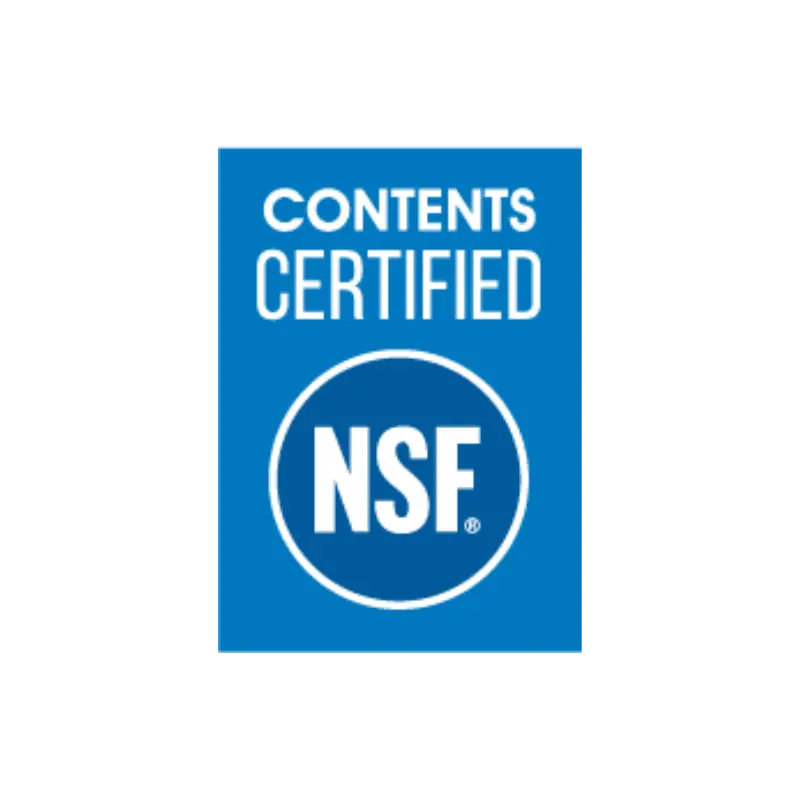
Certifications
Benefits
Warnings
Customers also considered
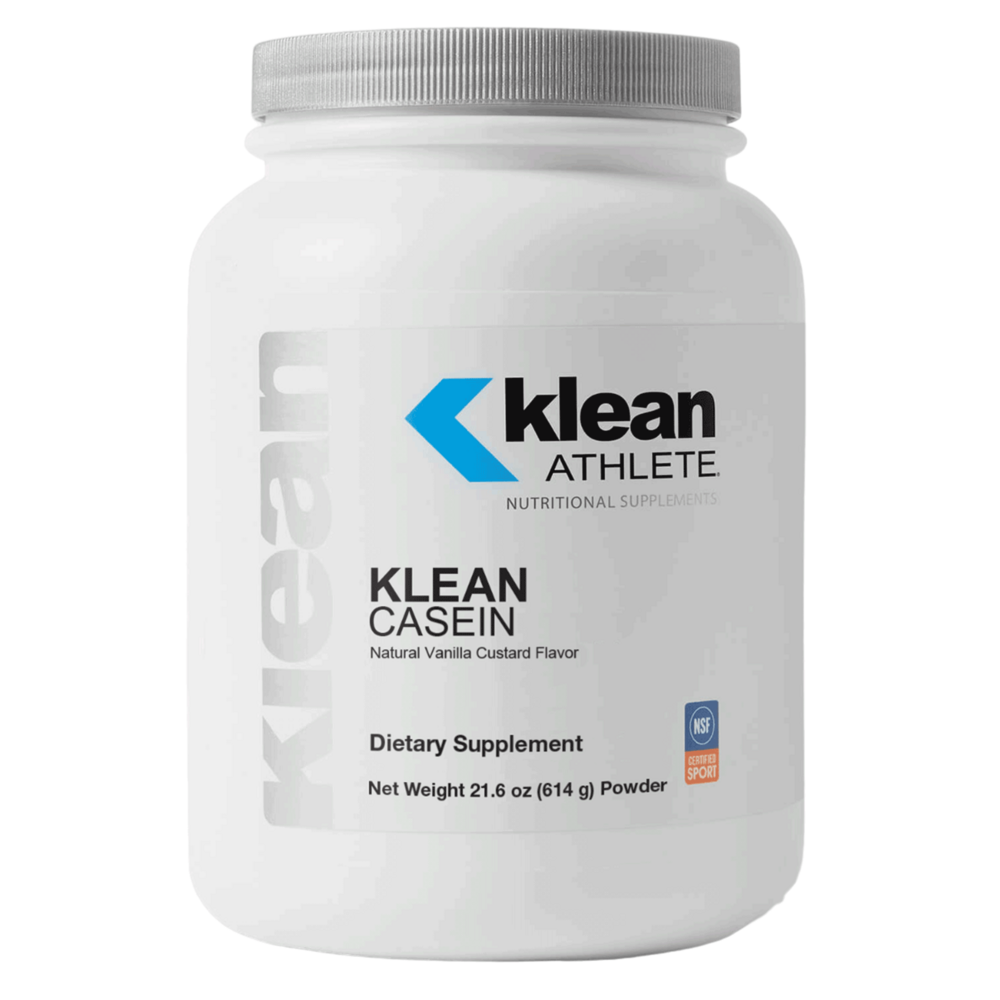
Casein Natural Vanilla Custard Flavor
Klean Athlete
614 grams
$68.50$54.99 with Subscribe & Save
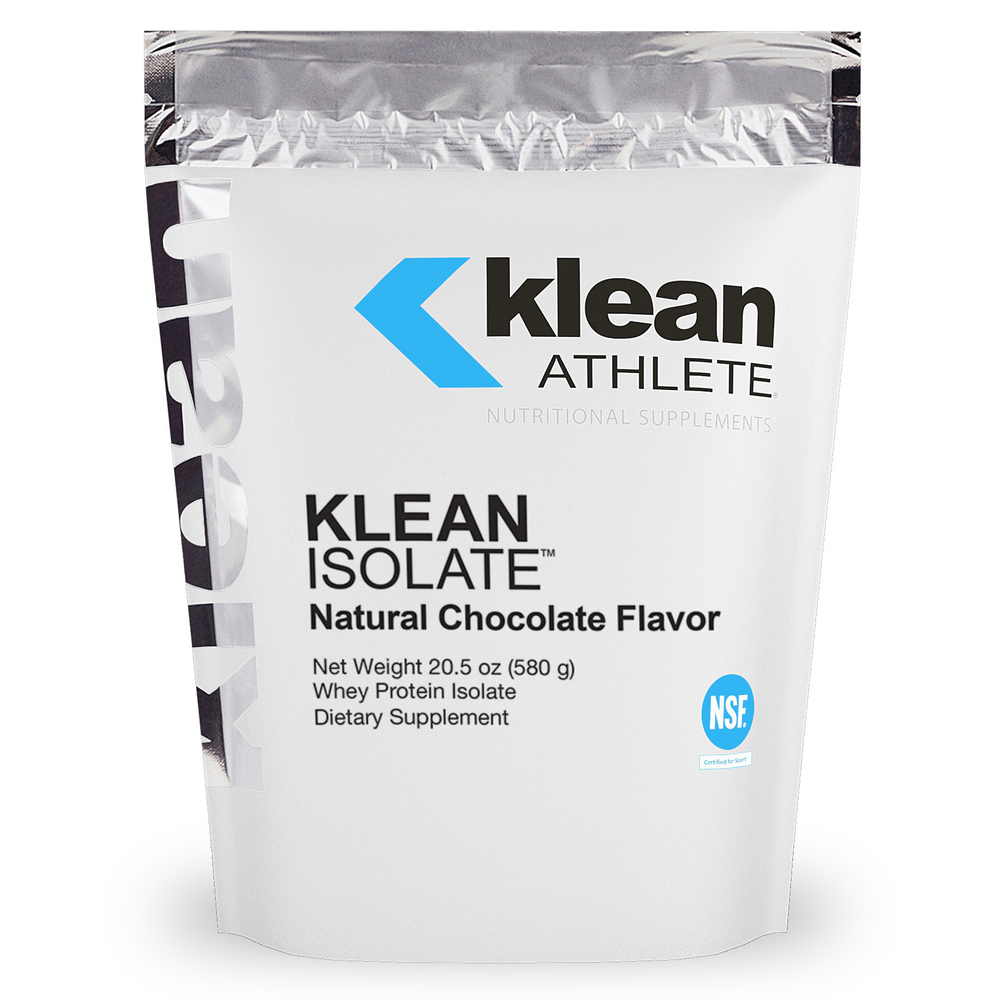
Klean Isolate Natural Chocolate
Klean Athlete
580 grams
$64.50$51.99 with Subscribe & Save
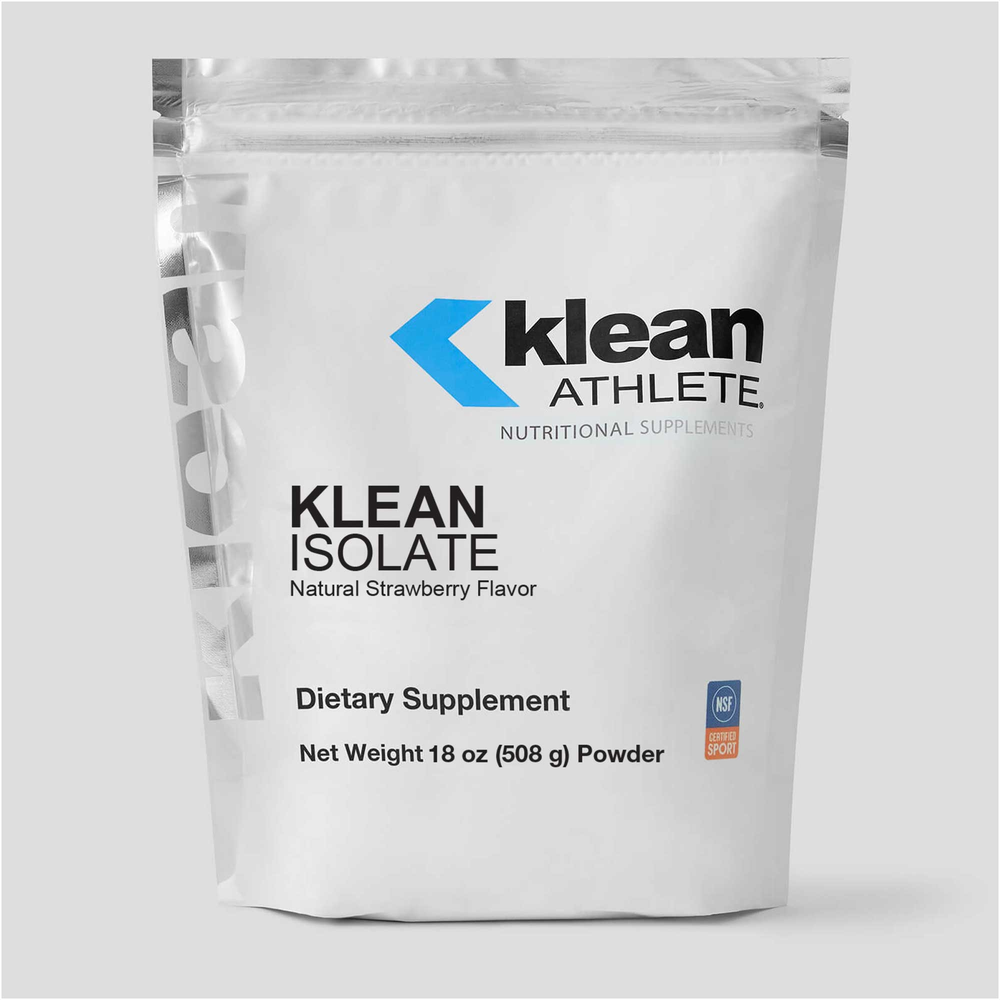
Klean Isolate Natural Strawberry
Klean Athlete
508 grams
$64.50$51.99 with Subscribe & Save
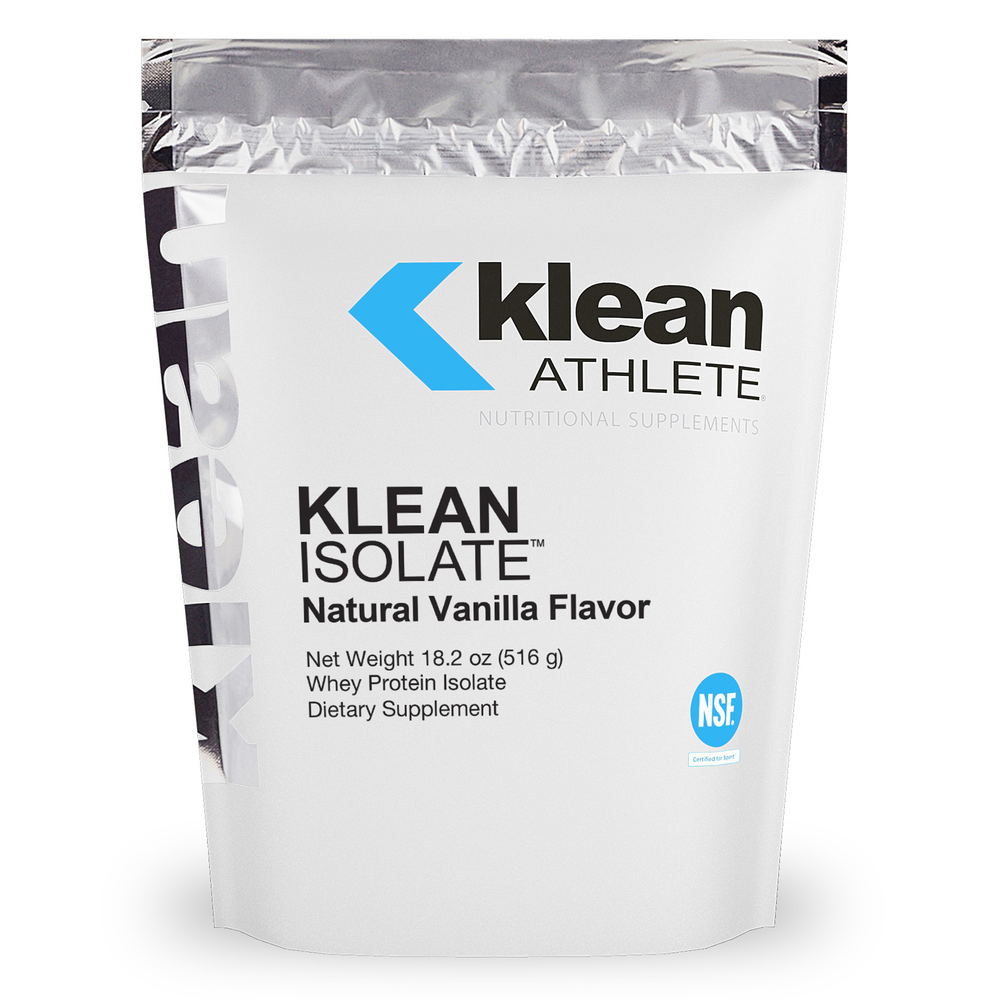
Klean Isolate Natural Vanilla
Klean Athlete
516 grams
$64.50$51.99 with Subscribe & Save