 Instalab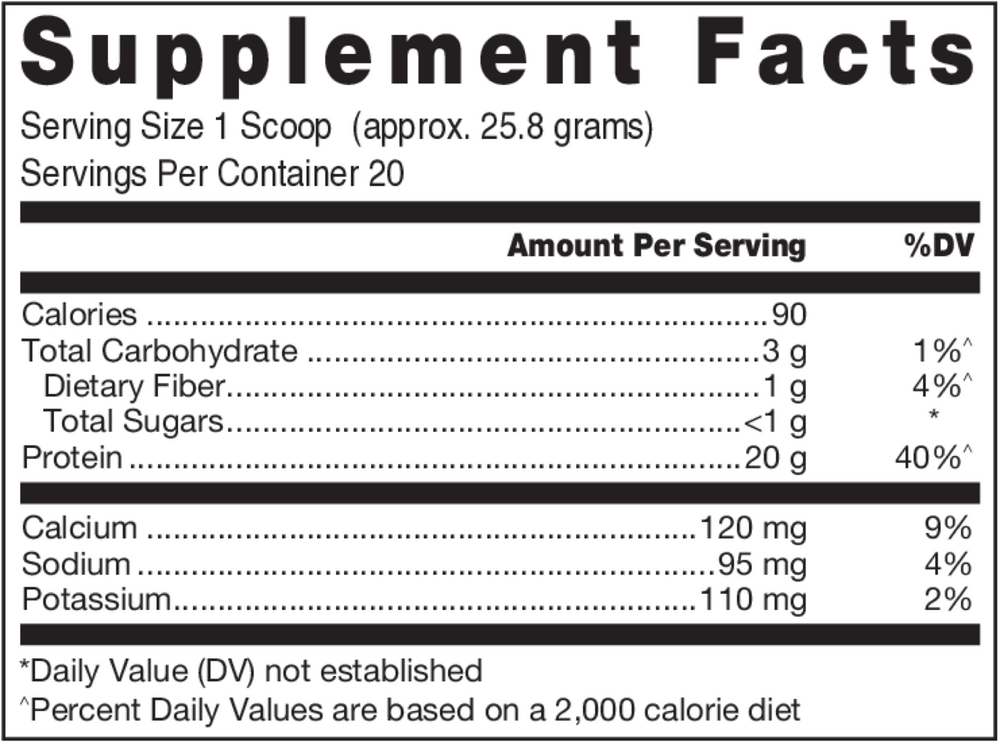
Klean Athlete
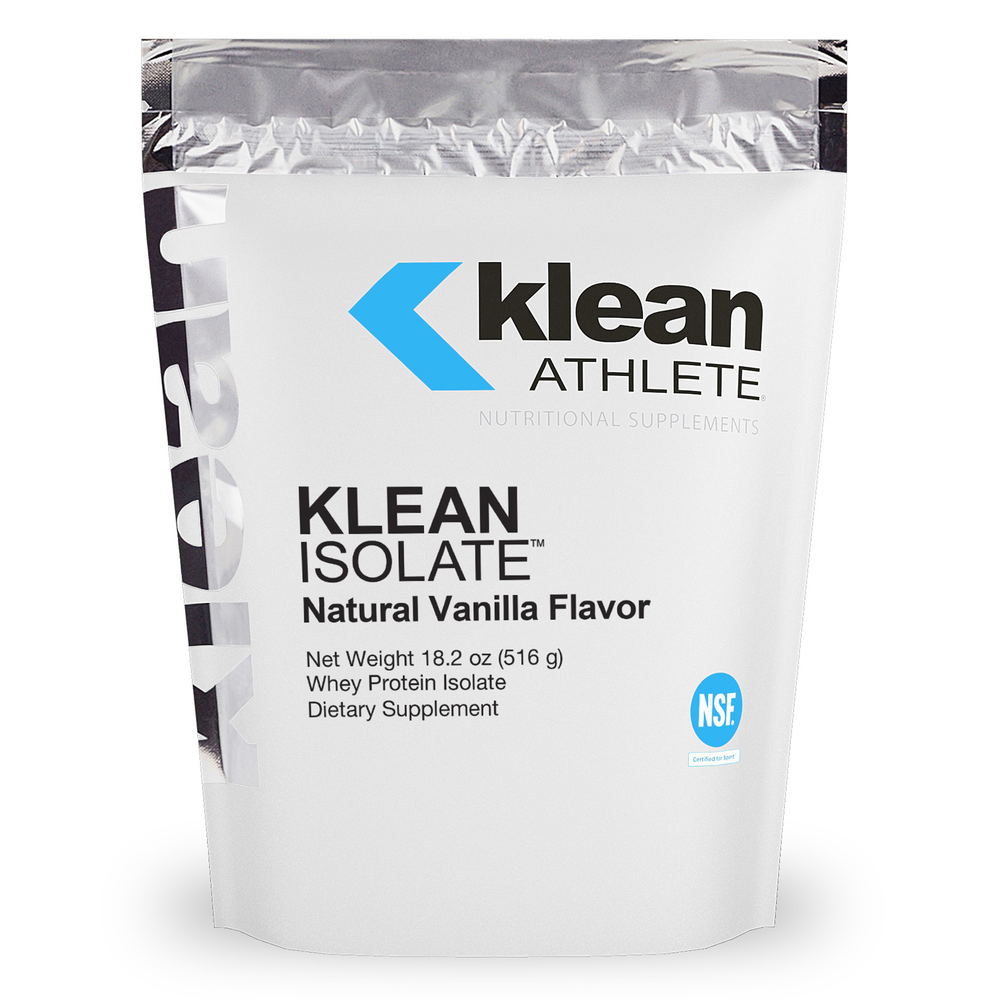
Klean Isolate Natural Vanilla 20 g by Klean Athlete
516 grams · 20-day supply
Pure Whey Protein Isolate for Muscle Recovery and Performance$64.50
Purchase options
Practitioner-grade brand3rd-party testedFree shipping $50+
Gluten Free·Soy Free
Klean Athlete Klean Isolate Natural Vanilla overview
If you train hard and want reliable post‑workout recovery, whey protein isolate is a fit. It’s useful when your daily protein falls short of the 1.2–2.0 g per kg often targeted in strength or high‑volume endurance blocks. Isolate is also the right pick if lactose bothers you, since it’s filtered to be very low in lactose and fat. Drug‑tested athletes benefit from NSF Certified for Sport testing, which Klean Athlete provides.
Whey protein isolate digests quickly, flooding muscles with essential amino acids, especially leucine, which flips on mTOR (the cell’s growth switch for muscle building). Hitting that leucine “trigger” after training boosts muscle protein synthesis within 1–3 hours. Compared with whey concentrate, isolate delivers more protein per scoop with less lactose, and versus casein, it’s faster, making it better right after workouts or when you need a quick, light shake.
Mix one scoop in 10–12 oz water or milk within two hours after training, or use between meals to help you reach your daily protein target. Most adults hit the leucine threshold with 20 g whey; larger athletes or those in a calorie deficit often use 1.5–2 scoops. Pairing with a carbohydrate source post‑workout helps glycogen refilling. Klean Isolate Natural Vanilla is lightly flavored and easy in smoothies or oats.
Avoid whey protein isolate if you have a milk protein allergy. If you have diagnosed kidney disease, talk with your clinician and track eGFR (estimated kidney filtration rate) and BUN (blood urea nitrogen, a byproduct of protein metabolism) before raising protein. Phenylketonuria requires counting phenylalanine, which whey contains. For strict vegans, choose a pea/rice blend that reaches a similar leucine dose.
Isolate works any time you need convenient protein, but it shines post‑workout because it’s fast. During weight loss, replacing a snack with a whey shake helps maintain lean mass while keeping calories in check. If lactose upsets you, isolate is usually well tolerated because most lactose is removed, though a true milk allergy is a hard stop.
Frequently asked questions
Is whey protein isolate good for weight loss?
Yes, as a tool. Higher protein helps you stay full and preserves lean mass during a calorie deficit. Replace a higher‑calorie snack with a 20–30 g whey shake and keep total daily protein consistent while managing overall calories.
Whey protein isolate vs concentrate: which should I choose?
Choose isolate if you want more protein per scoop with minimal lactose and fat, or if you’re lactose sensitive. Concentrate is fine if you digest dairy well and don’t mind a few extra calories. For post‑workout, both work, but isolate is lighter and faster.
How much whey protein isolate should I take after a workout?
Most adults do well with 20–30 g after training, which typically hits the leucine trigger for muscle building. Larger athletes or heavy sessions may justify 40 g. The bigger lever is total daily protein across meals, not a single shake.
Is whey protein isolate safe for lactose intolerance?
Often, yes. Whey isolate is filtered to be very low in lactose, so many lactose‑intolerant people tolerate it. If you still get symptoms, try mixing with water, use smaller servings, or switch to a fully dairy‑free protein.
Does whey protein isolate cause acne or bloating?
Some people notice skin or GI changes with any dairy protein. Start with one scoop, mix well, and avoid chugging. If symptoms persist, try half‑scoops, switch to water instead of milk, or consider a non‑dairy protein.
Is whey protein isolate okay if I’m being drug tested?
Use products that are third‑party certified for banned substances. Klean Athlete is NSF Certified for Sport, which screens for common contaminants. No supplement can be a 100% guarantee, but this is the standard many pro leagues accept.
Can I take whey protein isolate on rest days?
Yes. Muscle repair and remodeling happen on rest days too. Keep daily protein steady, spacing 20–40 g doses across meals, even when you’re not training.
How to take it & ingredients
Suggested use: As a dietary supplement, adults take one scoop daily mixed with 10–12 ounces of water or another beverage, or as directed by a trainer, coach, or health professional.
Active ingredients
1 scoop = 25.8 grams per serving · 20 servings
Whey Protein
Whey protein isolate (milk)
Whey protein isolate (milk)
20 g
Other ingredients: Natural flavors, Salt, Sunflower lecithin, Stevia leaf extract (Rebaudioside A), Monk fruit extract
Certifications
Benefits
Warnings
Customers also considered
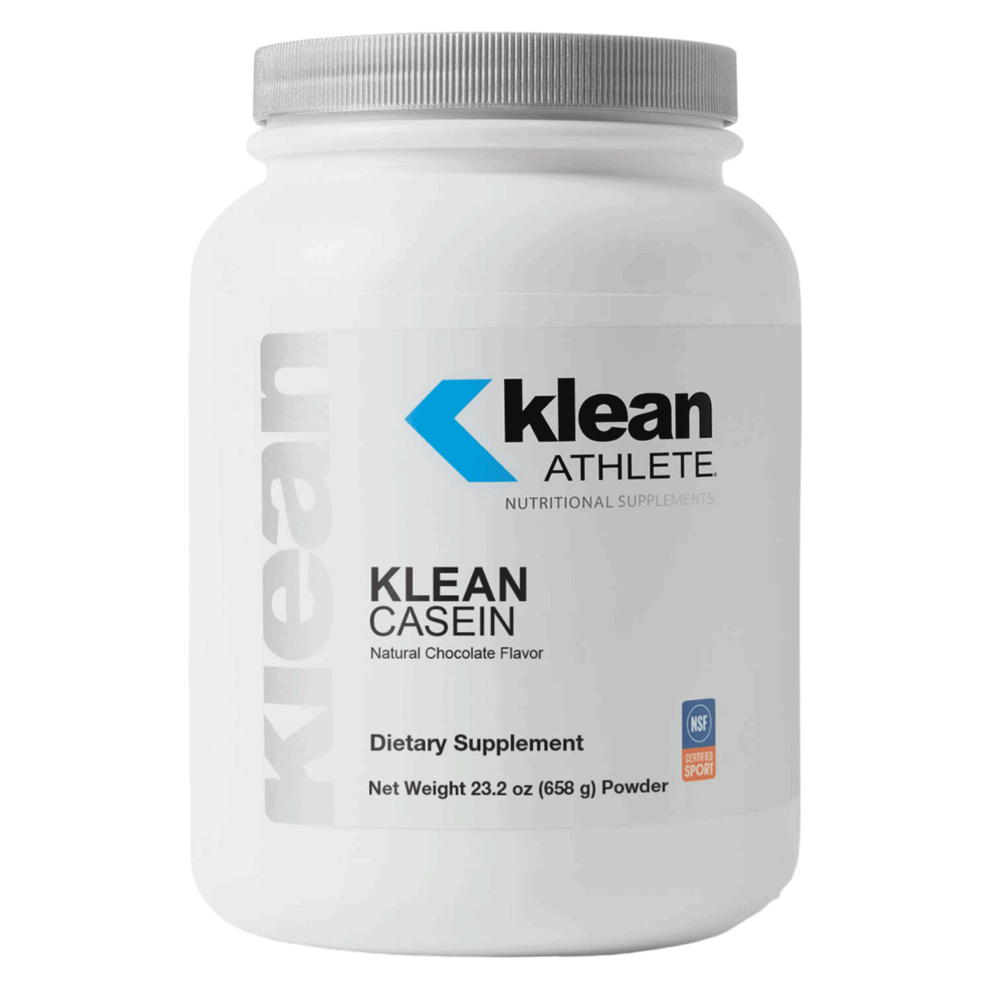
Casein Natural Chocolate
Klean Athlete
658 grams
$68.50$54.99 with Subscribe & Save
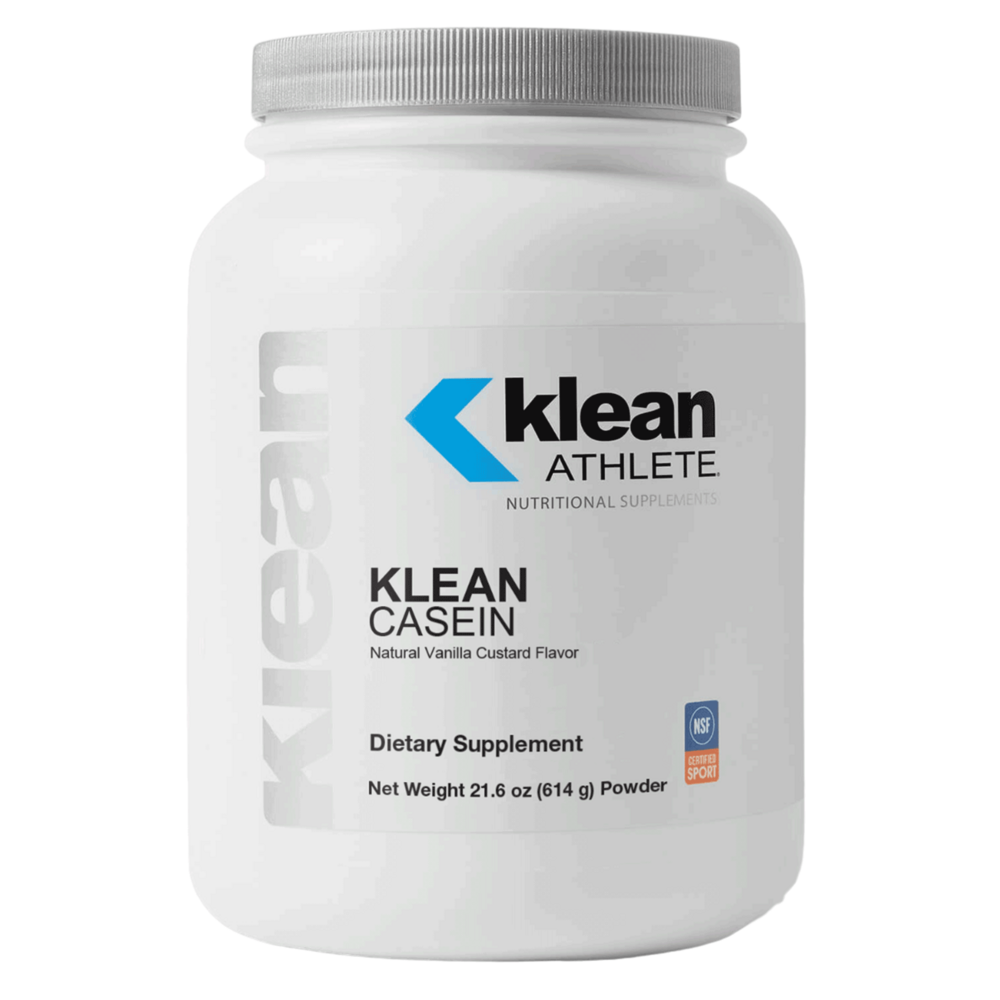
Casein Natural Vanilla Custard Flavor
Klean Athlete
614 grams
$68.50$54.99 with Subscribe & Save
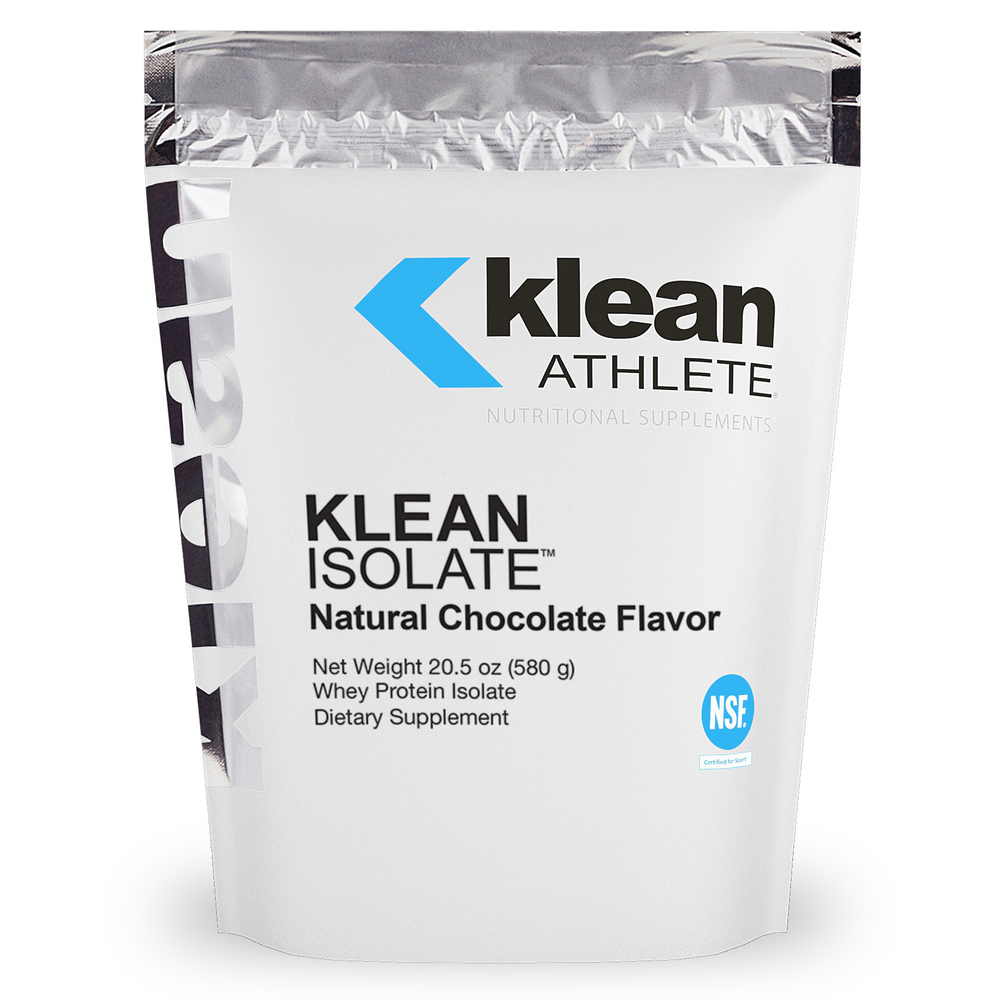
Klean Isolate Natural Chocolate
Klean Athlete
580 grams
$64.50$51.99 with Subscribe & Save
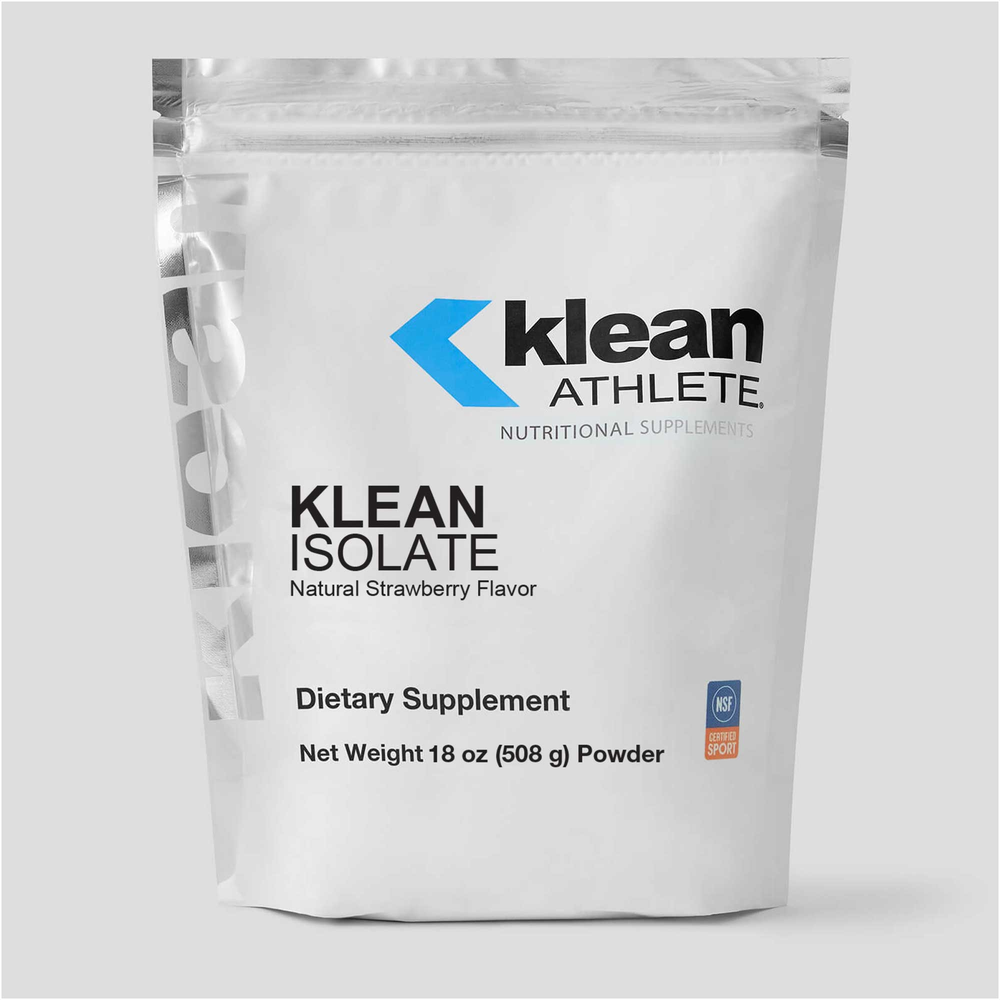
Klean Isolate Natural Strawberry
Klean Athlete
508 grams
$64.50$51.99 with Subscribe & Save