 Instalab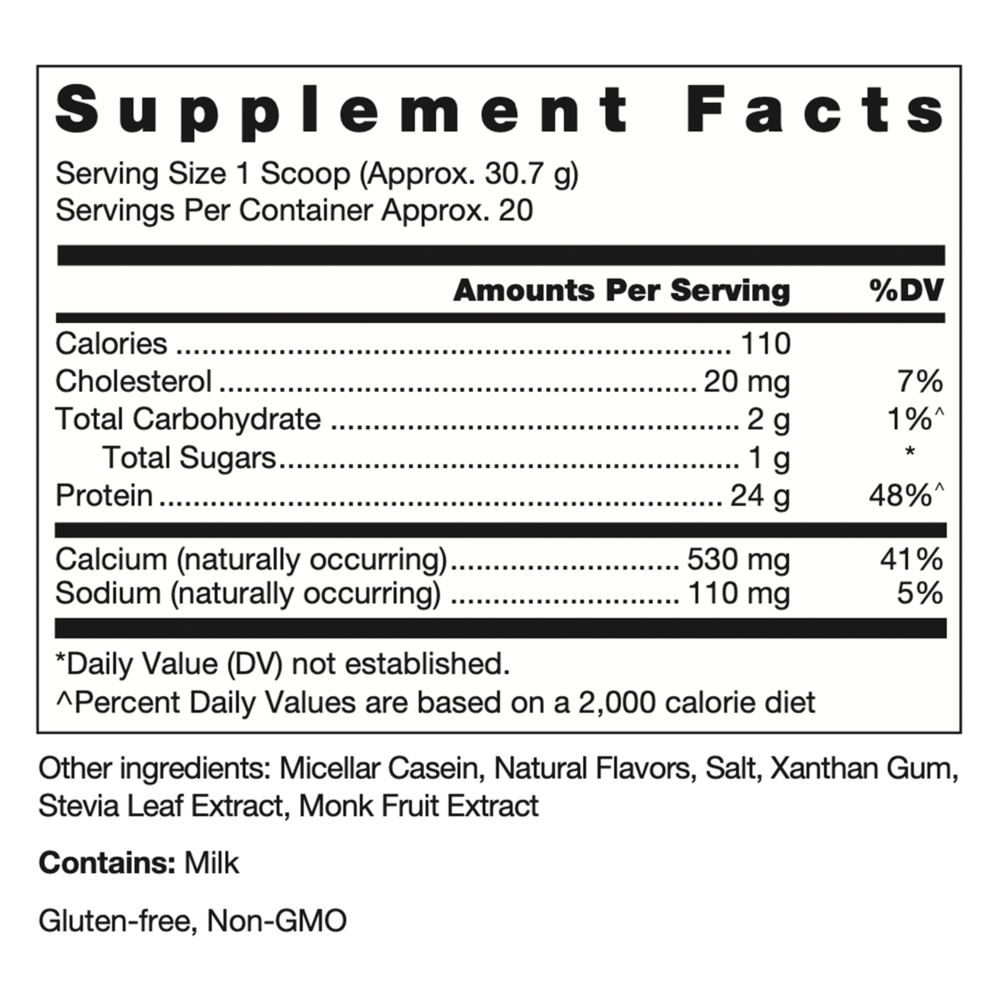


Klean Athlete
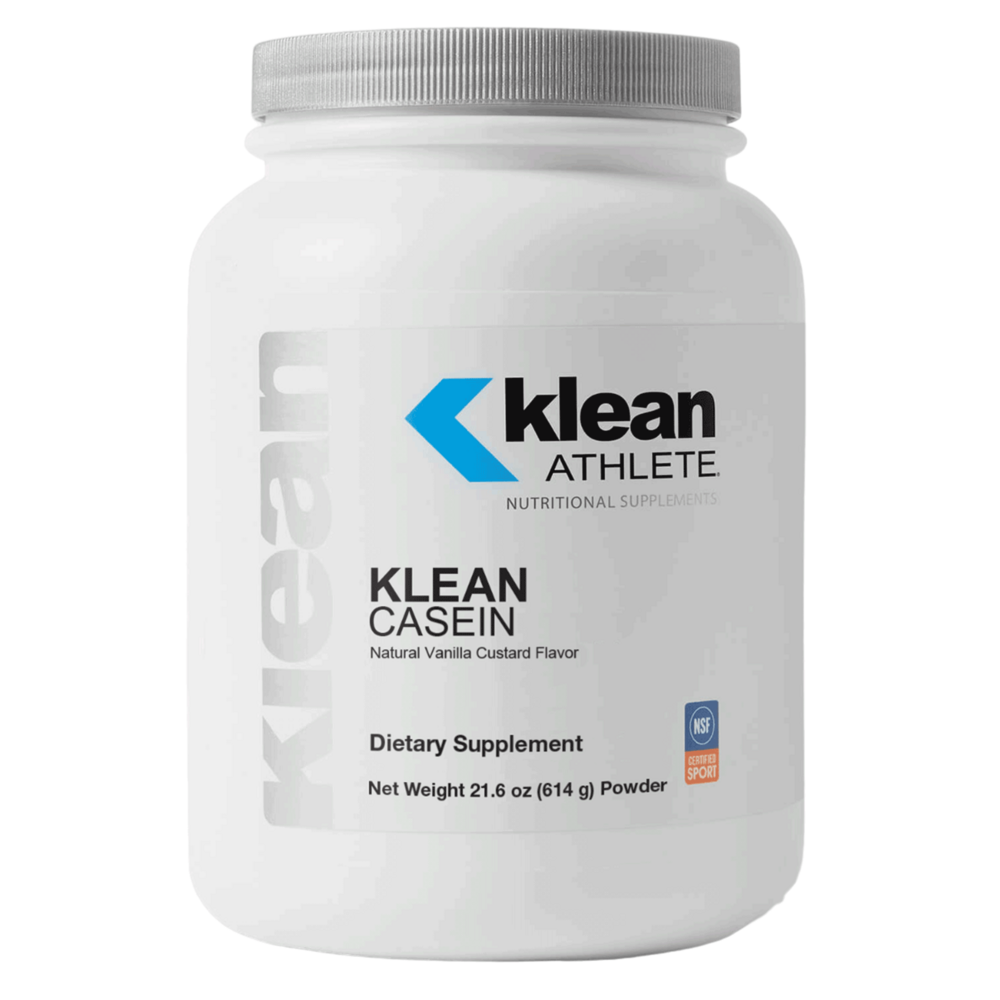
Casein Natural Vanilla Custard Flavor by Klean Athlete
614 grams · 20-day supply
Slow-Digesting Protein for Sustained Energy and Muscle Support$68.50
Purchase options
Practitioner-grade brand3rd-party testedFree shipping $50+
Gluten Free
Klean Athlete Casein Natural Vanilla Custard Flavor overview
If you train in the evening or wake up hungry at night, casein protein is the right tool. Its slow release suits strength athletes stacking hard sessions, endurance athletes in heavy blocks, and adults in their 30s–50s who want to protect muscle during calorie cuts. It also fits those aiming for a steady pre‑sleep protein hit when whey leaves you hungry. If you have reduced kidney function (check your eGFR, the filtration estimate on a basic metabolic panel), talk to a clinician about total daily protein first.
Casein protein forms a gel in the stomach, which slows digestion and gives a steady drip of amino acids for 6 to 8 hours. That steady supply reduces muscle protein breakdown while you sleep and supports net muscle repair. Compared with whey, casein is less spiky on blood amino acids but more sustained, which is why pre‑sleep casein (30–40 g) has been shown to improve overnight muscle protein synthesis and next‑morning readiness in trained people. The 530 mg of calcium per scoop also contributes to daily calcium intake for bone health.
Mix one scoop with 10–12 ounces of water or milk. For overnight coverage, take it 30–60 minutes before bed; many athletes use 1 to 1.5 scoops to reach the 30–40 g pre‑sleep target. If you prefer it during the day, use it as a between‑meal shake to curb hunger. Casein thickens when mixed, so more liquid and a shaker help. Expect recovery and sleep‑through‑the‑night benefits within 1 to 2 weeks of consistent use.
Skip casein protein if you have a true dairy protein allergy. It contains little lactose, but those with lactose intolerance should test tolerance or mix with lactose‑free milk. Space it away from certain meds: levothyroxine (thyroid hormone), tetracyclines and fluoroquinolones (antibiotics), and iron supplements can bind with calcium, so take them at least 4 hours apart. If you form kidney stones or have chronic kidney disease, review total calcium (530 mg per scoop) and protein with your clinician.
Whey spikes amino acids fast, which is great right after training, while casein protein drips them out for hours, which is ideal before bed. This powder is not vegan, since casein comes from milk. If weight loss is the goal, using casein as a planned pre‑sleep or between‑meal protein can reduce late‑night snacking without sacrificing muscle.
Frequently asked questions
Is casein protein better than whey before bed?
Yes. Casein digests slowly and releases amino acids for 6–8 hours, which suits pre‑sleep use. Whey digests fast and is better immediately after a workout. Many lifters use whey post‑lift and casein at night.
How much casein protein should I take at night?
Most studies use 30–40 g pre‑sleep. One scoop here provides 24 g, so 1 to 1.5 scoops is typical. Adjust based on your total daily protein target and how full you feel at bedtime.
How long does casein protein take to work?
You’ll feel the fullness the first night. Measurable recovery benefits, like less soreness and better training readiness, usually show up within 1–2 weeks of consistent use alongside adequate total protein.
Is casein protein OK if I’m lactose intolerant?
Often, yes. Casein is a milk protein with very little lactose, and many people tolerate it. If you’re sensitive, mix with lactose‑free milk or water and start with a half serving to assess tolerance.
Can I take casein protein with antibiotics or thyroid medication?
Space it out. Calcium in casein can bind tetracycline and fluoroquinolone antibiotics and levothyroxine, reducing absorption. Take those medicines at least 4 hours before or after your shake.
Does casein protein help with weight loss?
It can help adherence. A pre‑sleep or mid‑afternoon casein shake improves satiety and preserves muscle during a calorie deficit when total protein is adequate and training is consistent.
Is casein protein safe every day?
For healthy adults meeting reasonable protein goals, daily use is fine. If you have kidney disease, a history of kidney stones, or high calcium intake from other sources, check with your clinician first.
Is casein protein vegan or paleo?
No. Casein is derived from milk, so it isn’t vegan or paleo. If you avoid dairy, look for a pea, soy, or mixed‑plant protein designed for slower digestion.
How to take it & ingredients
Suggested use: As a dietary supplement, take 1 scoop daily mixed with 10-12 ounces of water or other beverage, or as directed by a trainer, coach, or health professional.
Active ingredients
1 scoop (30.7g) per serving · 20 servings
Protein
24 g
Calcium
530 mg
Sodium
110 mg
Other ingredients: Micellar Casein, Natural Flavors, Salt, Xanthan Gum, Stevia Leaf Extract, Monk Fruit Extract
Certifications
Benefits
Warnings
Customers also considered
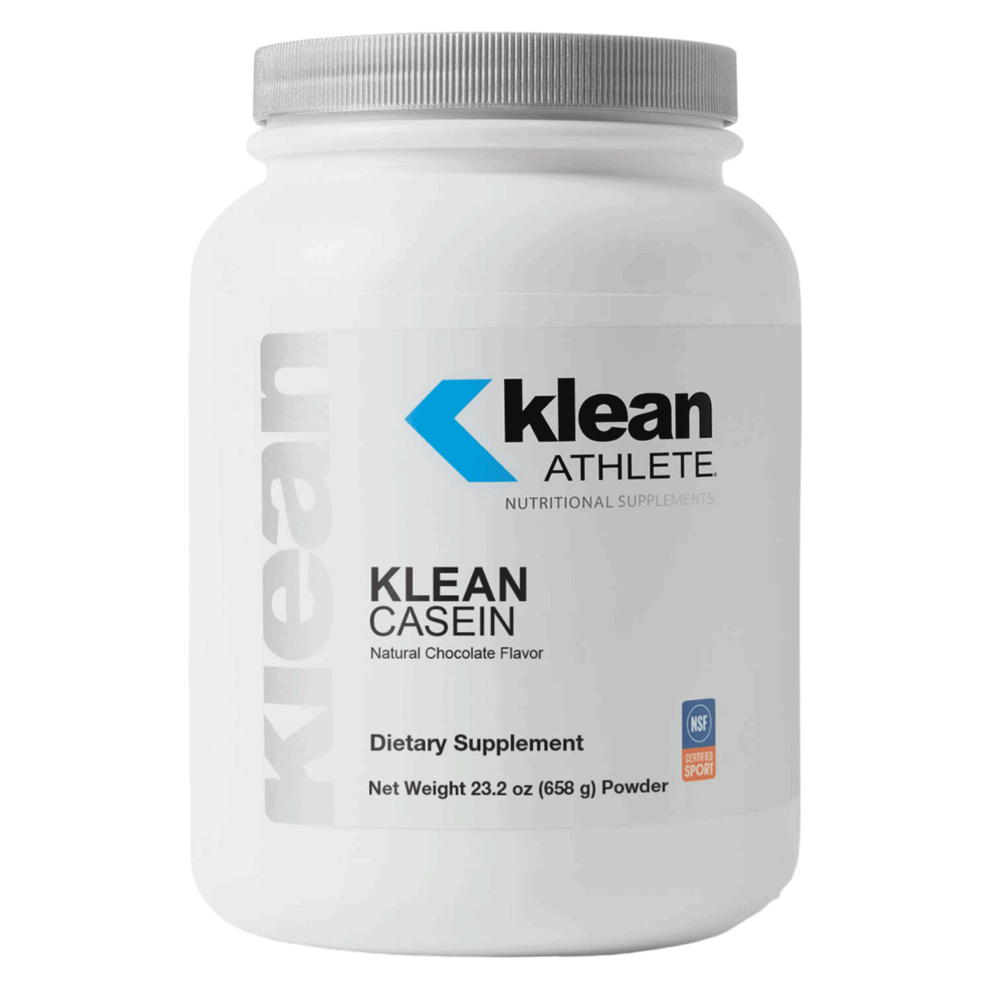
Casein Natural Chocolate
Klean Athlete
658 grams
$68.50$54.99 with Subscribe & Save
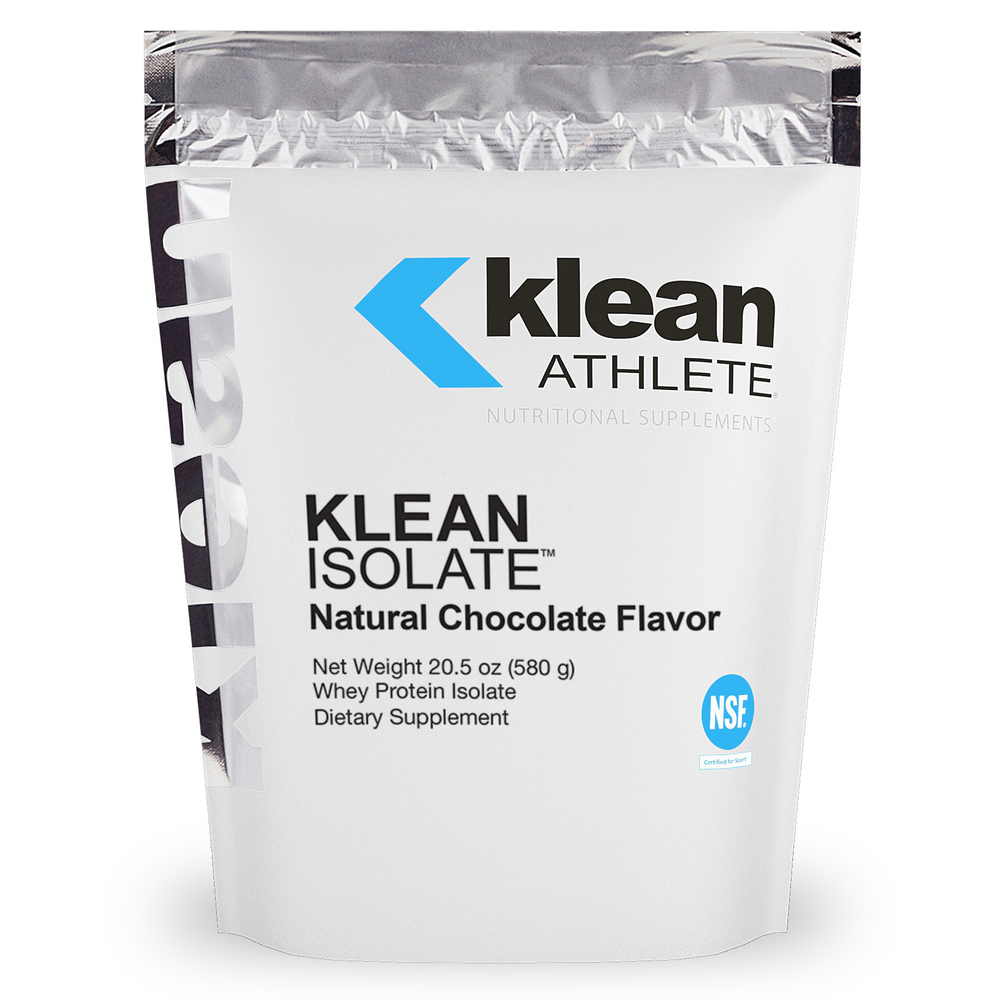
Klean Isolate Natural Chocolate
Klean Athlete
580 grams
$64.50$51.99 with Subscribe & Save
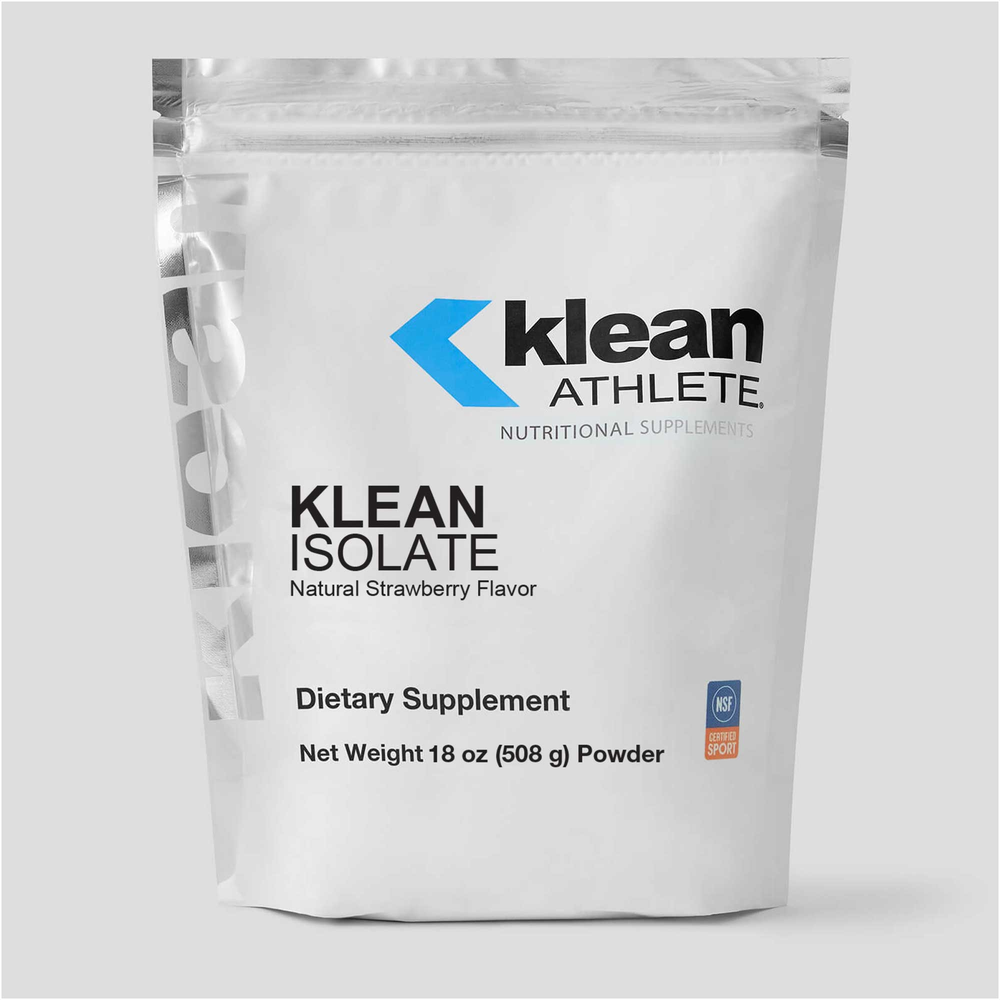
Klean Isolate Natural Strawberry
Klean Athlete
508 grams
$64.50$51.99 with Subscribe & Save
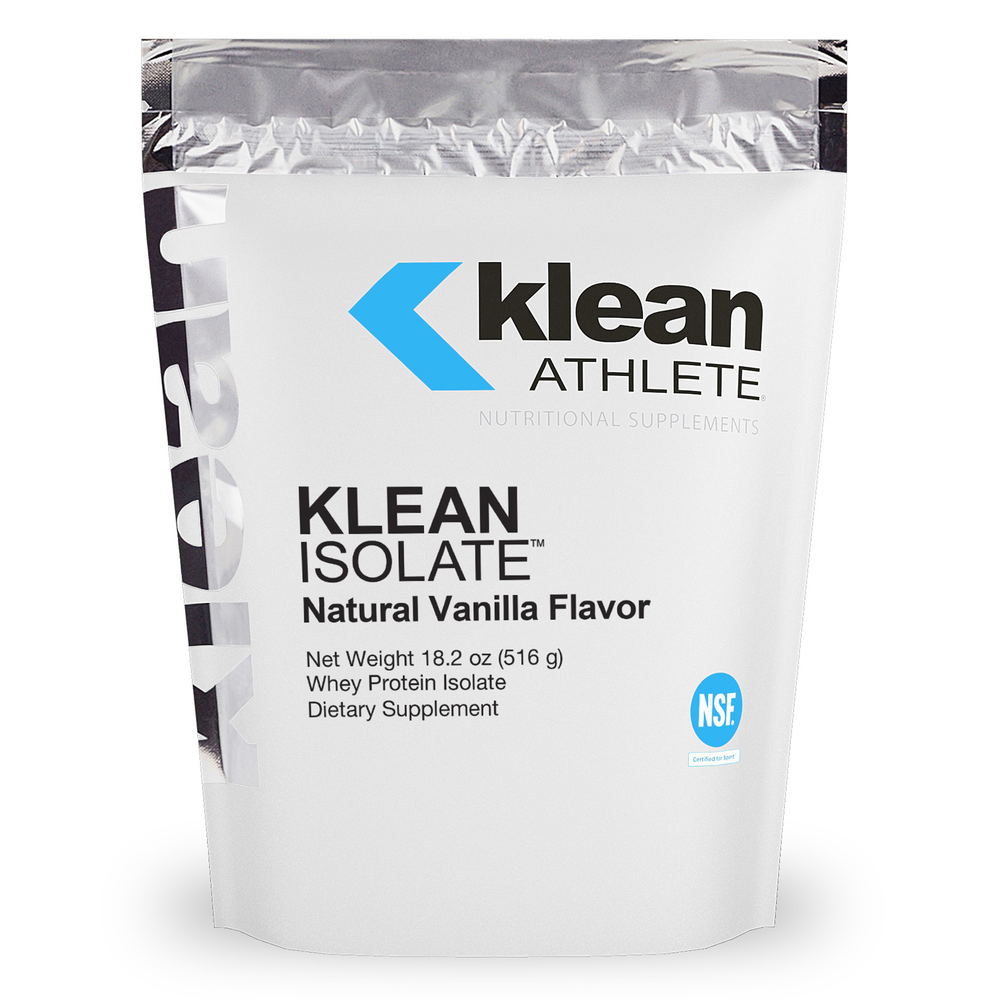
Klean Isolate Natural Vanilla
Klean Athlete
516 grams
$64.50$51.99 with Subscribe & Save