 Instalab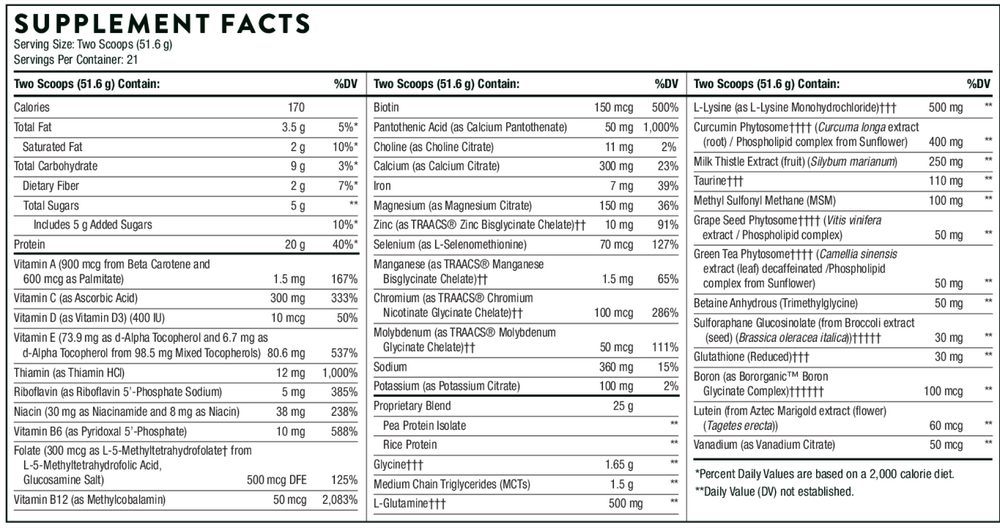
Thorne
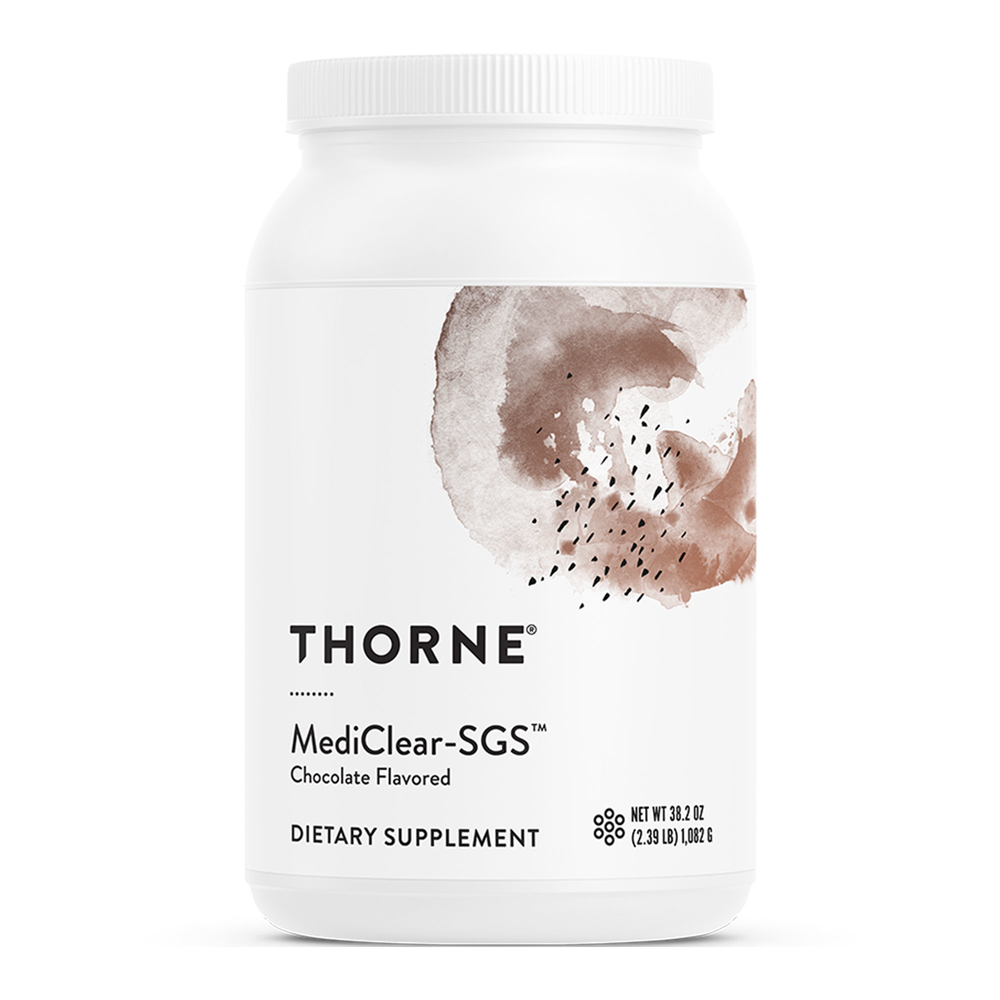
MediClear-SGS Chocolate by Thorne
1083 grams · 20-day supply
Nutrient-Dense Protein Blend for Comprehensive Health Support$90.00retail
Add to cart for 20% off
Purchase option
20% below MSRP3rd-party tested for purity & potencyFree shipping $50+
Gluten Free·Dairy Free·Milk Free
Thorne MediClear-SGS Chocolate overview
If you’re doing a 2–4 week elimination diet or you don’t hit 20–30 grams of protein at breakfast, this detox protein powder is a practical anchor. It suits adults with desk-heavy days, lower fiber intake, or higher alcohol exposure who want structured liver and metabolic support. Check your labs first: if ALT, AST, or GGT (liver enzymes) run high, or homocysteine (a methylation byproduct) sits up, a formula like this can complement care while you work on diet. Thorne MediClear-SGS Chocolate is plant-based, so it fits dairy-free diets.
The pea–rice protein blend delivers 20 grams of complete protein to steady appetite and blood sugar. Curcumin phytosome and decaffeinated green tea extract raise antioxidant capacity, which can modestly lower hs-CRP (a blood marker of inflammation) in responders. Broccoli seed extract provides sulforaphane glucosinolate, which activates Nrf2 (the cell switch that upregulates your own detox and antioxidant enzymes). Milk thistle adds silymarin compounds for hepatocyte protection. Active B vitamins, betaine, and choline back methylation, which helps process homocysteine and run phase II conjugation steps in the liver.
Mix two scoops with water or unsweetened nut milk once daily. Use it as a breakfast or lunch shake, or as one structured meal during a 2–4 week reset. Add 5–10 grams of fiber (ground flax or psyllium) if you need more fullness. Most people tolerate it best with food. Expect steady effects, not a jolt: energy and regularity typically even out within 1–2 weeks, and any changes in hs-CRP or GGT are assessed after 4–8 weeks. Hydrate well to match the higher protein and minerals.
On prescription blood thinners like warfarin or the newer agents (apixaban, rivaroxaban), avoid or clear curcumin/green tea–containing blends with your clinician. If you have hemochromatosis or avoid supplemental iron, note the 7 mg of iron. Pregnancy or breastfeeding: this kind of detox protein powder with botanicals hasn’t been studied, so use a prenatal protein instead. Significant liver or kidney disease needs clinician guidance. Very sensitive guts may bloat on pea protein; start with half a serving.
Frequently asked questions
What does a detox protein powder actually do?
It provides complete protein plus compounds like sulforaphane and curcumin that upregulate your own detox and antioxidant enzymes. Think steadier meals and gentle liver support, not a rapid “cleanse.”
Can I use this as a meal replacement?
Yes for one meal a day, especially breakfast or lunch. Pair it with added fiber or a piece of fruit for better satiety, and keep at least one whole-food meal with vegetables daily.
Does it contain caffeine?
No meaningful caffeine. The green tea extract is decaffeinated, delivering polyphenols without stimulation.
How long until I notice benefits?
Most notice steadier energy or regularity within 1–2 weeks. If you’re tracking labs like hs-CRP or GGT, recheck after 4–8 weeks of consistent use and diet changes.
Is it safe with blood thinners?
Be cautious. Curcumin and green tea polyphenols can affect clotting. If you take warfarin, apixaban, rivaroxaban, or similar, get clinician clearance before using.
Will this help high liver enzymes?
It can be part of a plan alongside alcohol reduction, weight management, and exercise. Use it consistently for 4–8 weeks, then recheck ALT, AST, and GGT with your clinician.
Is it okay for low-FODMAP diets?
Pea protein can bloat some sensitive guts. Start with half a serving and assess. If symptoms flare, a whey isolate or egg-white protein may sit better.
Can I take it if I’m pregnant or breastfeeding?
Skip detox-oriented blends with botanicals in pregnancy or lactation. Choose a prenatal protein and targeted prenatal vitamins instead.
How to take it & ingredients
Suggested use: Mix one serving two scoops with at least 10 ounces of cold water juice rice milk or nut milk once daily or as recommended by your health care practitioner. Do not use in diets supplying less than 600 calories per day without medical supervision.
Active ingredients
1 scoop = 51.6g per serving · 21 servings
Protein
20 g
Vitamin A
Beta carotene and Palmitate
Beta carotene and Palmitate
1500 mcg
Vitamin C
Ascorbic acid
Ascorbic acid
300 mg
Vitamin D3
Cholecalciferol
Cholecalciferol
10 mcg
Vitamin E
D Alpha tocopherol
D Alpha tocopherol
80.6 mg
Vitamin B1
Thiamin HCl
Thiamin HCl
12 mg
Vitamin B2
Riboflavin 5 Phosphate Sodium
Riboflavin 5 Phosphate Sodium
5 mg
Niacin
Niacin and Niacinamide
Niacin and Niacinamide
38 mg
Vitamin B5
Pantothenic Acid
Pantothenic Acid
50 mg
Vitamin B6
Pyridoxal 5 Phosphate
Pyridoxal 5 Phosphate
10 mg
Vitamin B12
Methylcobalamin
Methylcobalamin
50 mcg
Folate
L 5 Methyltetrahydrofolate
L 5 Methyltetrahydrofolate
500 mcg
Biotin
Biotin
Biotin
150 mcg
Calcium
Calcium Citrate
Calcium Citrate
300 mg
Magnesium
Magnesium Citrate
Magnesium Citrate
150 mg
Zinc
Zinc Bisglycinate Chelate
Zinc Bisglycinate Chelate
10 mg
Selenium
Selenomethionine
Selenomethionine
70 mcg
Manganese
Manganese Bisglycinate Chelate
Manganese Bisglycinate Chelate
1.5 mg
Molybdenum
Molybdenum Glycinate
Molybdenum Glycinate
50 mcg
Boron
Boron Glycinate Complex
Boron Glycinate Complex
100 mcg
Chromium
Chromium Nicotinate Glycinate
Chromium Nicotinate Glycinate
100 mcg
Vanadium
Vanadium Citrate
Vanadium Citrate
50 mcg
Potassium
Potassium Citrate
Potassium Citrate
100 mg
Sodium
360 mg
Iron
7 mg
Curcumin Phytosome
Meriva Curcumin Phytosome
Meriva Curcumin Phytosome
400 mg
Green Tea Phytosome
Decaffeinated Green Tea Phytosome
Decaffeinated Green Tea Phytosome
50 mg
Milk Thistle Extract
Silybum marianum
Silybum marianum
250 mg
Grape Seed Phytosome
Leucoselect
Leucoselect
50 mg
Broccoli Seed Extract
Sulforaphane glucosinolate
Sulforaphane glucosinolate
30 mg
Lutein
Aztec Marigold
Aztec Marigold
0.06 mg
L Glutamine
L Glutamine
L Glutamine
500 mg
L Lysine
L Lysine Monohydrochloride
L Lysine Monohydrochloride
500 mg
Glycine
Glycine
Glycine
1650 mg
Taurine
Taurine
Taurine
110 mg
MSM
Methylsulfonylmethane
Methylsulfonylmethane
100 mg
Betaine Anhydrous
Trimethylglycine
Trimethylglycine
50 mg
Choline
Choline Citrate
Choline Citrate
11 mg
L-Glutathione
Reduced Glutathione
Reduced Glutathione
30 mg
Pea and Rice Protein Blend
25 g
Medium Chain Triglycerides
MCT oil
MCT oil
1500 mg
Other ingredients: Cane Juice Sugar, Cocoa, Flavors, Monk Fruit, Silicon Dioxide, Xanthan Gum, Yeast Extract
Certifications
Benefits
Warnings
Customers also considered
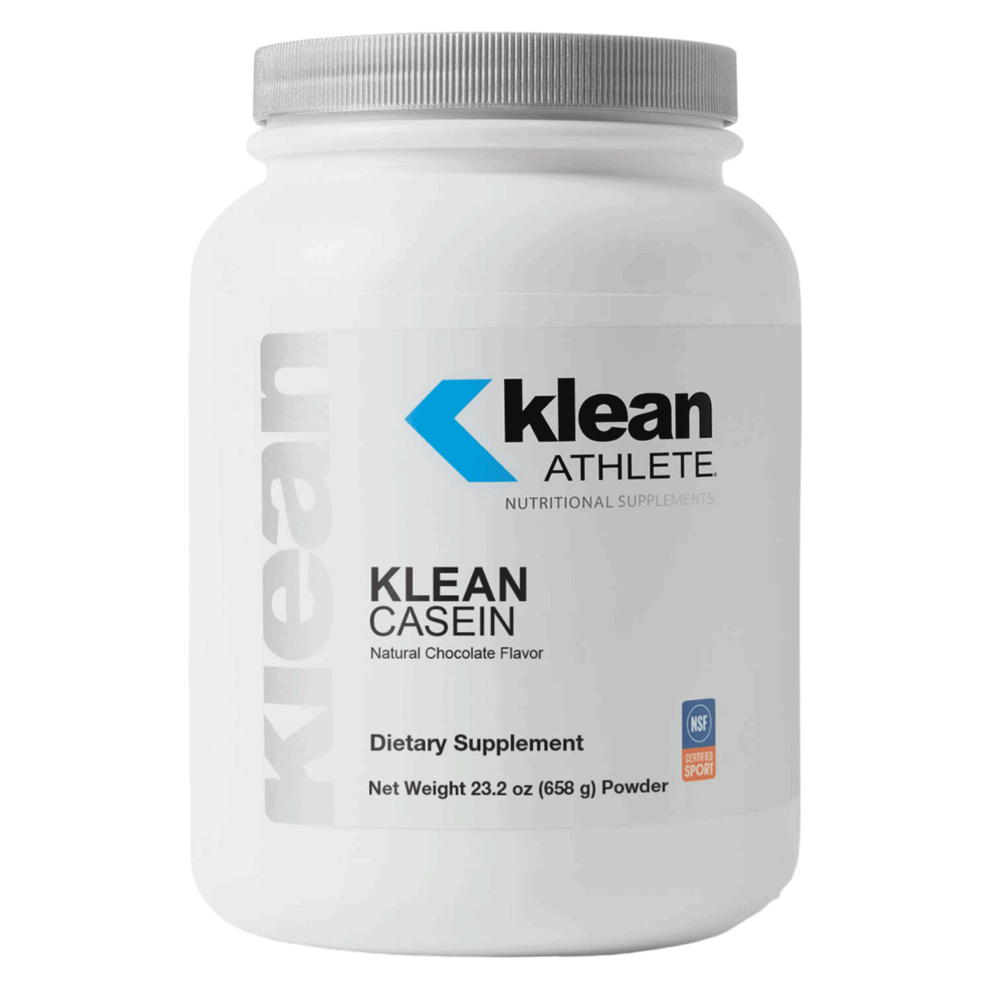
Klean Athlete
Casein Natural Chocolate
658 grams
$68.50
Add to cart for lower price
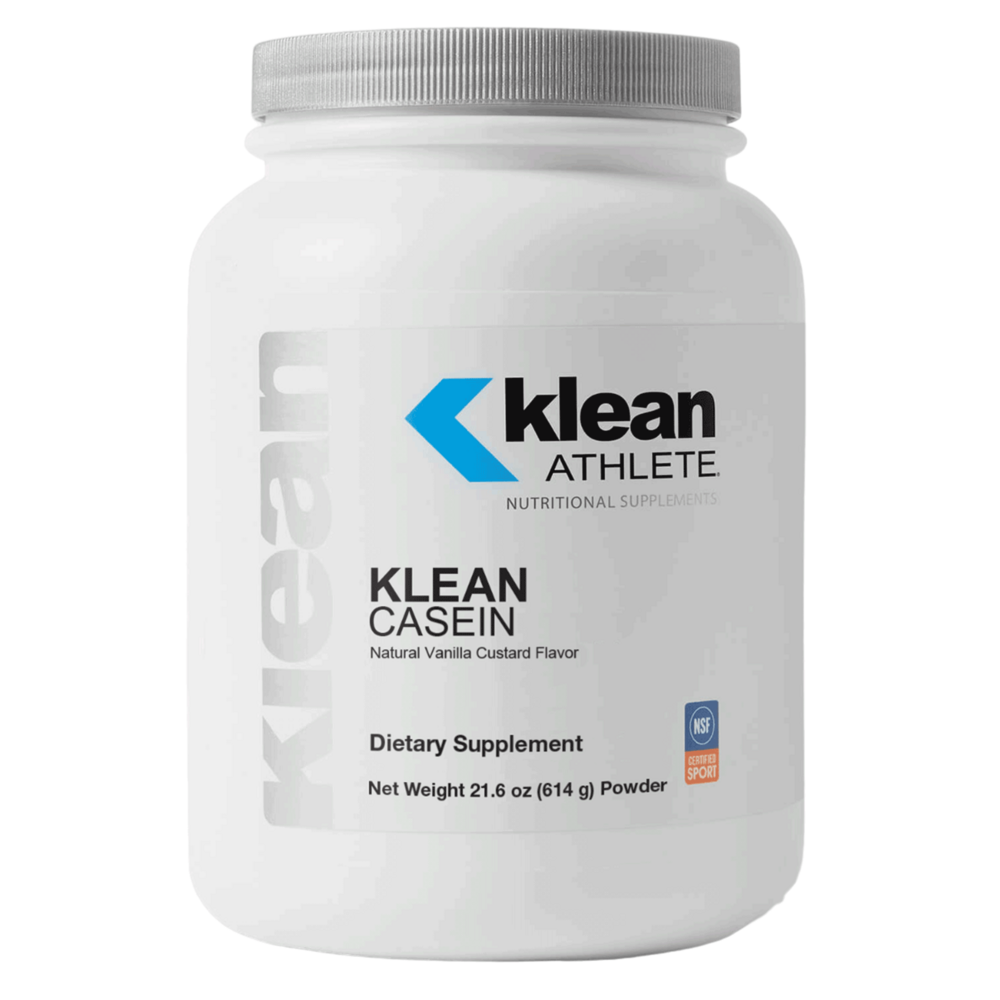
Klean Athlete
Casein Natural Vanilla Custard Flavor
614 grams
$68.50
Add to cart for lower price
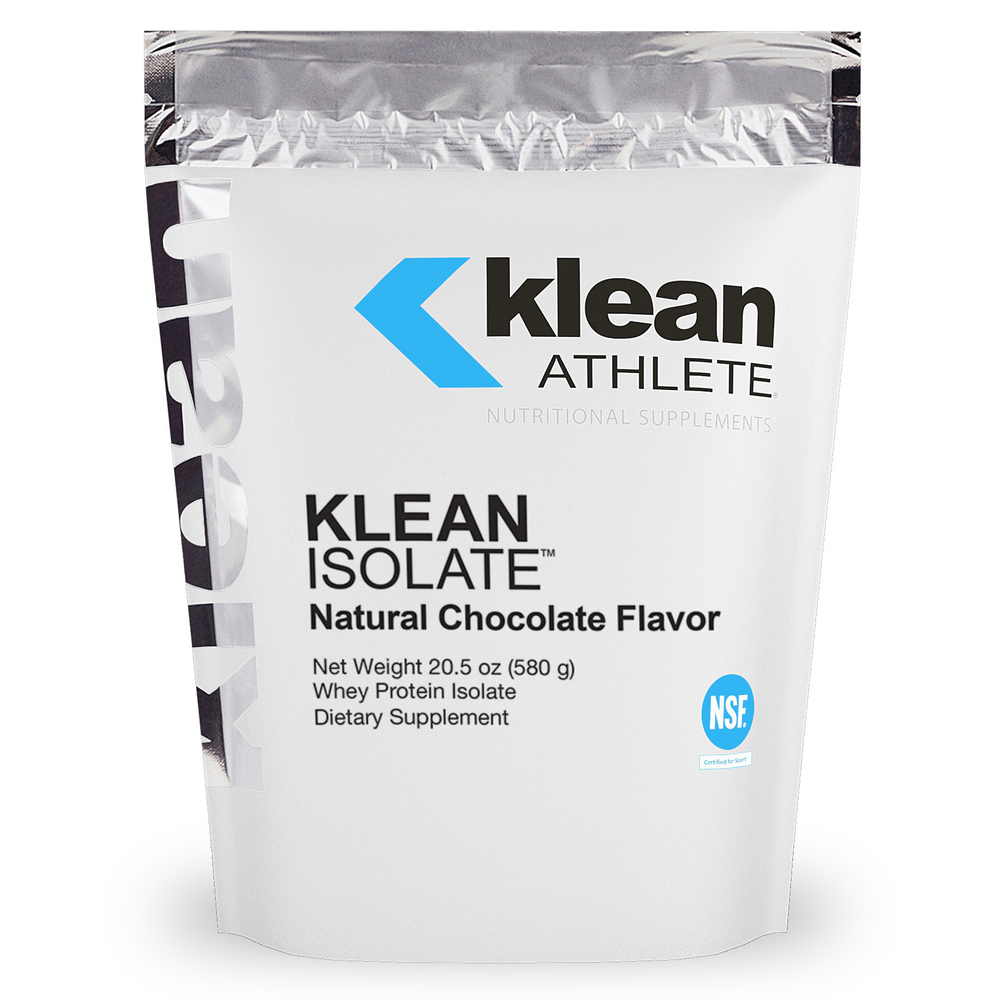
Klean Athlete
Klean Isolate Natural Chocolate
580 grams
$64.50
Add to cart for lower price
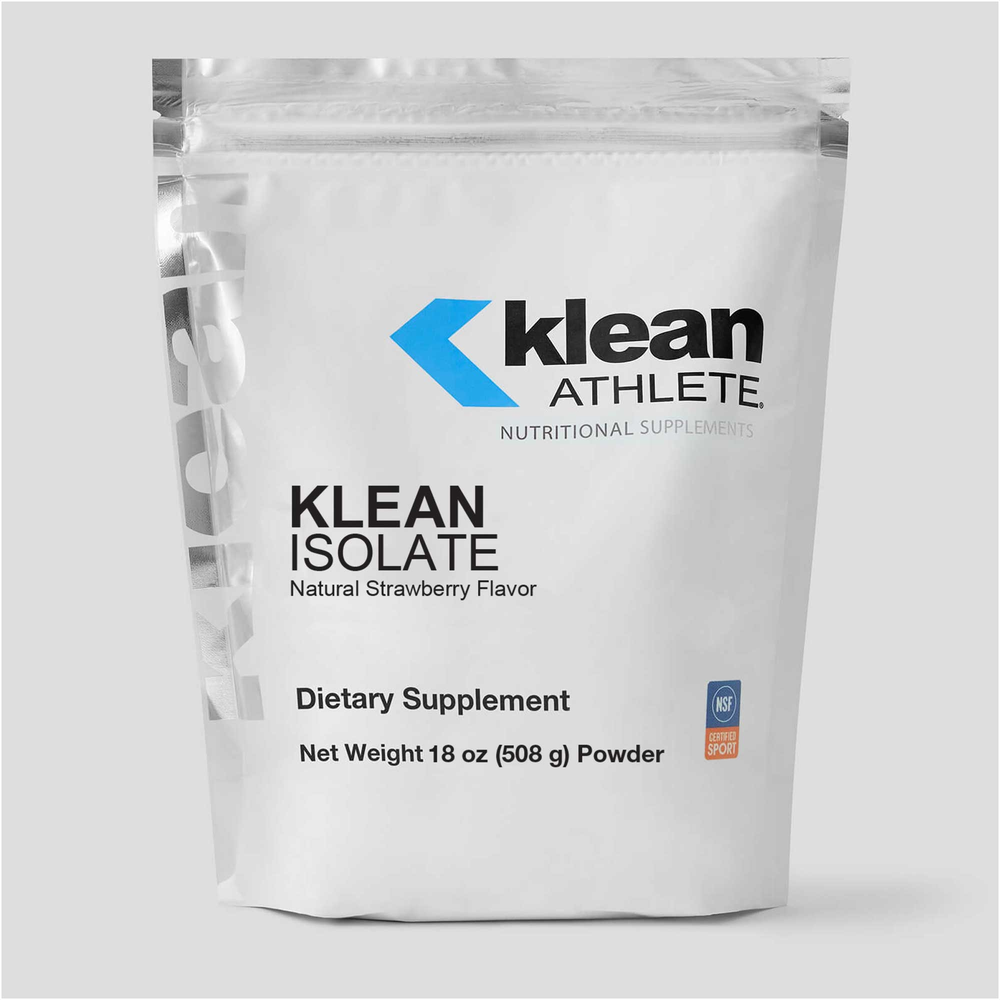
Klean Athlete
Klean Isolate Natural Strawberry
508 grams
$64.50
Add to cart for lower price