
 Instalab

Thorne
Milk Thistle Phytosome (formerly Siliphos) 180 mg by Thorne
90 capsules · 90-day supply
Milk Thistle Phytosome for Liver and Antioxidant Support$48.99
Purchase options
Practitioner-grade brand3rd-party testedFree shipping $50+
Gluten Free
Thorne Milk Thistle Phytosome (formerly Siliphos) overview
Milk thistle is the herb most people reach for when they want to support their liver. This form suits adults who have seen ALT, AST or GGT drift toward the top of the range and are already working on the usual causes: alcohol, weight around the middle and blood sugar. It is an addition to those changes, not a substitute, since they move liver markers far more than any herb does. If your liver enzymes are clearly elevated, find out why with your clinician before adding a supplement.
The active compounds in milk thistle fruit are known together as silymarin, and silybin is the best studied of them. On its own, silybin is poorly absorbed. A phytosome binds the extract to phospholipids, here from sunflower, which helps it cross the gut wall, so more reaches the bloodstream than from a standard extract. In liver cells silybin acts as an antioxidant and appears to help maintain glutathione, the compound those cells rely on to neutralize reactive by-products.
Each capsule provides 180 mg of silybin phytosome, which is the weight of the milk thistle fruit extract and the sunflower phospholipid together. The label's suggested use is 1 capsule two to three times daily, or as your health-care practitioner recommends. It can be taken with or without food. Spacing the capsules across the day with meals is easy to remember, and it is the simple fix if milk thistle unsettles your stomach.
Milk thistle is in the daisy family, so skip it if you react to ragweed, chrysanthemums, marigolds or daisies. It can lower blood sugar a little, which matters if you take insulin or other diabetes medicines: watch your readings when you start. It may also change how the liver handles some drugs, so if you take prescription medicines, ask your pharmacist or clinician first. The label says to consult your practitioner if you are pregnant; safety data in pregnancy and nursing are too thin to rely on.
Do not expect to feel anything. Judge it on paper: recheck ALT, AST and GGT after about 3 months of steady use alongside your other changes. The research is mixed, with some trials showing modest improvements in liver enzymes and others showing none, so think of it as a reasonable trial, not a sure thing. Compared with a standard milk thistle extract, the phytosome's case is better absorption; whether that leads to better results is not settled. Side effects are uncommon and mostly digestive.
Frequently asked questions
What is milk thistle phytosome?
It is milk thistle fruit extract bound to phospholipids, here from sunflower. The pairing helps silybin, the main active compound in milk thistle, get absorbed, since on its own it passes through the gut poorly. Each capsule provides 180 mg of the complex.
Is this the same product as Thorne Siliphos?
It is the product formerly sold as Siliphos, now named Milk Thistle Phytosome. The panel lists Silybin Phytosome, made of Silybum marianum fruit extract and a phospholipid complex from sunflower, at 180 mg per capsule.
How much silybin is in each capsule?
The label gives 180 mg of silybin phytosome per capsule. That figure is the combined weight of the milk thistle fruit extract and the sunflower phospholipid it is bound to. The label does not break out how much of it is silybin itself.
Does milk thistle lower liver enzymes?
Sometimes. Trials are mixed: some show modest drops in ALT and AST, others show no change. It makes most sense as an addition to what reliably moves liver markers, such as less alcohol, weight loss and better blood sugar. Recheck ALT, AST and GGT after about 3 months.
When is the best time to take milk thistle?
The label suggests 1 capsule two to three times daily. Spreading the capsules across the day with meals is the easiest way to keep to that, and food is gentler on the stomach. Your practitioner may recommend a different schedule.
What are the side effects of milk thistle?
It is generally well tolerated. The usual complaints are digestive: loose stools, bloating, gas or mild nausea. People allergic to ragweed, daisies, marigolds or chrysanthemums can react to milk thistle, which is in the same plant family, and should avoid it.
Can I take milk thistle with my medications?
Check first. Milk thistle can lower blood sugar slightly, so people on insulin or other diabetes medicines should monitor their readings. It may also affect how the liver processes some drugs. If you take prescription medicines, ask your pharmacist or clinician before starting.
Is milk thistle safe during pregnancy or breastfeeding?
There is not enough reliable safety data to say. Milk thistle has a traditional reputation among nursing mothers, but it has not been studied well in pregnancy or breastfeeding. Talk with your clinician before using it.
How to take it & ingredients
Suggested use: Take 1 capsule two to three times daily or as recommended by your health-care practitioner.
Active ingredients
1 capsule per serving · 90 servings
Milk Thistle Extract
Silybin Phytosome (Silybum marianum extract (fruit) / Phospholipid complex from Sunflower)
Silybin Phytosome (Silybum marianum extract (fruit) / Phospholipid complex from Sunflower)
180 mg
Other ingredients: Hypromellose (derived from cellulose) capsule, Microcrystalline Cellulose, Silicon Dioxide, Leucine
Certifications
Benefits
Warnings
Customers also considered
Advanced Testosterone Support
Thorne
60 capsules
$43.00$38.70 with Subscribe & Save
Boswellia Phytosome
Thorne
60 capsules
$59.00$53.10 with Subscribe & Save
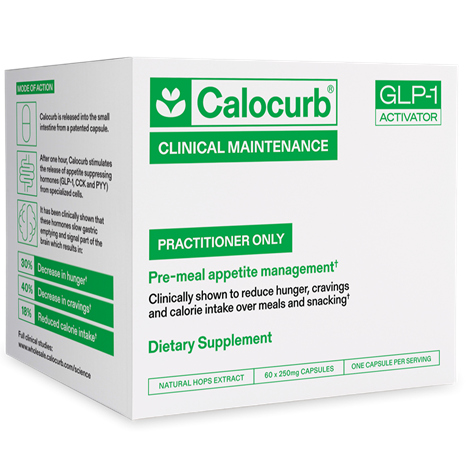
Calocurb® Clinical Maintenance Pack
Ortho Molecular Products
60 capsules
$142.90$128.74 with Subscribe & Save
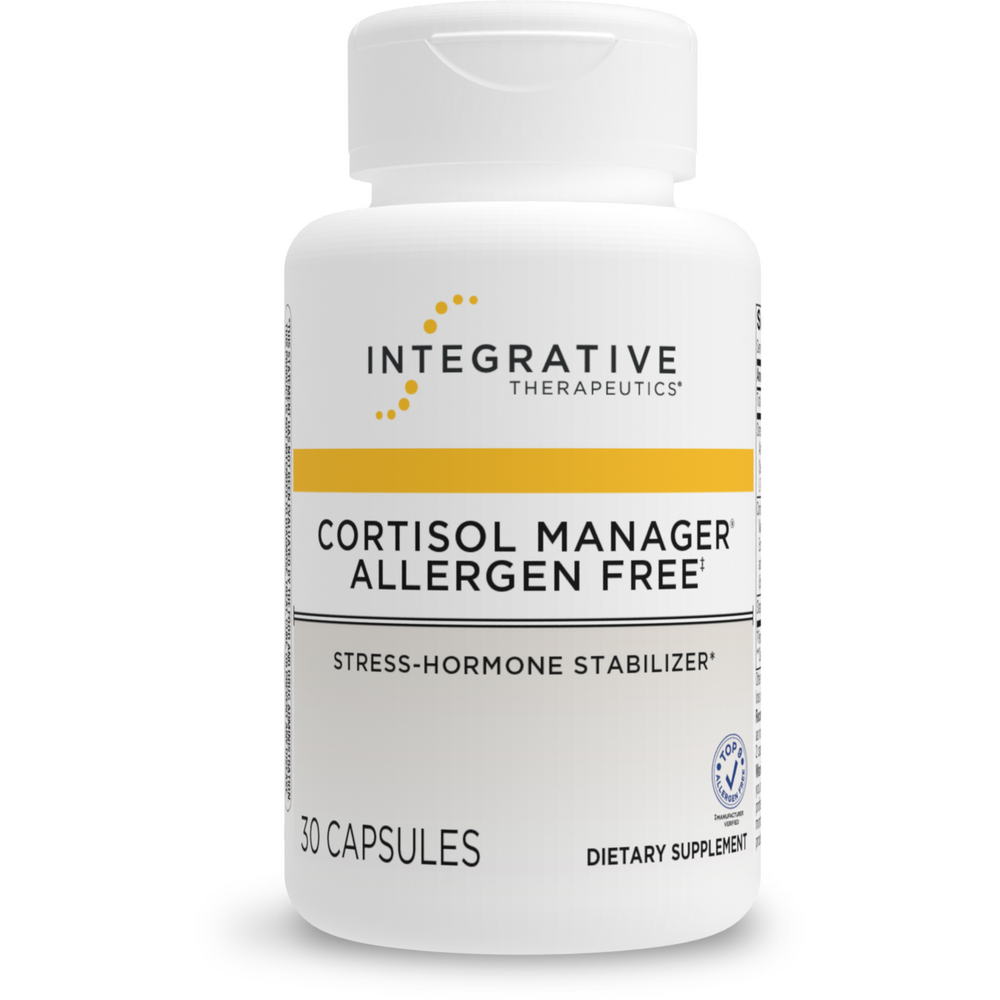
Cortisol Manager Allergen Free
Integrative Therapeutics
30 capsules
$28.99$22.99 with Subscribe & Save