 Instalab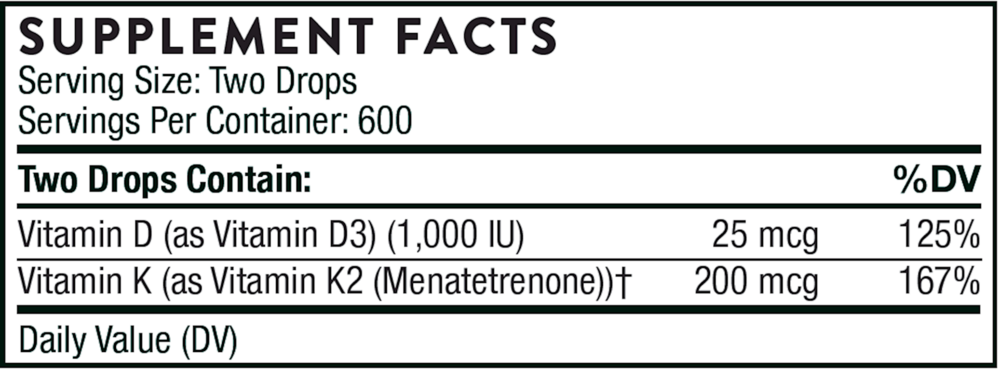



Thorne
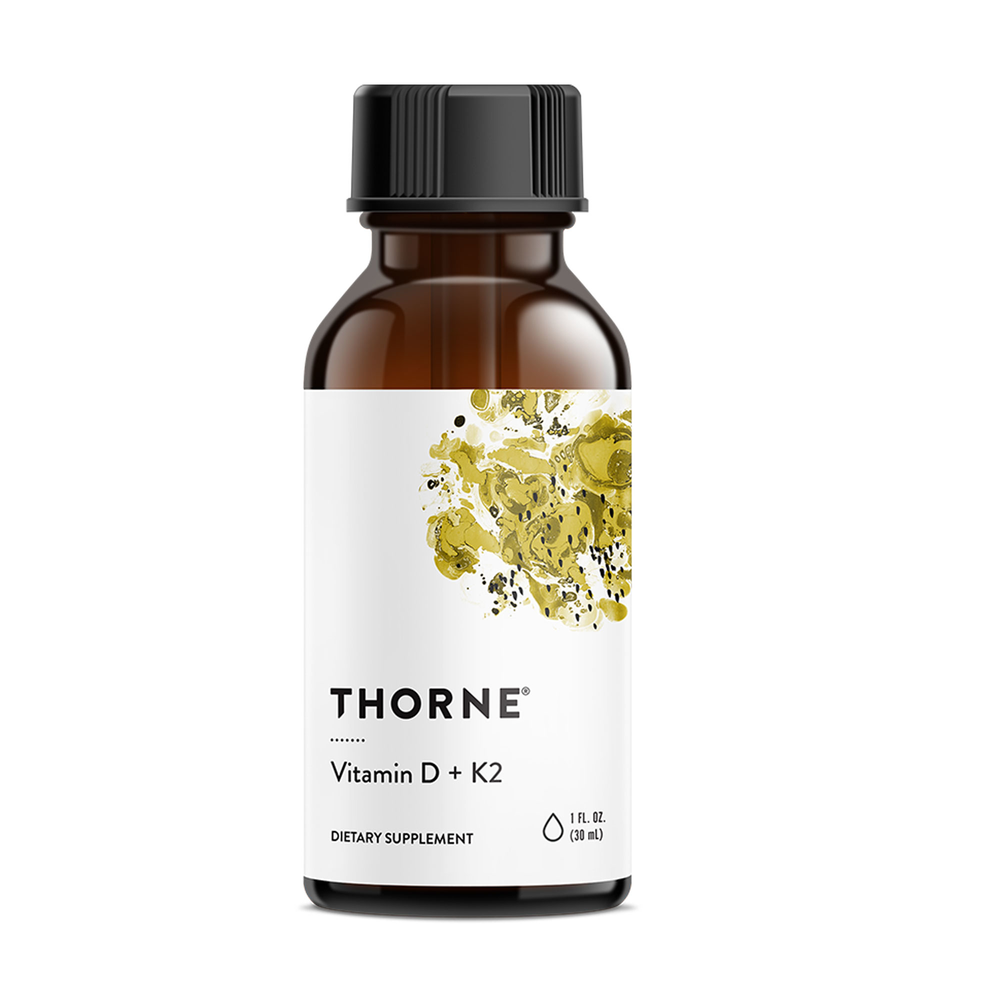
Vitamin D + K2 Liquid by Thorne
30 milliliters
Essential Vitamins for Bone, Heart, and Immune Health$34.00
Purchase options
Practitioner-grade brand3rd-party testedFree shipping $50+
Gluten Free·Soy Free·Dairy Free·Milk Free
Thorne Vitamin D + K2 Liquid overview
If you’re looking for a maintenance-level vitamin D3 K2, this liquid fits adults whose Vitamin D, 25-Hydroxy is in the lower part of the normal range and who want a gentle daily dose. It’s practical if you get little sun, have darker skin, use sunscreen, live at northern latitudes, or dislike pills. The 1,000 IU vitamin D3 per serving is upkeep, not repletion—if your level is meaningfully low, you’ll usually need a higher dose short term, then step down. Vegans and dairy-avoiders also benefit from the added K2.
Vitamin D3 raises calcium absorption from the gut and tones down parathyroid hormone (the signal that pulls calcium from bone). Vitamin K2 activates proteins like osteocalcin (which helps lock calcium into bone) and matrix Gla protein (which keeps calcium out of soft tissues like arteries). This formula uses MK-4, the K2 form found in animal foods and human tissues; it’s fast-acting compared with MK-7, and both forms activate the same proteins. Claims about big immune effects are modest at best—think bone and calcium balance first.
Take 2 drops one to three times daily with a meal that contains some fat for better absorption. You can add the liquid to food or a drink. Keep the daily pattern steady and retest Vitamin D, 25-Hydroxy after 8 to 12 weeks to judge your personal dose. If your level remains low, increase under clinician guidance. Calcium can be taken alongside. This vitamin D3 K2 doesn’t need refrigeration; store at room temperature.
Skip K2 if you take warfarin or other vitamin K–antagonist blood thinners; added K2 changes their effect and requires prescriber-managed dosing. Newer anticoagulants that don’t target vitamin K are different, but still clear supplements with your clinician. Use medical supervision if you’ve had high calcium, recurrent kidney stones, sarcoidosis, or primary hyperparathyroidism, and monitor Calcium and PTH. Orlistat or bile acid sequestrants (cholestyramine, colesevelam) reduce absorption—separate dosing by several hours.
Frequently asked questions
Should I take vitamin D with K2?
It’s reasonable. Vitamin D raises calcium absorption, and K2 activates proteins that steer calcium toward bone and away from soft tissues. If your Vitamin D, 25-Hydroxy is low, prioritize getting D3 repleted; K2 is an add-on for calcium handling, not a substitute for fixing low D.
How long does vitamin D3 K2 take to work?
For vitamin D status, retest Vitamin D, 25-Hydroxy after 8–12 weeks. Changes in parathyroid hormone and bone turnover markers follow along that timeline. K2’s protein activation is rapid, but bone outcomes accrue over months to years of steady intake.
Is MK-4 or MK-7 better for K2?
Both activate the same vitamin K–dependent proteins. MK-4 (used here) is the form found in tissues and has a shorter half-life, so it’s typically dosed daily. MK-7 lasts longer and is often used once daily. Clinical fracture data at high doses exist for MK-4; at nutritional doses, either is reasonable.
Can I take vitamin D3 K2 with calcium or magnesium?
Yes. Vitamin D3 K2 pairs well with calcium and magnesium, ideally with meals. The key is monitoring: if you supplement calcium, periodic labs like Calcium and Vitamin D, 25-Hydroxy help ensure you’re in a safe, effective range.
Does vitamin D3 K2 thin your blood?
No. Vitamin K2 is involved in normal clotting, and added K can interfere with warfarin dosing. If you’re on warfarin or similar vitamin K–antagonists, avoid K2 unless your prescriber adjusts your regimen. Other anticoagulants aren’t vitamin K–dependent.
What’s the right dose of vitamin D3 K2 per day?
Use labs to guide it. This liquid provides 1,000 IU D3 plus 200 mcg K2 per serving, a maintenance dose for many adults. If your Vitamin D, 25-Hydroxy is low, clinicians often use higher D3 temporarily, then step down to a maintenance plan like this.
Can I take vitamin D3 K2 at night?
Any time is fine. Absorption is better with a meal that contains fat, so take it with your largest meal. Vitamin D doesn’t reliably affect sleep; consistency matters more than timing.
How to take it & ingredients
Suggested use: Take 2 drops one to three times daily or as recommended by your health professional. Invert bottle to dispense individual drops. May be added to food or mixed in beverages. Do not refrigerate.
Active ingredients
2 drops per serving
Vitamin D
Vitamin D3
Vitamin D3
1000 IU, 25 mcg
Vitamin K
Vitamin K2 (Menatetrenone, MK-4)
Vitamin K2 (Menatetrenone, MK-4)
200 mcg
Other ingredients: Medium Chain Triglycerides, Mixed Tocopherols
Certifications
Benefits
Warnings
Customers also considered
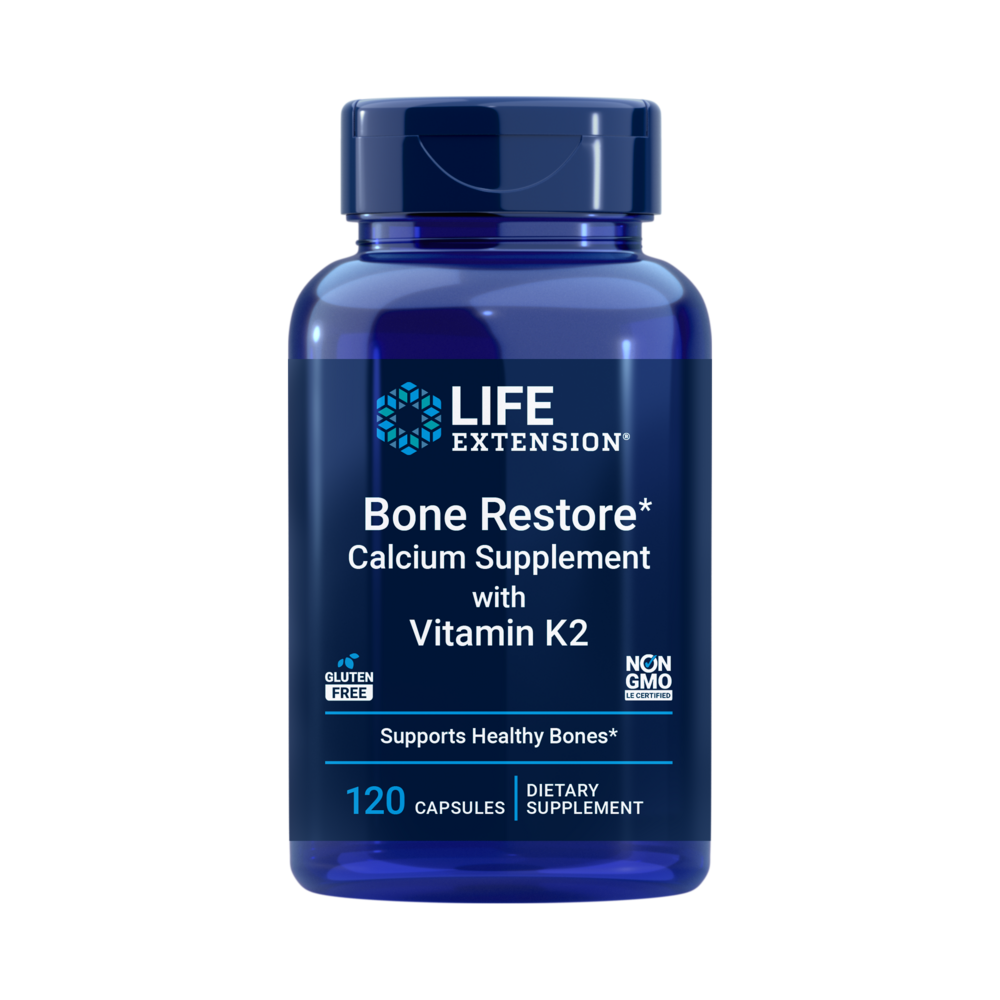
Bone Restore Calcium Supplement with Vitamin K2
Life Extension
120 capsules
$24.99Save 20% with Subscribe & Save
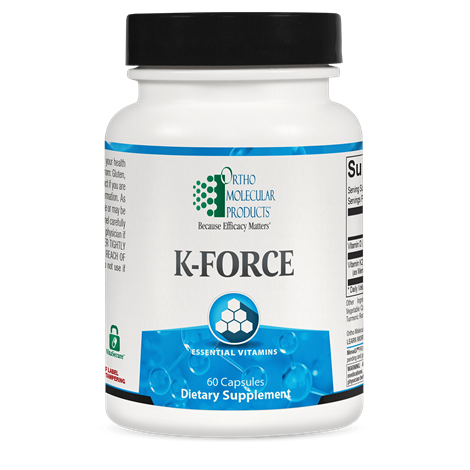
K-FORCE
Ortho Molecular Products
60 capsules
$60.33Save 10% with Subscribe & Save
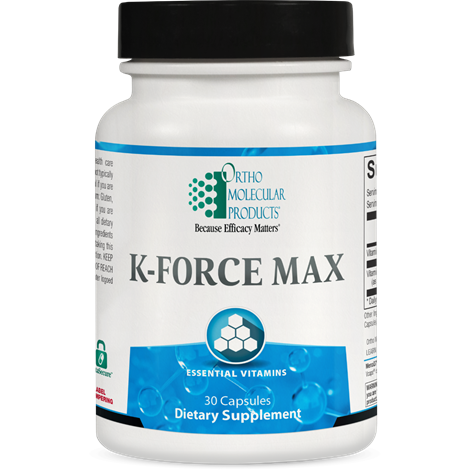
K-FORCE MAX
Ortho Molecular Products
30 capsules
$44.79Save 10% with Subscribe & Save
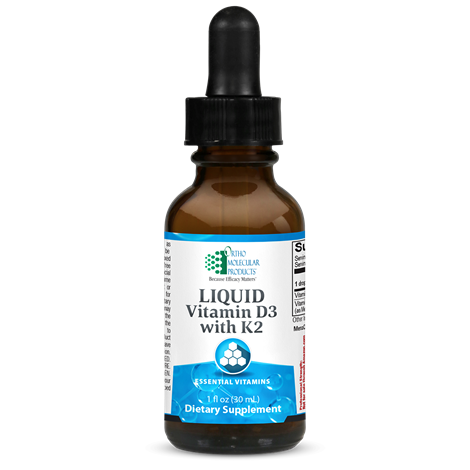
Liquid Vitamin D3 with K2
Ortho Molecular Products
30 milliliters
$52.00Save 10% with Subscribe & Save