 Instalab
Vitamin D + K
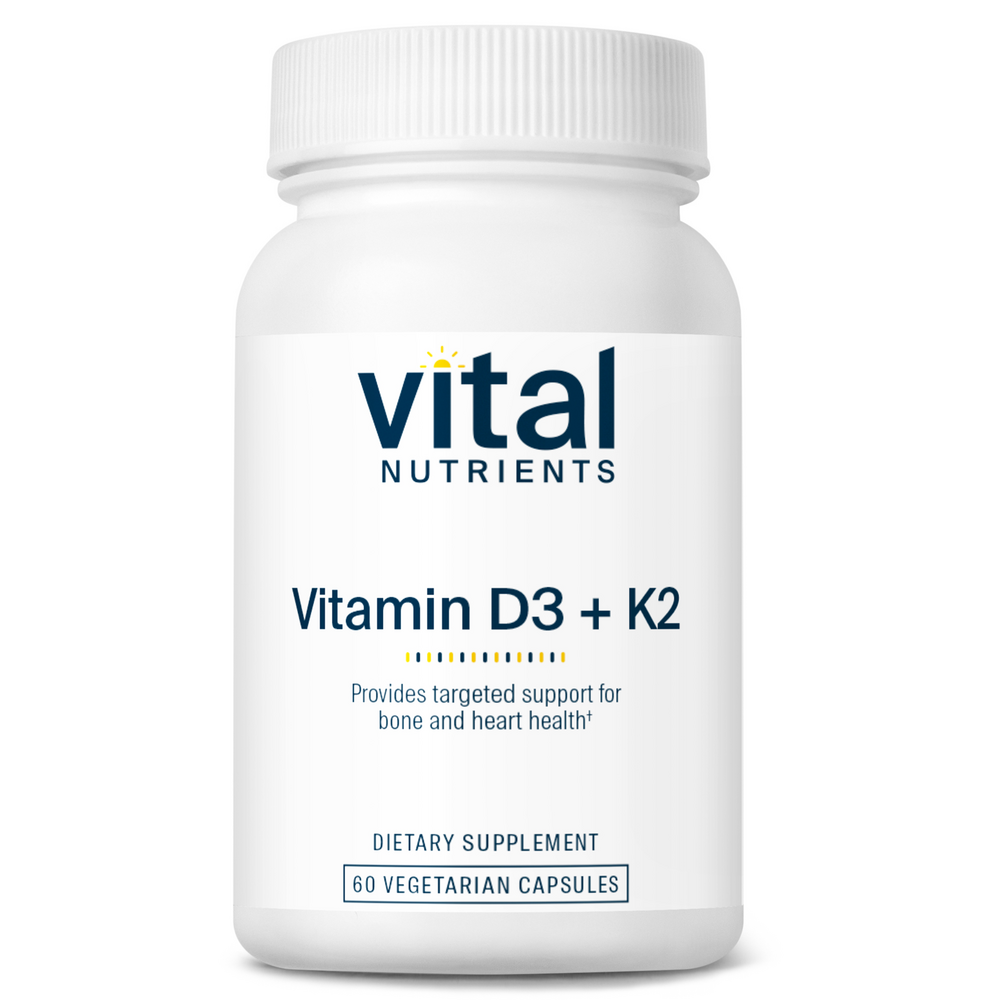
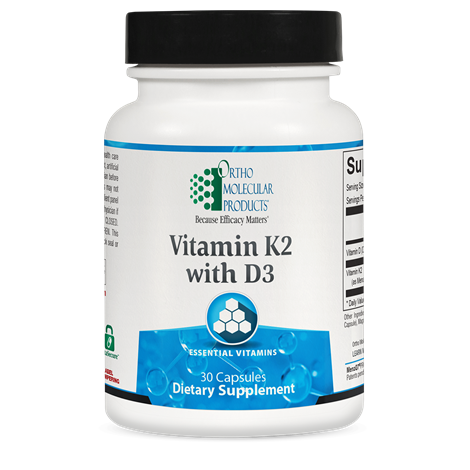
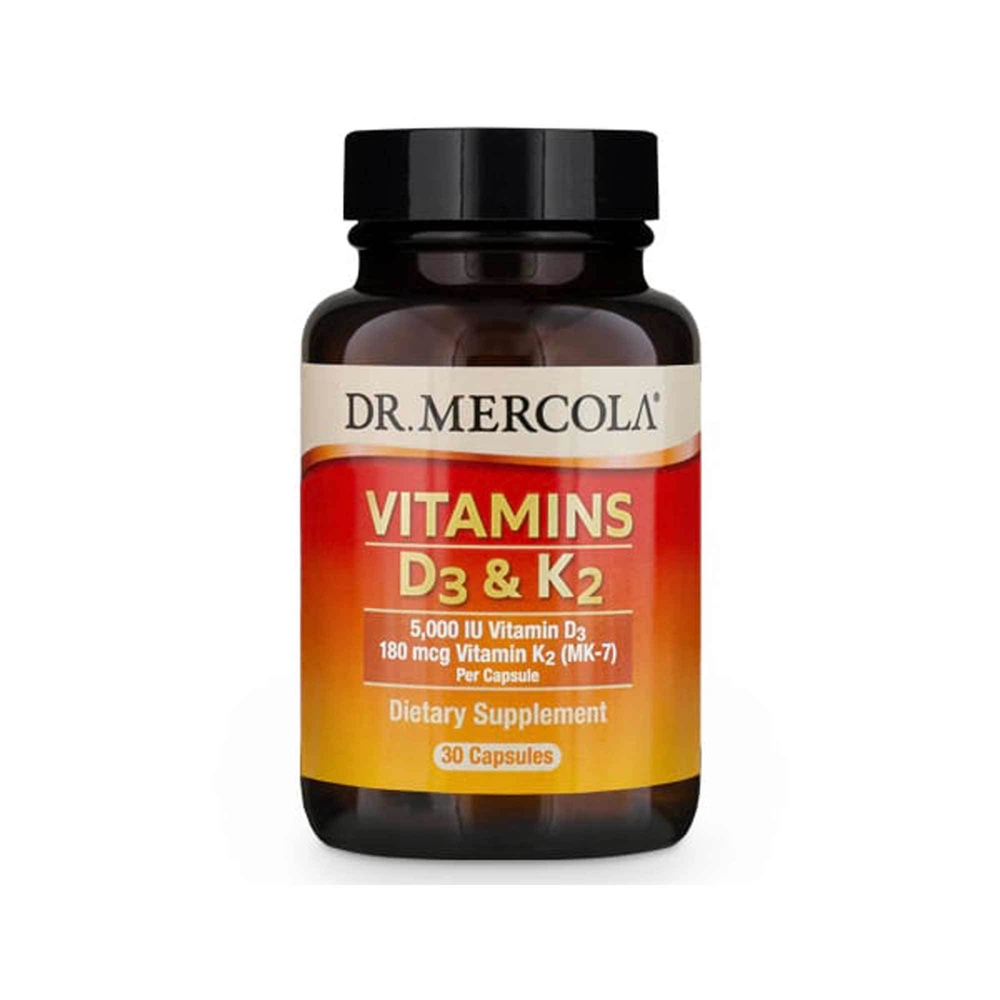
Combined vitamin D3 + K2 supports bone density and arterial health.
Our vetting standard
Every vitamin d + k formula here clears the same bar.
- Clinically studied, effective doses
- Bioavailable, well-absorbed forms
- Practitioner-grade, trusted brands
- Third-party tested for identity and potency
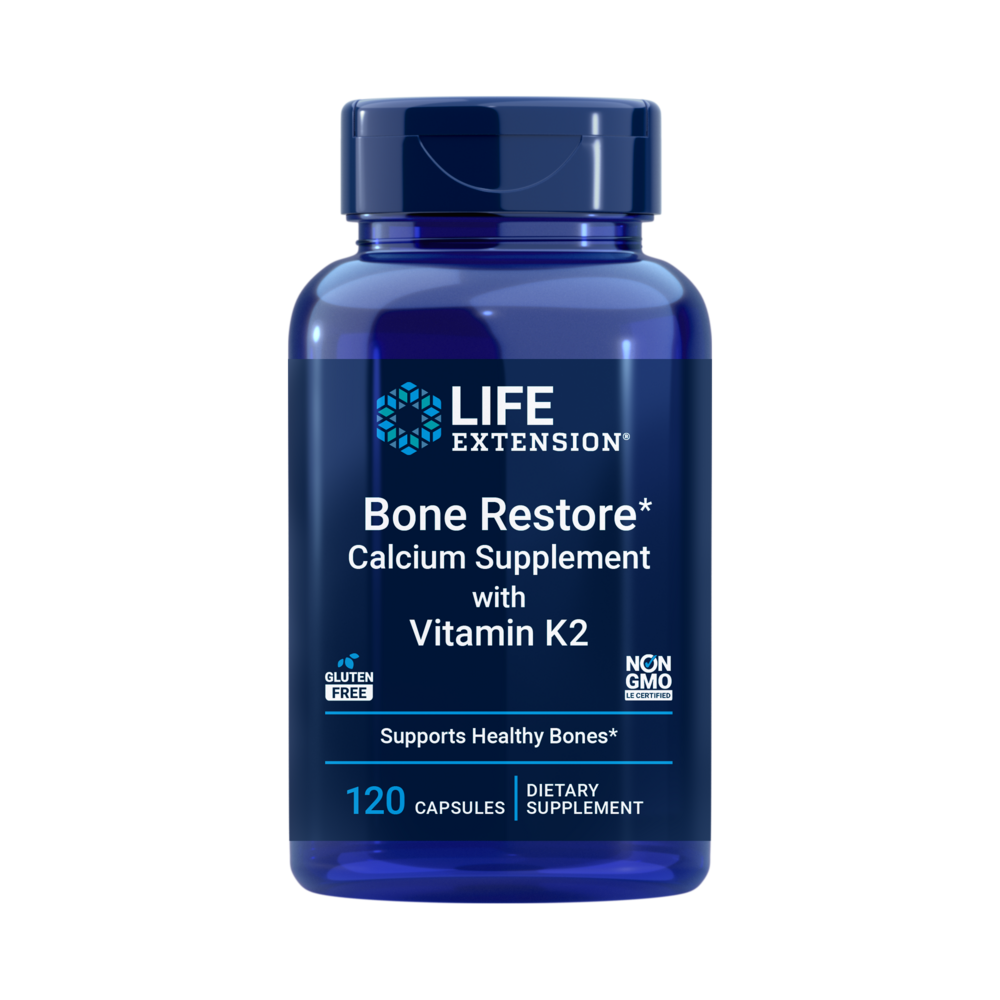
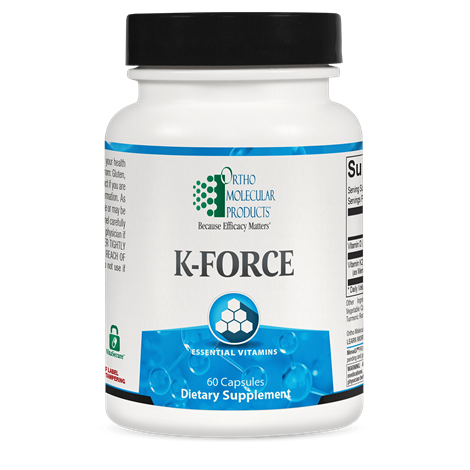
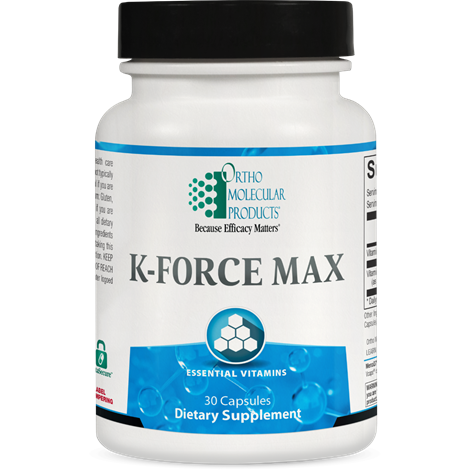
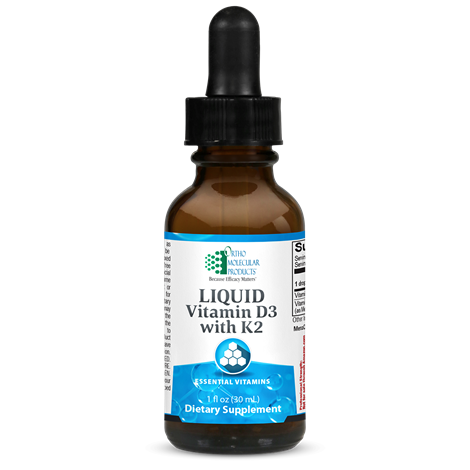
See if it's actually working
Vitamin D should rise with PTH falling; the K in the combination is there to direct that calcium into bone rather than arteries.
Vitamin D + K FAQs
Why combine vitamin D with K2?
Vitamin D increases calcium absorption from the gut. K2 activates osteocalcin (which puts calcium in bones) and matrix Gla protein (which keeps calcium out of arteries). Together they support bone density without raising arterial calcification risk.
What form of K2 is best?
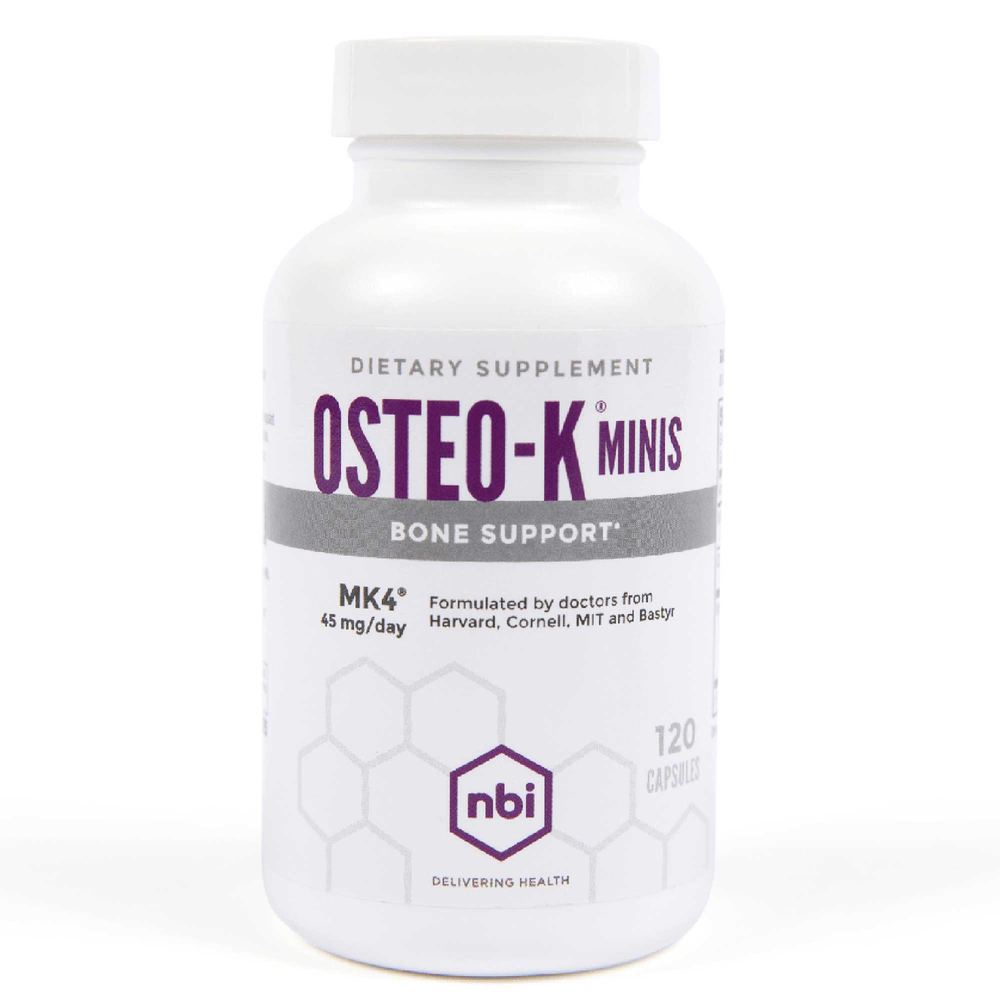
MK-7 is preferred over MK-4 for most people because it has a much longer half-life (3 days vs hours) and provides steady effects from a single daily dose. MK-4 needs to be taken multiple times per day at higher doses to be effective.
How much D3 and K2 should I take?
Common formulas: 1,000–5,000 IU D3 + 90–180 mcg MK-7. Adjust D dose to maintain 25-OH-D in the 40–60 ng/mL range. Take with a fatty meal for absorption. People on warfarin should consult a clinician — K2 can affect blood thinning.
D3+K2 vs. D3 alone — which is better?
If you have any cardiovascular risk factors, calcium concerns, or are taking calcium supplements, D3+K2 is preferable. K2 redirects calcium away from arteries and into bones. D3 alone is fine if you're young, healthy, and have no calcium imbalance concerns.
Can I take D3+K2 if I'm on warfarin?
Talk to your clinician first. K2 can affect warfarin dosing because vitamin K is the antidote to warfarin. Newer anticoagulants (DOACs like apixaban, rivaroxaban) don't interact with vitamin K. Consistency in K intake matters more than avoidance.
Are there food sources of K2?
Natto (fermented soybeans) is by far the highest source. Other sources: hard cheeses, egg yolks, butter from grass-fed cows, and fermented foods. Most Western diets are low in K2 — supplementation is one of the simplest ways to ensure adequate intake.
Will K2 help reverse arterial calcification?
Some evidence suggests K2 (180 mcg MK-7 daily) may slow or modestly improve arterial calcification over 1–3 years. Effects build slowly. Pair with optimized vitamin D, magnesium, and lifestyle factors for best results.
Are there side effects of D+K2?
Generally well-tolerated. Rare reactions include digestive upset or skin reactions. Excess vitamin D is the main risk (toxicity from doses above 40,000 IU sustained), not K2. Test 25-OH-D periodically when on higher D doses.
When should I take D3+K2?
With a meal containing fat — both are fat-soluble. Many people take it with breakfast or lunch. K2 has a half-life of 3 days (MK-7), so once-daily dosing maintains steady levels.