 Instalab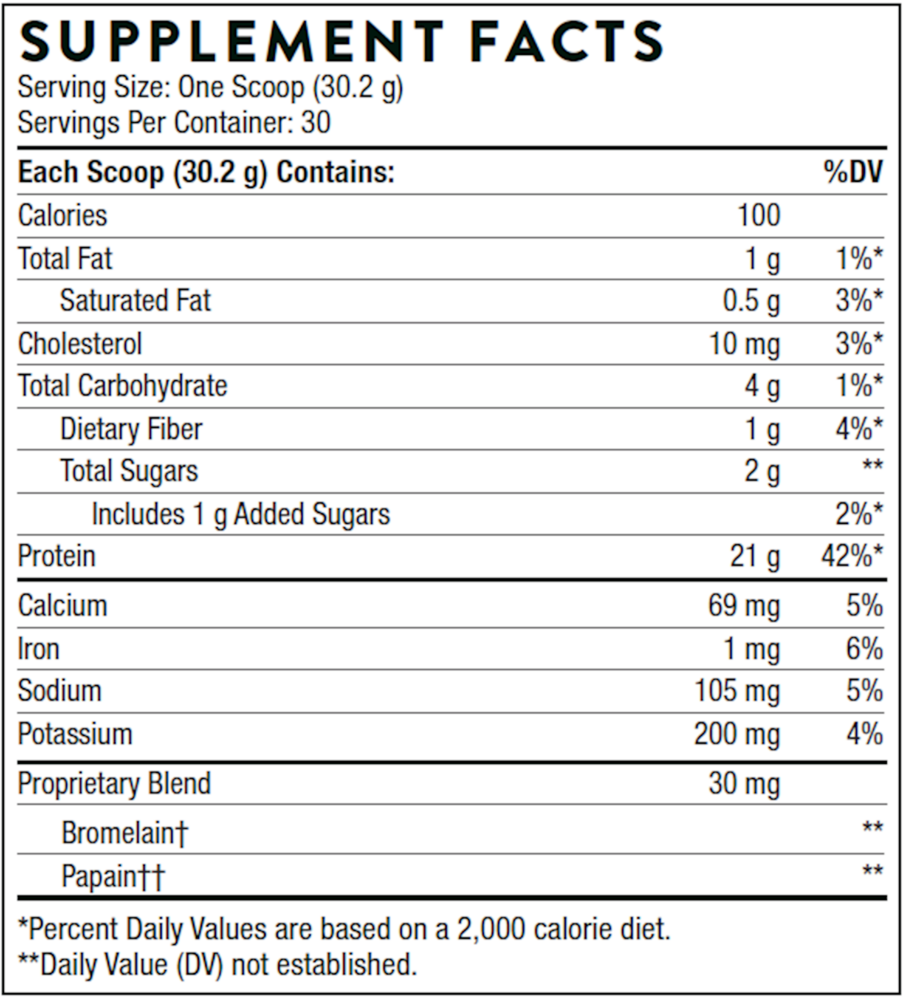
Thorne
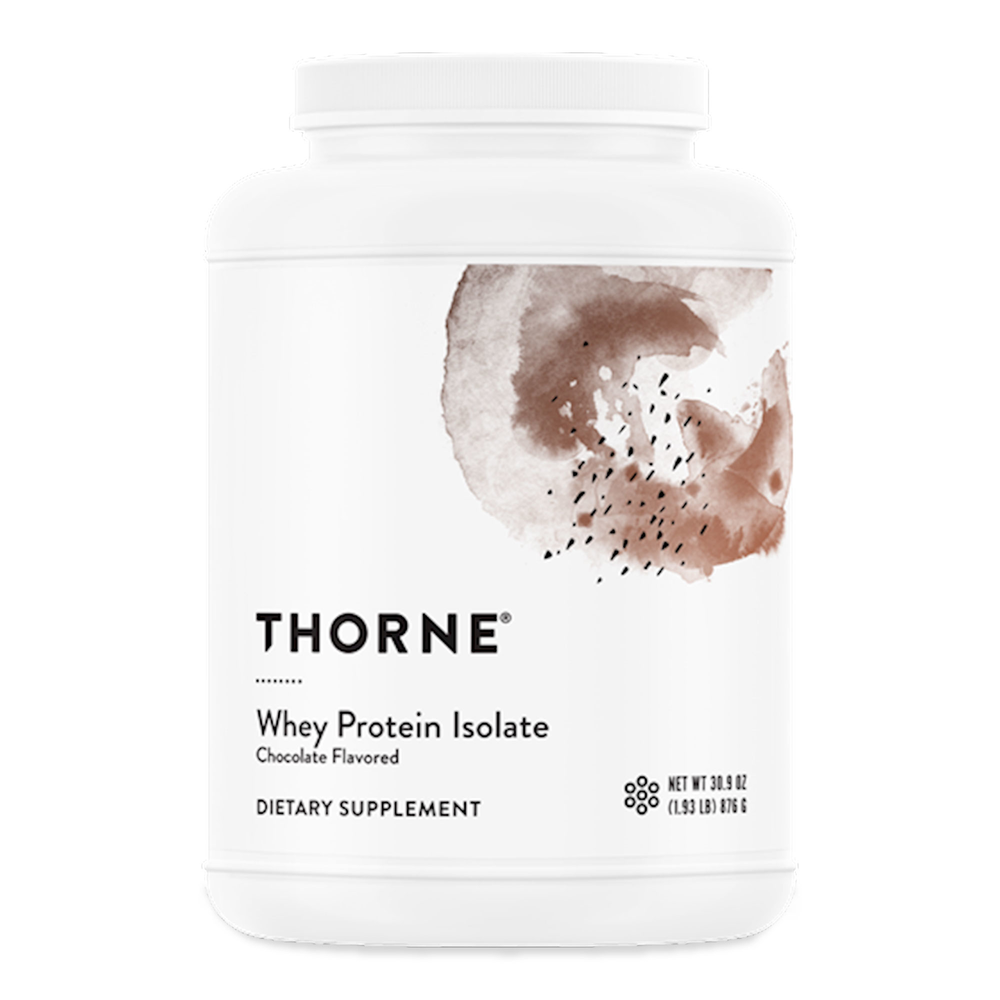
Whey Protein Isolate Chocolate by Thorne
906 grams · 30-day supply
High-Quality Whey Protein Isolate for Muscle Support and Recovery$65.00retail
Add to cart for 20% off
Purchase option
20% below MSRP3rd-party tested for purity & potencyFree shipping $50+
Gluten Free·Soy Free
Thorne Whey Protein Isolate Chocolate overview
If you train hard, struggle to hit your daily protein target, or want a low-lactose shake, whey protein isolate fits. It’s useful after strength work to drive muscle repair, for busy professionals who skip meals, and for adults in their 30s–50s preserving lean mass. Vegans won’t use dairy, but lactose-sensitive omnivores usually tolerate isolate well. If you already meet 1.2–1.6 g/kg/day of protein from food, a powder adds convenience more than upside.
Whey protein isolate digests quickly and delivers more leucine per gram than most proteins, which flips on mTOR (the cell’s growth signal) to start muscle protein synthesis. Compared with whey concentrate or casein, isolate has most lactose and fat removed, so it’s lighter on the gut and faster into muscle. A small dose of bromelain and papain (protein-digesting enzymes) helps break peptides down for absorption.
Mix one scoop with 8–12 ounces of water or milk once daily, or as your clinician recommends. Post-workout within 1–2 hours is the easiest win; pair with some carbohydrate for faster glycogen refill. If you need more protein, split two smaller shakes across the day. Casein is better before bed, while whey protein isolate shines for daytime and post-training recovery.
Skip this if you have a diagnosed milk protein allergy. If you have chronic kidney disease or were told to limit protein, talk to your nephrologist first. The bromelain/papain amount is small, but if you use blood thinners like warfarin or have a bleeding disorder, check with your clinician. For strict vegans, choose a pea or soy protein instead.
Frequently asked questions
Is whey protein isolate good for lactose intolerance?
Often yes. Whey protein isolate has most lactose removed and is usually better tolerated than whey concentrate or milk. If you’re highly lactose sensitive, start with half a scoop in water and assess, or choose a lactose-free plant protein.
How much whey protein isolate should I take per day?
Use enough to help you reach your daily protein goal, not a fixed scoop count. Many active adults aim for 1.2–1.6 g/kg/day from food plus shakes. One scoop typically adds about 20 grams; larger athletes or those cutting calories may use two split doses.
When is the best time to take whey protein isolate?
Within 1–2 hours after training is the most practical window to drive muscle repair. On rest days, use it to anchor a lower-protein meal or as a snack. For overnight coverage, a slower protein like casein is a better pick than whey.
Does whey protein isolate cause acne?
It can in some people, likely via insulin and hormone signaling after high dairy protein loads. If you notice breakouts, reduce dose, switch to a plant protein, and keep total dairy modest. Good sleep and gentle cleansers also help.
Is whey protein isolate bad for your kidneys?
Not in healthy adults at common intakes. Concerns apply to people with existing kidney disease who are on protein-restricted diets. If your eGFR (a kidney function estimate) is low or you have albumin in the urine, use protein supplements only under clinician guidance.
What’s the difference between whey isolate and concentrate?
Whey isolate is more filtered: higher protein per scoop with less lactose and fat, and it digests faster. Whey concentrate costs less but carries more lactose and calories. If you’re lactose sensitive or want leaner macros, isolate is the better fit.
Is whey protein isolate safe in pregnancy or breastfeeding?
It’s a dairy-derived food protein and generally safe if you tolerate dairy, but nutrition in pregnancy should be individualized. Confirm your total protein target with your obstetric clinician and choose products certified for purity like NSF Certified for Sport.
How to take it & ingredients
Suggested use: Mix 1 scoop with at least 8 ounces of water, juice, or preferred beverage daily, or as recommended by your health professional.
Active ingredients
1 scoop (30.2 grams) per serving · 30 servings
Whey Protein Isolate
25 g
Protein
21 g
Dietary Fiber
1 g
94 mg
1 mg
105 mg
200 mg
Proprietary Blend (Bromelain, Papain)
30 mg
Other ingredients: Alkalized Cocoa Powder, Flavors, Evaporated Cane Juice Sugar, Stevia Extract (leaf), Xanthan Gum, Carboxymethylcellulose Gum
Certifications
Benefits
Warnings
Customers also considered
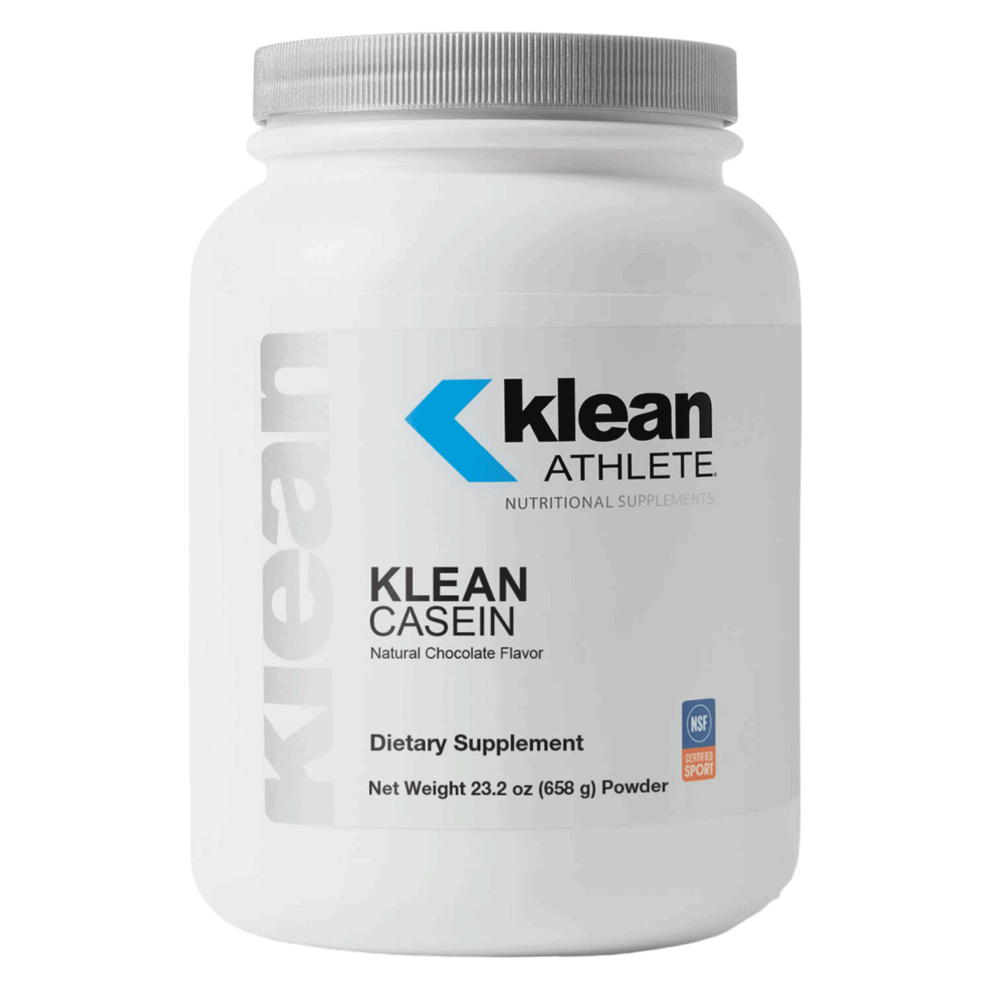
Klean Athlete
Casein Natural Chocolate
658 grams
$68.50
Add to cart for lower price
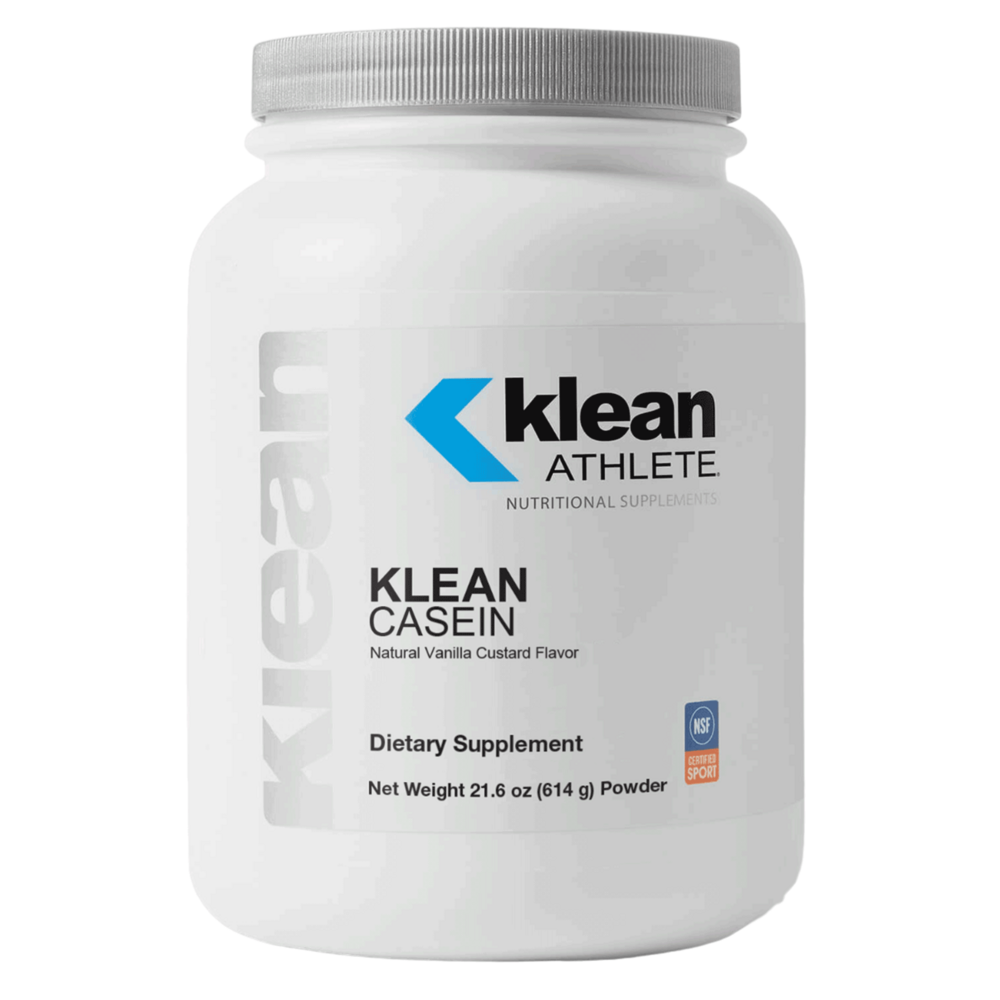
Klean Athlete
Casein Natural Vanilla Custard Flavor
614 grams
$68.50
Add to cart for lower price
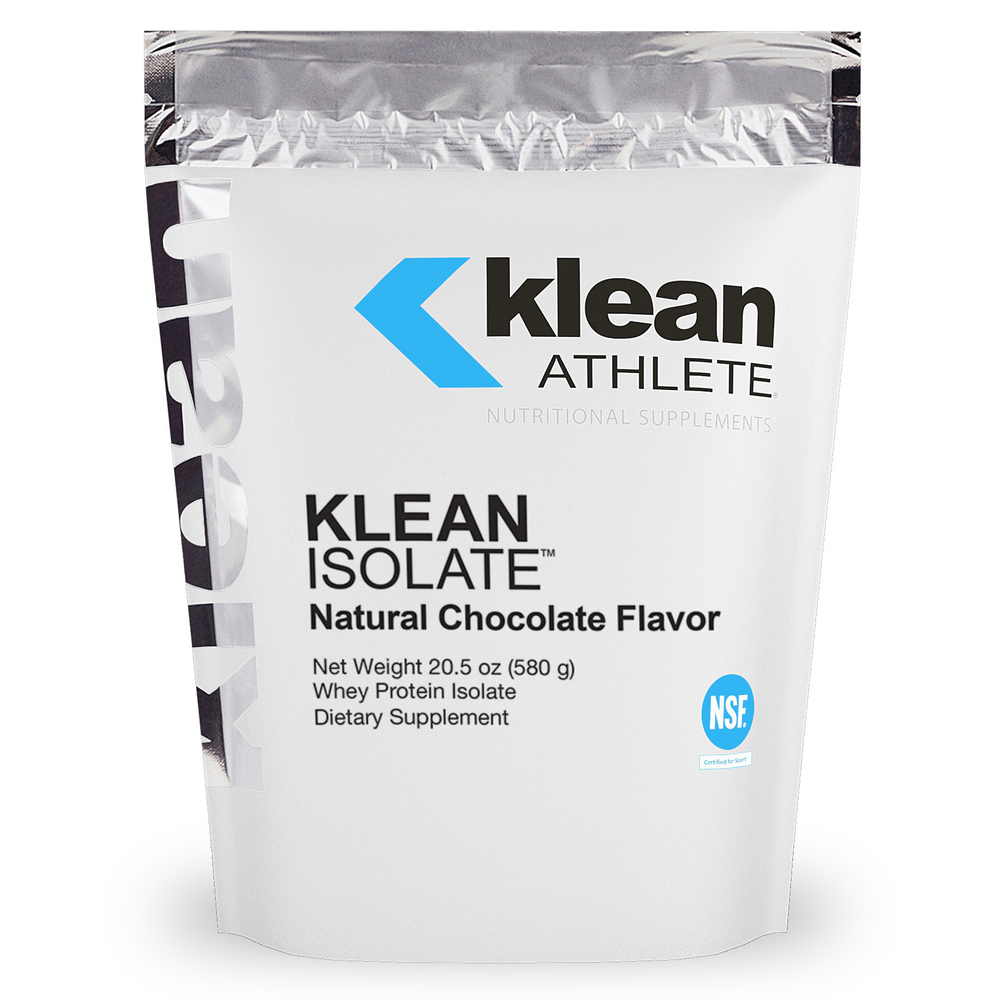
Klean Athlete
Klean Isolate Natural Chocolate
580 grams
$64.50
Add to cart for lower price
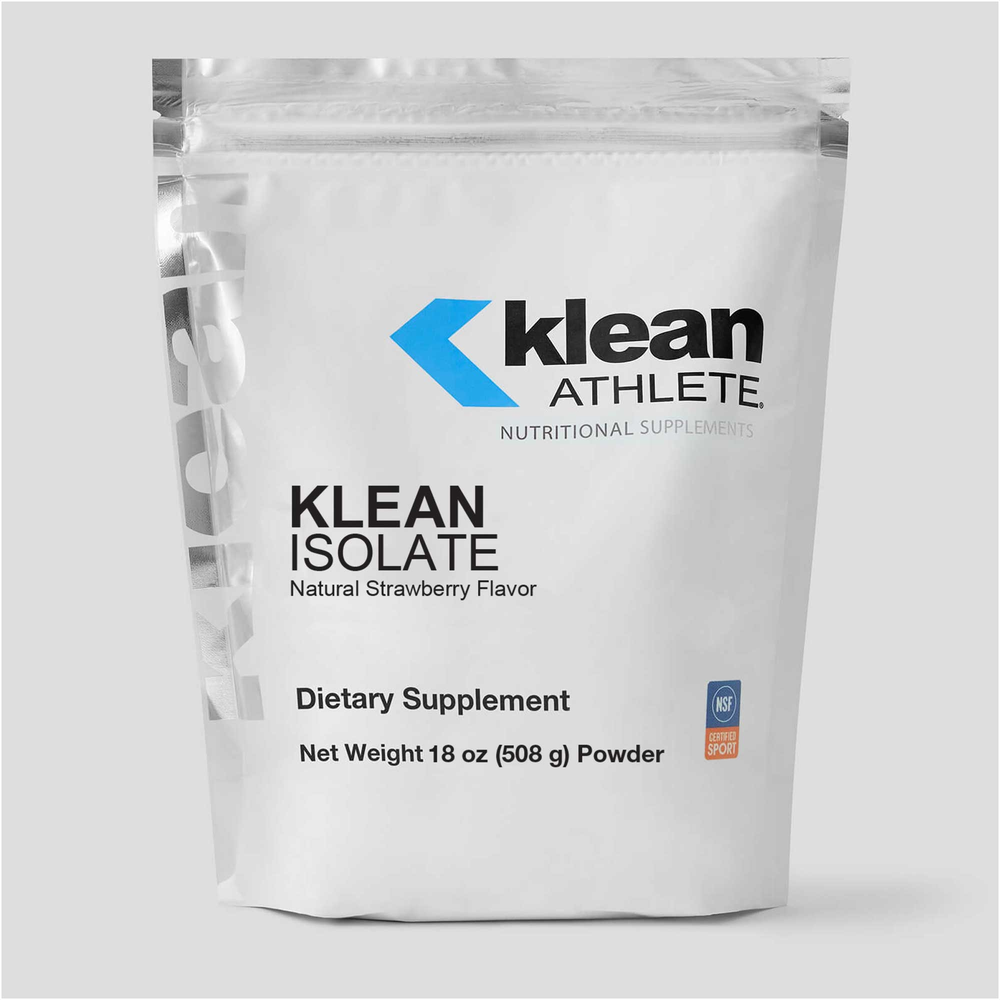
Klean Athlete
Klean Isolate Natural Strawberry
508 grams
$64.50
Add to cart for lower price