 Instalab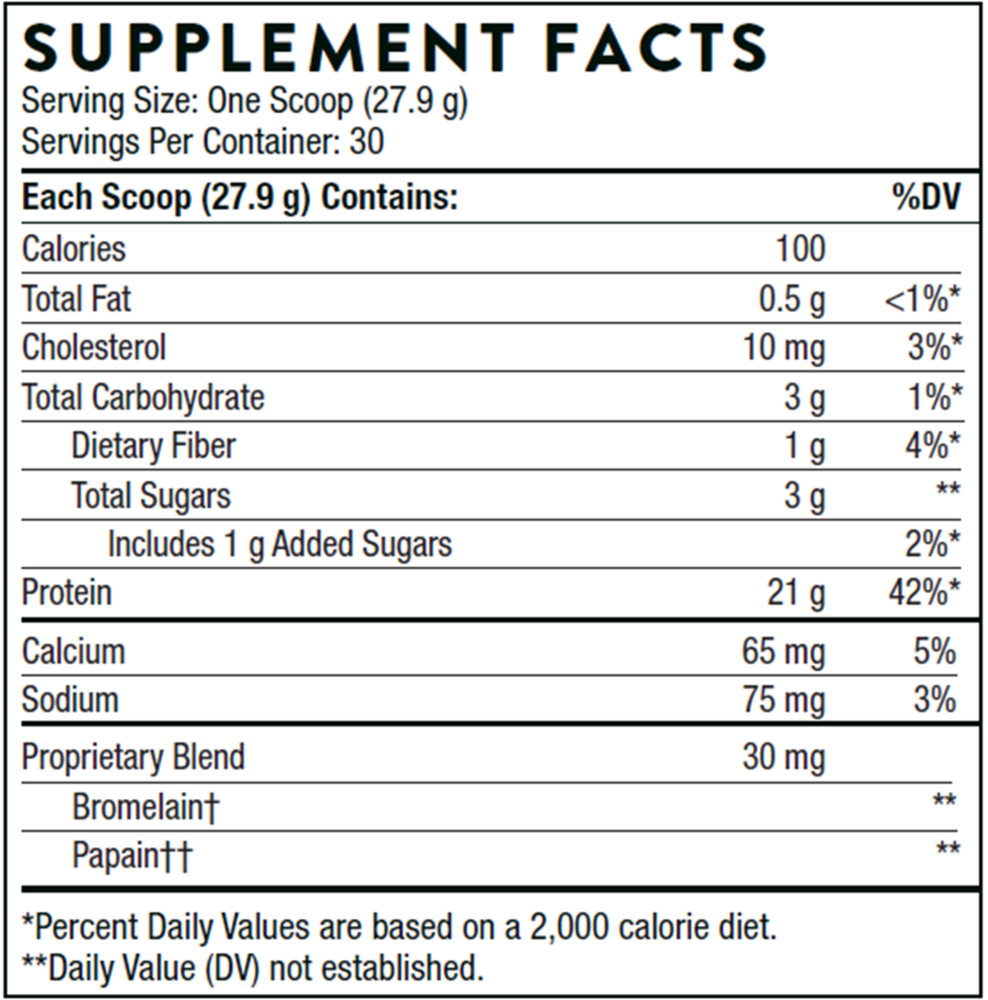
Thorne
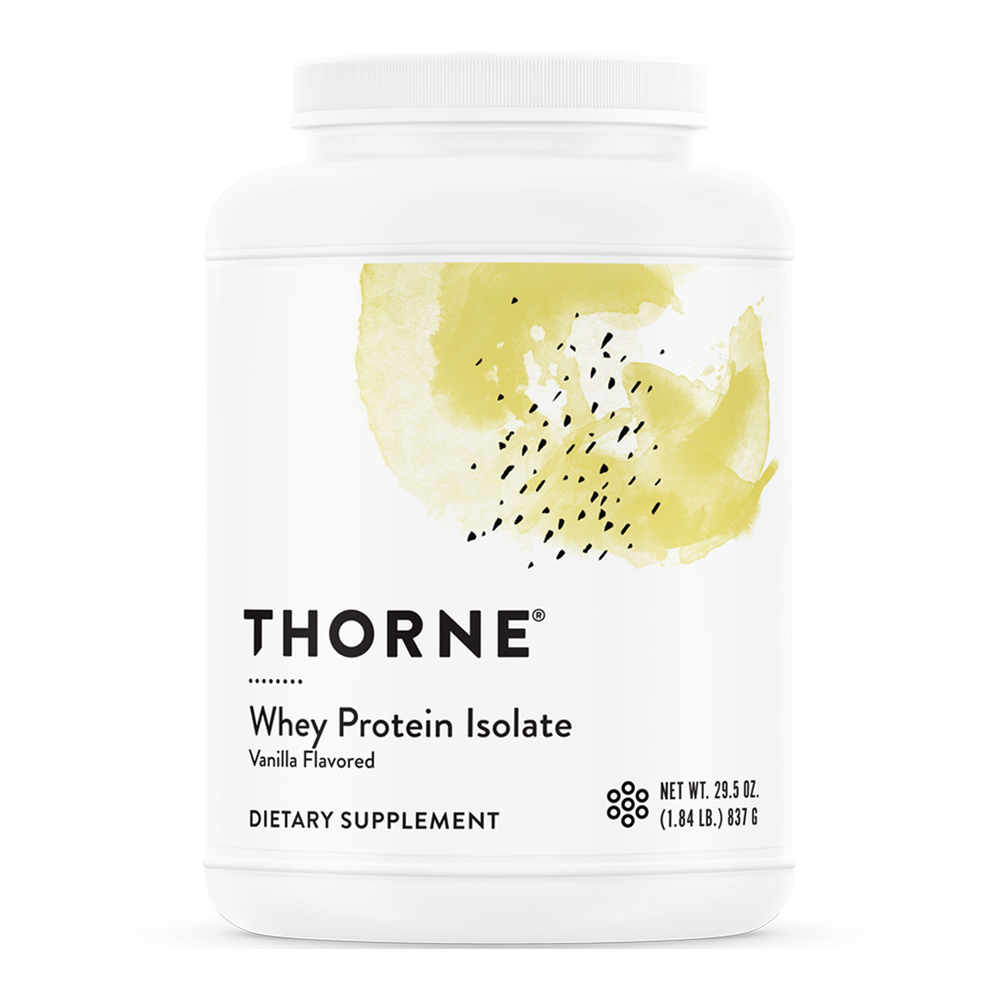
Whey Protein Isolate Vanilla by Thorne
837 grams · 30-day supply
High-Quality Whey Protein Isolate for Muscle Recovery and Growth$65.00retail
Add to cart for 20% off
Purchase option
20% below MSRP3rd-party tested for purity & potencyFree shipping $50+
Gluten Free·Soy Free
Thorne Whey Protein Isolate Vanilla overview
If you lift, run, or are rebuilding after a training break, whey protein isolate is a fast, clean way to hit a complete-protein target per meal. It’s useful when whole-food protein is inconvenient, for older adults who need more per-meal protein to overcome age-related “anabolic resistance,” and for weight management when you want a filling shake that curbs snacking. Because isolate is very low in lactose, it suits most lactose-intolerant people who can’t do regular dairy.
Whey protein delivers all essential amino acids with a high leucine content, which flips on muscle protein synthesis (the process of building new muscle fibers) after training. One scoop typically provides around 2–3 grams of leucine, enough to trigger that response for many adults. Compared with casein (a slower dairy protein), whey protein is rapidly digested, spiking amino acids in the blood within an hour, which is why it’s favored post‑workout. The included bromelain and papain are proteolytic enzymes (enzymes that help break down protein) to support digestion.
Mix one scoop with water or milk within 1–2 hours after training, or use it to anchor a meal when your protein intake is light. If you’re over 50 or have higher body weight, you may need 1–1.5 scoops to reliably hit the per‑meal threshold for muscle building. For hard training days, add carbohydrate if recovery is the goal. Expect strength and body-composition changes to show up over 4 to 12 weeks alongside a consistent program.
Skip whey protein isolate if you have a true milk-protein allergy. Use clinician guidance if you have chronic kidney disease or are on a protein-restricted plan. Space shakes by 2 hours from tetracycline or quinolone antibiotics, since minerals in foods and supplements can reduce those drugs’ absorption. If you take levodopa for Parkinson’s, keep higher-protein meals or shakes away from dosing times to avoid competition for absorption. Phenylketonuria requires tracking phenylalanine from all protein sources.
For weight loss or metabolic health, whey protein isolate helps with satiety and maintaining lean mass during a calorie deficit; pairing it with resistance training matters most. Many people track progress with body composition and, if working on blood sugar, periodic HbA1c (average glucose over 3 months) or fasting insulin. If acne or GI upset appear, try splitting the dose or switching brands or to casein or a plant blend.
Frequently asked questions
Is whey protein isolate good for weight loss?
Yes, as part of a calorie deficit, it helps control hunger and preserves lean mass. Use it to replace lower-protein snacks or anchor meals, and pair with resistance training. Track progress with body composition and waist measurements over 4–12 weeks.
How much whey protein isolate should I take per day?
Use enough to help you hit your daily protein target from all sources. Many active adults aim for roughly 20–40 g protein per meal; one scoop provides 25 g. Older or larger adults often need the higher end per meal to maximize muscle building.
When is the best time to take whey protein?
Post‑workout within 1–2 hours is convenient because whey digests quickly, but total daily protein matters more than timing. If recovery is the goal, combine it with carbohydrate. On rest days, use it whenever it helps you reach your protein goal.
Does whey protein isolate have lactose?
Whey isolate is very low in lactose and is usually tolerated by people with lactose intolerance. If you’re highly sensitive, start with half a scoop in water and assess. A true milk-protein allergy is different—avoid whey entirely in that case.
Is whey protein bad for your kidneys?
In healthy adults, higher-protein diets have not been shown to harm kidneys. If you have chronic kidney disease or are on a protein-restricted plan, use whey only under clinician guidance and follow your individualized protein prescription.
Can whey protein cause acne or stomach issues?
Some people notice acne or bloating. Try reducing the dose, switching to water instead of milk, or trialing a different protein (casein or a plant blend). If symptoms persist, discontinue and discuss alternatives with your clinician.
Can I take whey protein with antibiotics or levodopa?
Separate whey by 2 hours from tetracycline or quinolone antibiotics to avoid reduced drug absorption. Protein can compete with levodopa for absorption; take levodopa away from higher-protein meals or shakes per your prescriber’s advice.
How long until I see results from whey protein?
With consistent training and adequate total protein, most people see strength and body-composition changes in 4–12 weeks. Track performance, body measurements, and how you feel between sessions rather than expecting overnight changes.
How to take it & ingredients
Suggested use: Mix 1 scoop with at least 8 ounces of water, juice, or preferred beverage daily, or as recommended by your health professional.
Active ingredients
1 scoop (27.9 grams) per serving · 30 servings
Protein
Whey Isolate
Whey Isolate
25 g
Calcium
94 mg
Sodium
75 mg
Bromelain and Papain Blend
30 mg
Other ingredients: Cane Juice Sugar, Carboxymethylcellulose Gum, Flavors, Stevia Extract, Xanthan Gum
Certifications
Benefits
Warnings
Customers also considered
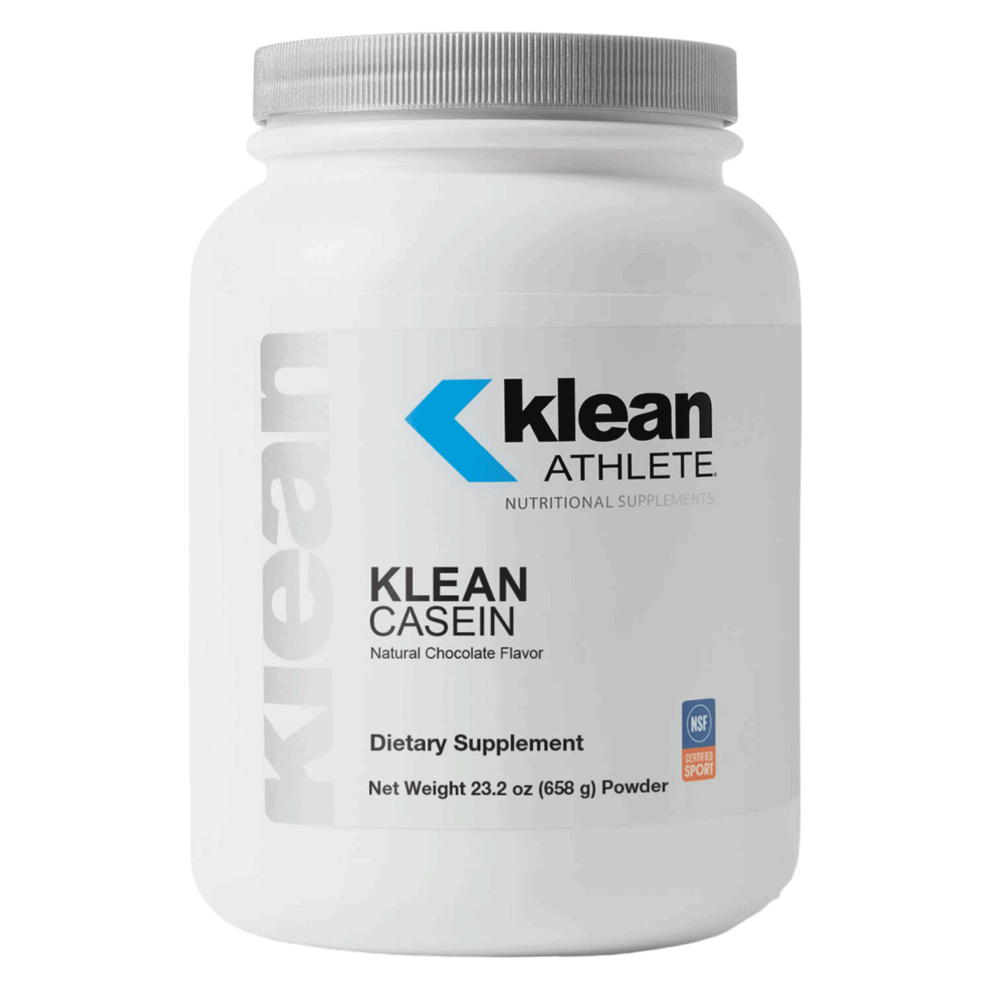
Klean Athlete
Casein Natural Chocolate
658 grams
$68.50
Add to cart for lower price
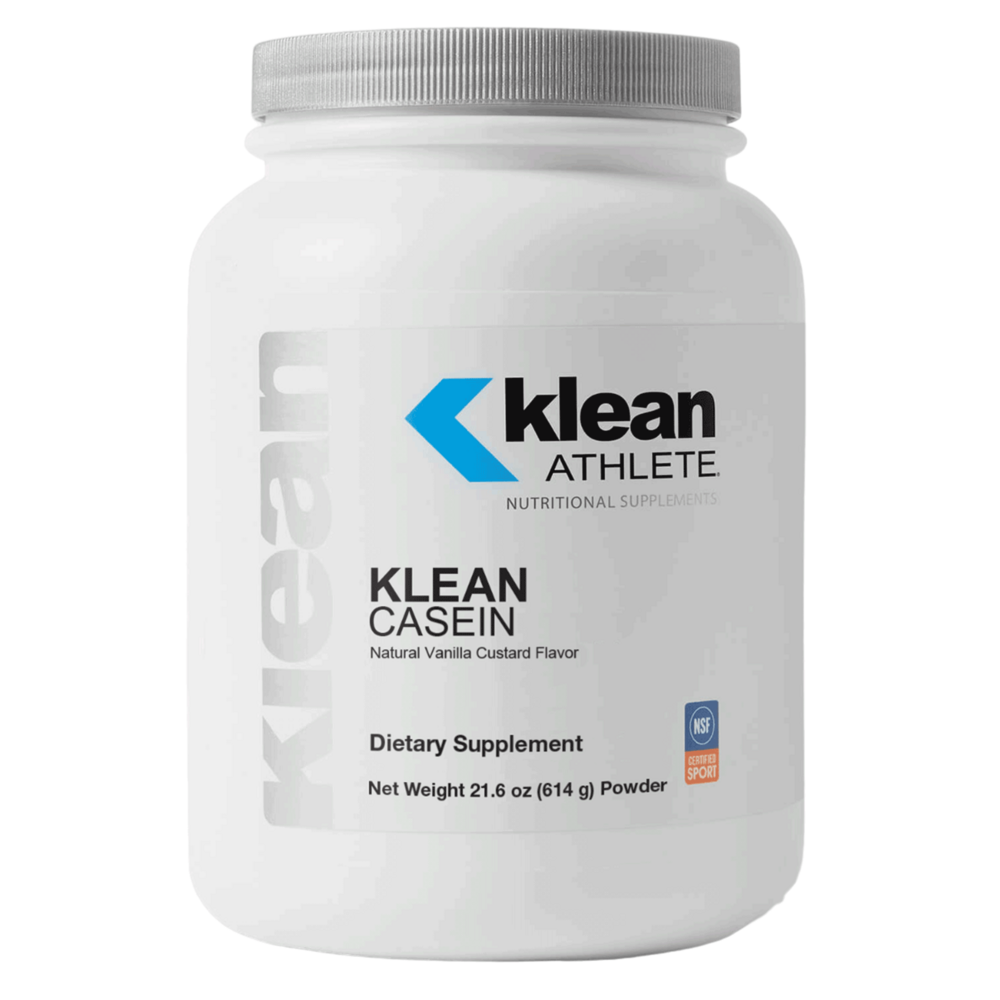
Klean Athlete
Casein Natural Vanilla Custard Flavor
614 grams
$68.50
Add to cart for lower price
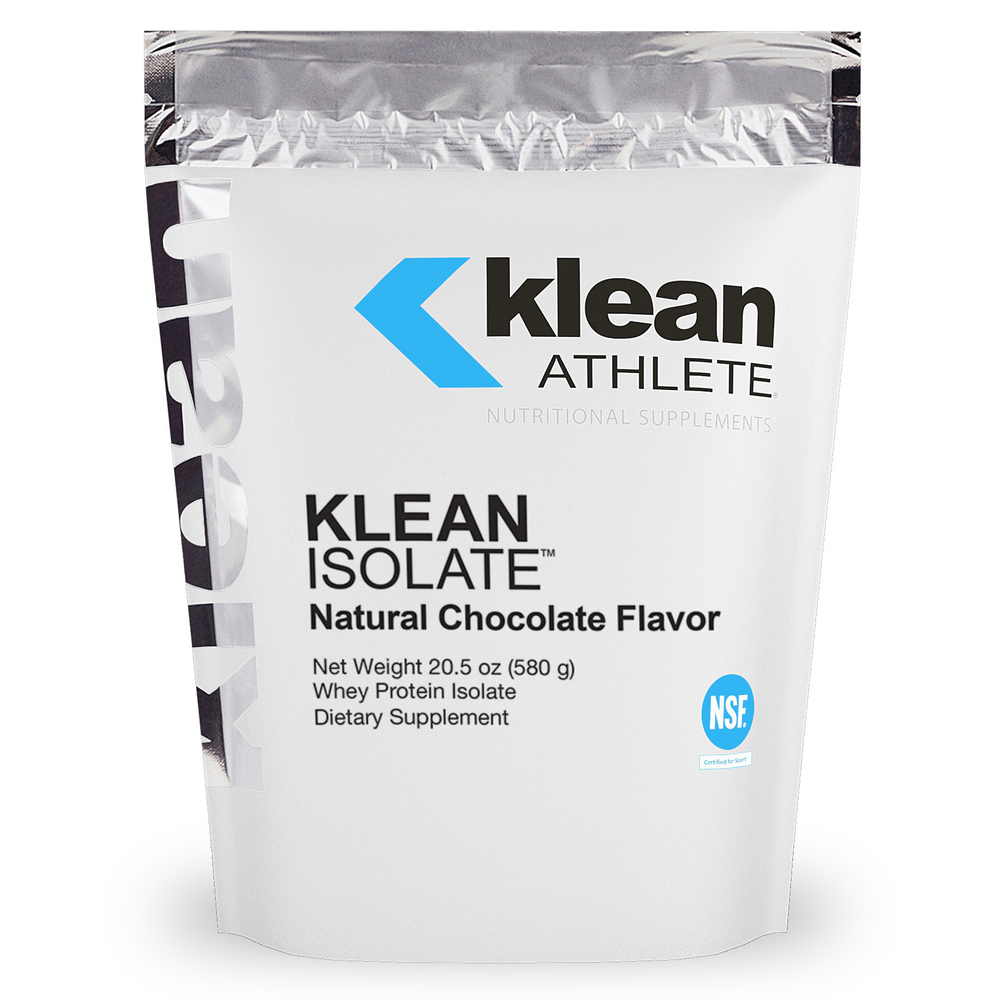
Klean Athlete
Klean Isolate Natural Chocolate
580 grams
$64.50
Add to cart for lower price
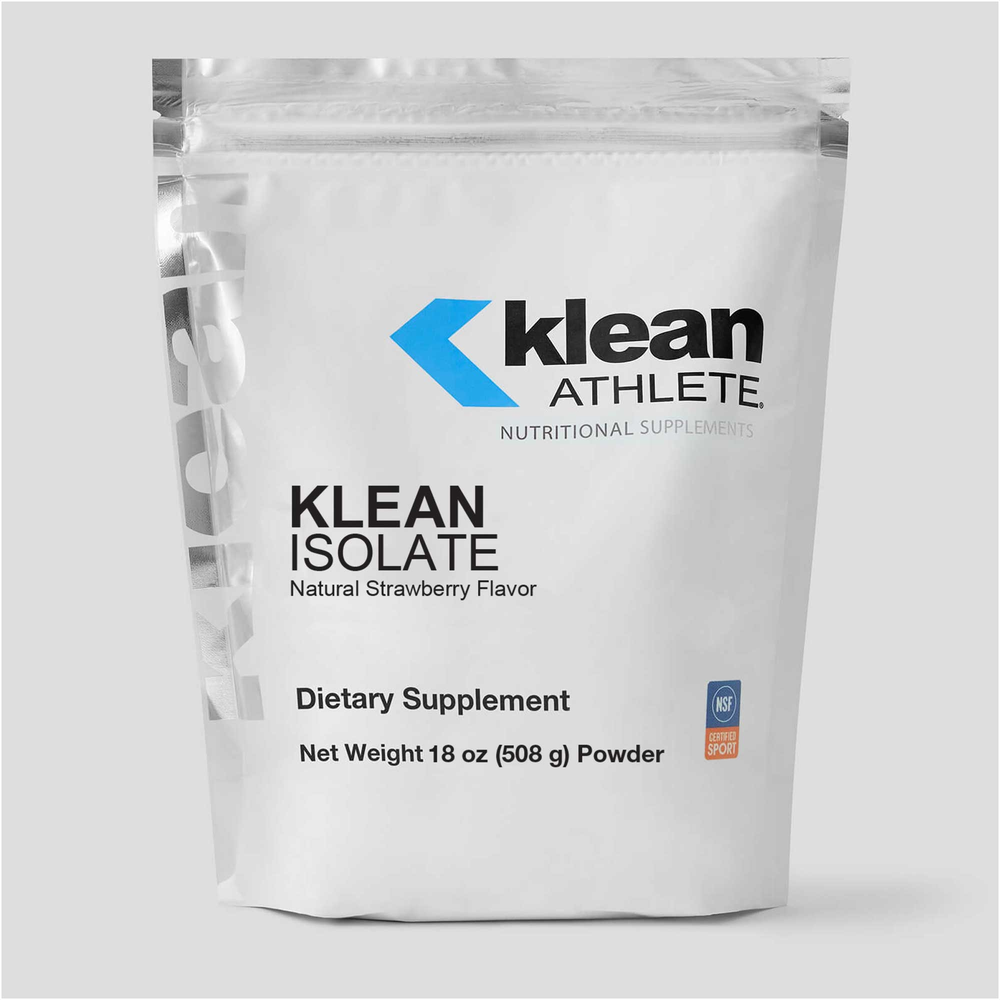
Klean Athlete
Klean Isolate Natural Strawberry
508 grams
$64.50
Add to cart for lower price