 Instalab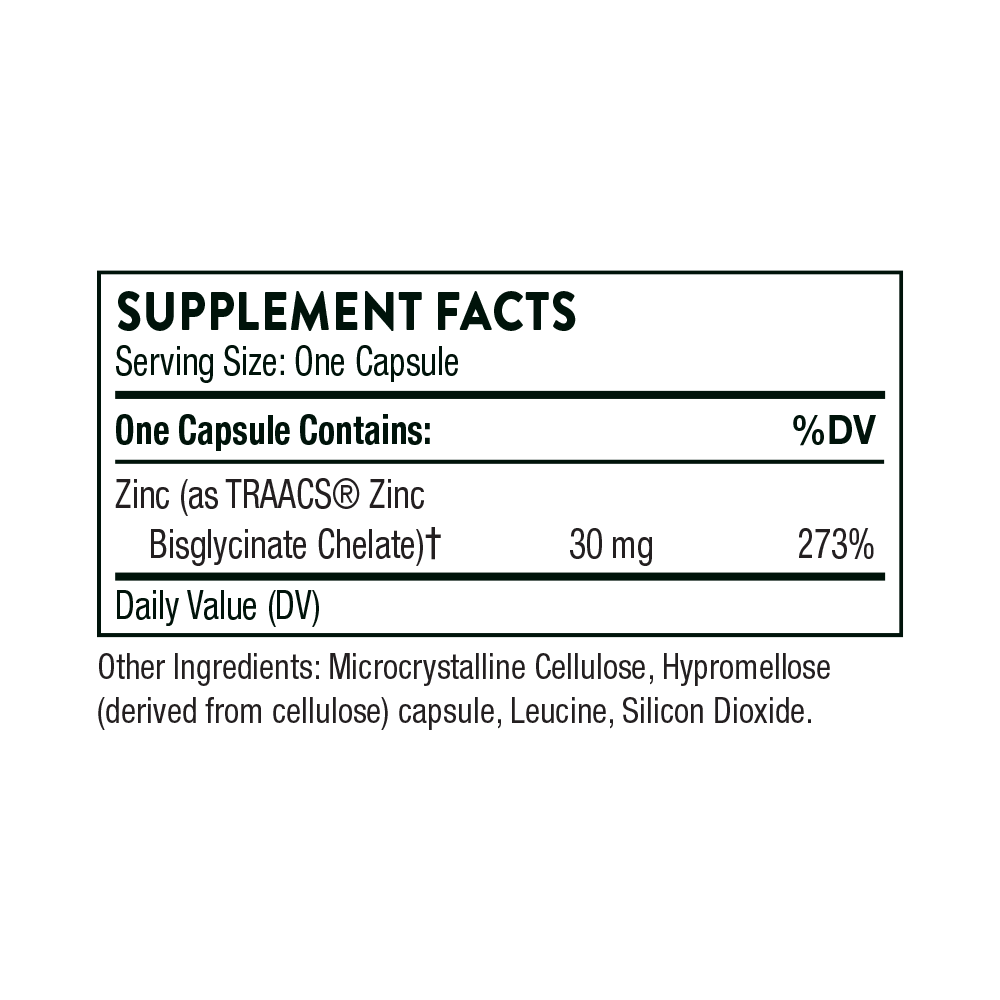

Thorne
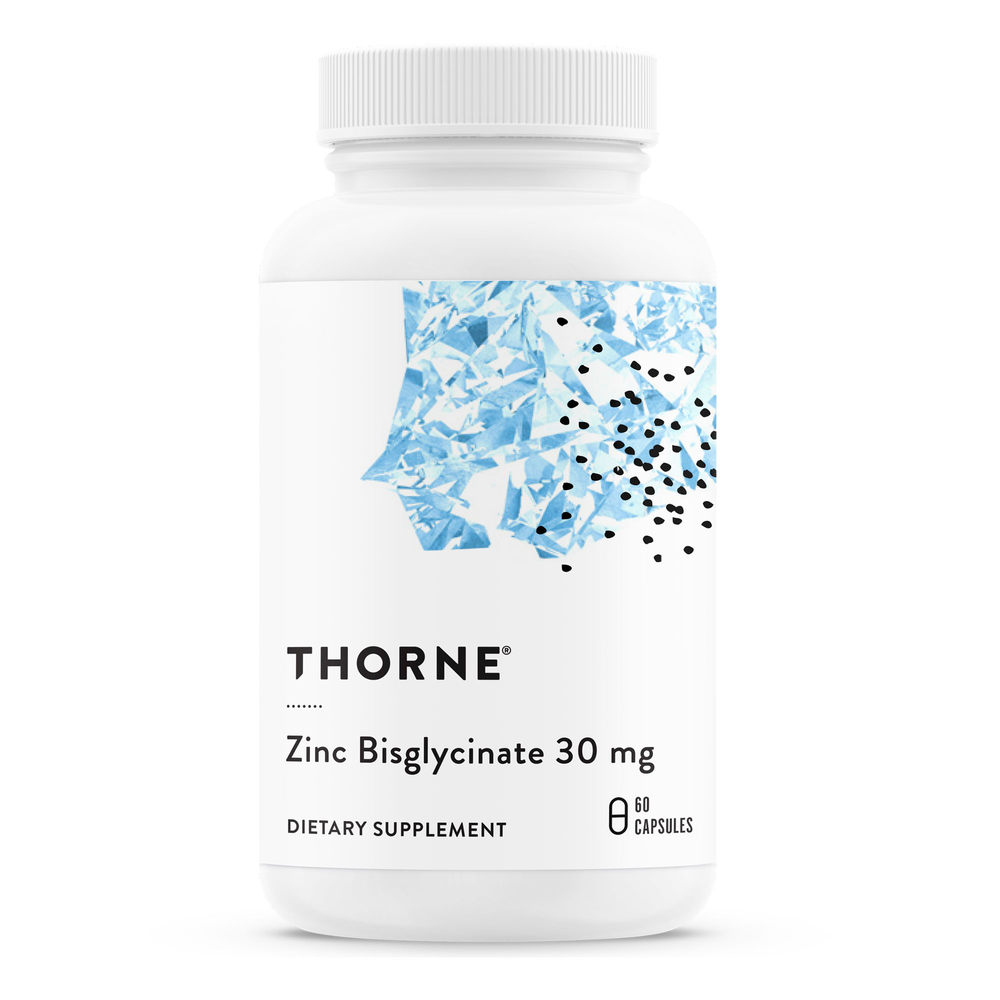
Zinc Bisglycinate 30mg by Thorne
60 capsules
Highly Absorbable Zinc for Immune and Cellular Support$20.00
Purchase options
Practitioner-grade brand3rd-party testedFree shipping $50+
Thorne Zinc Bisglycinate 30mg overview
If you’re looking up zinc bisglycinate because your Zinc, Plasma or Zinc, Serum is low, this 30 mg chelated form is a practical repletion dose for adults. It’s a good fit for vegans on high‑phytate diets (grains, legumes), people with celiac or inflammatory bowel disease, those after bariatric surgery, heavy drinkers, and anyone with frequent colds or slow wound healing. If your level is only a little low, consider using this for 8 to 12 weeks, then stepping down to a maintenance dose.
Zinc is a cofactor for hundreds of enzymes that run DNA repair, skin barrier renewal, and immune signaling. The bisglycinate form ties zinc to two glycine molecules, which helps it cross the gut wall more easily and be gentler on the stomach than oxide, and it performs on par with picolinate in absorption. Adequate zinc improves T‑cell function (the white cells that coordinate immunity), normalizes taste and smell, and supports antioxidant defenses through superoxide dismutase (an enzyme that neutralizes reactive oxygen).
Take one capsule daily with food to limit nausea. If you eat very high‑phytate meals (bran cereals, beans), take zinc at a different meal for better uptake. Separate from iron, calcium, and magnesium supplements by 2 hours so they do not compete. Most people see symptom and lab improvements within 4 to 8 weeks. If you need more than 30 mg daily for established deficiency, do that short‑term with clinician guidance, then return to a lower maintenance dose.
Zinc binds certain antibiotics, so separate from tetracyclines and quinolones by at least 2 to 6 hours. Long‑term higher‑dose zinc can lower copper, so check Copper, Serum or Ceruloplasmin if using for more than 8 to 12 weeks. Thiazide diuretics (blood pressure meds that increase urination) raise zinc losses, which can justify supplementation but also warrants labs. Pregnancy needs are individualized; 30 mg can be appropriate, but confirm with your OB. If you have Wilson disease, follow your specialist’s plan.
Frequently asked questions
Is zinc bisglycinate better than zinc picolinate?
They’re both well absorbed. Bisglycinate is chelated to glycine and tends to be gentler on the stomach; picolinate performs similarly in raising zinc levels. If you’ve had nausea or reflux with other forms, bisglycinate is often better tolerated.
How long does zinc take to work?
For deficiency, taste and smell can improve within 2–4 weeks, skin and immune changes within 4–8 weeks, and labs like Zinc, Plasma typically respond by 4–8 weeks. If nothing budges by 8–12 weeks, recheck labs and causes of malabsorption.
Can I take zinc with antibiotics?
Yes, but separate dosing. Zinc binds tetracyclines and quinolones in the gut and lowers antibiotic absorption. Take the antibiotic first and zinc 2–6 hours later, or vice versa, per your prescriber’s guidance.
Does zinc deplete copper?
At higher or prolonged doses, zinc can reduce copper absorption. If you use 30 mg daily for more than 8–12 weeks, check Copper, Serum or Ceruloplasmin and consider a multivitamin with copper once you’ve repleted zinc.
Can zinc cause nausea or stomach upset?
It can, especially on an empty stomach. Taking zinc bisglycinate with food usually prevents this, and the bisglycinate form is gentler than oxide or sulfate. Persistent nausea is a sign to reduce the dose or switch timing.
Should I take zinc in the morning or at night?
Either is fine. Consistency matters more. Take it with a meal that’s not heavy in bran or legumes to reduce phytate interference, and away from iron or calcium supplements by about 2 hours.
Does zinc help with colds?
Correcting low zinc improves immune function over weeks. For acute colds, zinc lozenges taken at symptom onset can shorten duration slightly, but that’s a different form and dosing strategy than a daily capsule.
Can I take zinc every day long term?
Daily use is fine at maintenance doses. For 30 mg daily, use it for repletion, then step down once Zinc, Plasma or Zinc, Serum is in a healthy range to avoid copper depletion. Periodic labs keep you on track.
How to take it & ingredients
Suggested use: Adults take one capsule daily, with food, or as directed by your healthcare professional.
Certifications
Benefits
Warnings
Customers also considered
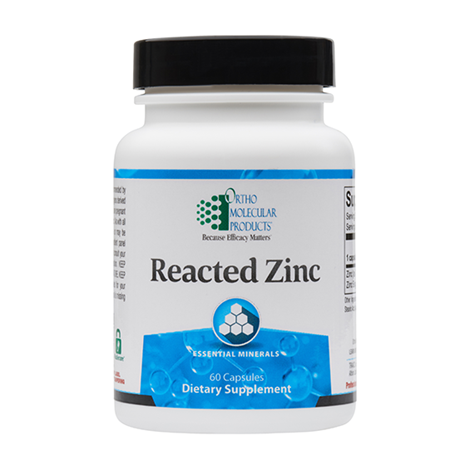
Reacted Zinc
Ortho Molecular Products
60 capsules
$32.91$29.65 with Subscribe & Save
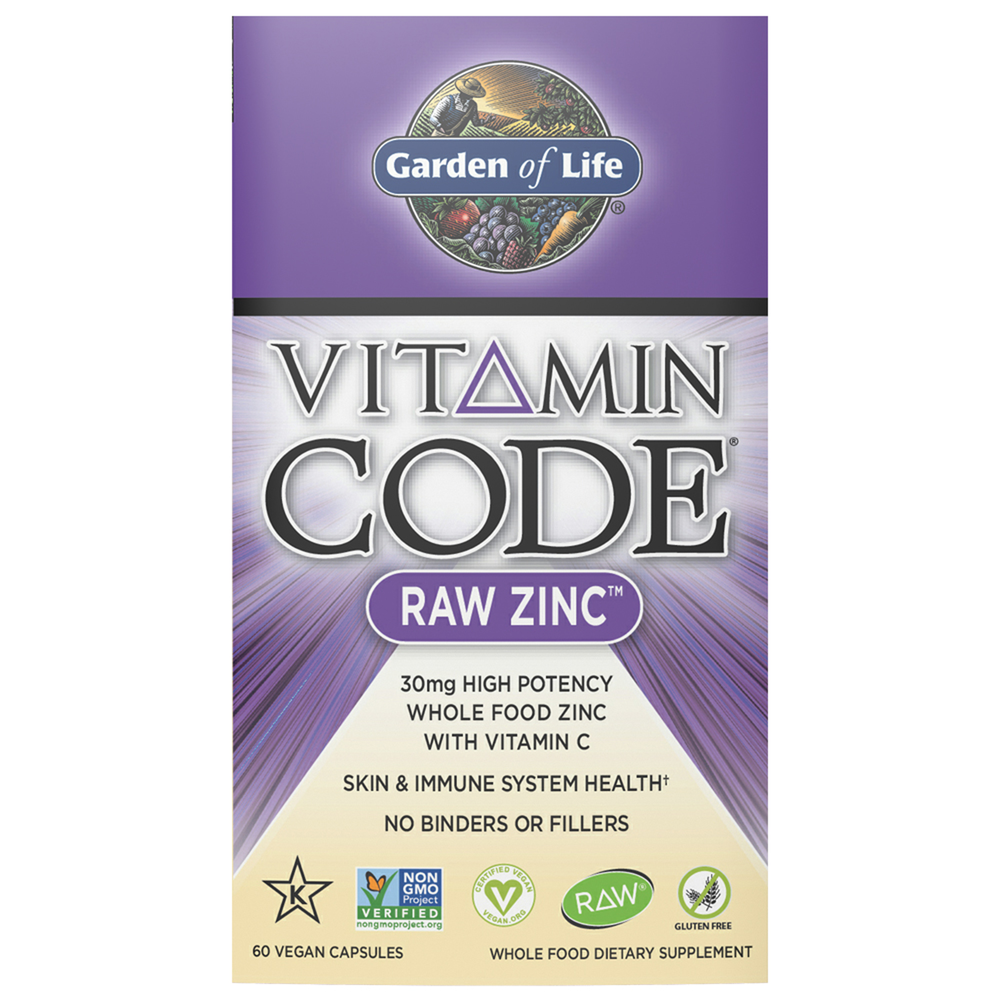
Vitamin Code Raw Zinc
Garden of Life
60 capsules
$15.99$12.99 with Subscribe & Save
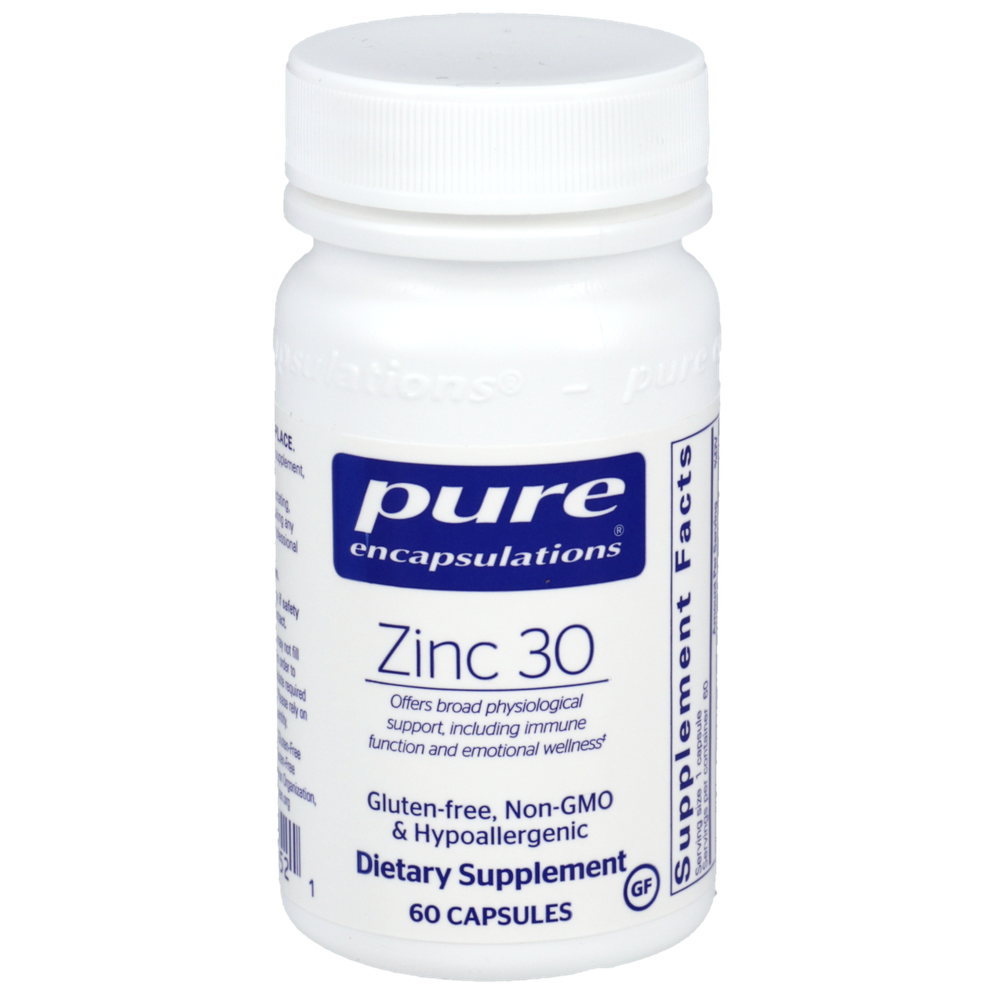
Zinc 30
Pure Encapsulations
60 capsules
$16.00$12.99 with Subscribe & Save
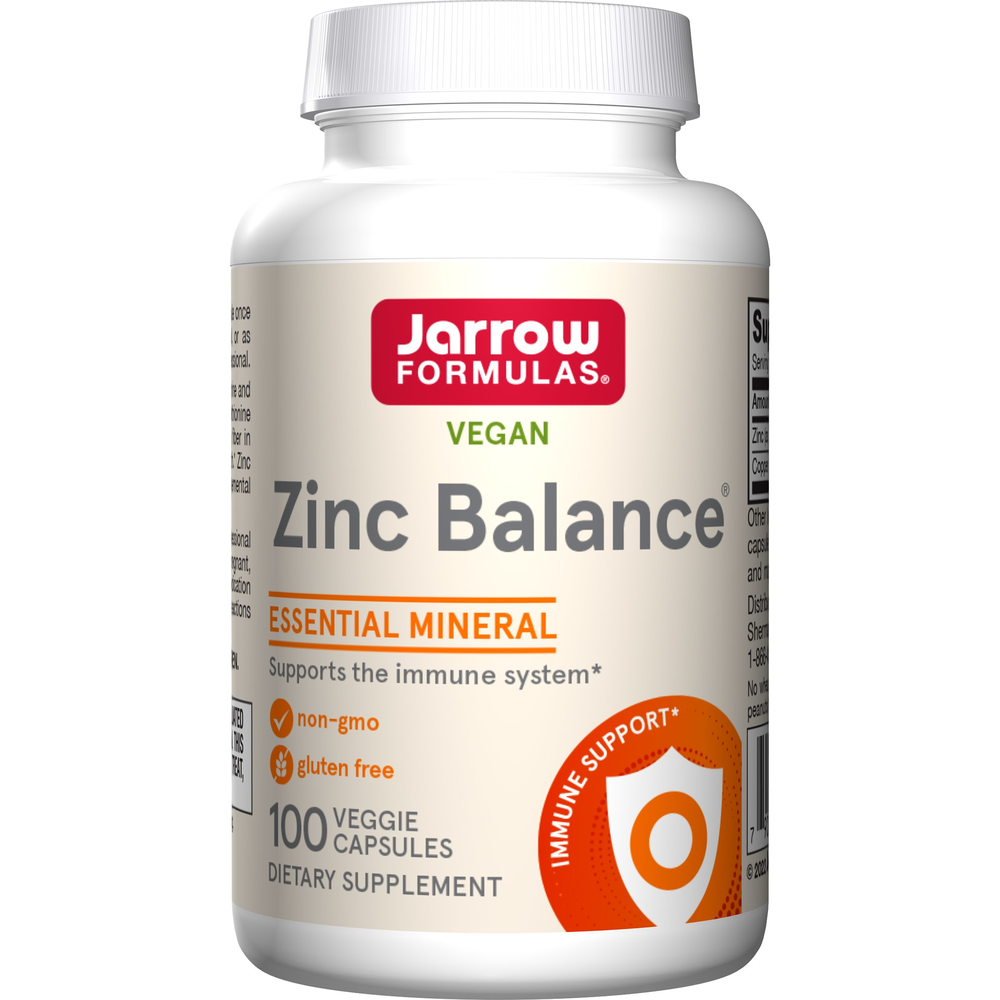
Zinc Balance
Jarrow Formulas
100 capsules
$16.99$13.99 with Subscribe & Save