 Instalab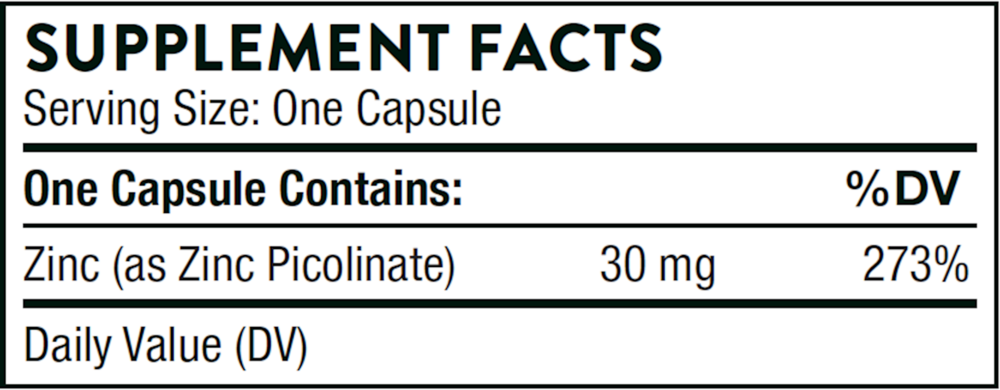



Thorne
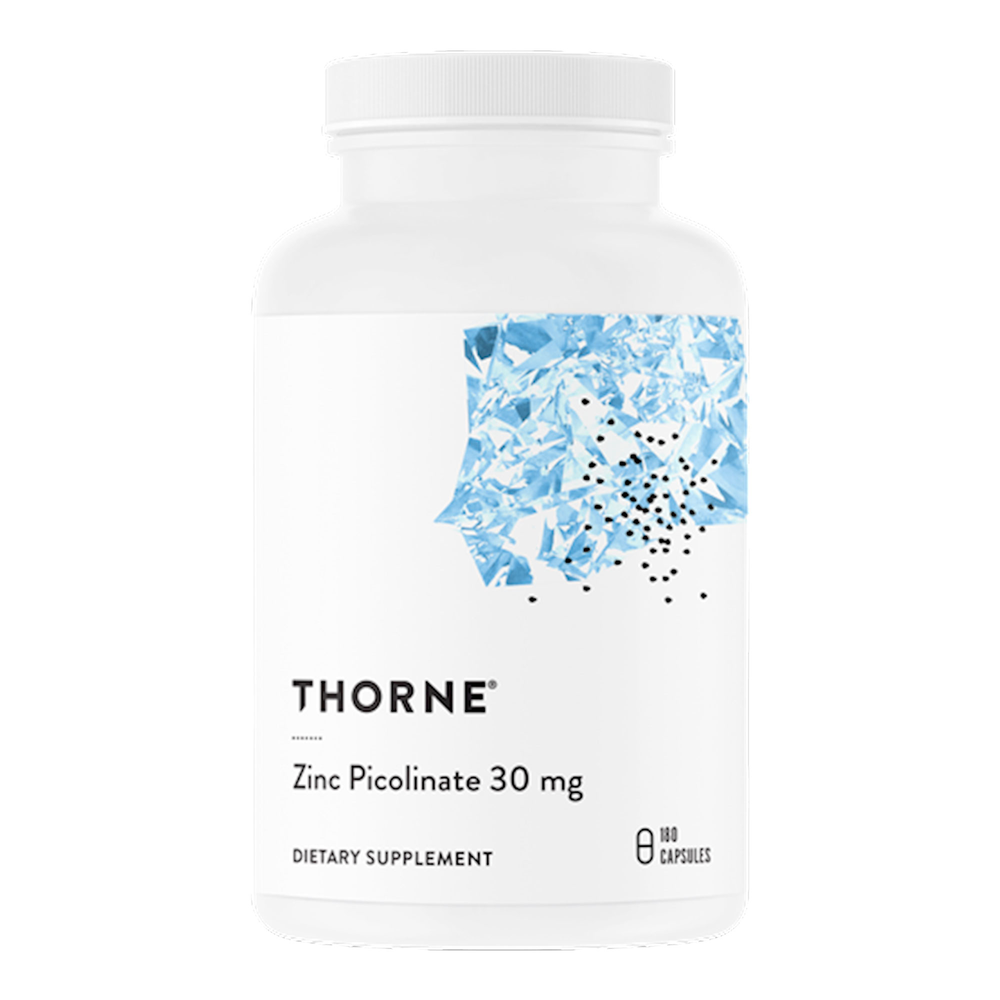
Zinc Picolinate 30mg by Thorne
180 capsules · 180-day supply
Essential Zinc for Immune Support and Overall Health$41.00
Purchase options
Practitioner-grade brand3rd-party testedFree shipping $50+
Gluten Free·Soy Free·Dairy Free·Milk Free
Thorne Zinc Picolinate 30mg overview
If you’re searching for zinc picolinate because your Zinc blood test is low or you have signs like frequent colds, poor wound healing, reduced taste or smell, or stubborn acne, this 30 mg capsule fits. Vegans and vegetarians, people on high‑phytate diets (phytates are compounds in grains/legumes that bind minerals), those with celiac or inflammatory bowel disease, bariatric surgery patients, heavy exercisers with high sweat losses, and consistent alcohol users are common low‑zinc groups. It’s also useful when Copper is high and Zinc is low on labs, but not as a long‑term maintenance dose once levels normalize.
Zinc picolinate is zinc bound to picolinic acid, which improves absorption compared with harder‑to‑absorb forms like zinc oxide. Once absorbed, zinc is a cofactor for hundreds of enzymes that manage DNA repair, skin turnover, and immune signaling. That’s why repleting low zinc often steadies breakouts and speeds wound healing. In immunity, it helps T‑cells (the white blood cells that coordinate defense) mature and function, which is the practical reason people with low Zinc see fewer infections after repletion. If testosterone is low from frank deficiency, correcting zinc can normalize it, but it is not a testosterone booster when levels are already adequate.
Thorne suggests one capsule one to two times daily. In practice, 30 mg is a repletion‑level dose for 4–12 weeks, then most people step down to a diet‑plus‑supplement total closer to 5–15 mg/day. Take with food to prevent nausea, and separate from iron or calcium by at least two hours to avoid absorption conflicts. Expect changes in Zinc labs, skin, taste, or infection frequency within 4–8 weeks if you started low.
Zinc competes with copper, so longer runs at 30 mg can lower Copper and Ceruloplasmin (the main copper‑carrying protein in blood). If you’ll use this dose beyond 8–12 weeks, check Copper on labs or add 1–2 mg copper daily under guidance. Separate zinc by several hours from tetracycline or quinolone antibiotics to avoid inactivating the drug, and from penicillamine (used for rheumatoid arthritis/Wilson disease). Pregnancy and breastfeeding: stay within your clinician’s plan so total zinc doesn’t exceed safe daily limits.
Frequently asked questions
Is zinc picolinate better absorbed than other forms?
Yes, zinc picolinate is generally better absorbed than zinc oxide and comparable to well‑absorbed chelates like zinc citrate or glycinate. The practical difference shows up most when gut absorption is limited or dietary phytates are high.
How long does zinc picolinate take to work?
If you start low, skin, taste/smell, and infection frequency often improve within 4–8 weeks. Serum Zinc typically responds over 4–12 weeks. Give it time, and recheck labs to confirm you’ve repleted rather than guessing.
Can I take zinc picolinate on an empty stomach?
You can, but many people feel nauseated when zinc is taken without food. A small meal solves this for most. Avoid taking it with high‑calcium or iron‑heavy meals, which compete for absorption.
Will zinc picolinate help acne?
It can help if your Zinc is low or you have inflammatory acne, with modest improvements typically seen over 6–12 weeks. It’s not a cure‑all; continue standard skincare and talk to your clinician if breakouts persist.
Does zinc lower copper levels?
At 30 mg daily for months, zinc can reduce Copper and Ceruloplasmin. For use beyond 8–12 weeks, monitor Copper on labs or pair with a small copper dose. Short repletion courses are less likely to cause an imbalance.
Can I take zinc with magnesium or iron?
Magnesium is fine at a different time of day. Iron competes with zinc for uptake, so separate them by at least two hours. This spacing helps both minerals absorb reliably.
Does zinc picolinate boost testosterone?
Zinc repletion can normalize low testosterone caused by zinc deficiency. It does not raise testosterone beyond normal in people with adequate Zinc. Check labs rather than using it as a hormone booster.
Does zinc interact with antibiotics?
Yes. Zinc binds tetracyclines and quinolones in the gut and blocks their absorption. Take zinc at least two hours before or 4–6 hours after these antibiotics to avoid reducing the drug’s effect.
How to take it & ingredients
Suggested use: Take 1 capsule one to two times daily or as recommended by your health professional.
Active ingredients
1 capsule per serving · 180 servings
Zinc
Zinc Picolinate
Zinc Picolinate
30 mg
Other ingredients: Microcrystalline Cellulose, Hypromellose (derived from cellulose), Leucine, Silicon Dioxide
Certifications
Benefits
Warnings
Customers also considered
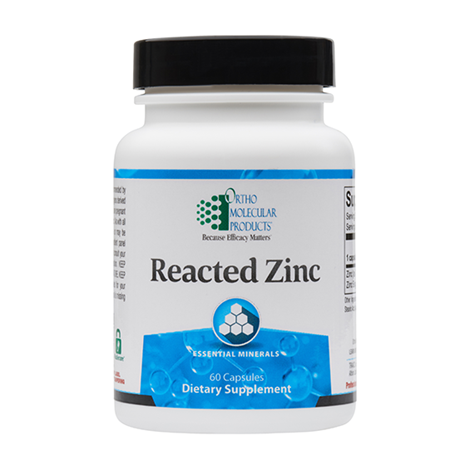
Reacted Zinc
Ortho Molecular Products
60 capsules
$32.91$29.65 with Subscribe & Save
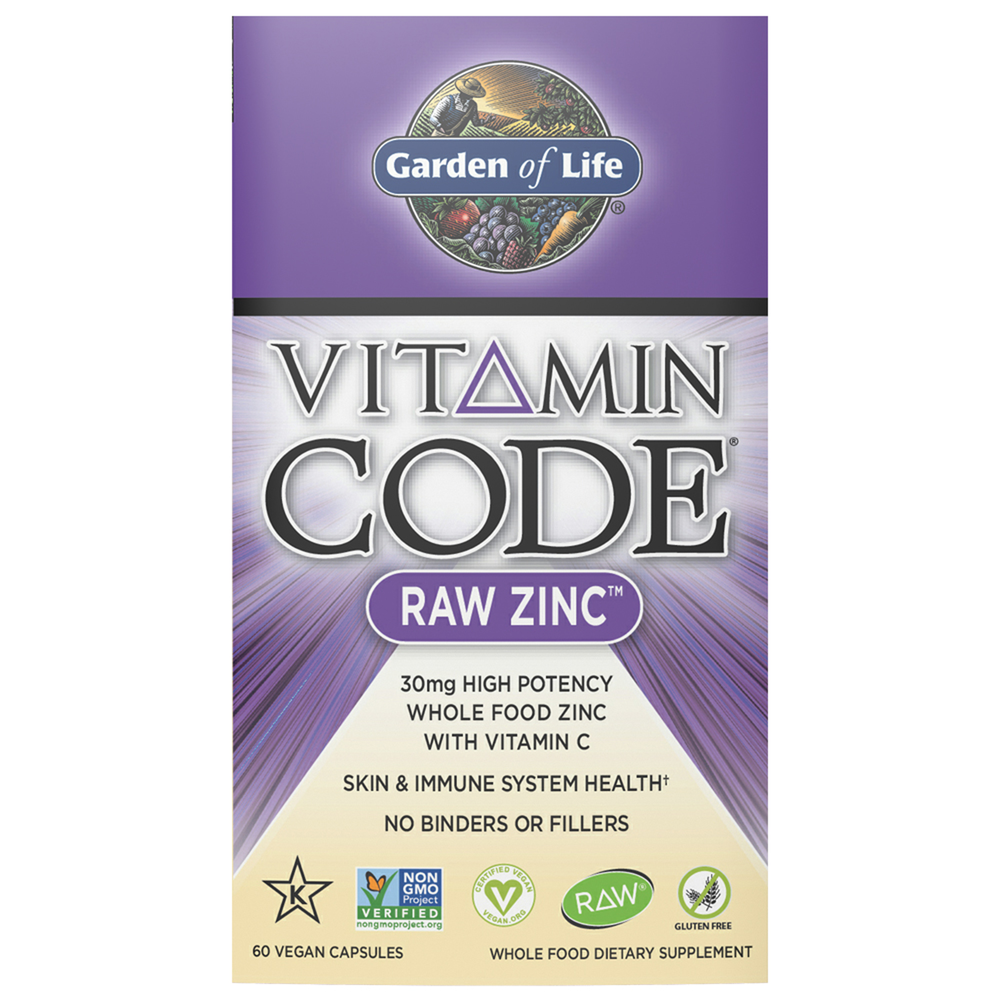
Vitamin Code Raw Zinc
Garden of Life
60 capsules
$15.99$12.99 with Subscribe & Save
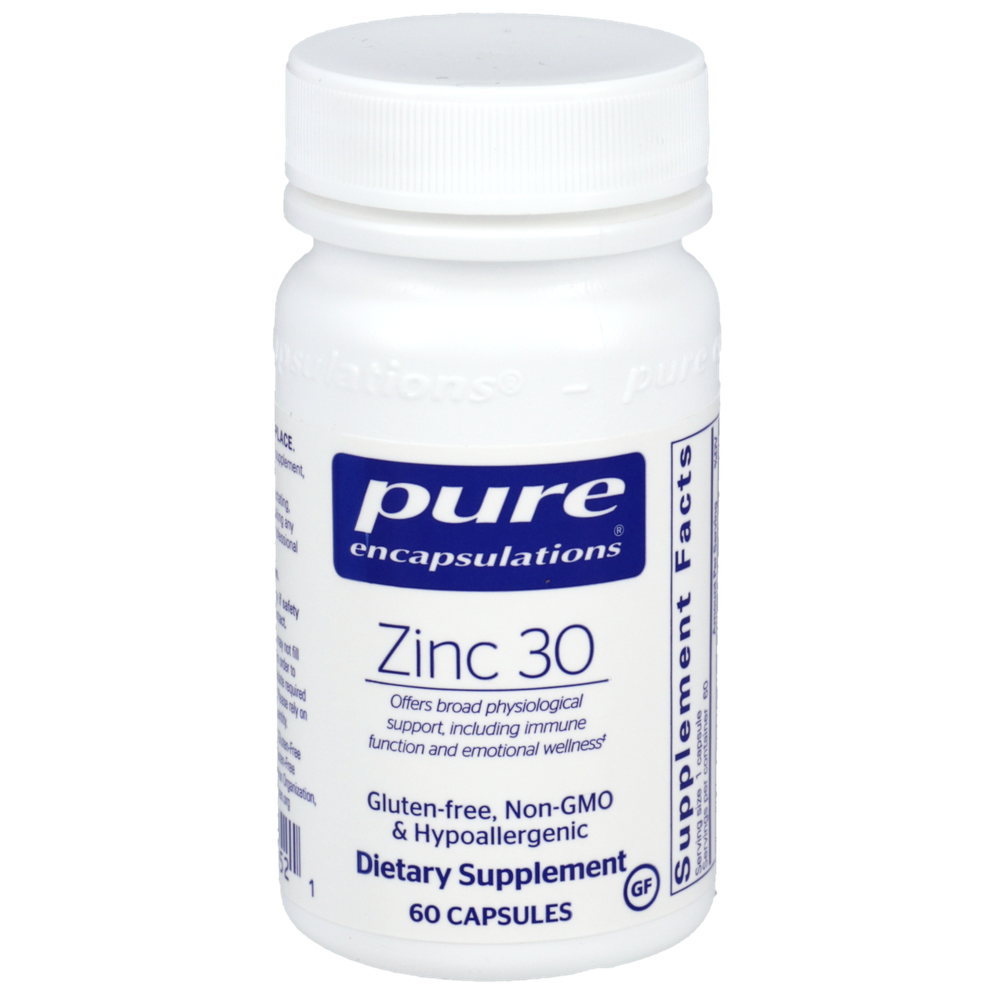
Zinc 30
Pure Encapsulations
60 capsules
$16.00$12.99 with Subscribe & Save
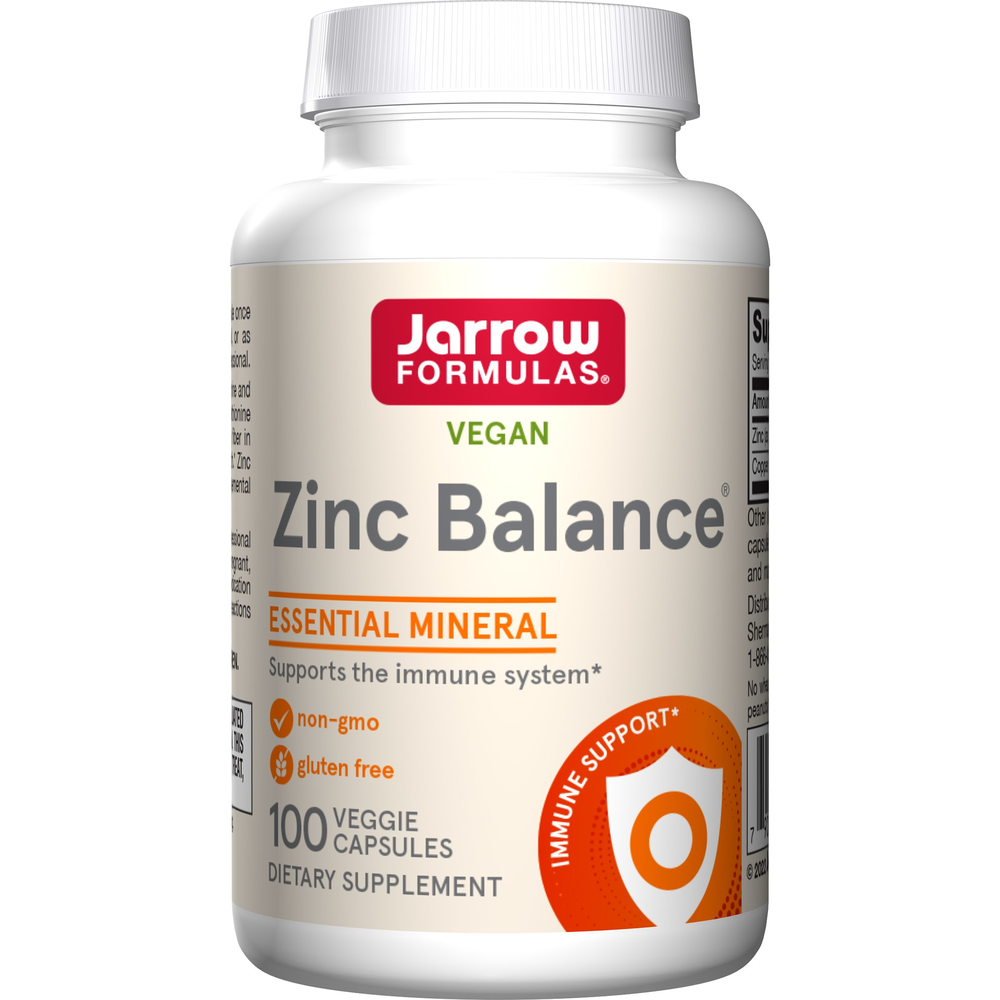
Zinc Balance
Jarrow Formulas
100 capsules
$16.99$13.99 with Subscribe & Save