 Instalab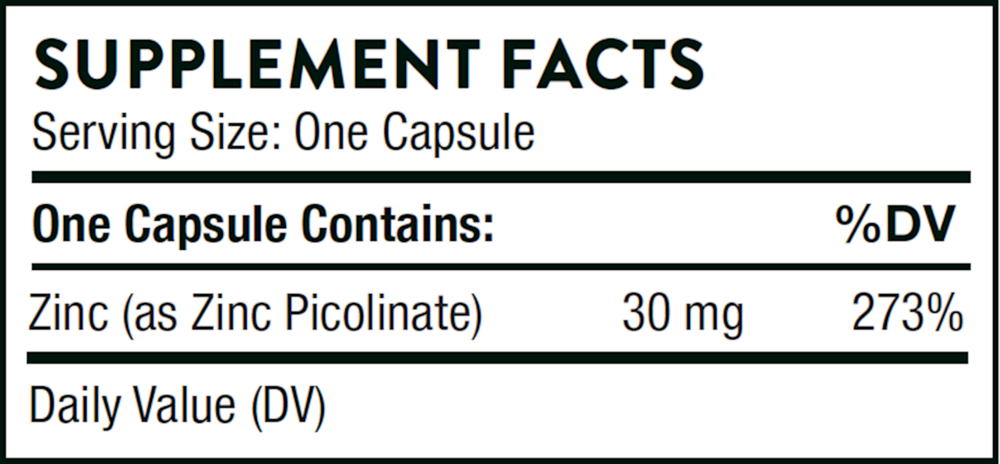



Thorne
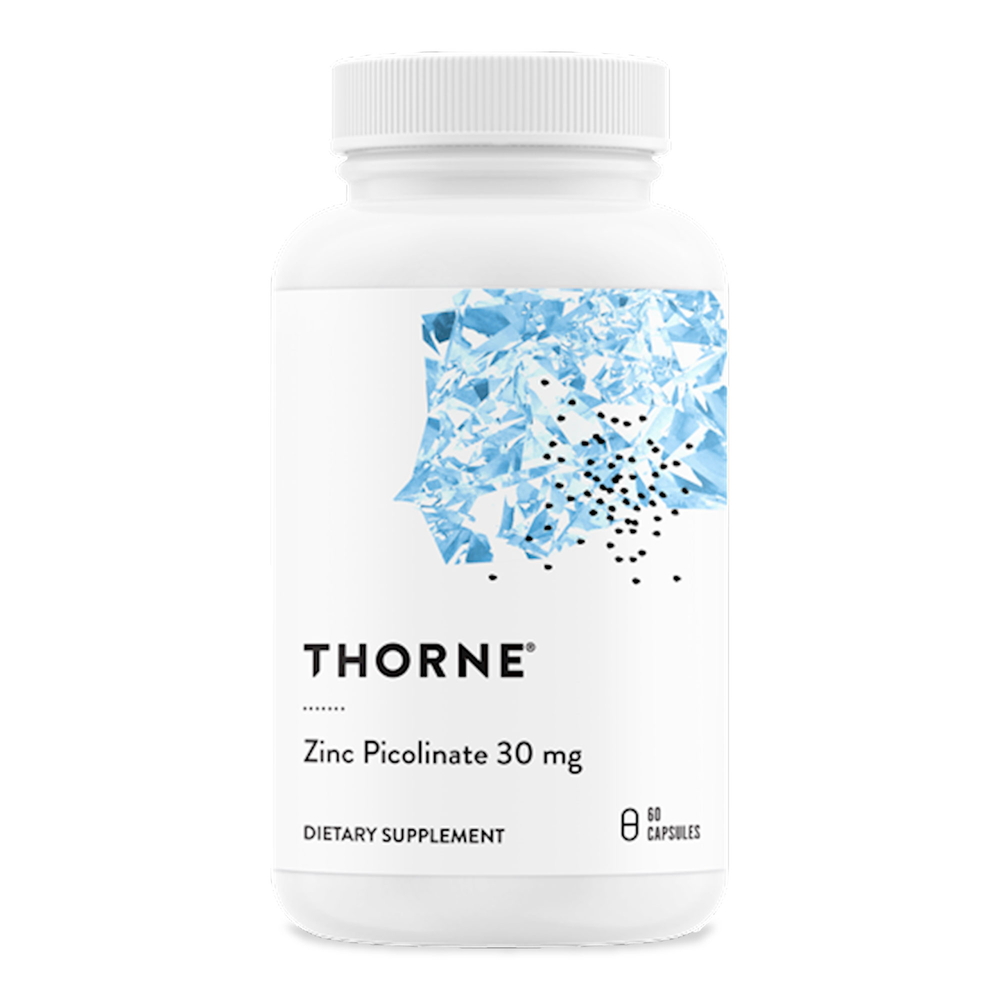
Zinc Picolinate 30mg by Thorne
60 capsules · 60-day supply
Essential Zinc for Immune Support and Overall Well-Being$20.00
Purchase options
Practitioner-grade brand3rd-party testedFree shipping $50+
Gluten Free·Soy Free·Dairy Free·Milk Free
Thorne Zinc Picolinate 30mg overview
If you’re searching for zinc picolinate because your Zinc, Plasma or Serum has tested low, this 30 mg capsule fits a repletion phase under guidance. It’s also a practical pick for vegans on restrictive diets, people with malabsorption (celiac, inflammatory bowel disease, bariatric surgery), heavy exercisers who sweat a lot, and those with frequent skin breaks or slow wound healing. If your level is in the lower normal range and you just need upkeep, daily zinc picolinate at this strength can be more than you need long term, so plan to retest.
Zinc picolinate is zinc bound to picolinic acid, a chelated form that is well absorbed compared with common salts like oxide or gluconate. Zinc drives DNA and protein synthesis, which is why skin, nails, and the lining of the gut recover better when status is corrected. It is central to immune cell maturation and signaling, and it supports antioxidant defenses through enzymes like superoxide dismutase (an internal free-radical quencher). Benefits show up where deficiency exists; in well-nourished adults, extra zinc does not amplify immunity.
Take one capsule with food, once or twice daily as on the label. Food cuts the nausea many people feel with zinc. Separate zinc picolinate from iron, calcium, magnesium, and fiber supplements by at least two hours, since these compete for absorption. If your diet is high in phytates (whole grains, legumes), taking zinc picolinate away from those meals can help. Skin and nail changes usually take 4 to 12 weeks once a low level is corrected.
Space zinc picolinate at least 2 hours from antibiotics in the tetracycline or quinolone families and from levothyroxine, because zinc binds them and blocks absorption. Chronic high intake can lower Copper, Serum and Ceruloplasmin (the copper-carrying protein), so pair long courses with copper monitoring, especially if you notice fatigue or numbness. Pregnant or breastfeeding adults should match total zinc to their prenatal plan. If you already take 10–15 mg in a multivitamin, avoid stacking to high daily totals without a plan to retest.
Frequently asked questions
What is zinc picolinate and is it better than other forms?
Zinc picolinate is zinc bound to picolinic acid, a chelated form that’s well absorbed. Small studies suggest it outperforms some salts like oxide. More important than form is matching dose to your labs and avoiding long-term excess.
How much zinc picolinate should I take daily?
Follow the label unless your clinician advises otherwise. Thirty milligrams daily is a common repletion dose for low Zinc, Plasma or Serum. Long-term maintenance is often lower, especially if you already get zinc in a multivitamin.
Can zinc picolinate cause nausea or stomach upset?
Yes, zinc on an empty stomach commonly causes nausea. Take it with a meal and plenty of water. If you’re sensitive, start with one capsule daily for a week before increasing.
How long does zinc picolinate take to work?
If your level was low, energy, skin, and nail changes typically show within 4–12 weeks. Immune effects track with restoring deficiency; it is not an instant cold remedy unless used as specific lozenges at onset.
Do I need to take copper with zinc picolinate?
Not always. Short courses rarely cause issues, but months of high-dose zinc can lower copper. If you use zinc above basic multivitamin levels for more than 8–12 weeks, check Copper, Serum or Ceruloplasmin or add a small copper dose.
Does zinc picolinate interact with antibiotics or thyroid meds?
Yes. It binds tetracyclines, quinolones, and levothyroxine and reduces their absorption. Take these drugs at least 2 hours apart from zinc, or follow your prescriber’s timing instructions.
Can zinc picolinate help with acne or wound healing?
It can help if your zinc status is low. Trials show modest acne improvement and better wound healing in deficient people. In those with normal zinc levels, added zinc has smaller or no visible effects.
Is Thorne Zinc Picolinate safe to take long term?
It’s safe when matched to need and monitored. Prolonged high doses can lower copper and HDL cholesterol. If using daily beyond a few months, avoid stacking with other zinc sources and plan periodic lab checks.
How to take it & ingredients
Suggested use: Take 1 capsule one to two times daily or as recommended by your health professional.
Active ingredients
1 capsule per serving · 60 servings
Zinc
Zinc Picolinate
Zinc Picolinate
30 mg
Other ingredients: Microcrystalline Cellulose, Hypromellose (derived from cellulose), Leucine, Silicon Dioxide
Certifications
Benefits
Warnings
Customers also considered
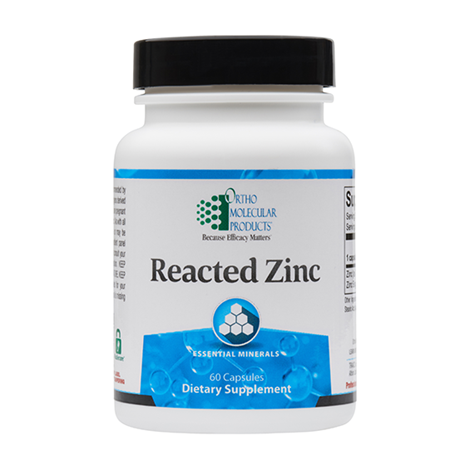
Reacted Zinc
Ortho Molecular Products
60 capsules
$32.91$29.65 with Subscribe & Save
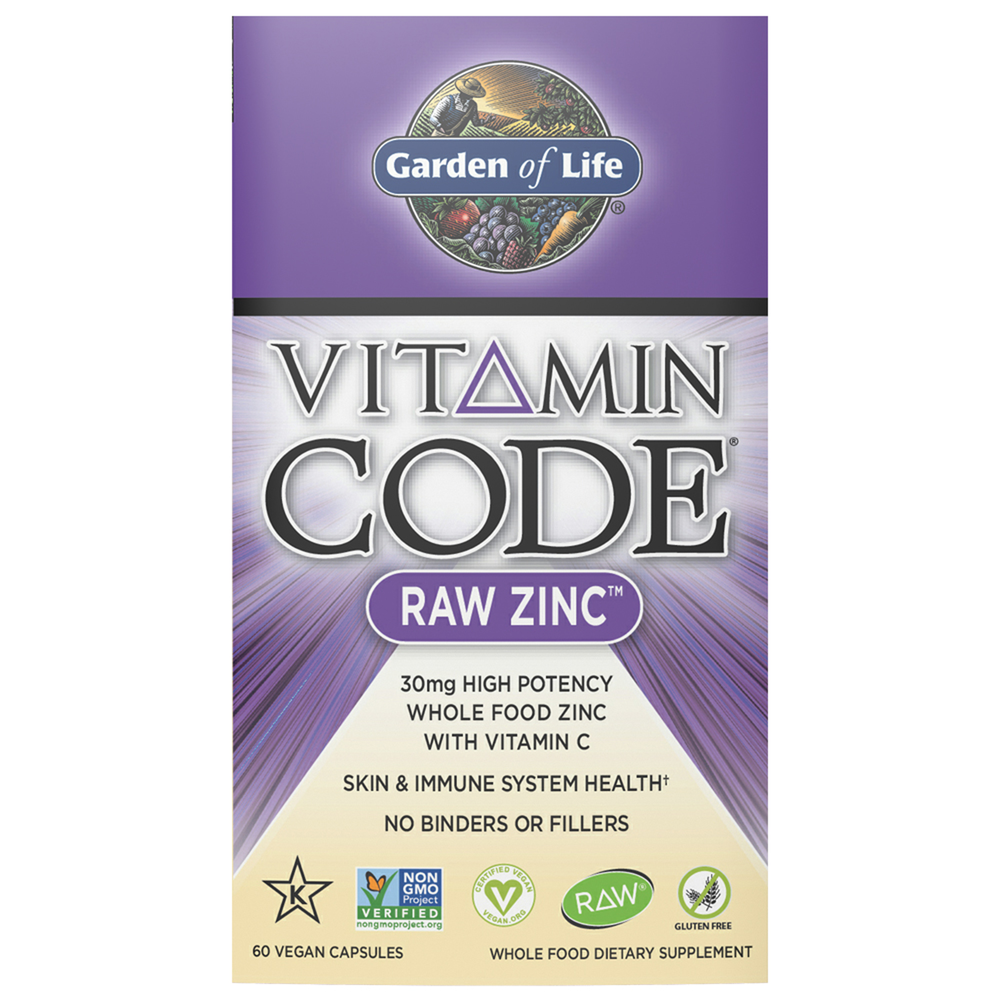
Vitamin Code Raw Zinc
Garden of Life
60 capsules
$15.99$12.99 with Subscribe & Save
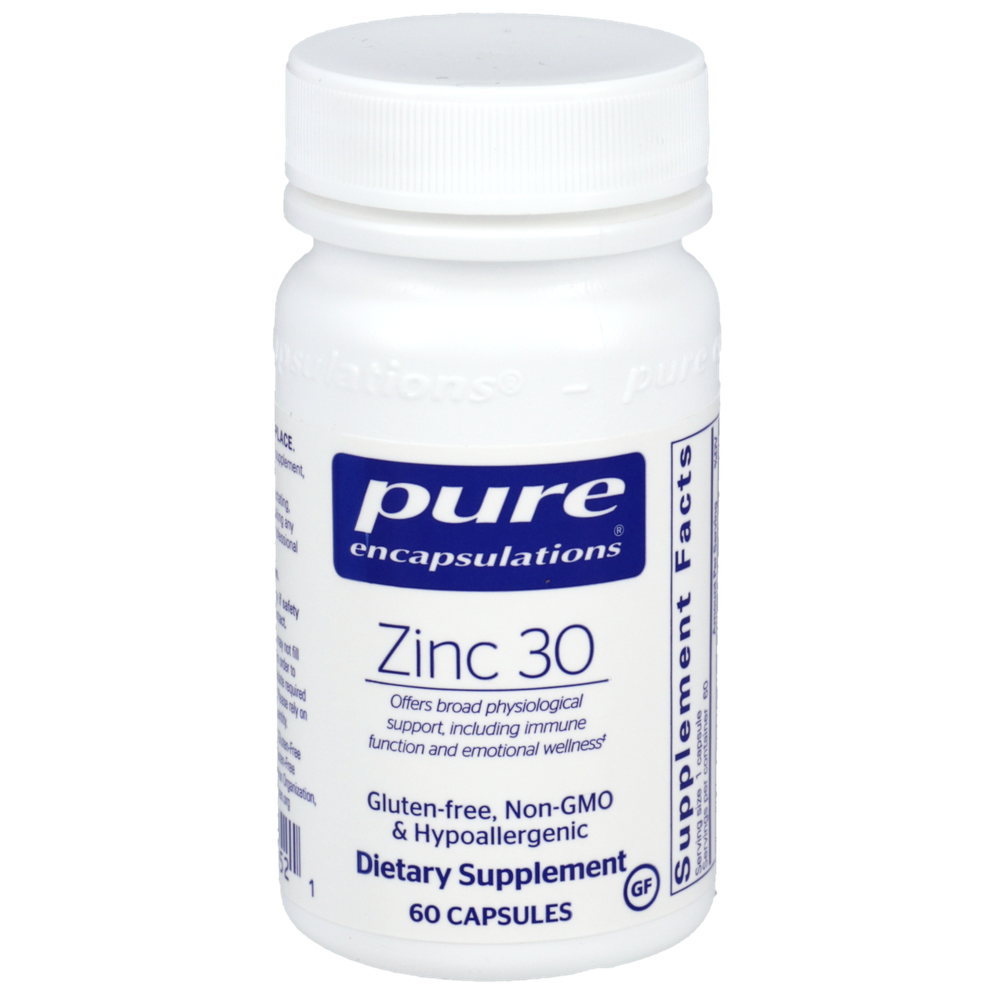
Zinc 30
Pure Encapsulations
60 capsules
$16.00$12.99 with Subscribe & Save
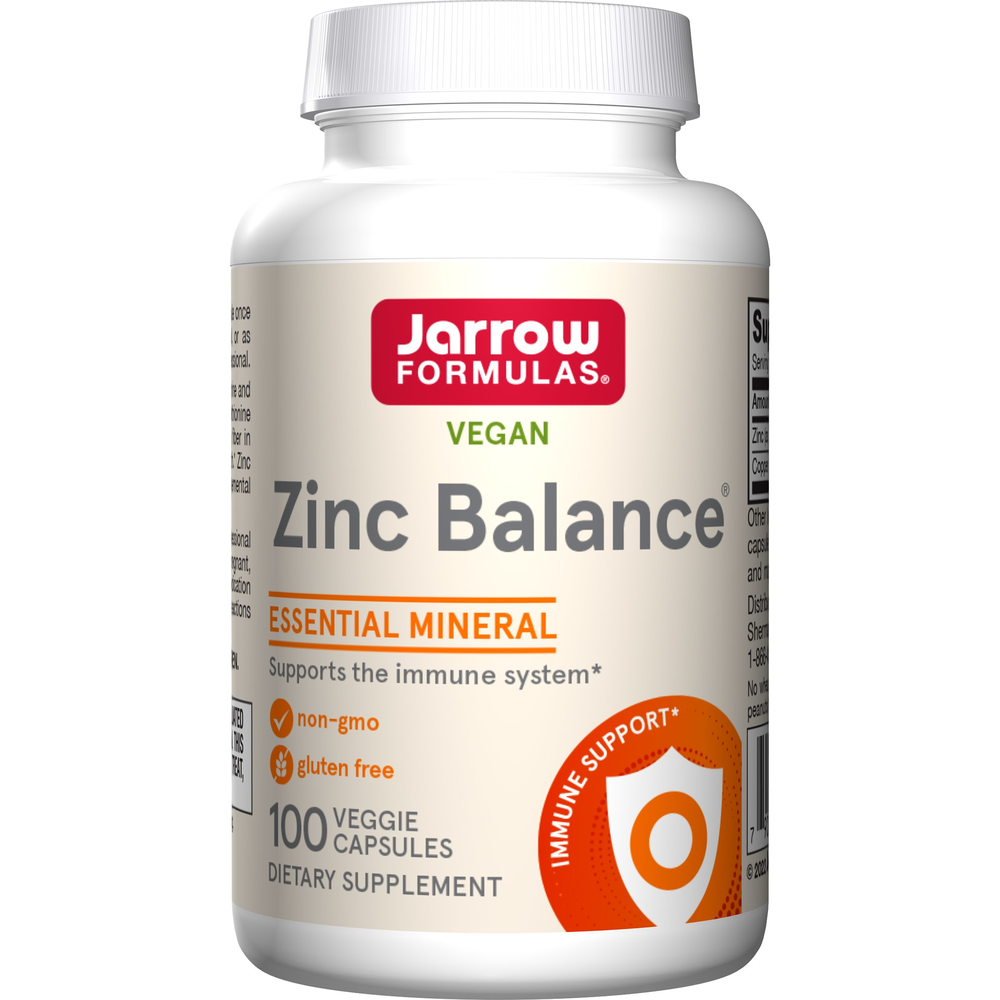
Zinc Balance
Jarrow Formulas
100 capsules
$16.99$13.99 with Subscribe & Save