 Instalab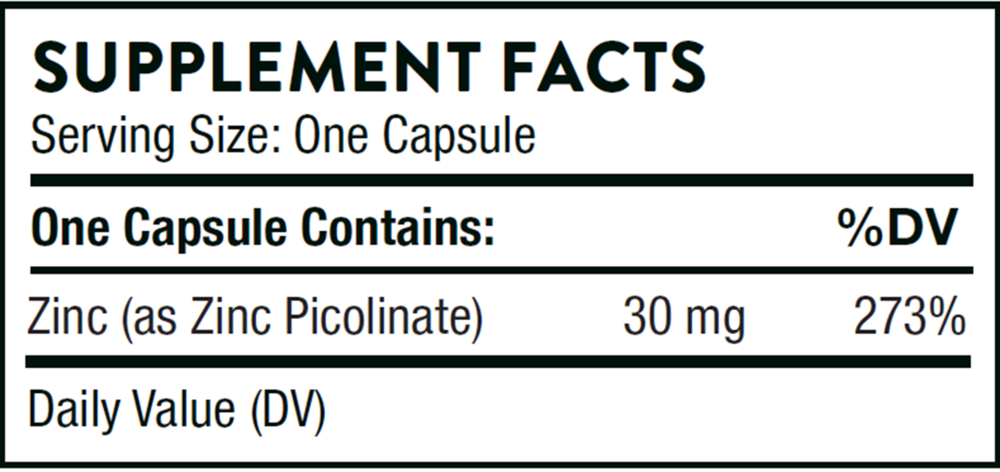

Thorne
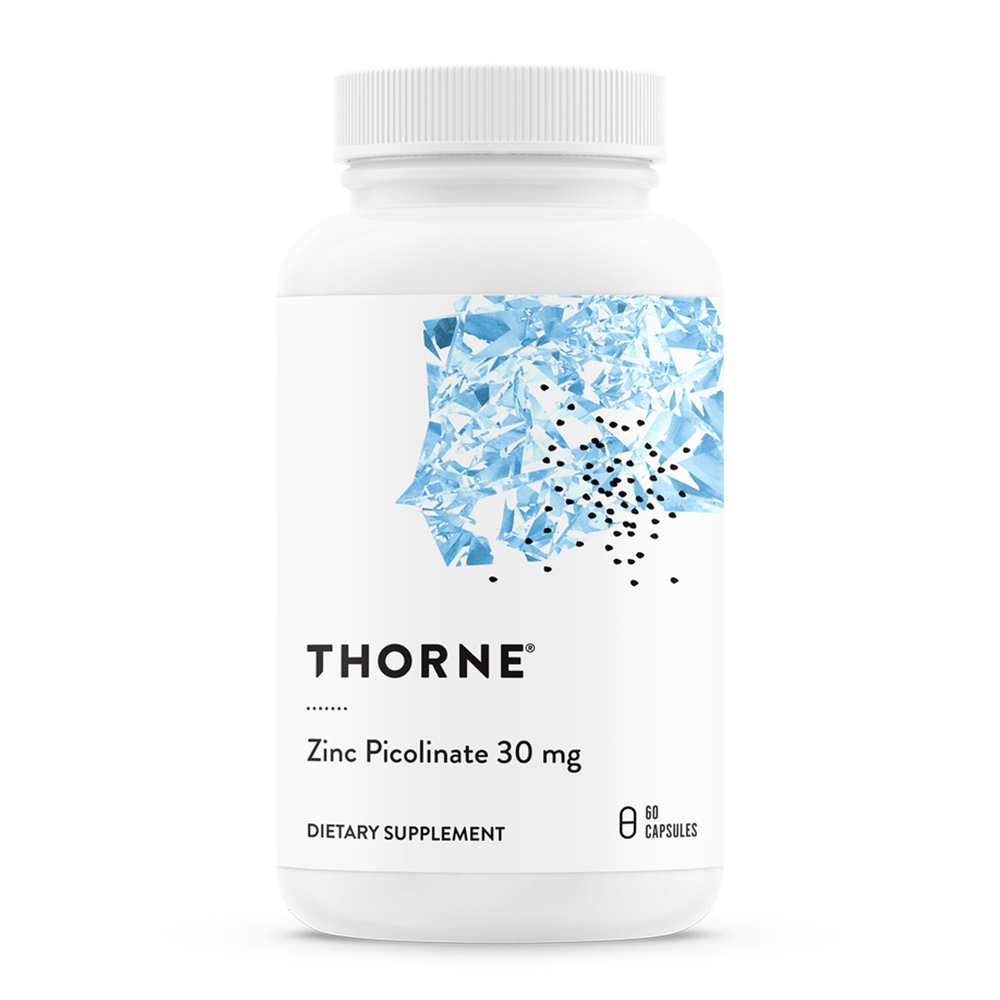
Zinc Picolinate 30mg NSF Sport by Thorne
60 capsules · 60-day supply
Bioavailable Zinc for Immune Support and Athletic Performance$23.00
Purchase options
Practitioner-grade brand3rd-party testedFree shipping $50+
Gluten Free·Soy Free·Dairy Free·Milk Free
Thorne Zinc Picolinate 30mg NSF Sport overview
If your diet is low in animal protein or high in phytic acid (grains/legumes), zinc picolinate can fill a real gap. Athletes who sweat heavily, vegans, those with chronic gut issues, and people after bariatric surgery are common low-zinc groups. If your Zinc, Serum or Plasma Zinc is low or low-normal, 30 mg is a practical repletion dose; once levels normalize, most step down to a lower maintenance dose. NSF Certified for Sport makes it a safe pick for drug‑tested athletes.
Picolinate is a chelated form that tends to absorb well compared with oxide or sulfate. Zinc is required for hundreds of enzymes that handle DNA repair, insulin signaling, and antioxidant defenses like superoxide dismutase (an enzyme that neutralizes reactive oxygen). For immunity, it helps mature T cells and NK cells (the white blood cells that find and clear infected cells). Zinc deficiency can lower testosterone; fixing a deficiency restores it, but extra zinc won’t raise levels if you’re already sufficient.
Take one capsule daily with food to prevent nausea. Separate from iron, calcium, or magnesium supplements by 2–3 hours to improve absorption. Morning or evening is fine, but avoid taking it with high-dose fiber or phytate-heavy meals if you’re repleting. This is a repletion-level dose for most adults; after 8–12 weeks, recheck Zinc, Serum and consider dropping to a smaller maintenance dose if you’re in range.
Zinc binds certain antibiotics and blocks their absorption. Separate at least 4–6 hours from tetracyclines (like doxycycline) and fluoroquinolones (like ciprofloxacin). It also reduces absorption of penicillamine (used for rheumatoid arthritis and Wilson disease), so don’t combine without clinician guidance. Long-term high-dose zinc can lower Copper, Serum and cause anemia or neuropathy, so pair with monitoring or a low-dose copper if using beyond a few months.
Pause or reduce if you develop metallic taste, nausea, or new anemia—these can signal excess or copper depletion. If you already have low Copper, Serum, iron-deficiency anemia without a cause, or are pregnant and not zinc-deficient, 30 mg daily may be more than you need. For acute colds, capsules are not a substitute for zinc lozenges used at symptom onset; the evidence for prevention in well-nourished adults is limited.
Frequently asked questions
Is 30 mg of zinc too much to take every day?
For short-term repletion, 30 mg daily is common. Long term, that dose can drive down copper and cause anemia or neuropathy. Recheck Zinc, Serum after 8–12 weeks and consider stepping down to a maintenance dose once levels are adequate.
How long does zinc picolinate take to raise levels?
Most people see Zinc, Serum improve within 4–12 weeks. The timeline depends on baseline status and diet. Re-test to confirm response rather than guessing, and adjust the dose once you’re no longer in a low or low-normal range.
Should I take zinc with food or on an empty stomach?
Take it with a meal to reduce nausea. Absorption is fine with food, but separate from iron, calcium, magnesium, or high-fiber/phytate foods by a couple of hours if you’re correcting a deficiency.
Does zinc increase testosterone?
It can normalize testosterone in people who are zinc-deficient. If your zinc status and testosterone are already normal, extra zinc doesn’t meaningfully raise levels. Checking Zinc, Serum and a morning total testosterone helps target use.
Can I take zinc with antibiotics?
Not at the same time. Zinc lowers absorption of tetracyclines (e.g., doxycycline) and fluoroquinolones (e.g., ciprofloxacin). Separate by 4–6 hours. If you’re unsure of your antibiotic class, ask your pharmacist.
Do I need to take copper with zinc?
If you use 30 mg zinc daily beyond a few months, monitor Copper, Serum or include a small copper dose. High zinc can lower copper over time. If copper is normal and zinc is short-term, added copper isn’t always necessary.
Why choose zinc picolinate over zinc citrate or sulfate?
Picolinate is a chelated form with good absorption and tends to be gentler on the stomach than sulfate. Citrate is also well-tolerated. If prior zinc upset your stomach or barely moved your labs, picolinate is a reasonable next try.
How to take it & ingredients
Suggested use: Take 1 capsule daily or as recommended by your health professional.
Active ingredients
1 capsule per serving · 60 servings
Zinc
Zinc Picolinate
Zinc Picolinate
30 mg
Other ingredients: Microcrystalline Cellulose, Hypromellose (derived from cellulose), Leucine, Silicon Dioxide
Certifications
Benefits
Warnings
Customers also considered
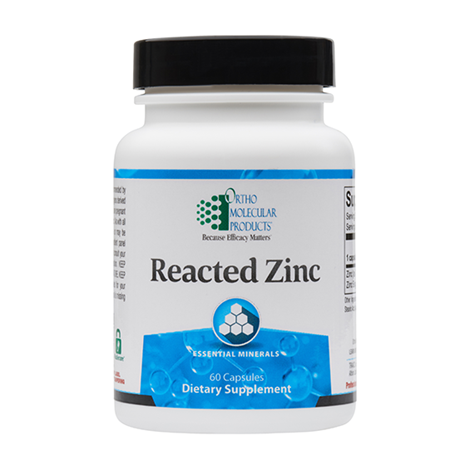
Reacted Zinc
Ortho Molecular Products
60 capsules
$32.91$29.65 with Subscribe & Save
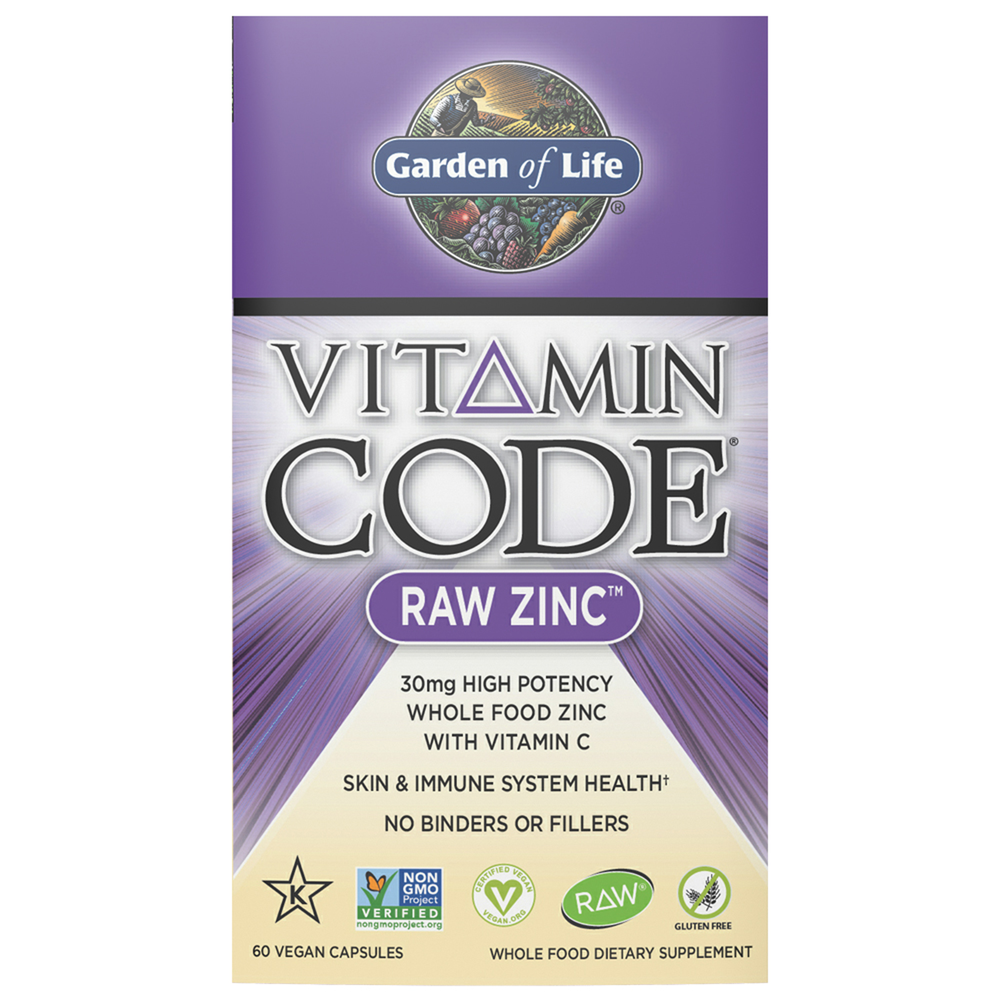
Vitamin Code Raw Zinc
Garden of Life
60 capsules
$15.99$12.99 with Subscribe & Save
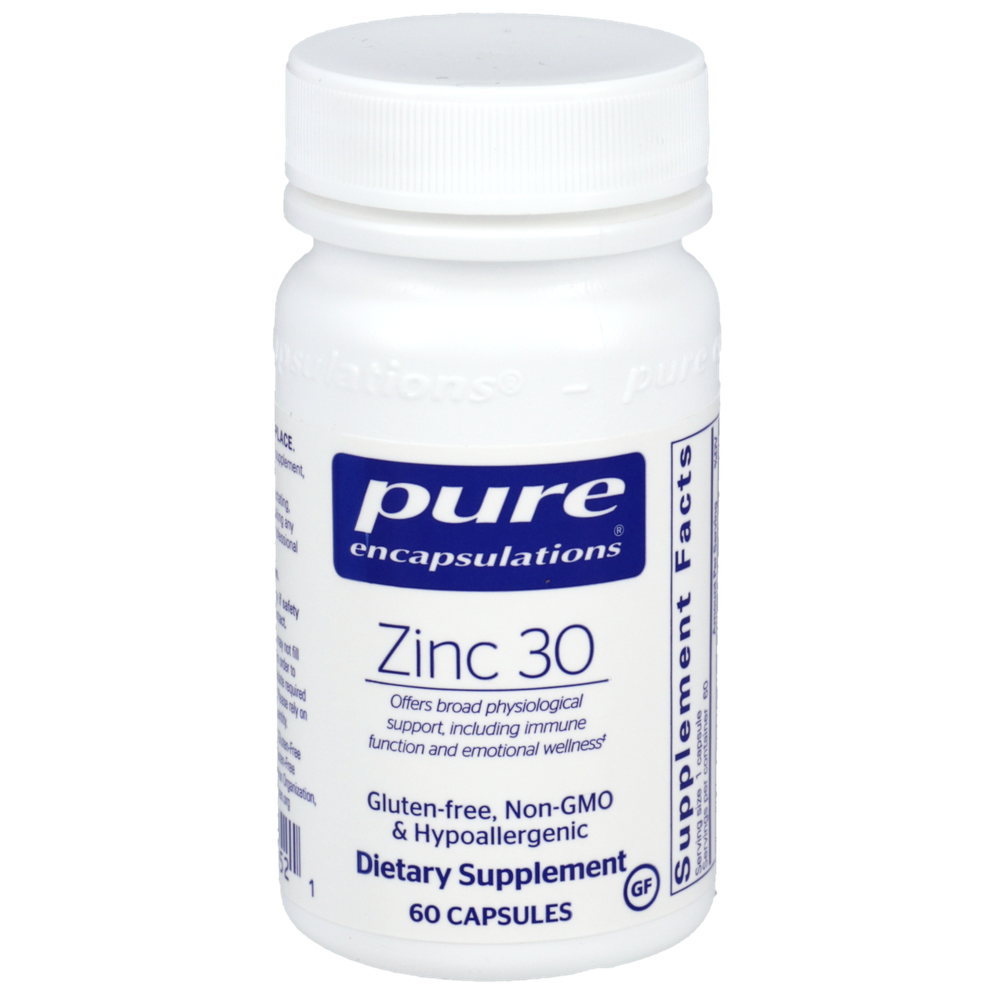
Zinc 30
Pure Encapsulations
60 capsules
$16.00$12.99 with Subscribe & Save
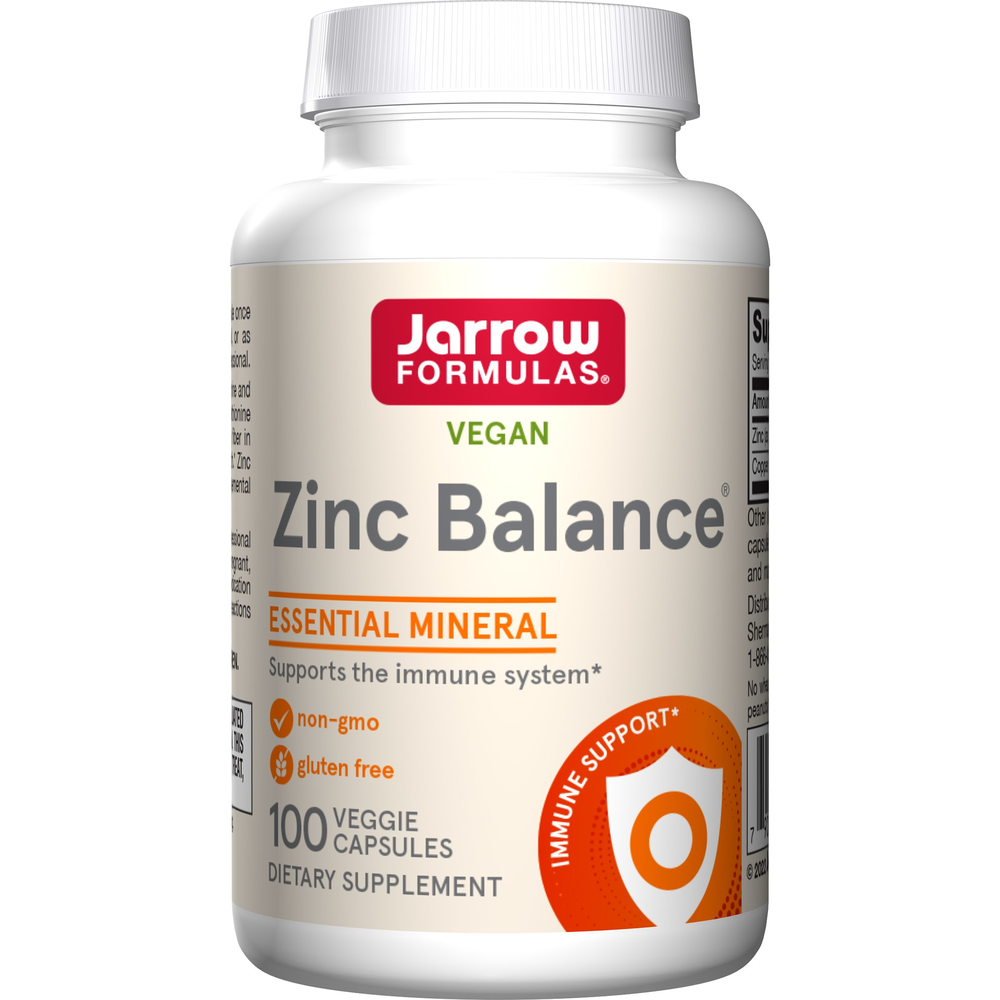
Zinc Balance
Jarrow Formulas
100 capsules
$16.99$13.99 with Subscribe & Save