
 Instalab



Trace Minerals Research
Shilajit Capsule 1000 mg by Trace Minerals Research
150 capsules · 75-day supply
Shilajit Extract With Fulvic Acid for Energy and Vitality$29.99
Purchase options
Practitioner-grade brand3rd-party testedFree shipping $50+
Vegan·Gluten Free
Trace Minerals Research Shilajit Capsule 1000 mg overview
Shilajit is a traditional Ayurvedic substance taken for energy and general vitality. This capsule fits adults who want to try it with a stated fulvic acid content, instead of raw resin whose strength and purity are hard to judge. Be clear about what it is: a traditional tonic with thin modern evidence. If you are tired, find out why first. Ferritin, Vitamin B12 and TSH, plus an honest look at your sleep, account for far more fatigue than a tonic will.
Shilajit is a dark, tar-like material that seeps from rock in the Himalaya and other high ranges, formed over centuries from decomposed plant matter. Its best-known component is fulvic acid, alongside humic compounds and small amounts of many minerals. This product is a 20:1 extract standardized for fulvic acid, with ConcenTrace, the maker's trace mineral complex, added. Laboratory work suggests fulvic acid acts as an antioxidant and may support how mitochondria make energy. Human trials are few and small, and their findings are preliminary.
A serving is 2 capsules, which provide 1000 mg of shilajit extract standardized to 200 mg of fulvic acid, plus 25 mg of ConcenTrace trace mineral complex. The bottle holds 75 servings. The label's suggested use is 2 capsules daily, or as your healthcare practitioner directs. Taking it with food is the usual way to avoid an upset stomach.
The main safety question with shilajit is purity. Raw or poorly processed shilajit can carry lead, arsenic, mercury and other heavy metals, so use only purified extracts from makers that test their batches. This label carries a third-party tested mark but does not say what the testing covers; checking Lead, Mercury and Arsenic is an option if you take any shilajit long term. It naturally contains some iron, so check with your clinician if you have hemochromatosis or a high Ferritin. Do not use it if you are pregnant or nursing, since its safety there has not been studied. If you have a chronic condition or take prescription medicines, ask your clinician first.
A fair trial is 8 to 12 weeks of daily use. If you notice nothing by then, stop. Do not expect a stimulant-like lift; it is not that kind of product. Compared with raw resin, a standardized capsule gives a consistent amount and skips the taste. Compared with correcting a low iron or B12 level, the evidence that shilajit helps energy is much weaker, which is why testing comes first.
Frequently asked questions
What is shilajit?
It is a dark, mineral-rich substance that seeps from mountain rock, formed over centuries from decomposed plants. It contains fulvic acid, humic compounds and trace minerals, and has a long history in Ayurveda as a tonic for energy and vitality.
How much fulvic acid is in this shilajit?
Two capsules provide 1000 mg of shilajit extract standardized to 200 mg of fulvic acid, along with 25 mg of ConcenTrace trace mineral complex. The bottle holds 150 capsules, which is 75 servings.
What does a 20:1 shilajit extract mean?
A 20:1 ratio means roughly 20 parts of raw material went into 1 part of extract. It describes concentration, not a guaranteed amount of any one compound. The more useful figure is the 200 mg of fulvic acid per serving that this extract is standardized to.
Does shilajit increase testosterone?
The evidence is thin. A small trial of purified shilajit in healthy men reported a rise, and it has not been well replicated. If testosterone is your concern, measure Testosterone and Free Testosterone and talk with your clinician instead of relying on a supplement.
Is shilajit safe to take every day?
Purified shilajit has been well tolerated in short studies. The main risk is contamination: raw shilajit can contain lead, arsenic and mercury. This label carries a third-party tested mark without saying what is tested. Checking Lead, Mercury and Arsenic is an option if you take it for months.
When is the best time to take shilajit?
The label says 2 capsules daily and does not name a time. Many people take shilajit in the morning with food, which also lowers the chance of stomach upset. Follow your practitioner if they direct otherwise.
How long does shilajit take to work?
Give it 8 to 12 weeks of daily use before deciding. Any effect on energy is gradual and modest, and the research is limited. If nothing has changed by then, it is reasonable to stop and look for other causes of low energy with your clinician.
Who should not take shilajit?
Avoid it if you are pregnant or nursing, and do not give it to children. People with hemochromatosis or iron overload should check with their clinician, because shilajit contains some iron. Anyone on prescription medicines should ask first.
How to take it & ingredients
Suggested use: Take 2 capsules daily or as directed by your healthcare practitioner.
Active ingredients
2 capsules per serving · 75 servings
Shilajit Extract
20:1 extract (standardized to 200mg Fulvic Acid)
20:1 extract (standardized to 200mg Fulvic Acid)
1000 mg
Trace Minerals (ConcenTrace® AC)
ConcenTrace® Trace Mineral Complex
ConcenTrace® Trace Mineral Complex
25 mg
Other ingredients: Hypromellose (capsule), Magnesium stearate, Microcrystalline cellulose, Silicon dioxide
Certifications
Benefits
Warnings
Customers also considered
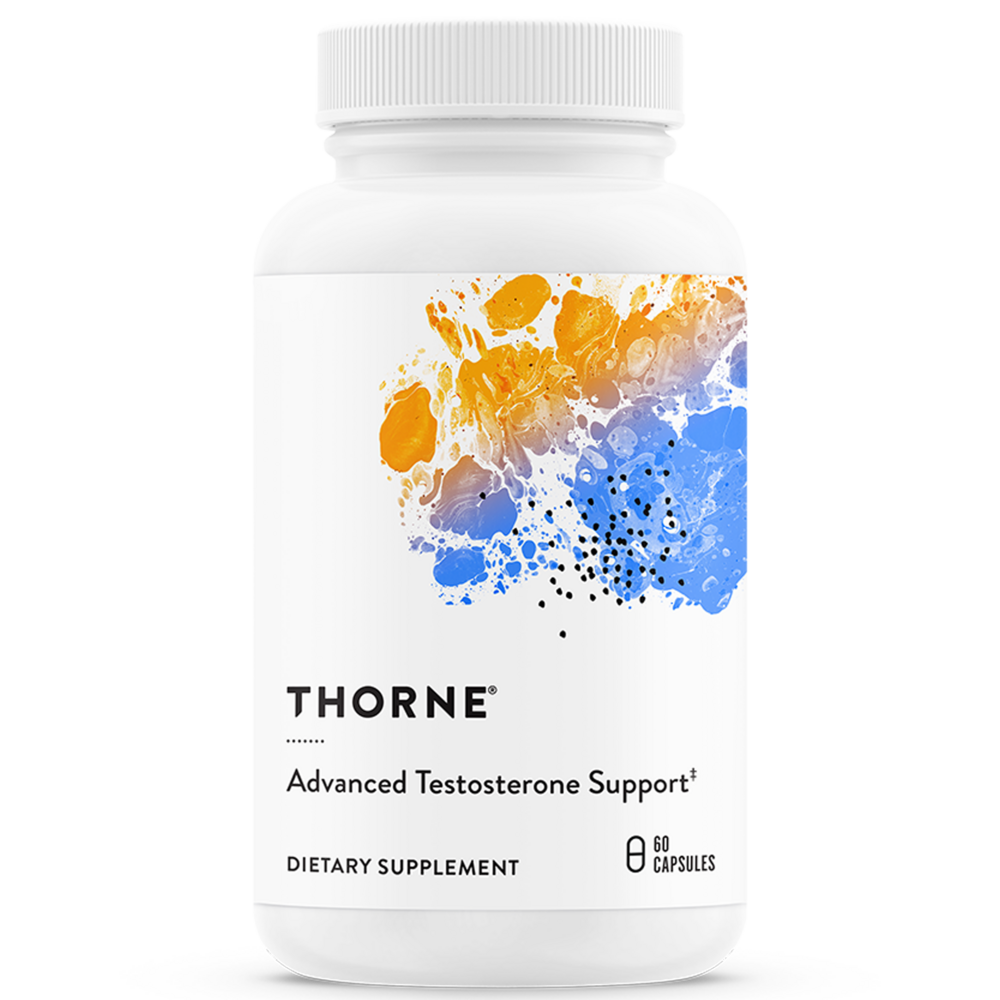
Advanced Testosterone Support
Thorne
60 capsules
$43.00$38.70 with Subscribe & Save
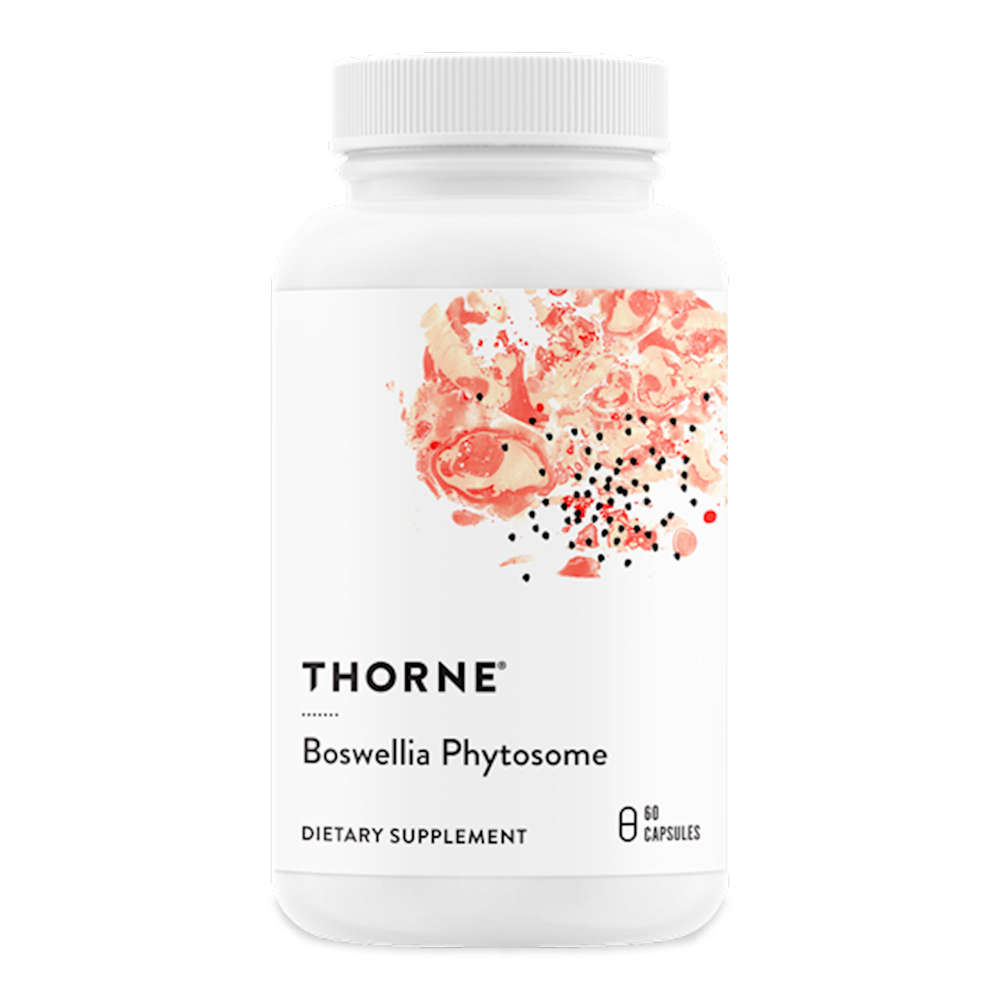
Boswellia Phytosome
Thorne
60 capsules
$59.00$53.10 with Subscribe & Save
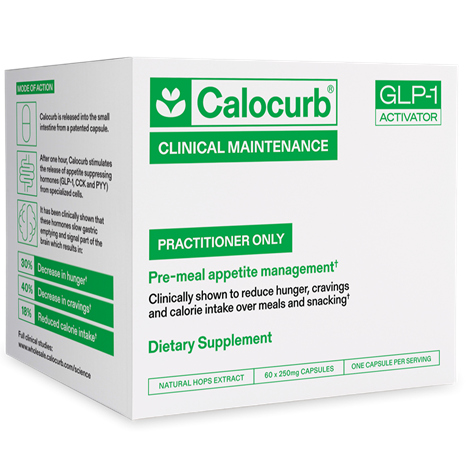
Calocurb® Clinical Maintenance Pack
Ortho Molecular Products
60 capsules
$142.90$128.74 with Subscribe & Save
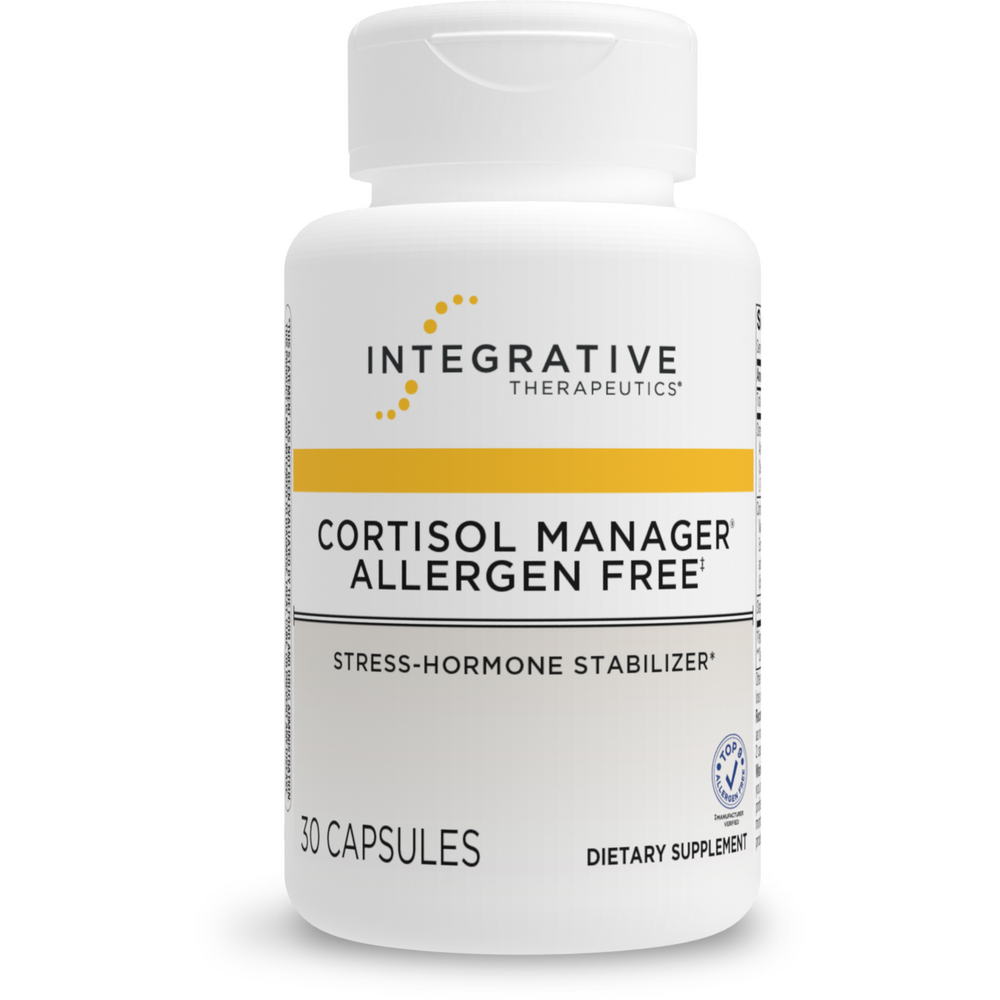
Cortisol Manager Allergen Free
Integrative Therapeutics
30 capsules
$28.99$22.99 with Subscribe & Save