 Instalab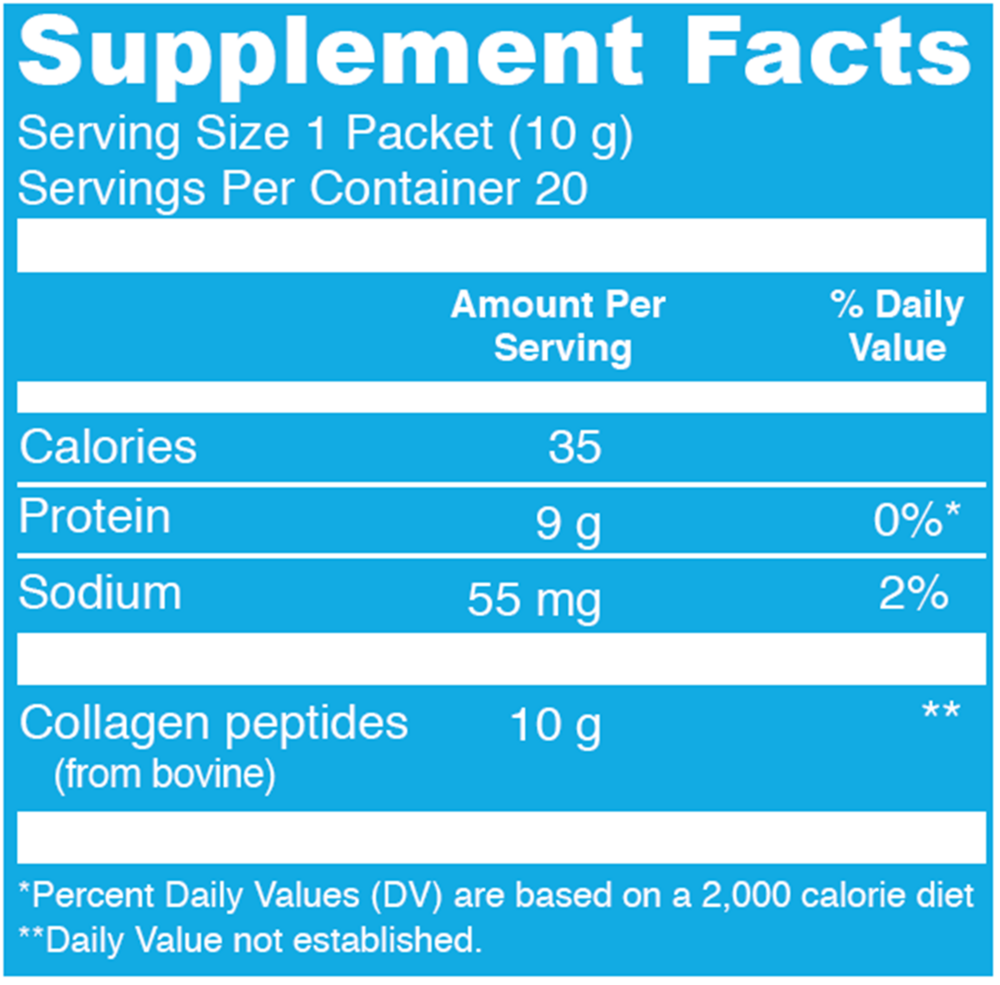

Vital Proteins
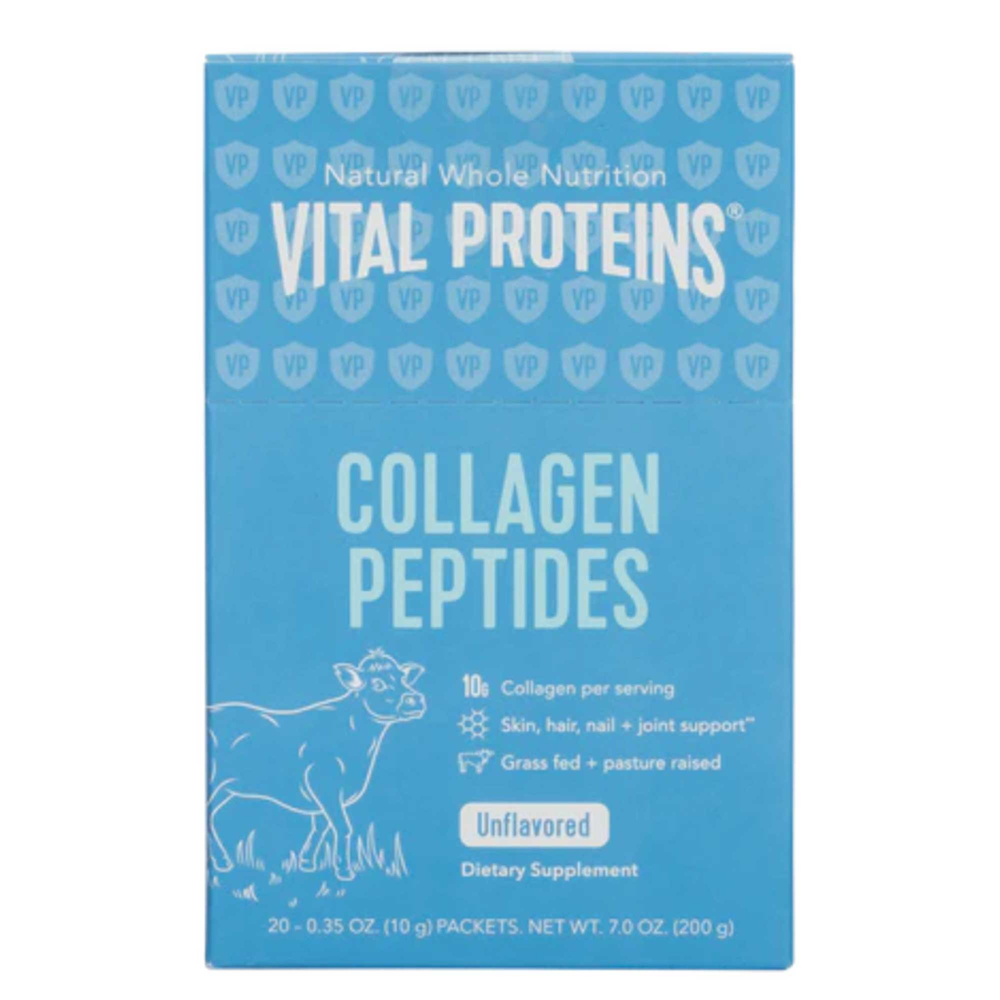
Collagen Peptides Stick Pack by Vital Proteins
20 packets · 20-day supply
Support Your Beauty and Wellness with Collagen Peptides$37.99
Purchase options
Practitioner-grade brand3rd-party testedFree shipping $50+
Kosher·Gluten Free·Dairy Free·Sugar Free·Paleo Friendly·Grass Fed
Vital Proteins Collagen Peptides Stick Pack overview
If you’re searching for collagen peptides for skin and joints, this single‑serve stick fits adults in their 30s and beyond as natural collagen production slows. It’s useful if your nails peel or split easily, if you train hard and notice joint discomfort, or if you’re cutting back on meat and your daily protein is light. For bone concerns, pair with regular DEXA scans (bone density imaging) to track change over time.
These hydrolyzed collagen peptides are broken into small pieces rich in glycine, proline, and hydroxyproline that absorb well and act as signals to skin fibroblasts (the cells that make collagen) and joint chondrocytes (the cells that maintain cartilage). In randomized trials, daily collagen improves skin hydration and elasticity and modestly reduces fine lines within 8 to 12 weeks. Some athletes and older adults report better joint comfort on activity in a similar timeframe. Vitamin C (the cofactor your body uses to build collagen) improves the effect, so take this near a vitamin‑C–containing meal.
Use one stick (10 g) once daily, mixed into coffee, tea, smoothies, or yogurt; hot or cold both work. Consistency matters more than timing, but many people tie it to breakfast for habit strength. If you’re rehabbing a tendon or doing connective‑tissue training, taking it 30 to 60 minutes before your session is reasonable. Collagen is not a complete protein, so don’t swap it for balanced protein at meals; keep your total daily protein appropriate for your goals.
This bovine collagen isn’t a fit for vegans, those avoiding beef for religious reasons, or anyone with a beef allergy. If you have advanced kidney disease and have been told to limit protein, clear added protein with your clinician. For hair shedding, check Ferritin (your iron store) and Thyroid-Stimulating Hormone; if either is off, collagen won’t fix the root cause. Pregnancy and breastfeeding: generally regarded as diet-level protein, but discuss any supplement add-ons with your obstetric clinician.
Skin changes are gradual; photos under consistent lighting help you notice improvements in 8 to 12 weeks. Nails often break less within 6 to 8 weeks. Joint comfort shifts tend to track with training load and show up after a month or two. If nothing changes by 12 weeks at 10 g/day, increasing total protein intake or addressing vitamin C intake usually moves the needle more than pushing collagen dose higher.
Frequently asked questions
How long do collagen peptides take to work?
Most people notice skin or nail changes within 8–12 weeks and joint comfort changes within 4–12 weeks. Collagen turnover is slow, so daily use matters. If you see nothing by 12 weeks, reassess total protein and vitamin C intake.
Do collagen peptides help with wrinkles and skin elasticity?
Yes, several randomized trials show modest improvements in skin hydration, elasticity, and fine lines after daily collagen for 8–12 weeks. Results are incremental, not dramatic, and track with adequate vitamin C and overall protein intake.
What time of day should I take collagen peptides?
Any time works. Take it when you’ll remember, often with breakfast or coffee. If you’re doing tendon or cartilage rehab, 30–60 minutes before exercise is reasonable so the peptides are circulating during loading.
Can I take collagen peptides with other protein powders?
Yes. Collagen is not a complete protein, so combining it with whey, soy, egg, or a mixed plant blend helps cover essential amino acids. Count collagen toward your daily protein total, but don’t rely on it alone.
Do I need vitamin C with collagen peptides?
It’s wise. Vitamin C is required to build new collagen. You don’t need a separate pill—taking collagen with fruit, peppers, or a standard multivitamin is usually enough. Low vitamin C can blunt results.
Are there side effects or safety concerns with collagen?
Collagen is generally well tolerated. A small number of people report mild fullness or digestive upset. Avoid if you have a beef allergy. If you’re on a protein-restricted diet for kidney disease, get clinician guidance first.
Will collagen peptides help with hair loss?
They can improve nail brittleness and hair thickness in some users, but true shedding often relates to iron status or thyroid function. Check Ferritin and Thyroid-Stimulating Hormone and address deficiencies alongside collagen.
How to take it & ingredients
Suggested use: Add one stick pack to your favorite hot or cold beverage or recipe daily to support hair, skin, nails, bones, and joints.
Active ingredients
1 packet per serving · 20 servings
Collagen Peptides
Bovine Collagen Peptides
Bovine Collagen Peptides
10000 mg
Protein
9 g
Sodium
55 mg
Certifications
Benefits
Warnings
Customers also considered
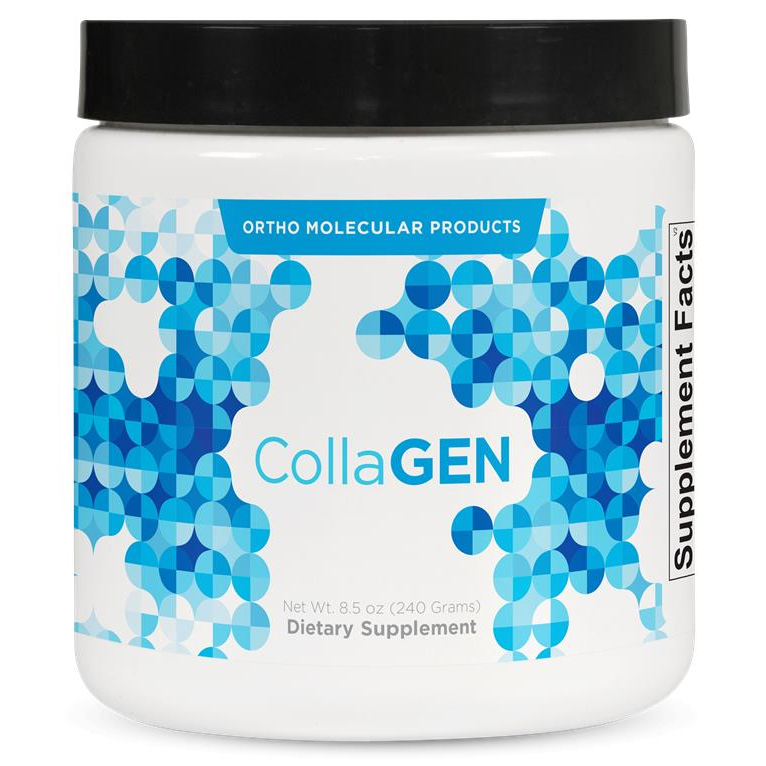
CollaGEN
Ortho Molecular Products
240 grams
$81.64$73.55 with Subscribe & Save
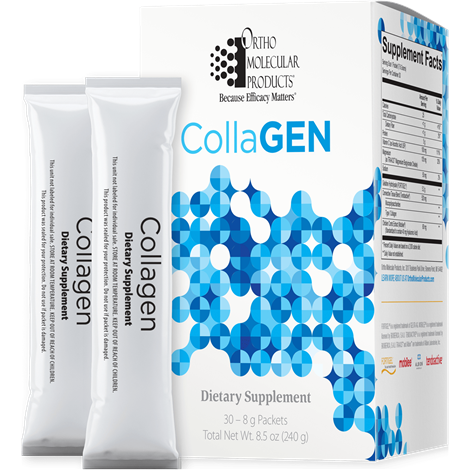
CollaGEN Stick Packs
Ortho Molecular Products
30 packets
$106.84$96.25 with Subscribe & Save
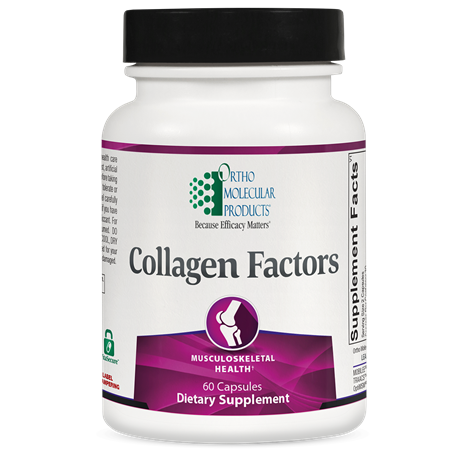
Collagen Factors
Ortho Molecular Products
60 capsules
$47.23$42.55 with Subscribe & Save
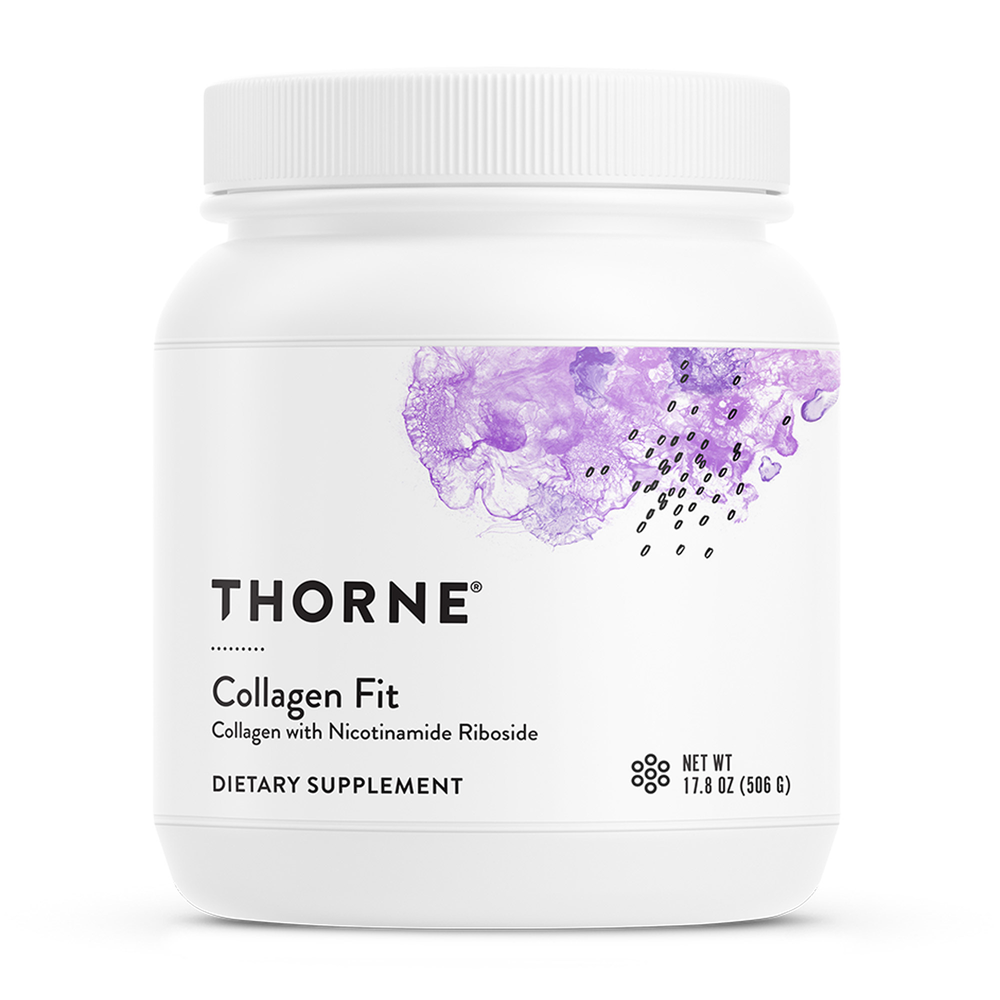
Collagen Fit
Thorne
506 grams
$56.00$50.40 with Subscribe & Save