 Instalab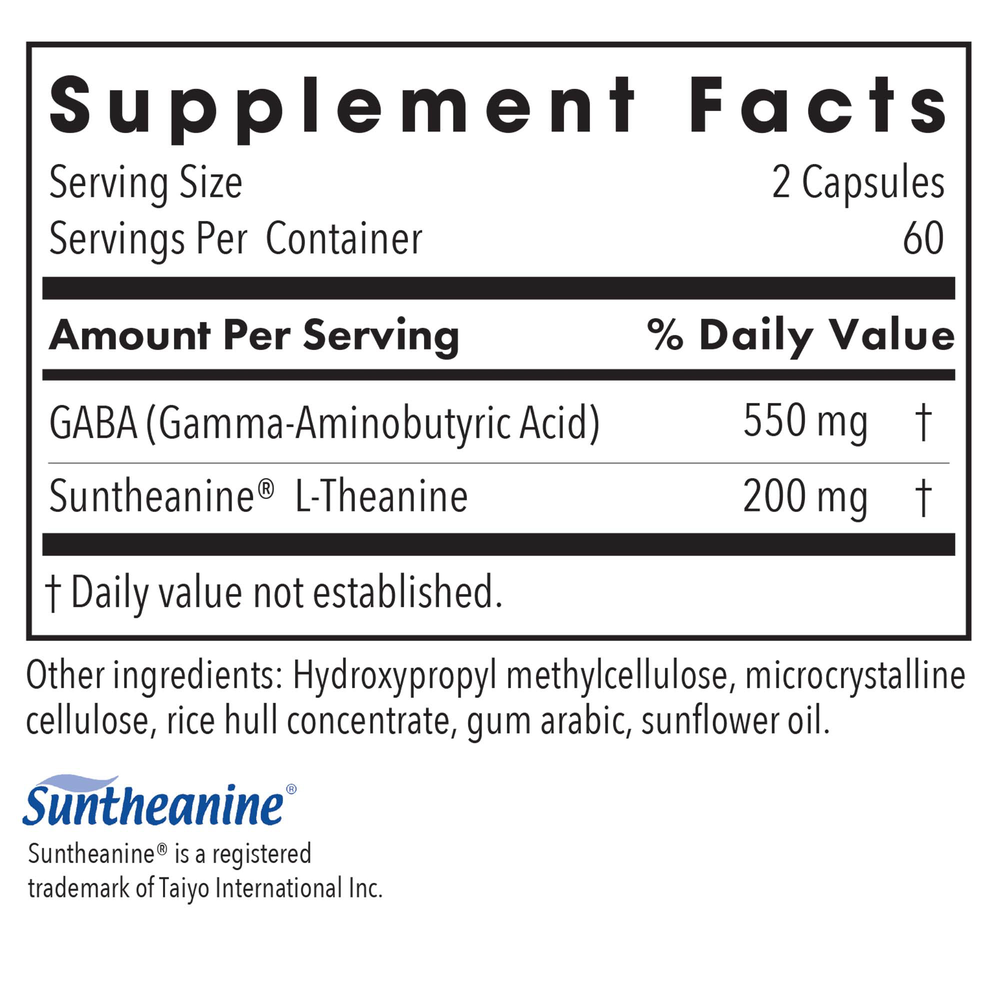


Allergy Research Group
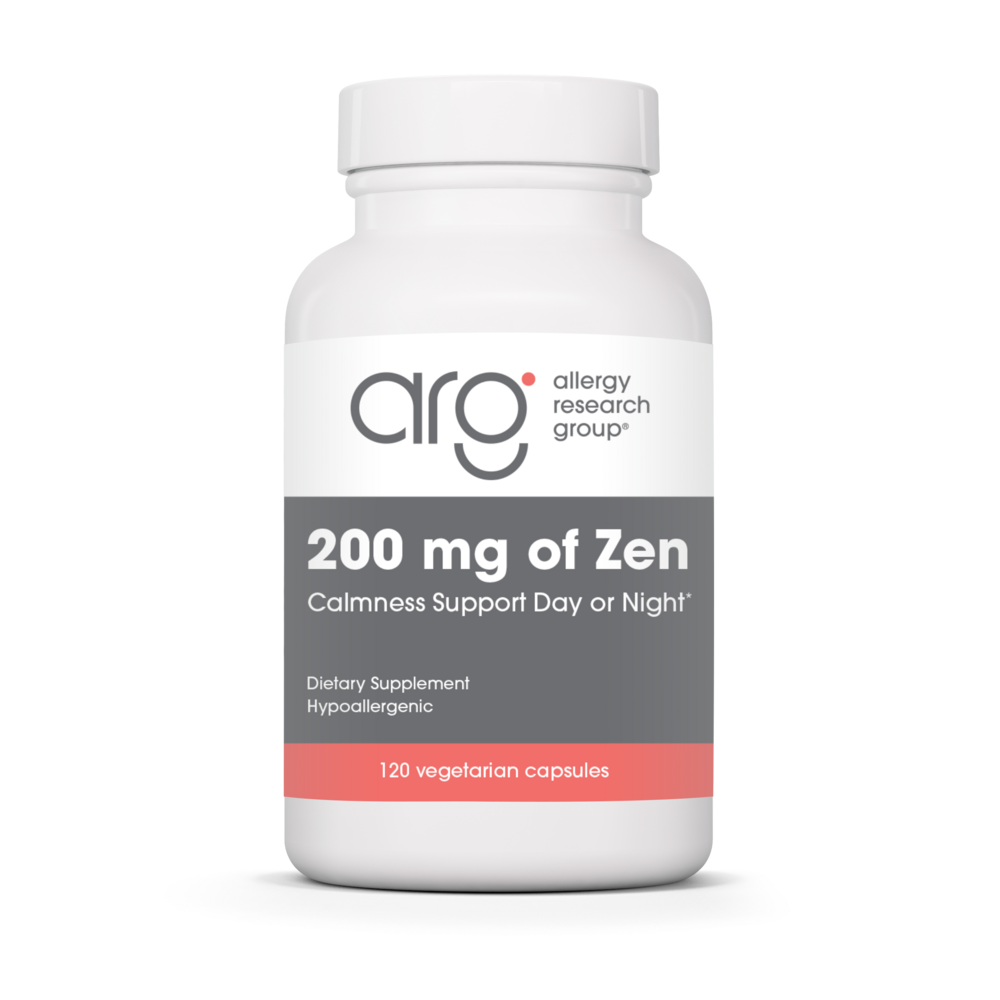
200 mg of Zen Stress Support by Allergy Research Group
120 capsules · 60-day supply
Promote Calm and Relaxation with L-Theanine and GABA$58.99
Purchase options
Practitioner-grade brand3rd-party testedFree shipping $50+
Gluten Free·Soy Free·Dairy Free·Egg Free·Milk Free·Tree Nut Free·
Allergy Research Group 200 mg of Zen Stress Support overview
If you’re searching for L-theanine for anxiety or caffeine jitters, this pairing fits. It’s well suited to adults with racing thoughts at night, pre-presentation nerves, or a high-caffeine workday. People who track sleep often see easier sleep onset within the first few uses. If your stress is severe or tied to depression, therapy and medical care come first; this is a day-to-day calmer, not a stand-alone treatment.
L-theanine crosses into the brain and increases alpha brain waves (the relaxed-but-alert pattern), while moderating glutamate (the main excitatory signal). In trials, 200 mg reduces the heart-rate and blood-pressure response to stress and improves attention. GABA (the brain’s primary calming neurotransmitter) taken orally has limited direct brain entry, but many users still feel less tension, likely via the gut–brain vagus pathway (the nerve that carries calming signals from gut to brain). Together they favor calm without sedation.
Use 1 capsule between meals for daytime composure, or 1–2 capsules 30–60 minutes before bed for sleep onset. Taking it away from protein may speed absorption. For caffeine sensitivity, 1 capsule with or just before coffee often smooths jitters without dulling focus. Effects are felt the same day; steady day-to-day benefits usually stabilize within 1 to 2 weeks. If you need stronger sleep help, consider pairing with good sleep timing and light hygiene first.
Avoid combining with alcohol or sedatives like benzodiazepines, sleep aids, or barbiturates, since additive drowsiness can occur. If you take blood-pressure medication, monitor at first because L-theanine can mildly lower pressure during stress. Pregnant or breastfeeding: skip due to limited safety data. If you’re on seizure medicines or have major psychiatric illness, use only with clinician guidance. Until you know your response, don’t drive or do high-risk work after the first dose.
Frequently asked questions
How long does L-theanine take to work?
Most people feel calmer focus in 30–60 minutes after a 200 mg dose. If you take it nightly for sleep, the effect on sleep onset is often noticeable the first week.
Does L-theanine make you sleepy?
Not usually. It produces a relaxed-but-alert state. Near bedtime, it can make falling asleep easier without next-day grogginess for most users.
Can I take GABA and L-theanine together?
Yes. They act on the same calming system from different angles and are commonly paired. Start with one capsule to gauge your response before using two.
Is L-theanine safe with antidepressants or ADHD meds?
Generally yes with SSRIs and stimulants, but check with your prescriber. The main concern is added sedation with other calming agents, not serotonin toxicity.
Will this lower my blood pressure?
It can slightly blunt stress-related blood pressure spikes. It’s not a treatment for hypertension. If you’re on blood-pressure meds, monitor when starting.
Can I take this with coffee?
Yes. Many use 200 mg L-theanine with coffee to reduce jitters while keeping alertness. Take it with or 15 minutes before your first cup.
Is GABA effective if it can’t cross the blood-brain barrier well?
Some still feel calmer, likely through gut–brain signaling via the vagus nerve. If you feel nothing after several tries, rely on L-theanine timing instead.
How to take it & ingredients
Suggested use: As a dietary supplement, 1 or 2 capsules daily between meals, or as directed by a healthcare practitioner.
Active ingredients
2 capsules per serving · 60 servings
GABA
Gamma-Aminobutyric Acid
Gamma-Aminobutyric Acid
550 mg
Suntheanine® L-Theanine
200 mg
Other ingredients: Hydroxypropyl methylcellulose, Microcrystalline cellulose, Rice hull concentrate, Gum arabic, Sunflower oil
Certifications
Benefits
Warnings