 Instalab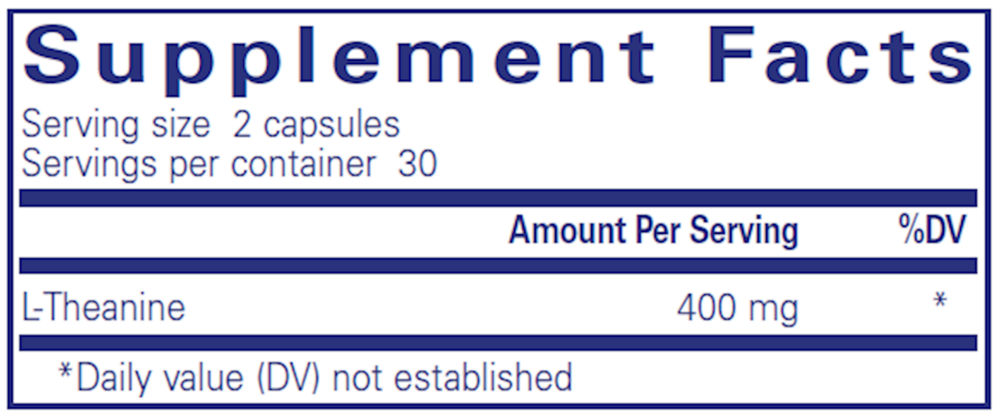

Pure Encapsulations
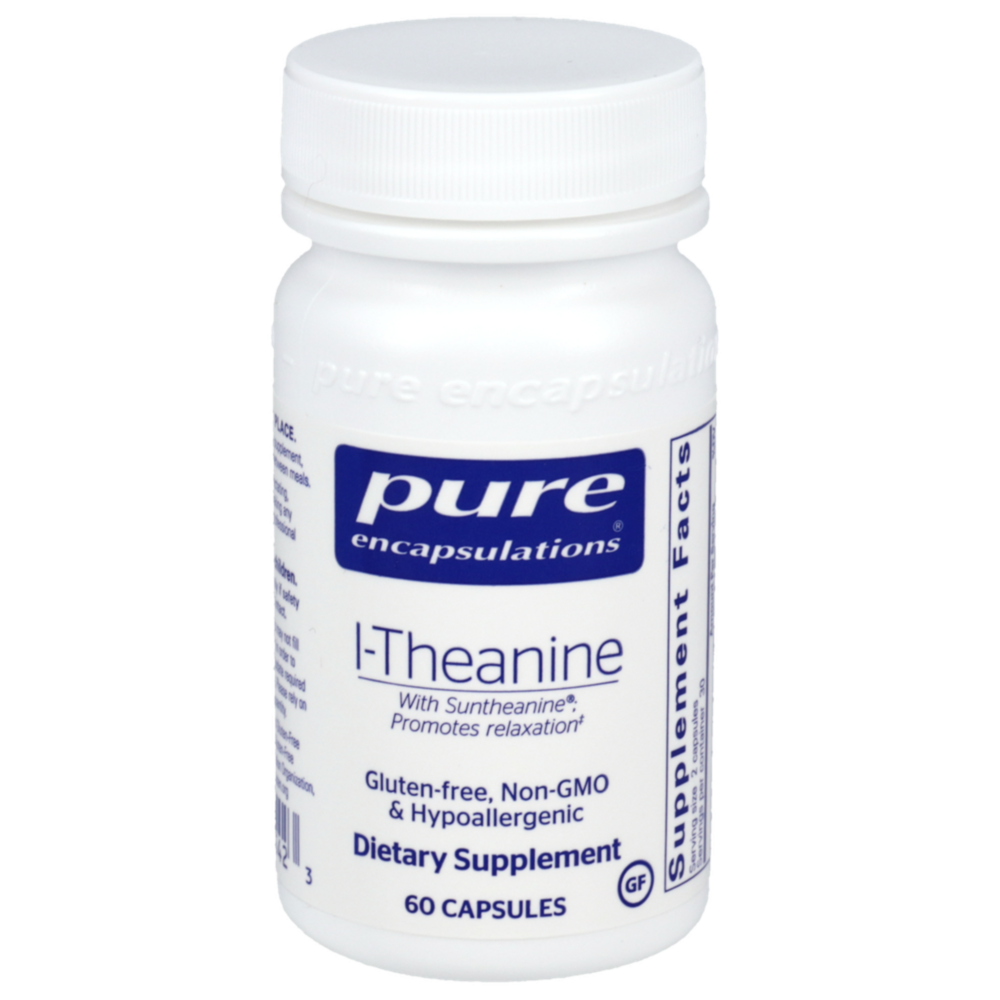
L-Theanine 400 mg by Pure Encapsulations
60 capsules · 30-day supply
Promotes Calm and Relaxation for Enhanced Focus and Well-Being$65.50
Purchase options
Practitioner-grade brand3rd-party testedFree shipping $50+
Vegan·Vegetarian·Gluten Free
Pure Encapsulations L-Theanine overview
If you are considering L-theanine for anxiety during work, study, or travel, this 400 mg capsule fits a fast-acting, non-drowsy use case. It’s useful for people who feel “wired but tired,” are sensitive to caffeine jitters, or have racing thoughts at bedtime. Adults who want calm without losing focus tend to do well. The label also includes dosing for kids and teens under caregiver guidance.
L-theanine increases alpha brain waves (the relaxed-yet-alert pattern seen on EEG) and tempers glutamate signaling (glutamate is the brain’s main excitatory chemical). In practice, that feels like smoother focus with less edge. It also nudges GABA (a calming neurotransmitter) and can blunt caffeine’s overstimulation. During acute stress it may slightly lower blood pressure, which is one reason some people notice less thumping heartbeat.
Pure Encapsulations L-theanine provides 400 mg per capsule. Take between meals. Adults typically use one capsule 1–3 times daily; onset is 30–60 minutes and lasts about 4–8 hours. For bedtime wind-down, take it 30–60 minutes before lights out. For focus with coffee, many use a 2:1 theanine-to-caffeine ratio. Children and teens can use the lower label dose with clinician or caregiver oversight.
If you take blood pressure medication, monitor for lightheadedness as L-theanine can mildly lower pressure during stress. It can add to the calming effect of sedatives, alcohol, or antihistamines. With stimulant medications for attention, it often smooths side effects, but coordinate dosing with your prescriber. Pregnancy and breastfeeding have limited data, so use only with clinician guidance.
Frequently asked questions
How fast does L-theanine work and how long does it last?
Most people feel calmer within 30–60 minutes, with effects lasting about 4–8 hours. If you’re using it for bedtime wind-down, take it about an hour before sleep and give it a few trials to find your timing.
Does L-theanine make you sleepy or impair focus?
No, it’s typically non-drowsy. L-theanine increases relaxed-but-alert brain activity, so most users report calmer focus rather than sedation. If you combine it with other calming agents, you might feel more relaxed than expected.
Can I take L-theanine with caffeine or coffee?
Yes. L-theanine often reduces caffeine jitters and smooths focus. A common approach is roughly twice as much theanine as caffeine. Start low and adjust, since individual sensitivity to caffeine varies widely.
What’s the best L-theanine dose for anxiety or stress?
Common adult doses are 200–400 mg, up to three times daily. This capsule is 400 mg, which suits single-dose use. If you’re new to it, you can start with 200 mg by splitting timing or using a lower dose product, then adjust.
Is L-theanine safe to take every day?
For healthy adults, daily use is generally well tolerated in studies and long-term tea consumption. Side effects are uncommon and mild, like headache or dizziness. If you’re pregnant, breastfeeding, or on medications, check with your clinician.
Can kids or teens take L-theanine?
Yes, this label includes dosing for ages 8–18. Use under caregiver oversight, ideally with clinician input, and start at the lower end. Monitor for excessive sleepiness if combined with other calming products or medications.
Does L-theanine lower blood pressure?
It can slightly lower blood pressure during acute stress. If you already have low readings or take antihypertensive medication, monitor how you feel and consider checking home blood pressures when starting.
How to take it & ingredients
Suggested use: As a dietary supplement, children ages 8-18, take 1 capsule, 1-2 times daily, between meals. Adults, take 2 capsules, 1-3 times daily, between meals.
Active ingredients
2 capsules per serving · 30 servings
L-Theanine
400 mg
Other ingredients: Hypoallergenic Plant Fiber (Cellulose), Vegetarian Capsule (Cellulose, Water)
Certifications
Benefits
Warnings
Customers also considered
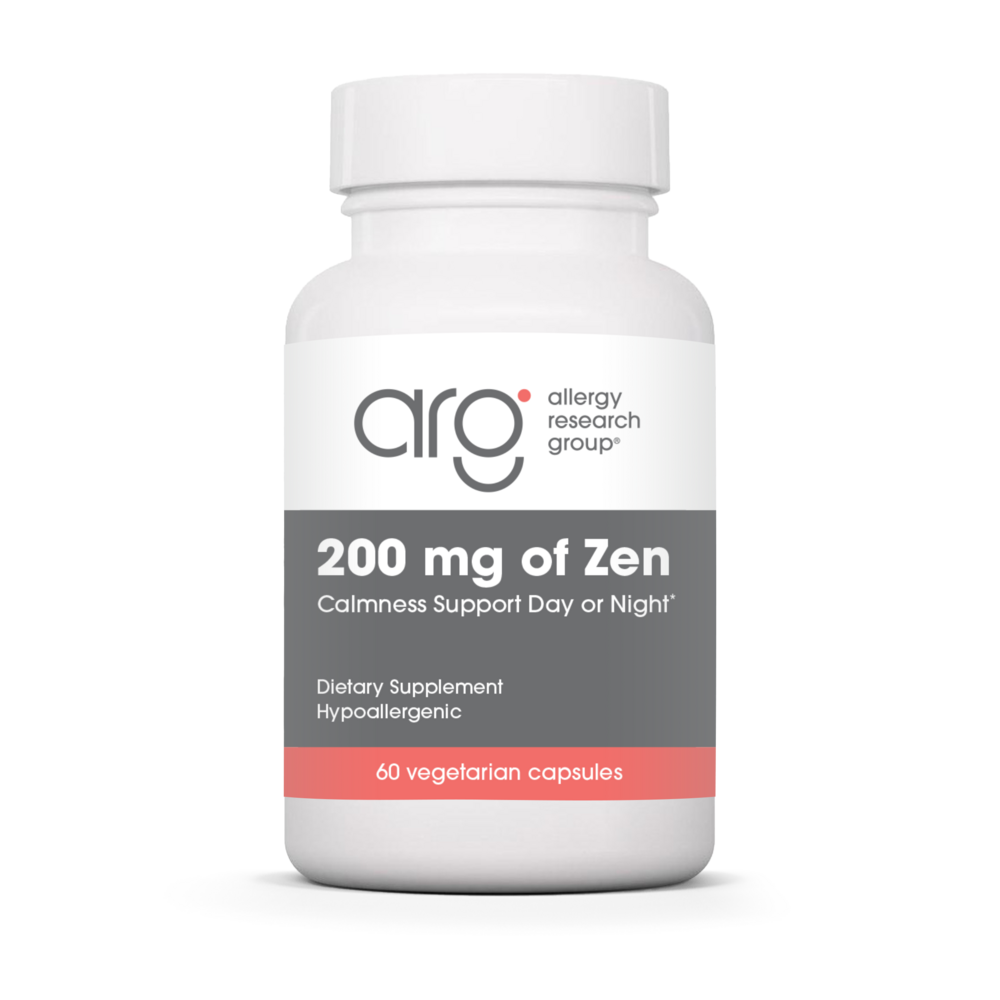
200 mg of Zen Stress Support
Allergy Research Group
60 capsules
$44.99$35.99 with Subscribe & Save
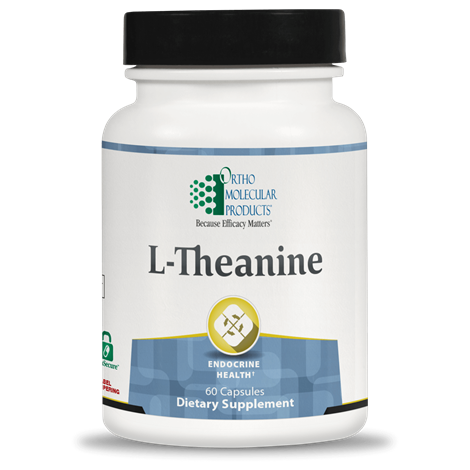
L-Theanine
Ortho Molecular Products
60 capsules
$58.44$52.65 with Subscribe & Save
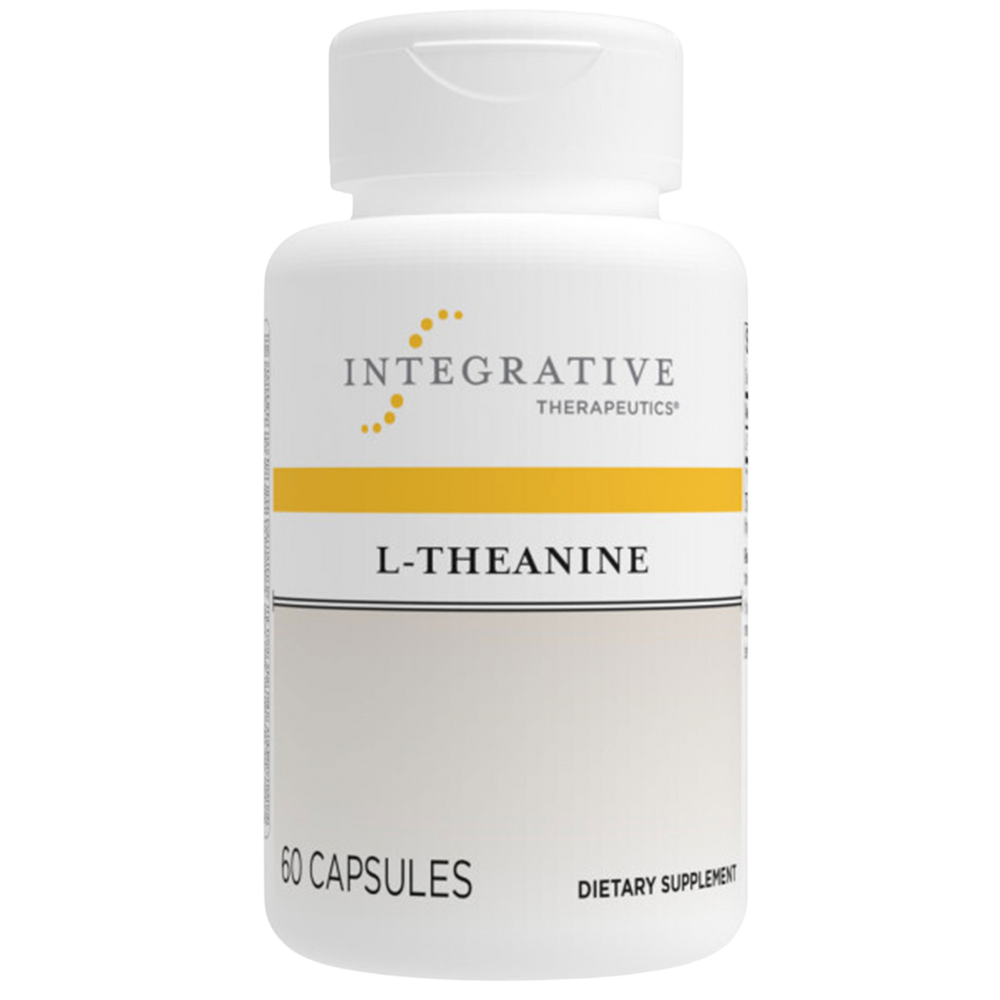
L-Theanine
Integrative Therapeutics
60 capsules
$22.99$17.99 with Subscribe & Save
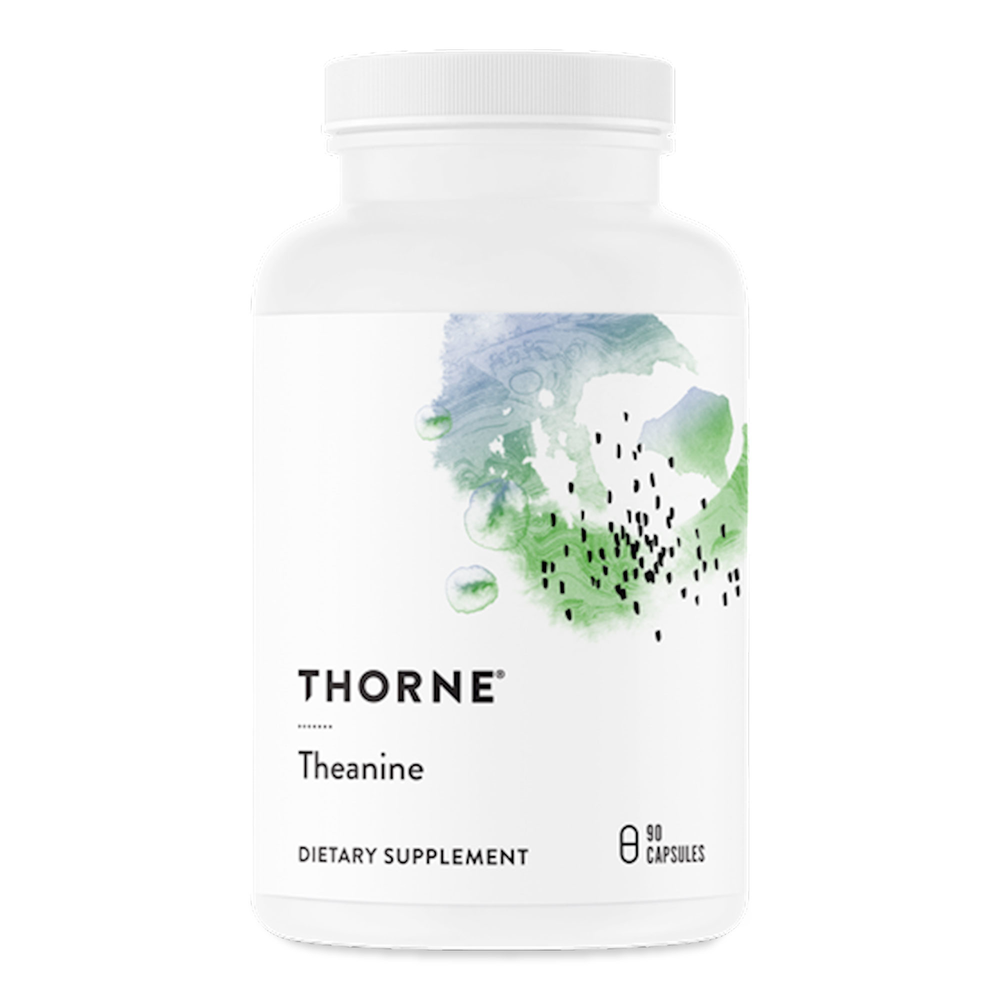
Theanine
Thorne
90 capsules
$68.00$61.20 with Subscribe & Save