 Instalab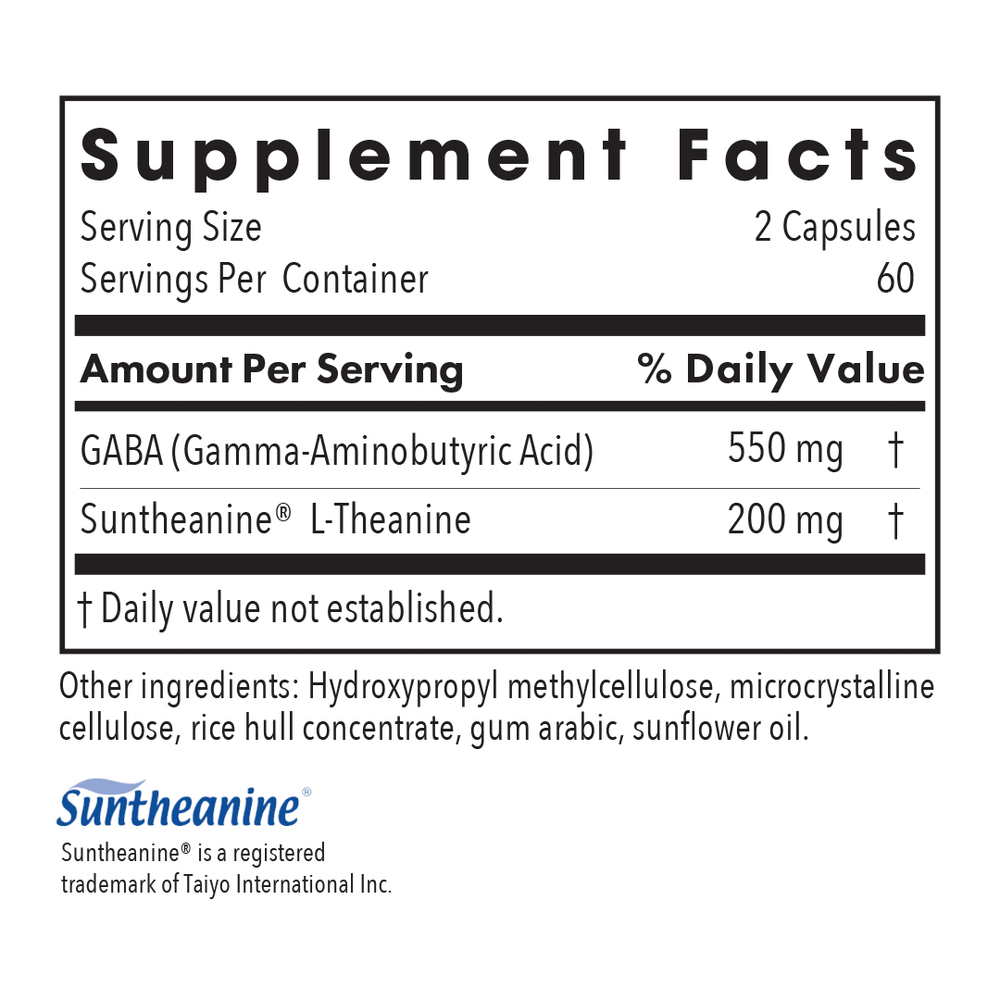


Allergy Research Group
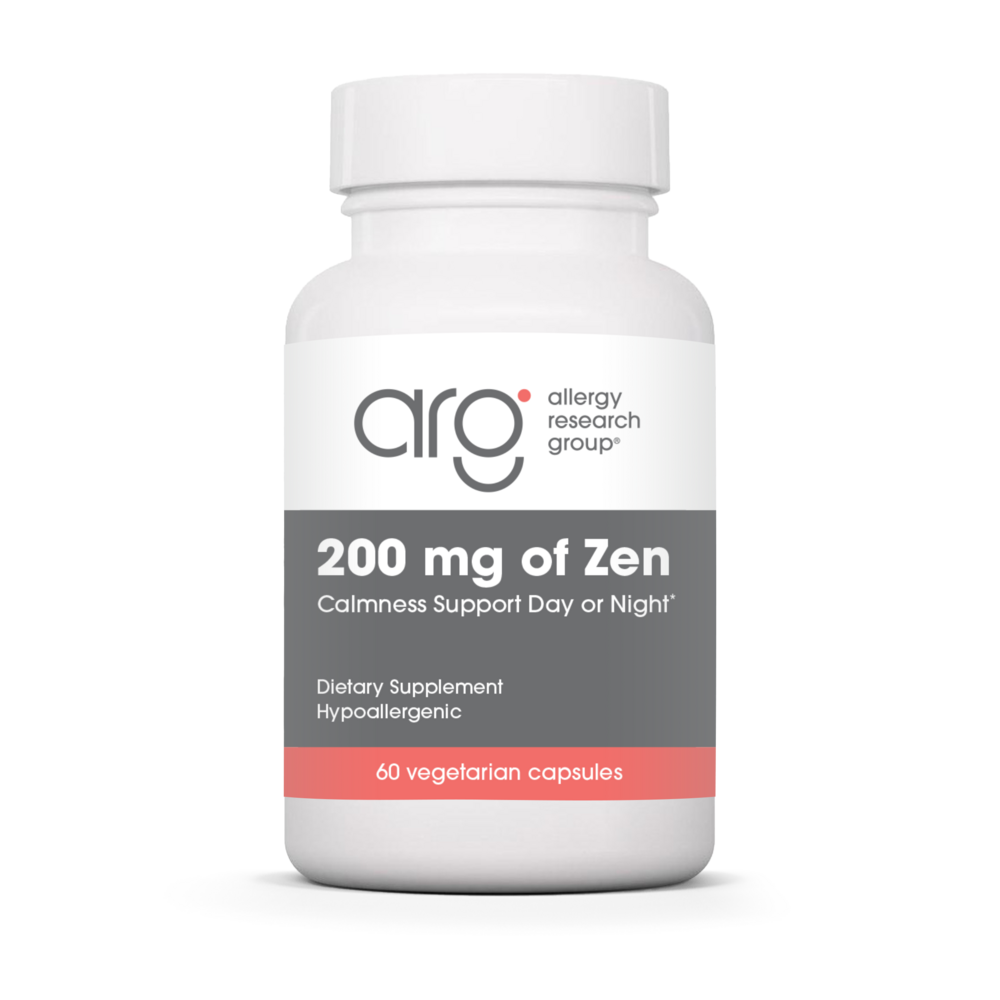
200 mg of Zen Stress Support by Allergy Research Group
60 capsules · 30-day supply
Promote Calmness and Relaxation with L-Theanine and GABA$44.99
Purchase options
Practitioner-grade brand3rd-party testedFree shipping $50+
Gluten Free·Soy Free·Dairy Free·Egg Free·Milk Free·Tree Nut Free·
Allergy Research Group 200 mg of Zen Stress Support overview
If your stress shows up as mental chatter before a meeting or a racing mind in the afternoon, this L-theanine and GABA blend fits. The 200 mg of L-theanine is the clinically studied amount for calmer focus without sedation, useful when your AM Cortisol is high-normal or your day is caffeine-heavy. GABA adds a body-level relaxation that some notice as less muscle tension. For ongoing stress, daily use can smooth reactivity; for events, take it 30–60 minutes prior.
L-theanine (from green tea) increases alpha brain waves (the relaxed-but-alert state on EEG) and tempers glutamate signaling (the brain’s “go” signal), which many people feel as steady focus. It also nudges your own GABA production. GABA (gamma-aminobutyric acid, the brain’s main “slow down” signal) taken orally has limited direct brain entry, but it likely works through the gut–brain axis and peripheral GABA receptors. In practice, theanine drives the clear-headed calm; GABA adds a gentle physical ease.
Use 1 capsule between meals for routine calm, or 1–2 capsules 30–60 minutes before a stressful event or deep-focus work. Evening use can help unwind without typical next-day grogginess. Start with one to gauge sedation, especially if you are smaller-bodied or sensitive to supplements. If you pair it with coffee, take this first; theanine plus caffeine often improves attention while muting jitters. Expect acute effects within an hour, with steadier baseline benefits over 1–2 weeks.
L-theanine and GABA can intensify drowsiness with alcohol, benzodiazepines (like lorazepam), sleep medications (zolpidem), or other sedatives; avoid combining or keep doses low and separated. Theanine can mildly lower blood pressure, so monitor if you use antihypertensives. It is generally compatible with SSRIs and SNRIs, but discuss changes with your prescriber. First doses should be at home until you know your response; do not mix with driving or risky tasks until then.
Skip during pregnancy or breastfeeding due to limited data. If you have significant depression, bipolar disorder, epilepsy, or are tapering sedatives, use only with clinician guidance. If your fatigue is profound or you wake unrefreshed, screen for other drivers like iron status (Ferritin), thyroid function (TSH, Free T4), and sleep apnea rather than escalating calming supplements. For persistent anxiety, pair this with therapy and address caffeine and sleep timing.
Frequently asked questions
How fast does L-theanine with GABA work?
Most people feel calmer or more focused within 30–60 minutes. For baseline stress reactivity, take it daily for 1–2 weeks to judge benefit. Timing between meals improves consistency.
Will L-theanine make me sleepy?
Usually no. L-theanine is calming without typical sedation at 200 mg, though some feel relaxed enough to nap. Start with one capsule first, especially if combining with other calming agents.
Does oral GABA even cross the blood–brain barrier?
Only a little, if at all. Even so, many report a body-calming effect, likely via the gut–brain axis and peripheral GABA receptors. In this formula, L-theanine does most of the cognitive lifting.
Can I take this with coffee for focus?
Yes. L-theanine and caffeine are a well-known pair for calm focus and fewer jitters. Take theanine first or with coffee. This product has no caffeine.
Is L-theanine safe to take every day?
For most healthy adults, daily L-theanine at 200 mg is well tolerated. Monitor blood pressure if you’re on antihypertensives and avoid combining with sedatives or alcohol.
Can I use it for sleep at night?
You can take it in the evening to unwind. It may help with sleep onset by reducing mental tension. If middle-of-the-night waking is the issue, address sleep schedule, caffeine timing, and light exposure.
Does it interact with antidepressants or anxiety meds?
It’s generally compatible with SSRIs and SNRIs, but avoid stacking with benzodiazepines or sleep meds due to extra sedation. Always clear changes with your prescriber.
What is Suntheanine and is it better?
Suntheanine is a branded, pure L-theanine that matches the form studied in most trials. It offers consistent dosing and has the strongest evidence base compared with generic blends.
How to take it & ingredients
Suggested use: As a dietary supplement, 1 or 2 capsules daily between meals, or as directed by a healthcare practitioner.
Active ingredients
2 capsules per serving · 30 servings
GABA
Gamma-Aminobutyric Acid
Gamma-Aminobutyric Acid
550 mg
Suntheanine® L-Theanine
200 mg
Other ingredients: Hydroxypropyl methylcellulose, Microcrystalline cellulose, Rice hull concentrate, Gum arabic, Sunflower oil
Certifications
Benefits
Warnings