 Instalab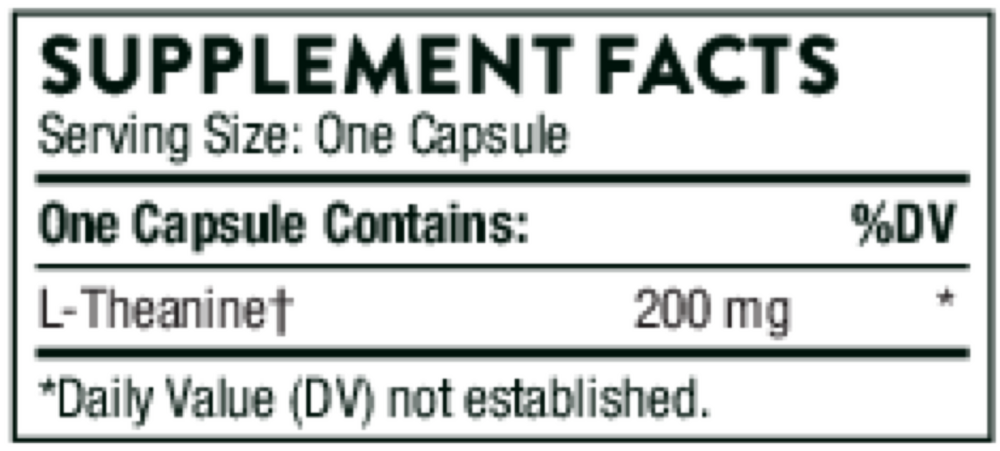


Thorne
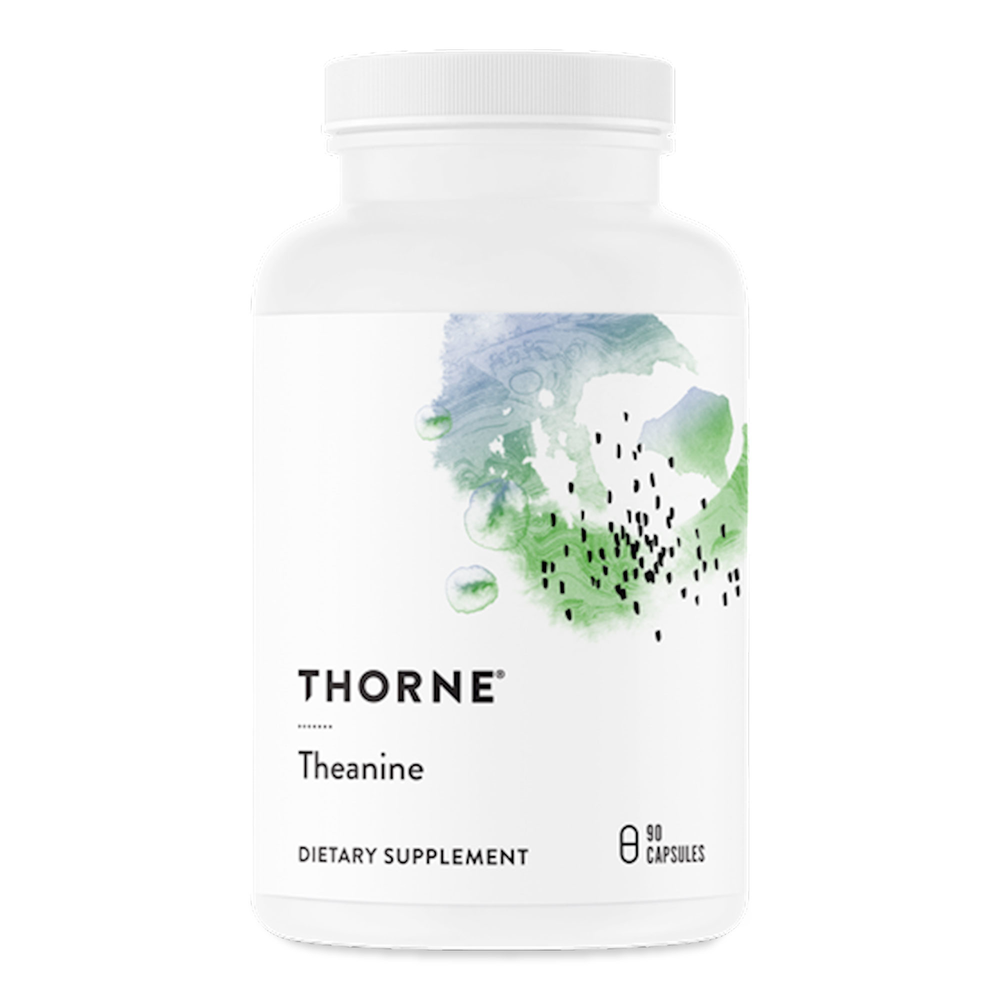
Theanine 200 mg by Thorne
90 capsules · 90-day supply
Promote Relaxation and Mental Clarity with L-Theanine$68.00
Purchase options
Practitioner-grade brand3rd-party testedFree shipping $50+
Gluten Free·Soy Free·Dairy Free·Milk Free
Thorne Theanine overview
If you’re considering L-theanine for anxiety, this 200 mg capsule fits people who feel wired from stress or caffeine and want calm without feeling sedated. It’s especially useful if coffee makes you jittery or raises your heart rate, because theanine smooths that edge while preserving focus. Night owls who ruminate at bedtime often find it helps them unwind. If your stress shows up as high morning salivary cortisol (the stress hormone measured after waking), daily use can be worthwhile.
L-theanine, the relaxing amino acid from green tea, crosses into the brain and gently shifts signaling. It increases GABA (the main calming neurotransmitter) and balances dopamine and serotonin (the motivation and mood chemicals), while dampening glutamate (the excitatory signal). In EEG studies it increases alpha waves, the relaxed‑but‑alert pattern you feel during meditation. That’s why people describe theanine as calm focus rather than sedation.
Take 200 mg on an empty stomach or with a light snack, 30–60 minutes before a stressful event or bedtime. For steady daily stress, 200 mg two to three times per day is common. If pairing with caffeine for focus, many use a 2:1 theanine to caffeine ratio. For sleep onset trouble, 200–400 mg in the evening can help, then reassess within 2 to 4 weeks.
L-theanine is generally well tolerated, but it can modestly lower blood pressure, so combine cautiously with antihypertensives and monitor at home. It can take the edge off stimulants, which many people want with coffee, but discuss use if you take prescription stimulants. Data in pregnancy and breastfeeding are limited, so avoid unless your clinician agrees. Thorne Theanine contains only L-theanine, with no caffeine.
Most people feel a noticeable calming within 30–60 minutes of a single dose, and smoother focus when combined with caffeine. Daily use over 2 to 4 weeks can reduce perceived stress and improve sleep quality in worriers. Side effects are uncommon and usually mild, like headache or light nausea, which often resolve by taking with a small snack.
Frequently asked questions
How long does L-theanine take to work?
A single 200 mg dose typically starts working within 30–60 minutes. For ongoing stress or sleep quality, take it daily and reassess after 2–4 weeks.
What is the best L-theanine dosage for anxiety?
Most adults start at 200 mg, taken one to three times daily depending on stress patterns. For acute anxiety spikes, 200 mg pre-event is reasonable. Reassess after a few days and adjust with a clinician if needed.
Does L-theanine make you sleepy?
Not usually. It promotes a relaxed but alert state. Taken at night it can help you fall asleep easier by reducing mental tension, without acting like a sedative.
Can I take L-theanine with coffee or caffeine?
Yes. Many use a 2:1 theanine to caffeine ratio to reduce jitters while keeping focus. Take the theanine 15–30 minutes before or with your coffee for best effect.
Is L-theanine safe to take every day?
For healthy adults, daily use at typical doses is considered safe and well tolerated. If you have low blood pressure or take antihypertensives, monitor readings and discuss with your clinician.
Are there side effects from L-theanine?
Side effects are uncommon. When they occur, they’re usually mild—headache, light nausea, or dizziness. Taking with a small snack or reducing the dose often fixes it.
Can I take L-theanine with antidepressants or anti-anxiety meds?
There’s no known dangerous interaction with SSRIs or common anxiolytics at usual doses, but always review supplements with your prescriber to coordinate dosing and goals.
Is L-theanine safe in pregnancy or breastfeeding?
Human data are limited, so it’s best to avoid during pregnancy and breastfeeding unless your obstetric clinician specifically recommends it.
How to take it & ingredients
Suggested use: Take 1 capsule one to three times daily or as recommended by your health professional.
Active ingredients
1 capsule per serving · 90 servings
L-Theanine
200 mg
Other ingredients: Hypromellose Capsule, Leucine, Microcrystalline Cellulose, Silicon Dioxide
Certifications
Benefits
Warnings
Customers also considered
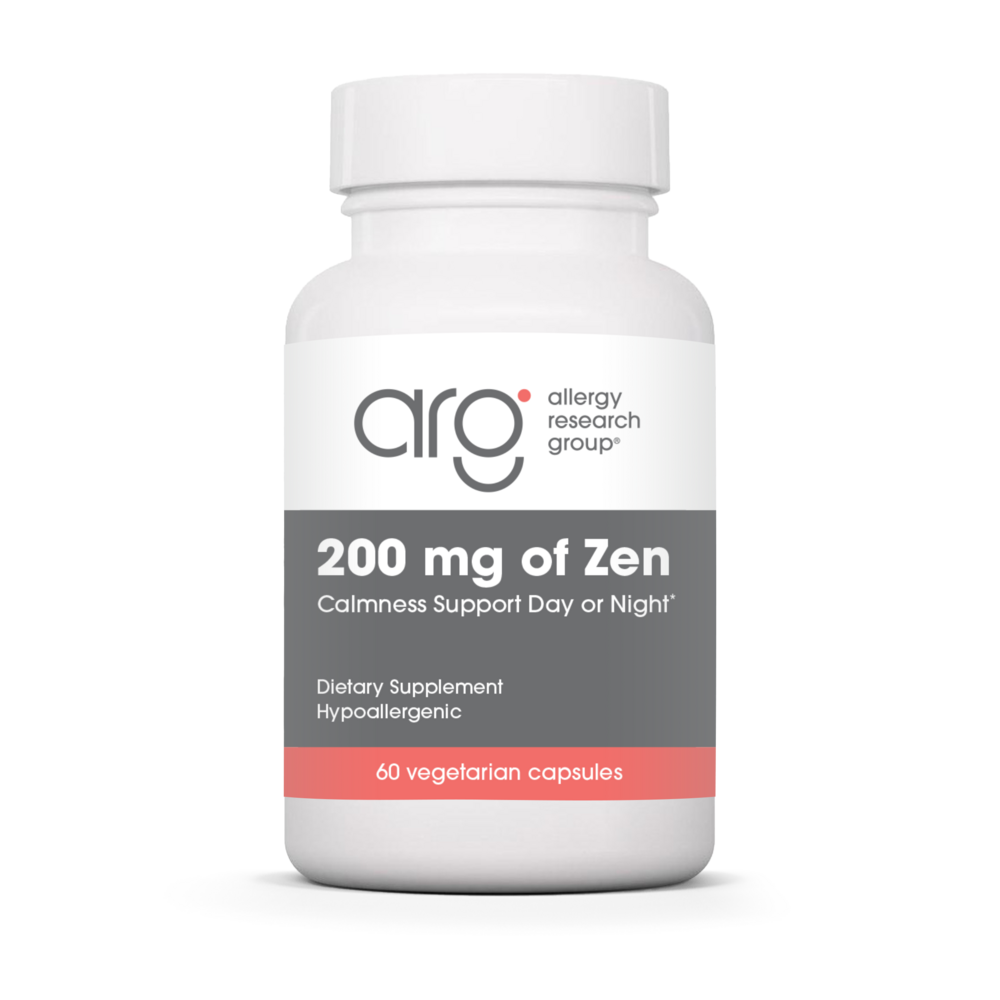
200 mg of Zen Stress Support
Allergy Research Group
60 capsules
$44.99$35.99 with Subscribe & Save
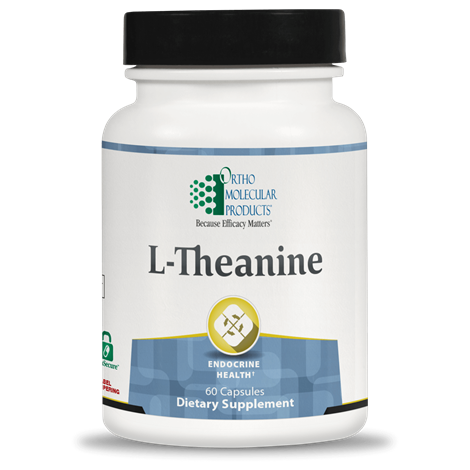
L-Theanine
Ortho Molecular Products
60 capsules
$58.44$52.65 with Subscribe & Save
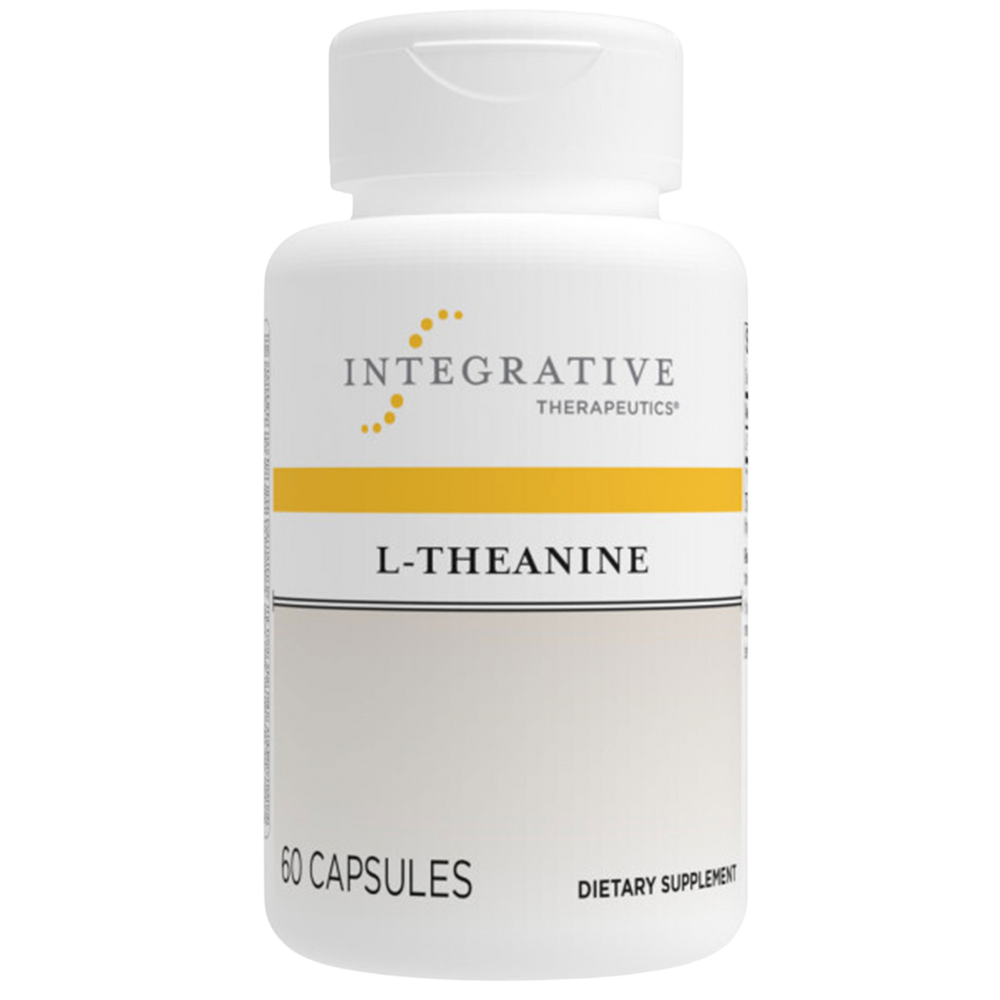
L-Theanine
Integrative Therapeutics
60 capsules
$22.99$17.99 with Subscribe & Save
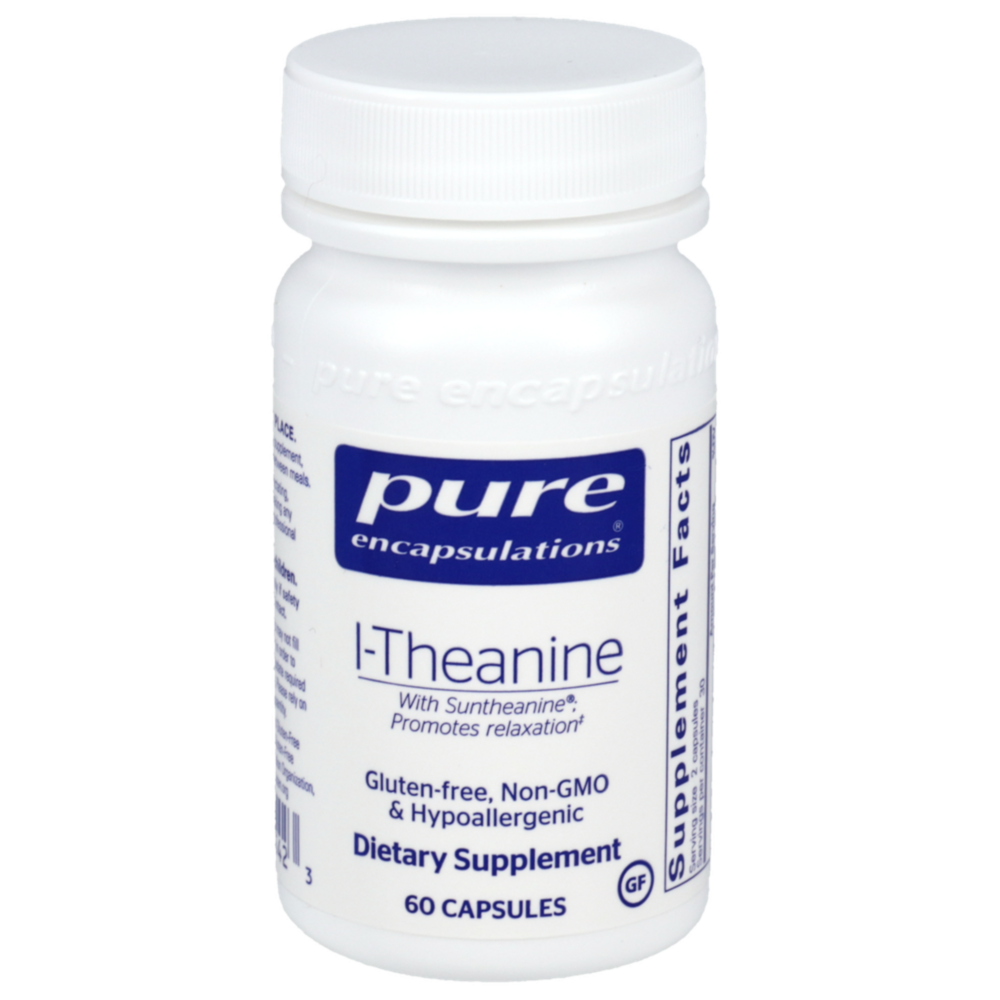
L-Theanine
Pure Encapsulations
60 capsules
$65.50$51.99 with Subscribe & Save