 Instalab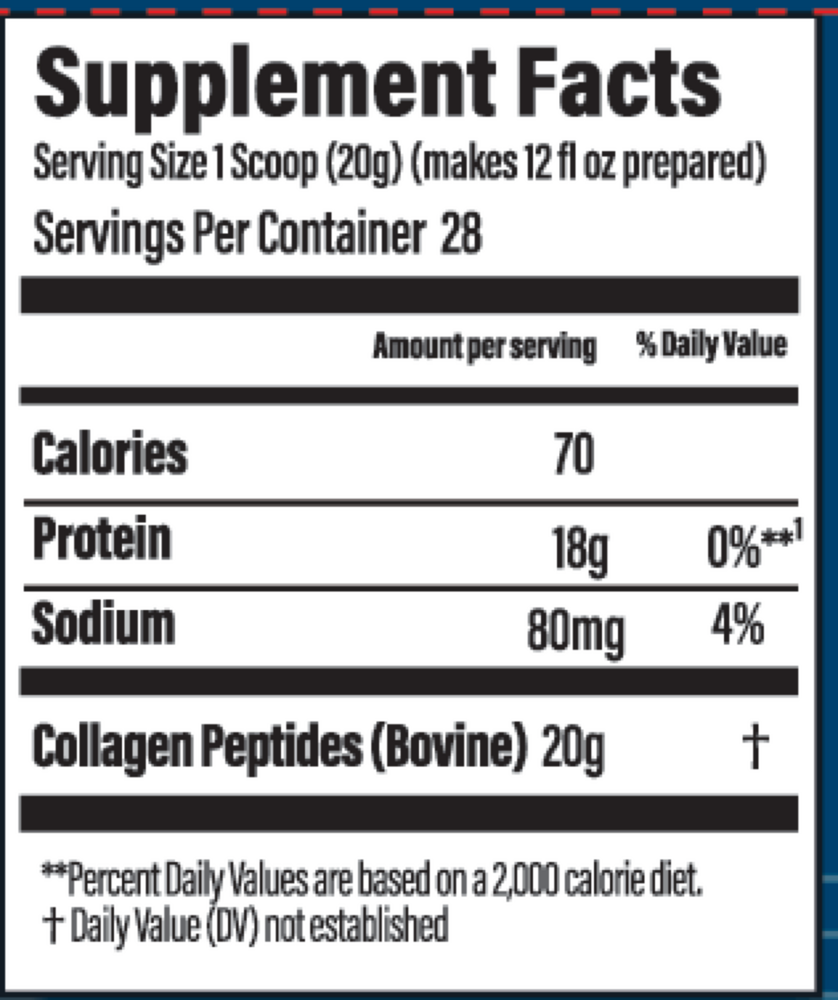

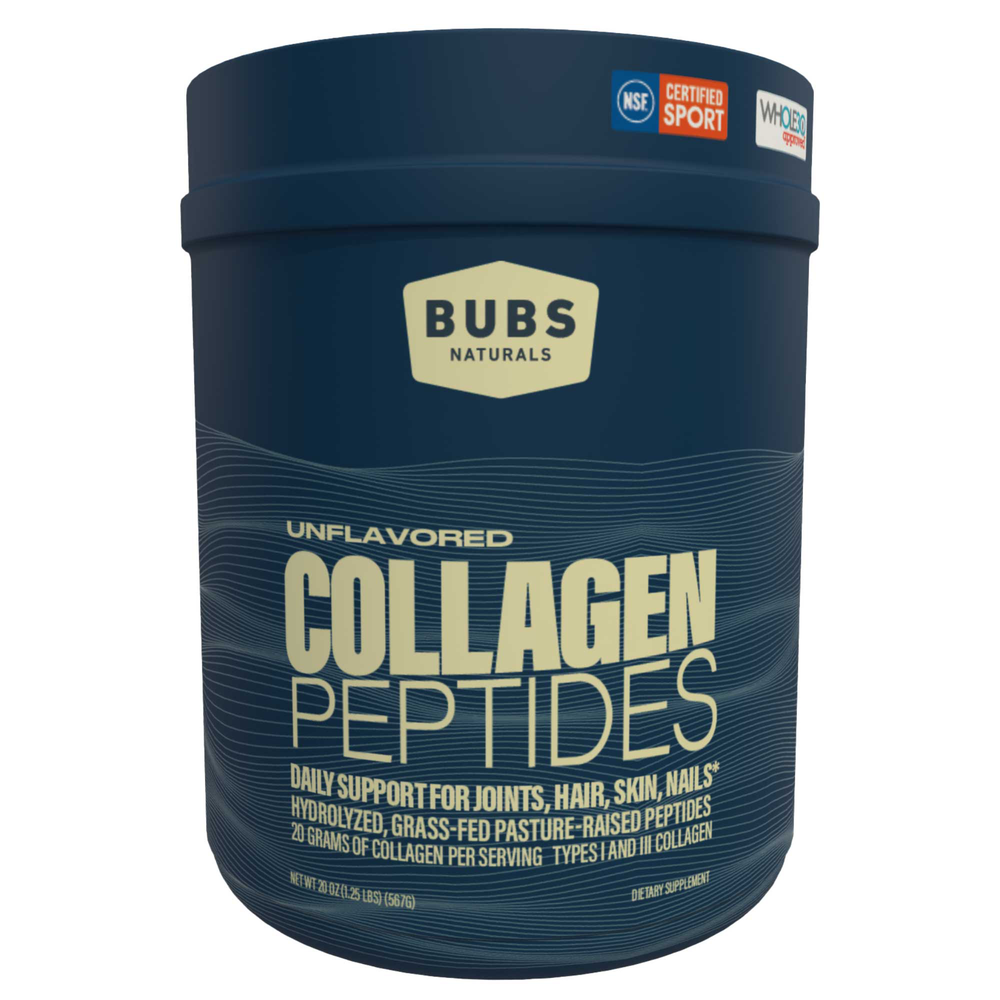
Bubs Naturals
Collagen Peptides by Bubs Naturals
567 grams · 28-day supply
Support Your Skin, Joints, and Overall Vitality with Collagen Peptides$47.99
Purchase options
Practitioner-grade brand3rd-party testedFree shipping $50+
Bubs Naturals Collagen Peptides overview
If you’re chasing better skin elasticity, stronger nails, or nagging joint discomfort from training or long hours at a desk, collagen peptides are a practical daily add-on. They help most in adults with visible skin aging or activity-related joint aches who already hit baseline protein needs. Vegans should skip them, since bovine collagen isn’t plant-based. If you’re expecting muscle gain like whey delivers, collagen peptides aren’t a substitute; they’re low in leucine (the amino acid that switches on muscle building), so think of them as connective‑tissue nutrition, not a primary muscle protein.
Hydrolyzed collagen (broken into small peptides) is rich in glycine, proline, and hydroxyproline, the building blocks your fibroblasts (the cells that make collagen) prefer. These peptides are absorbed and signal fibroblasts to make new collagen, especially when vitamin C is present, which your body uses as a required cofactor in collagen assembly. In clinical trials, daily collagen peptides improved skin elasticity and fine lines within 8 to 12 weeks, and reduced mild joint pain over 12 to 24 weeks. Benefits are structural and gradual, not a stimulant effect you feel on day one.
Mix one scoop in coffee, tea, or a smoothie once daily; two scoops is a higher, repletion-style dose if your goal is faster skin or joint changes. Consistency matters more than timing. Collagen peptides pair well with vitamin C, so add citrus or take a C supplement the same day. For muscle recovery, keep using a complete protein like whey or soy to hit your daily protein target, and use collagen peptides alongside, not instead.
If you follow a vegan diet or avoid bovine products for religious reasons, collagen peptides aren’t a fit. People on medically restricted protein diets, including some with chronic kidney disease, should clear added collagen protein with their clinician. A history of calcium-oxalate kidney stones warrants moderation and good hydration, since collagen’s hydroxyproline can raise oxalate. For significant hair shedding, check Ferritin (your iron stores) rather than relying on collagen alone, as low iron is a common, fixable driver.
Frequently asked questions
Do collagen peptides actually work for skin?
Yes. Multiple randomized trials show small to moderate improvements in skin elasticity and wrinkles after 8–12 weeks of daily collagen peptides. Results depend on dose, consistency, and baseline skin aging. They’re not a quick cosmetic, but steady, structural support.
How long do collagen peptides take to work for joints?
Most responders notice easier movement or less soreness after 12–24 weeks. Joint changes are slower than skin because cartilage remodels gradually. Keep training smart, manage body weight, and ensure total daily protein is adequate.
Are collagen peptides a complete protein?
No. Collagen lacks tryptophan and is low in leucine, so it won’t trigger muscle protein synthesis like whey or soy. Use it for connective tissue and skin, and meet your daily protein with complete sources alongside it.
What’s the best time to take collagen peptides?
Any time you’ll remember daily. Morning coffee or a smoothie is common because collagen dissolves well in hot or cold liquids. Taking it with vitamin C the same day supports collagen formation.
Can I take collagen peptides with coffee?
Yes. Heat-stable collagen peptides mix well in hot coffee and don’t lose effectiveness at typical beverage temperatures. If you add milk, count that toward total daily protein.
Are collagen peptides safe in pregnancy or breastfeeding?
They’re derived from food (bovine collagen) and generally well tolerated, but high-quality pregnancy data are limited. If you’re pregnant or breastfeeding, review total protein needs with your clinician before adding supplements.
Bovine vs marine collagen—does the source matter?
Both provide the same key peptides for skin and joints. Marine collagen is an alternative if you avoid beef, but it’s not vegetarian either. Choose based on dietary preference and tolerability.
Any side effects from collagen peptides?
Most people tolerate them well. A minority report mild bloating or a aftertaste. Rarely, higher intakes can increase urinary oxalate; hydrate well if you’ve had kidney stones.
How to take it & ingredients
Suggested use: Mix 1–2 scoops (20 g) into your beverage of choice, such as smoothies, coffee, tea, or juice.
Active ingredients
1 scoop (20 g) per serving · 28 servings
Collagen Peptides
Bovine Collagen Peptides
Bovine Collagen Peptides
20000 mg
Protein
18 g
Certifications
Benefits
Warnings
Customers also considered
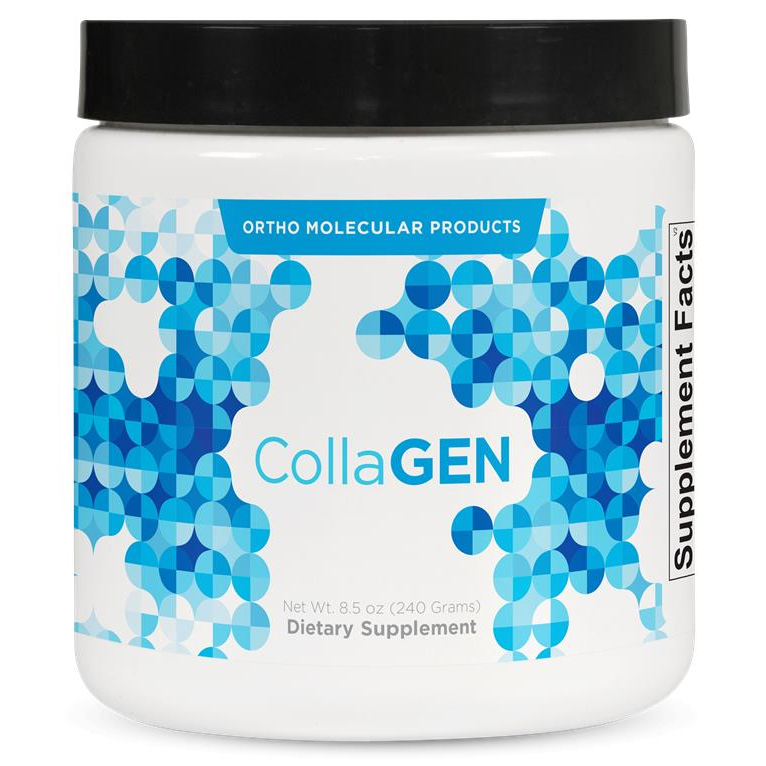
CollaGEN
Ortho Molecular Products
240 grams
$81.64$73.55 with Subscribe & Save
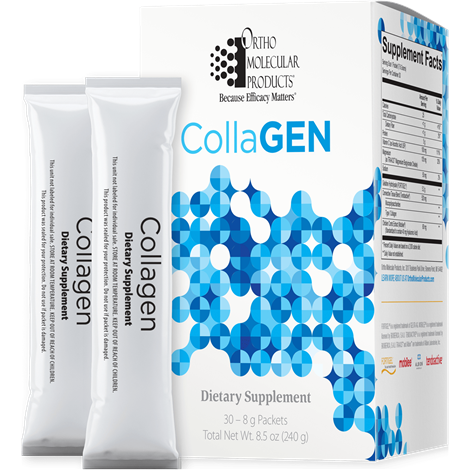
CollaGEN Stick Packs
Ortho Molecular Products
30 packets
$106.84$96.25 with Subscribe & Save
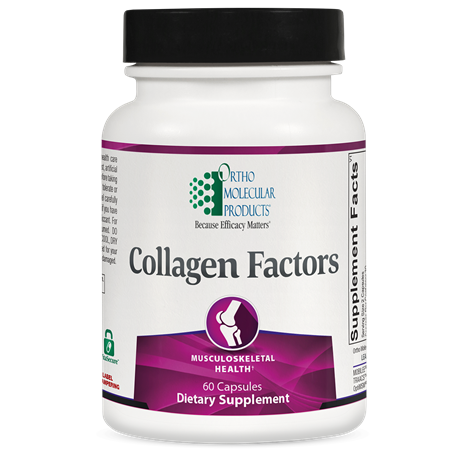
Collagen Factors
Ortho Molecular Products
60 capsules
$47.23$42.55 with Subscribe & Save
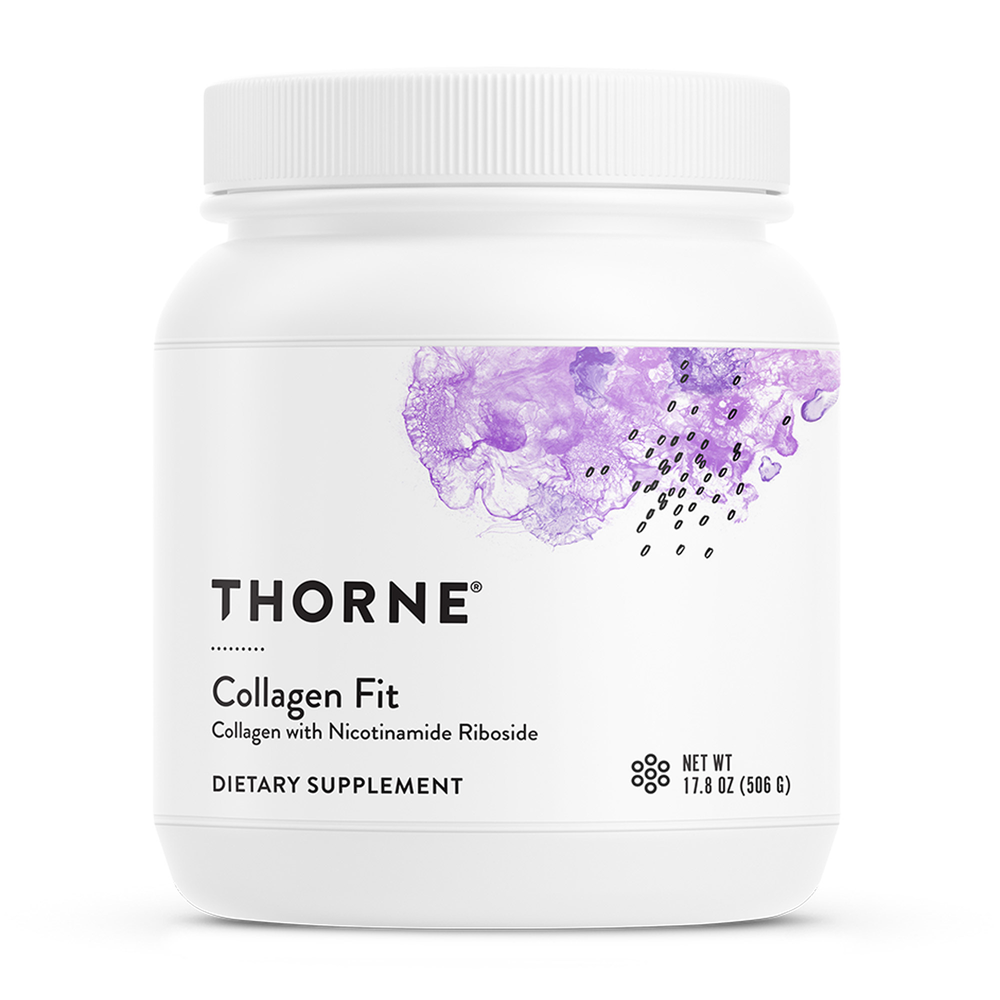
Collagen Fit
Thorne
506 grams
$56.00$50.40 with Subscribe & Save