 Instalab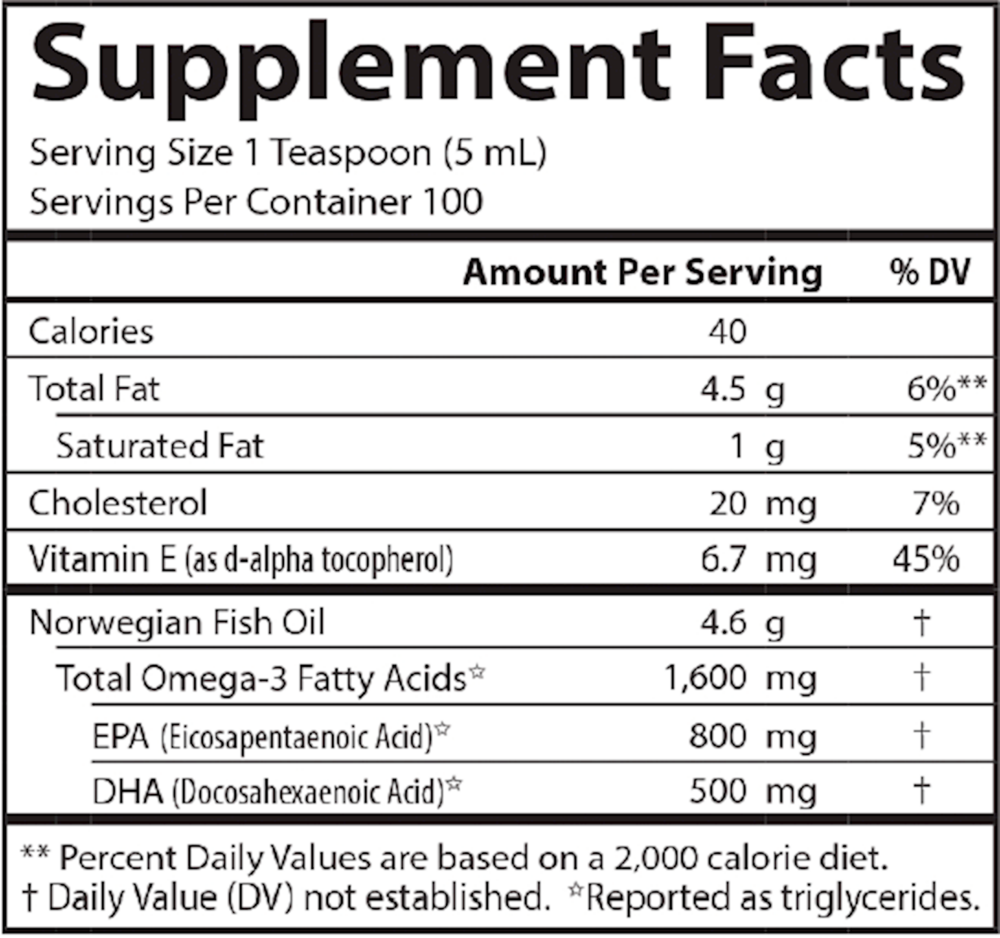

Carlson
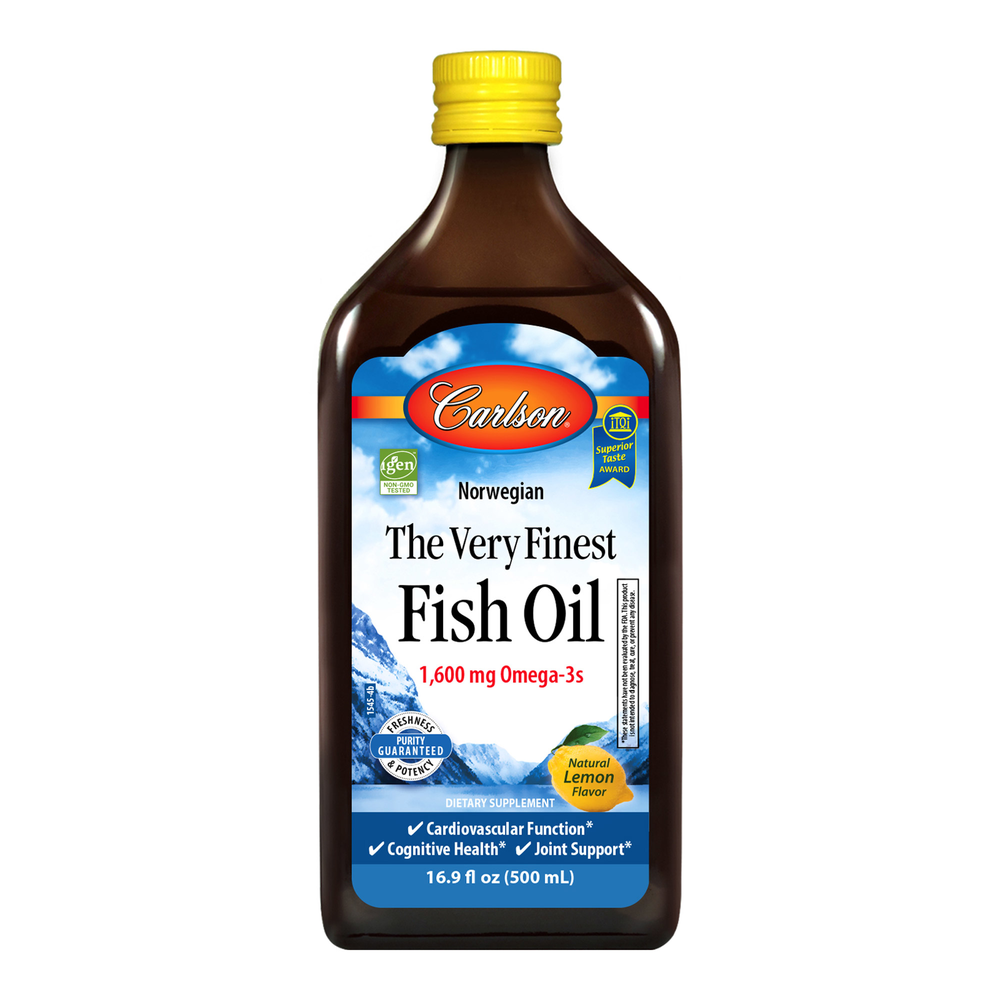
The Very Finest Fish Oil Liquid by Carlson
500 milliliters · 100-day supply
Premium Omega-3s for Heart, Brain, and Joint Health$XX.XX$55.99retail
This item is currently out of stockGet notified when this item is back in stock
20% below MSRP3rd-party tested for purity & potencyFree shipping $50+
Gluten Free·Preservative Free
Carlson The Very Finest Fish Oil Liquid overview
If you’re looking for fish oil for triglycerides, this liquid dose fits adults who eat little seafood and have a low Omega-3 Index. It’s also useful when your triglycerides are elevated on a lipid panel, including on top of a statin, where residual triglycerides often linger. People with stiffness after hard training or a higher hs-CRP (an inflammation marker) sometimes feel better as their levels improve. If your triglycerides are very high or you’ve had pancreatitis, coordinate dosing with your clinician first.
EPA and DHA in fish oil reduce how much fat your liver exports in VLDL particles (the triglyceride carriers), and they nudge cells to burn fats for energy more readily. In responders, triglycerides often drop 20–30% within 4 to 12 weeks. These fats also shift cell-membrane signaling toward calmer pathways, which explains modest hs-CRP reductions in some people. DHA is a structural fat in the brain and retina, but the clearest lab change you’ll see here is in Triglycerides and the Omega-3 Index.
Each teaspoon delivers 1,600 mg total omega-3s. Take it with meals once or twice daily; splitting doses reduces fishy repeat and improves comfort. For meaningful triglyceride lowering, many adults need 2,000–4,000 mg per day of combined EPA+DHA, so twice-daily teaspoons are often the practical target. This liquid is efficient compared with multiple capsules. Expect lab changes within 4–12 weeks. Keep it refrigerated after opening; the added vitamin E (d‑alpha tocopherol) helps protect the oil from oxidation.
High-dose fish oil can slightly increase bleeding time, so check with your clinician if you use anticoagulants (warfarin, apixaban) or antiplatelets (aspirin, clopidogrel), or before surgery. If your LDL cholesterol tends to rise with mixed EPA+DHA, monitor your lipid panel as you escalate dose. Fish allergy is a hard stop. Blood pressure can dip a few points, which is usually welcome but worth noting if you’re on antihypertensives. For pregnancy, choose a purified product and share your plan with your OB.
Frequently asked questions
How much fish oil should I take to lower triglycerides?
Most adults need 2,000–4,000 mg per day of combined EPA+DHA to lower triglycerides. One teaspoon here is 1,600 mg total omega-3s, so twice daily is a common target. Confirm dosing with your clinician if your triglycerides are very high.
How long does fish oil take to lower triglycerides?
You’ll typically see changes on a lipid panel within 4 to 12 weeks at an effective dose. Recheck Triglycerides and consider an Omega-3 Index after 8–12 weeks to ensure you’ve reached a meaningful tissue level.
Does fish oil thin your blood?
It can mildly increase bleeding time at higher doses. That’s usually not clinically significant, but if you take blood thinners or antiplatelets, or have surgery planned, coordinate with your clinician before starting or increasing the dose.
Is liquid fish oil better than capsules?
For higher dosing, liquid is more practical and cost‑effective per gram of EPA+DHA, and it’s easy to split doses. Capsules are convenient for travel and masking taste. Both work if the omega-3 content and freshness are comparable.
Will fish oil raise my LDL cholesterol?
Triglycerides usually fall, but mixed EPA+DHA can nudge LDL cholesterol up in some people. Monitor your lipid panel after 8–12 weeks. If LDL rises meaningfully, discuss dose, diet, or switching to an EPA‑only option with your clinician.
Can I take fish oil with a statin?
Yes. They’re often combined when triglycerides remain elevated on a statin. Fish oil targets triglycerides and the Omega‑3 Index, while statins target LDL cholesterol. Monitor both to see the full picture.
What are common fish oil side effects?
Mild fishy aftertaste, burping, or loose stools are most common, and taking with meals or splitting doses helps. Refrigeration and a fresh product reduce taste issues. Stop and seek care if you notice hives or signs of an allergic reaction.
How to take it & ingredients
Suggested use: Adults take one teaspoon once or twice daily at mealtime.
Active ingredients
1 teaspoon = 5 mL per serving · 100 servings
Vitamin E
D-alpha tocopherol
D-alpha tocopherol
6.7 mg
▼
Total Omega-3 Fatty Acids
1600 mg
EPA
Eicosapentaenoic acid
Eicosapentaenoic acid
800 mg
DHA
Docosahexaenoic acid
Docosahexaenoic acid
500 mg
Other ingredients: Natural flavors, Antioxidant blend (natural mixed tocopherols, rosemary extract)
Certifications
Benefits
Warnings
Customers also considered
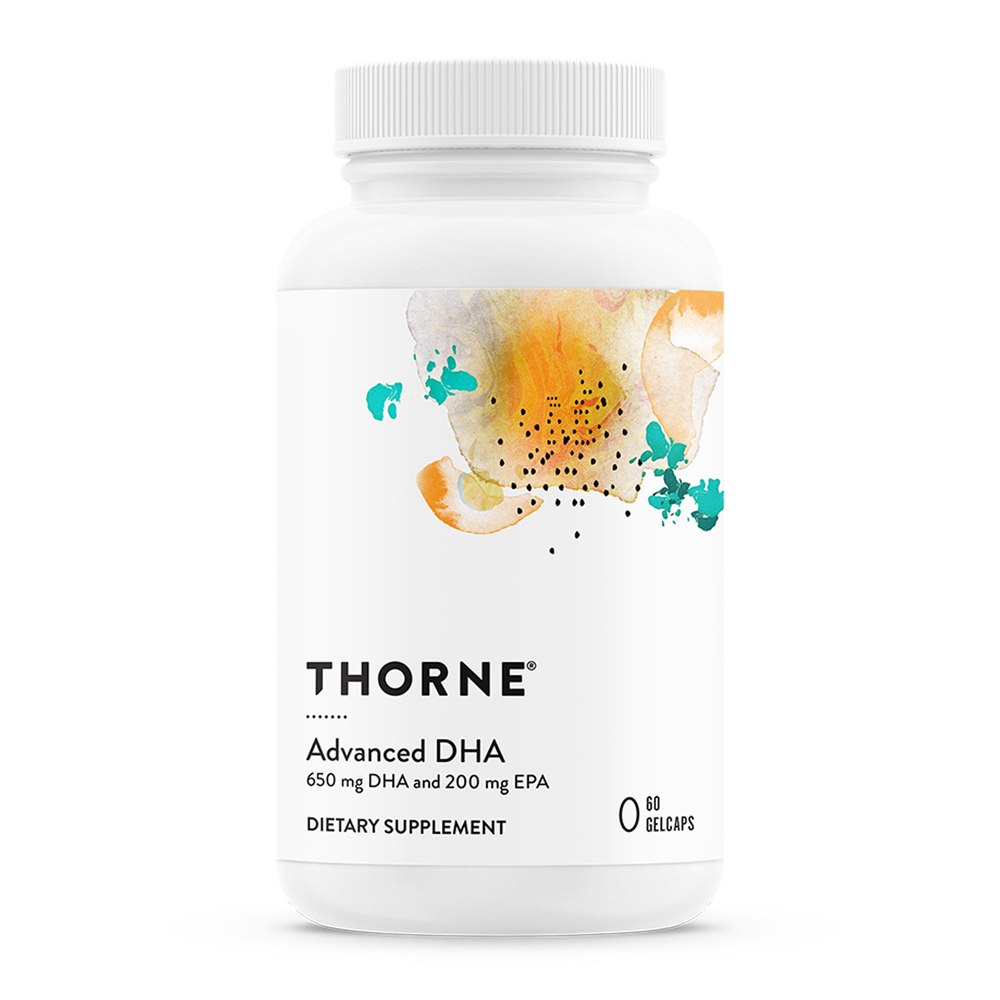
Thorne
Advanced DHA
60 gelcaps
$XX.XX$30.00retail
Add to cart to see your price
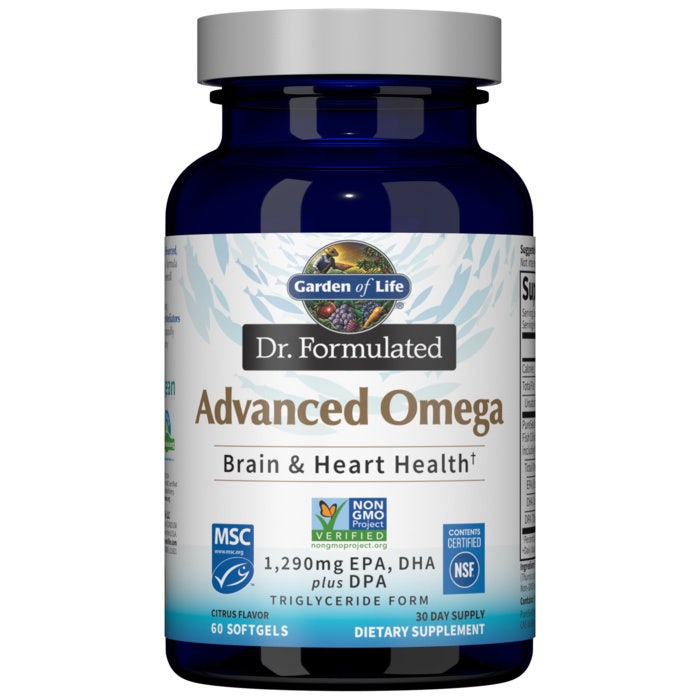
Garden of Life
Dr. Formulated Advanced Omega
60 softgels
$XX.XX$31.99retail
Add to cart to see your price
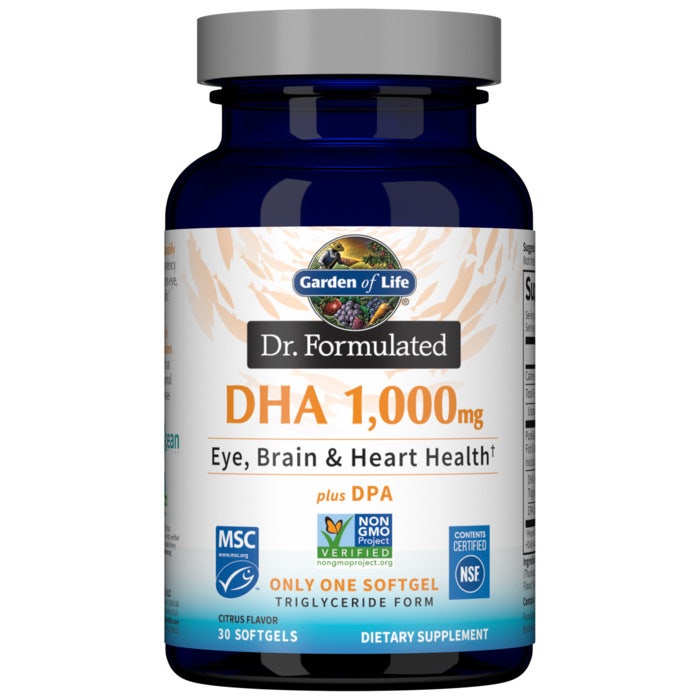
Garden of Life
Dr. Formulated DHA 1g
30 softgels
$XX.XX$31.99retail
Add to cart to see your price

Garden of Life
Dr. Formulated Prenatal DHA
30 softgels
$XX.XX$29.99retail
Add to cart to see your price