 Instalab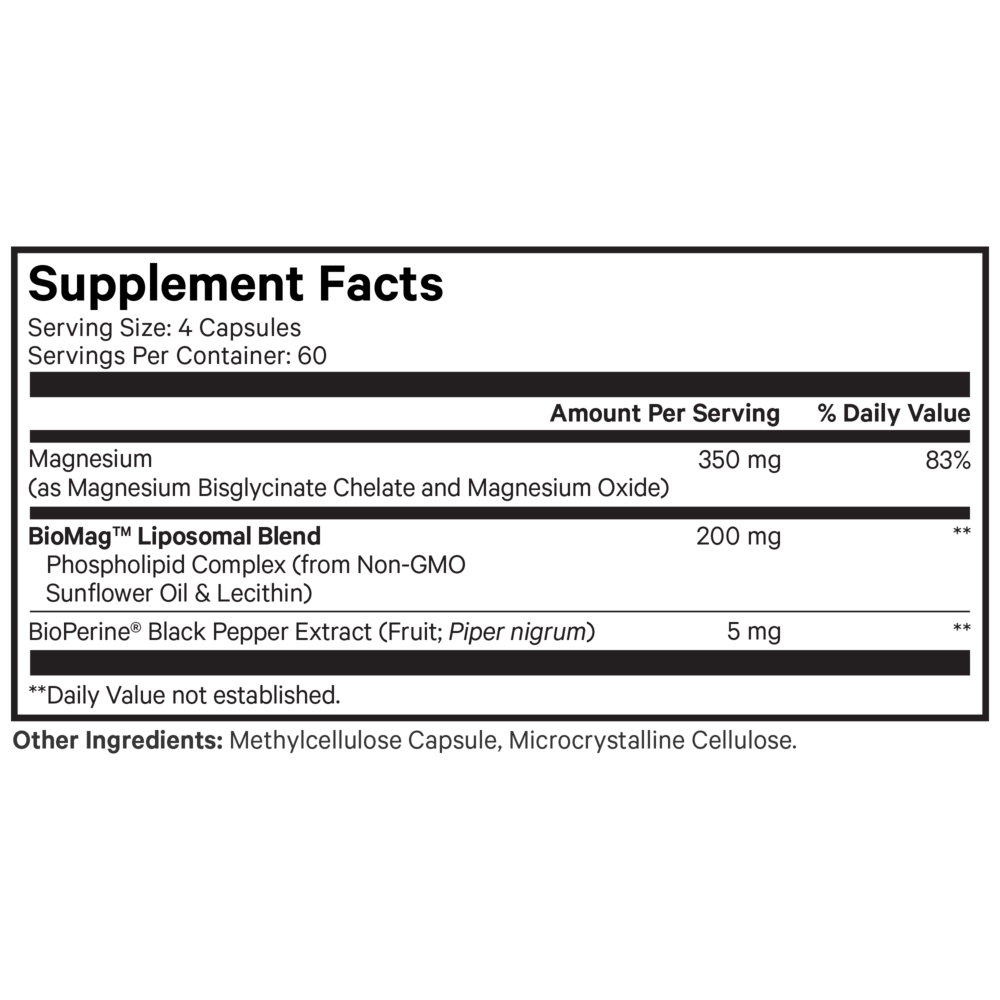


Codeage
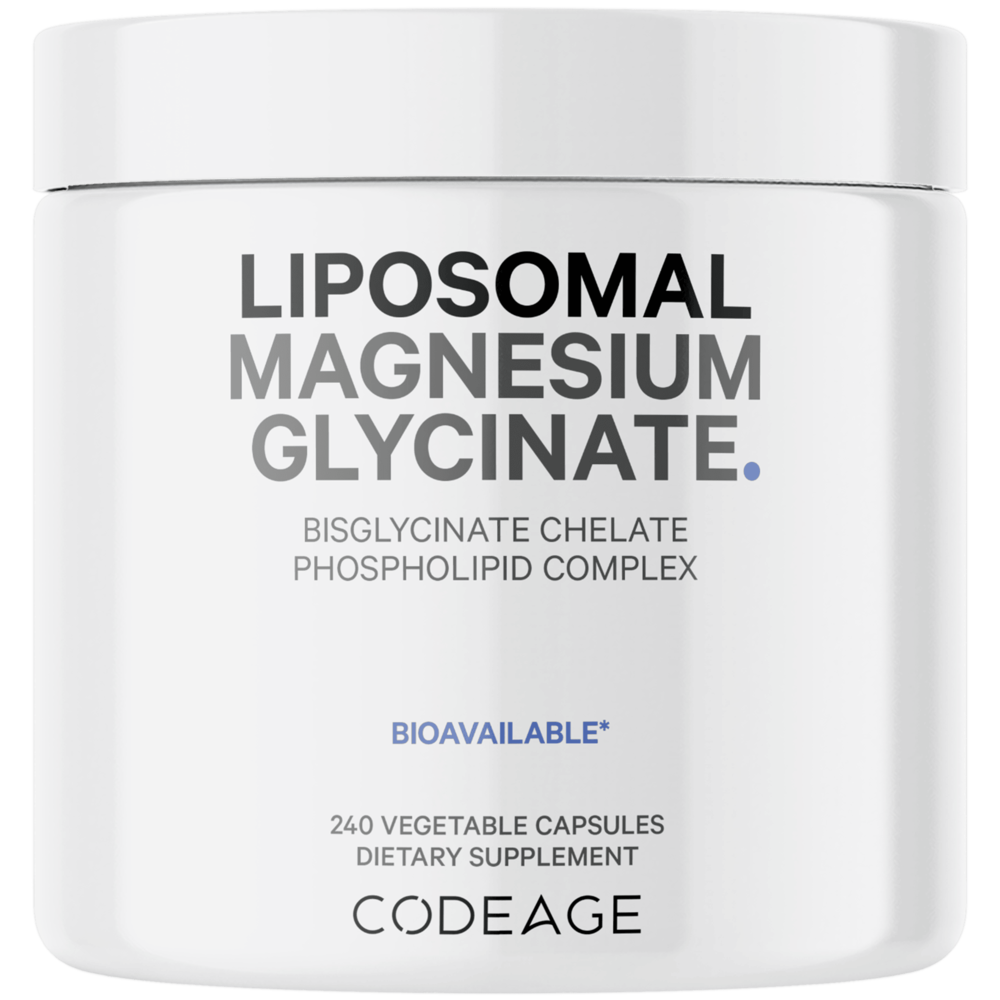
Liposomal Magnesium Glycinate by Codeage
240 capsules · 60-day supply
Enhanced Magnesium Absorption for Relaxation and Muscle Support$39.99
This item is currently out of stockGet notified when this item is back in stock
Practitioner-grade brand3rd-party testedFree shipping $50+
Vegan·Gluten Free·Soy Free·Dairy Free
Codeage Liposomal Magnesium Glycinate overview
If you’re looking at magnesium glycinate for sleep, muscle tension, or stress, this fits adults with low intake on diet recall or a low-normal Serum Magnesium or Magnesium, RBC (a red-blood-cell magnesium test). It’s practical for active people with nightly cramps, high stress with tight shoulders and jaw, or light sleepers who wake frequently. Those on proton pump inhibitors for reflux, heavy sweaters, and people who drink alcohol regularly also tend to run low and are good candidates.
Magnesium drives energy production (the ATP system that powers cells) and relaxes muscle by balancing calcium entry into muscle fibers. In the brain, it tones down NMDA receptors (excitatory switches) and supports GABA signaling (the main calming pathway), which is why magnesium glycinate often feels steadier and more sleep-friendly than other forms. The glycinate chelate (magnesium bound to the amino acid glycine) is gentle on the gut, and the liposomal phospholipids may further improve comfort, though evidence for minerals is limited. This blend also includes some magnesium oxide, which is less absorbed but can loosen stool.
The suggested 350 mg elemental magnesium per day is a full, maintenance-level dose for most adults. Take in the evening if sleep is the goal, with food if you’re sensitive. If you’ve had loose stools with citrate or oxide before, start with half the serving for 3–5 days, then increase. Expect calmer muscle tone within days and steadier sleep within 1–2 weeks. If your Magnesium, RBC is clearly low or you’re a larger-bodied adult, some need a higher total under clinician guidance.
Separate magnesium by 2–4 hours from levothyroxine, tetracycline or fluoroquinolone antibiotics, and bisphosphonates, since it binds them and blocks absorption. It can modestly lower blood pressure; if you’re on antihypertensives, monitor. Long-term proton pump inhibitor use is linked to low magnesium, so recheck Serum Magnesium or Magnesium, RBC after 4–8 weeks. With significant kidney disease, avoid unsupervised magnesium—your kidneys clear the excess, and buildup can be dangerous.
Frequently asked questions
Does magnesium glycinate help you sleep?
Often, yes. Glycinate is well tolerated and calms excitatory brain signaling, which can shorten sleep latency and reduce night awakenings. Improvements show up within 1–2 weeks in many users, but severe insomnia needs broader care beyond magnesium.
When should I take magnesium glycinate for sleep?
Evening works best. Take it with dinner or 30–60 minutes before bed. If you’re sensitive or get loose stools, take it with food and consider splitting the dose between late afternoon and evening.
Is magnesium glycinate better than citrate or oxide?
For sleep and calm, glycinate is usually gentler and less laxative. Citrate and oxide can be useful for constipation but are more likely to cause diarrhea. Absorption of glycinate is generally higher and steadier for daily use.
How long does magnesium glycinate take to work?
Muscle relaxation can improve within a few days. Sleep quality and stress resilience typically shift within 1–2 weeks. If you’re repleting a low Magnesium, RBC, plan on 4–8 weeks before retesting.
Can I take magnesium glycinate with antidepressants or anti-anxiety meds?
Usually yes, there’s no direct pharmacologic conflict. It can add to sedation in some people, so start in the evening and assess. Always separate it by a few hours from other meds if absorption is critical.
What are common side effects of magnesium glycinate?
The most common is loose stools, especially at higher doses or due to the oxide portion. Nausea is uncommon and often improves with food. If you develop persistent diarrhea, reduce the dose or split it.
Who should not take magnesium glycinate?
Avoid unsupervised use with significant kidney disease, heart block, or if you’re on medications that already raise magnesium. If you’ve had very low blood pressure or slow heart rate episodes, discuss dosing with your clinician.
Does magnesium glycinate affect thyroid or antibiotic meds?
It can bind levothyroxine and many antibiotics and lower their absorption. Take those medicines at least 2–4 hours apart from magnesium to avoid interaction.
How to take it & ingredients
Suggested use: Take 4 capsules daily with 8 ounces of water or your favorite beverage, with or without food, or as directed by your healthcare practitioner.
Active ingredients
4 capsules per serving · 60 servings
Magnesium
As Magnesium Bisglycinate Chelate and Magnesium Oxide
As Magnesium Bisglycinate Chelate and Magnesium Oxide
350 mg
BioMag™ Liposomal Blend
Phospholipid Complex from Non-GMO Sunflower Oil & Lecithin
Phospholipid Complex from Non-GMO Sunflower Oil & Lecithin
200 mg
BioPerine® Black Pepper Extract
Fruti; Piper nigrum
Fruti; Piper nigrum
5 mg
Other ingredients: Methylcellulose Capsule, Microcrystalline Cellulose
Certifications
Benefits
Warnings
Customers also considered
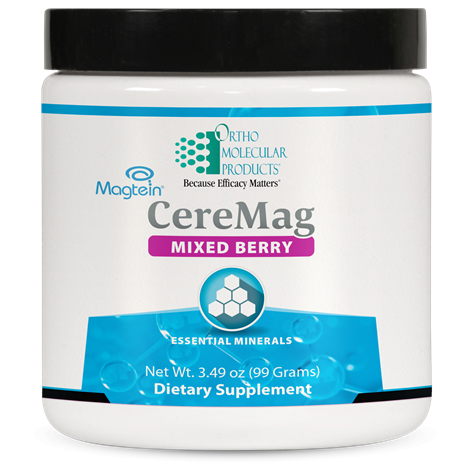
CereMag
Ortho Molecular Products
99 grams
$77.76Save 10% with Subscribe & Save

Dr. Formulated Magnesium Raspberry
Garden of Life
197.4 grams
$24.99Save 20% with Subscribe & Save

Dual-Mag Complex
Natura Health Products
90 capsules
$22.99Save 22% with Subscribe & Save

Mag Threonate
Ortho Molecular Products
60 capsules
$78.64Save 10% with Subscribe & Save