 Instalab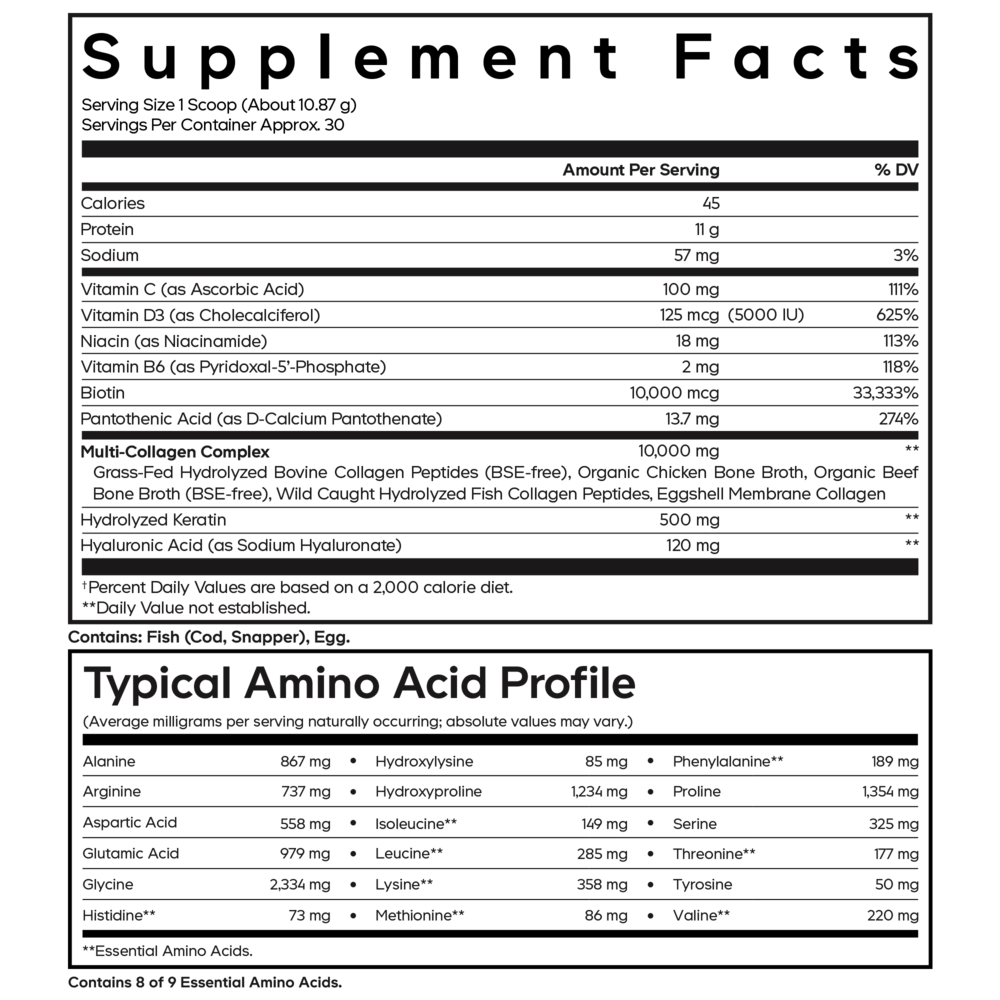


Codeage
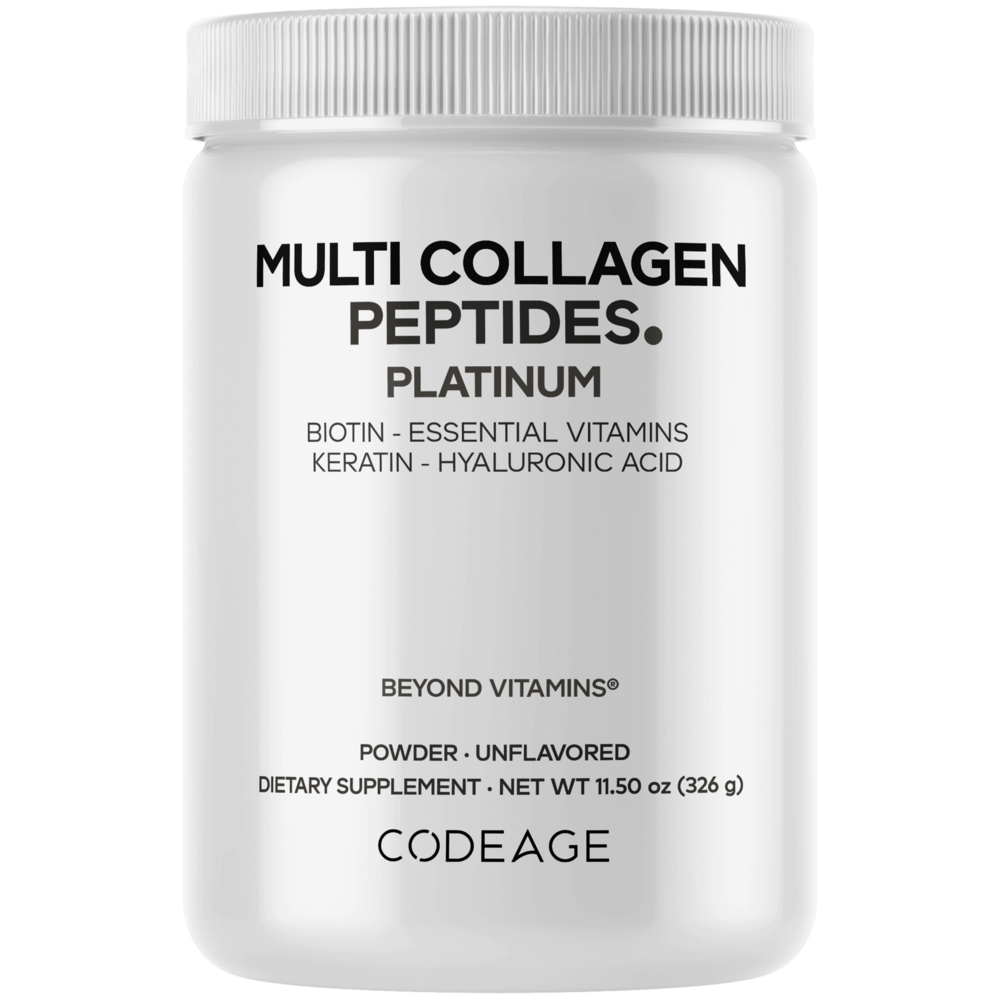
Multi Collagen Peptides Platinum by Codeage
326 grams · 29-day supply
Comprehensive Collagen Support for Skin, Hair, and Joint Health$39.99
This item is currently out of stockGet notified when this item is back in stock
Practitioner-grade brand3rd-party testedFree shipping $50+
Gluten Free·Soy Free·Dairy Free·Crustacean Shellfish Free
Codeage Multi Collagen Peptides Platinum overview
If you’re chasing better skin elasticity and fewer creaky joints, multi collagen peptides are a practical, food-like way to feed connective tissue. They suit adults with low daily protein, runners and lifters rehabbing tendons, and anyone noticing thinner hair or brittle nails. The included vitamin D3 helps if your Vitamin D, 25-Hydroxy is in the lower part of the normal range, but those with established deficiency should confirm dosing with labs. If you need aggressive triglyceride or inflammation changes, collagen isn’t the tool—use targeted omega-3 or other therapies for that.
Hydrolyzed collagen peptides are pre-broken into small chains your gut absorbs and delivers to skin, cartilage, and tendons, where they signal cells to make more of their own collagen. Types I and III dominate skin, type II supports cartilage, and types V and X appear in joint and bone structures, so a multi-source blend covers more tissues. Vitamin C (the cofactor that stabilizes new collagen fibers) is built in. Hyaluronic acid (the water-holding molecule in joint fluid and skin) helps hydration, and keratin supplies cysteine, a sulfur-rich amino acid hair needs. Biotin helps brittle nails when intake is low, but megadoses don’t outperform normal levels in everyone.
Mix one scoop into coffee, smoothies, or oats once daily. For tendons and joints, taking collagen 30–60 minutes before rehab or a loading session is reasonable, since blood levels of the key peptides peak then. If you’re relying on the vitamin D3 here, take it with a meal that contains fat to improve absorption. Expect skin and joint changes within 4 to 12 weeks, and nail strength over 2 to 3 months. The 10 g of collagen counts toward your daily protein.
The biotin dose (10 mg) can interfere with many lab tests that use biotin-based assays, including thyroid tests, troponin (a heart-attack marker), and parathyroid hormone—pause biotin 48–72 hours before labs or tell your clinician. The vitamin D3 is high; avoid or get supervision if you’ve had high calcium, recurrent kidney stones, sarcoidosis, or take thiazide diuretics (they raise calcium). This formula contains fish and eggs; skip if you’re allergic. People with advanced kidney disease should review any added protein with their nephrologist. Codeage appears once here for clarity.
Do collagen peptides survive digestion? Yes—small di- and tripeptides enter the bloodstream and act as signals, which is why studies see skin and joint effects. Are marine-only powders better? Not categorically; multi collagen peptides cover skin (I/III) and cartilage (II). Will collagen raise my cholesterol? No consistent effect; check a lipid panel if you’re curious.
Frequently asked questions
Do multi collagen peptides actually work for skin and joints?
Yes, in many users. Trials show improved skin elasticity and modest joint comfort within 4–12 weeks at 10 g/day. Effects are nutritional, not surgical—consistent daily use and rehab matter.
How long does collagen powder take to show results?
Most notice skin hydration and fine-line changes in 4–8 weeks, joint comfort in 4–12 weeks, and nail strength by 8–12 weeks. Tendon benefits track with rehab over 2–3 months.
Should I take collagen before or after a workout?
If you’re targeting tendons or joints, 30–60 minutes before loading or rehab is reasonable. Otherwise, timing is flexible—consistency and total daily dose drive results.
Does the 10 mg biotin interfere with lab tests?
It can. High-dose biotin can skew thyroid labs, troponin, and others. Stop it 48–72 hours before bloodwork or tell your clinician so the lab can account for it.
Is 5,000 IU vitamin D3 safe to take daily in this collagen?
Often, but it’s a high dose. It’s fine for many adults short term, yet those with high calcium, kidney stones, or sarcoidosis need guidance. Recheck Vitamin D, 25-Hydroxy within a few months.
Can I use collagen if I have fish or egg allergies?
No. This blend includes wild-caught fish collagen and eggshell membrane. Choose a single-source bovine collagen if you need to avoid fish and egg proteins.
Will collagen upset my stomach or cause acne?
Most tolerate it well; mild bloating can occur initially. Acne is uncommon but reported anecdotally—if it appears, reduce dose or switch sources and reassess.
Does collagen affect my protein goals or fasting?
It adds about 10–11 g protein and will break a fast. Count it toward your daily protein target, especially if you struggle to reach intake through meals.
How to take it & ingredients
Suggested use: Adults mix 1 scoop daily with 8 ounces of water, coffee, smoothies, or baked goods. Do not exceed the recommended dose.
Active ingredients
1 scoop (10.87 g) per serving · 30 servings
Vitamin C
Ascorbic Acid
Ascorbic Acid
100 mg
Vitamin D3
Cholecalciferol
Cholecalciferol
125 mcg, 5000 IU
Niacin
Niacinamide
Niacinamide
18 mg
Vitamin B6
Pyridoxal-5'-Phosphate
Pyridoxal-5'-Phosphate
2 mg
Biotin
10000 mcg
Pantothenic Acid
D-Calcium Pantothenate
D-Calcium Pantothenate
13.7 mg
Collagen Peptides
Multi-Collagen Complex (Grass-Fed Hydrolyzed Bovine, Organic Chicken Bone Broth, Organic Beef Bone Broth, Wild-Caught Fish Collagen, Eggshell Membrane)
Multi-Collagen Complex (Grass-Fed Hydrolyzed Bovine, Organic Chicken Bone Broth, Organic Beef Bone Broth, Wild-Caught Fish Collagen, Eggshell Membrane)
10000 mg
Hydrolyzed Keratin
500 mg
Hyaluronic Acid
Sodium Hyaluronate
Sodium Hyaluronate
120 mg
Protein
11 g
Sodium
57 mg
Certifications
Benefits
Warnings
Customers also considered
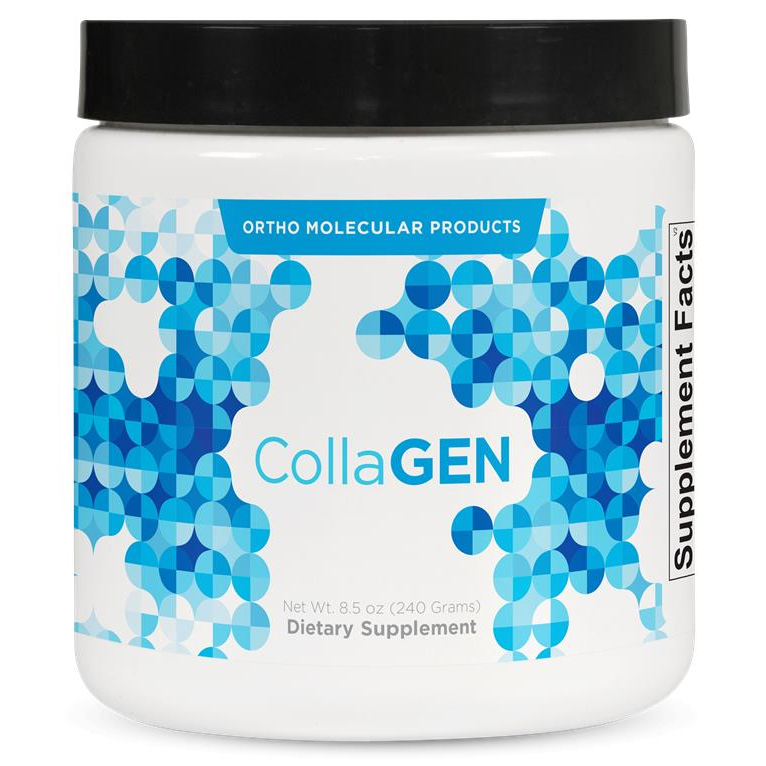
CollaGEN
Ortho Molecular Products
240 grams
$81.64Save 10% with Subscribe & Save
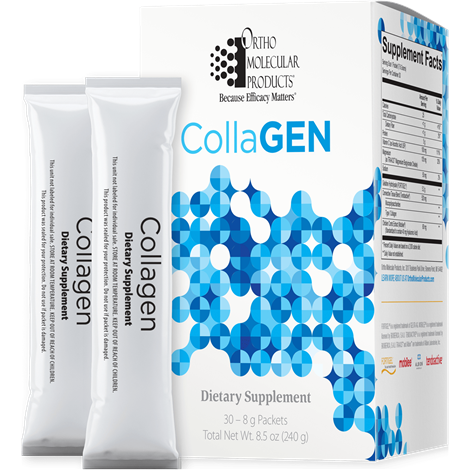
CollaGEN Stick Packs
Ortho Molecular Products
30 packets
$106.84Save 10% with Subscribe & Save
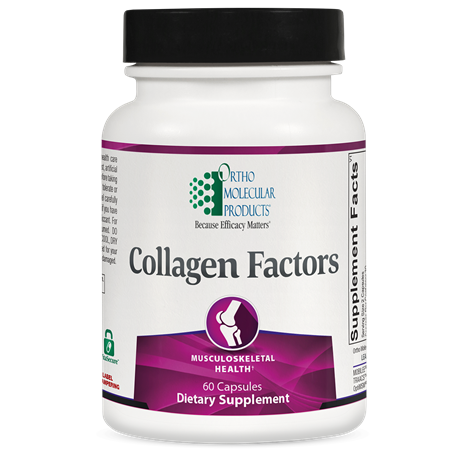
Collagen Factors
Ortho Molecular Products
60 capsules
$47.23Save 10% with Subscribe & Save
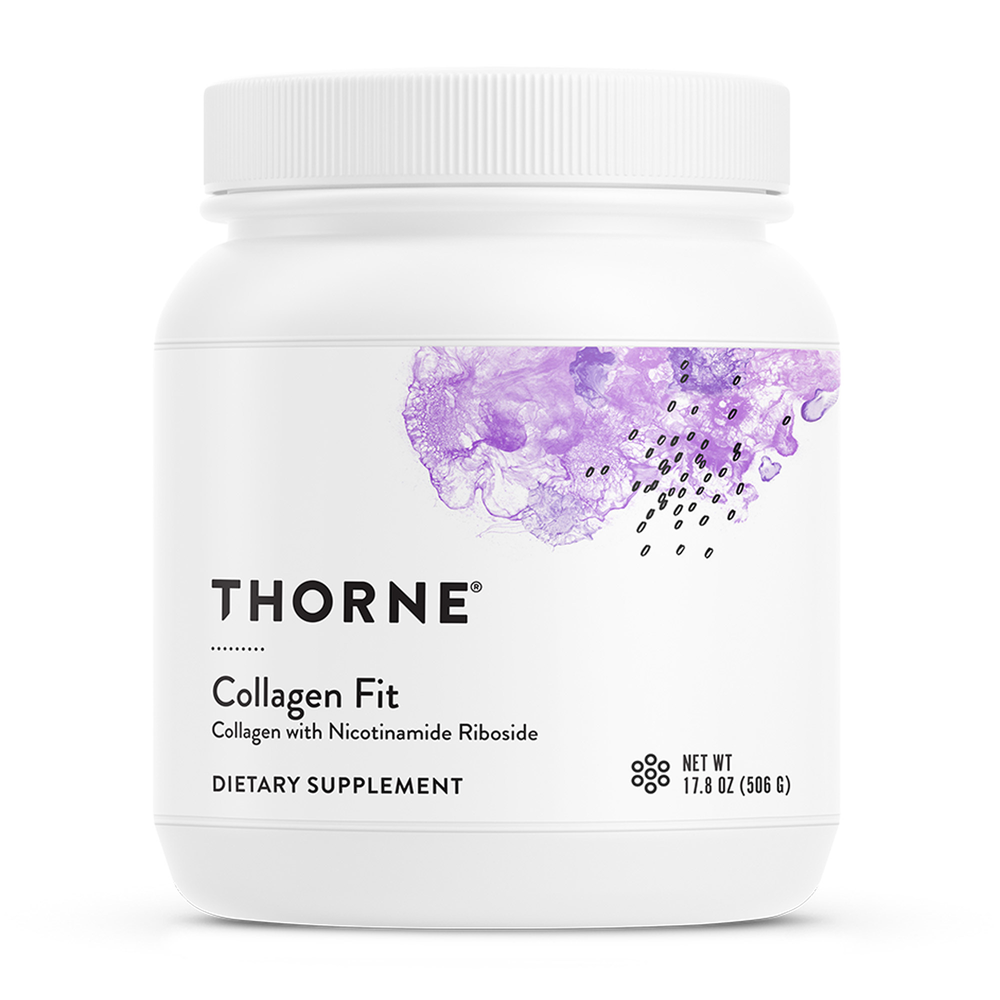
Collagen Fit
Thorne
506 grams
$56.00Save 10% with Subscribe & Save