
 Instalab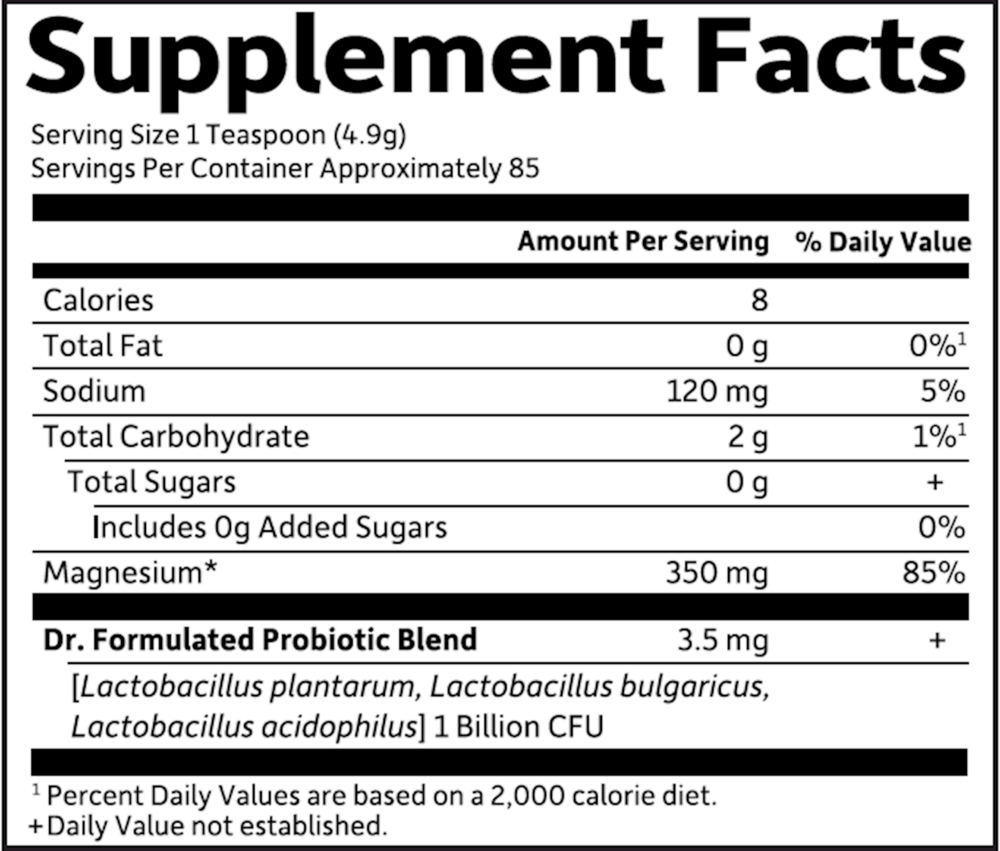
Garden of Life
Dr. Formulated Magnesium Raspberry by Garden of Life
419.5 grams · 85-day supply
Effervescent Magnesium for Relaxation and Digestive Support$42.99
Purchase options
Practitioner-grade brand3rd-party testedFree shipping $50+
Gluten Free·Soy Free·Dairy Free·Sugar Free·Preservative Free·Artificial Color Free·
Garden of Life Dr. Formulated Magnesium Raspberry overview
If you’re tight, wired, and not sleeping deeply, this magnesium powder fits. The 350 mg dose suits adults with low dietary intake, frequent exercise, high stress, or regular alcohol use. It’s practical if your Magnesium, RBC (a red‑blood‑cell test that better reflects tissue stores) runs low‑normal. If you’re dealing with leg cramps, constipation, or sleep that’s light and broken, this is a sensible first step before moving to higher-dose protocols.
Magnesium calms excitable tissue by balancing calcium flow in nerves and muscle, which is why it eases tension and nighttime twitchiness. It’s also required to make and use ATP (the cell’s energy currency), so steady intake counters fatigue. The ionic magnesium carbonate here dissolves into readily absorbed salts in water, while the brown rice protein chelate is gentler on the gut. The probiotic blend (Lactobacillus species) is a modest 1 billion CFU, aimed more at tolerance and regularity than full microbiome shifts.
Stir one teaspoon into room‑temperature water, let it finish fizzing, then drink. Evenings work well, about 1–2 hours before bed. If you’re sensitive or prone to loose stools, start with half a teaspoon for a week, then move up. Separate magnesium by at least 4 hours from levothyroxine, tetracycline or fluoroquinolone antibiotics, and bisphosphonates, and by 2 hours from iron. Recheck Magnesium, RBC after 8–12 weeks if you’re tracking labs.
Skip unsupervised magnesium if you have significant kidney disease or are on dialysis. If your doctor has documented low magnesium from a proton pump inhibitor, you may need medical dosing and monitoring. Those on multiple blood‑pressure drugs should watch for lightheadedness as magnesium can nudge pressure down. Pregnancy and breastfeeding: generally compatible, but confirm the dose with your clinician rather than layering it over a prenatal.
Frequently asked questions
Does magnesium powder help you sleep?
Often, yes. By calming nerve and muscle activity, magnesium can make it easier to fall asleep and reduce nighttime awakenings. Most people notice a difference within 3–7 nights; deeper changes in sleep quality track with steady use over several weeks.
Will this magnesium cause diarrhea or help with constipation?
Both can happen. Dissolved magnesium salts draw water into the intestines, which eases constipation within 24–48 hours. If stools get too loose, cut the dose in half or split it twice daily. The chelated portion is gentler than plain oxide.
How does this compare to magnesium glycinate or citrate?
Glycinate is the gentlest for sensitive stomachs. Citrate is more laxative and good for constipation. This formula blends ionic magnesium (similar intestinal effect to citrate) with a gentle chelate, aiming for both absorption and tolerability.
Can I take magnesium with antidepressants or anti-anxiety meds?
Usually yes. There’s no direct interaction with SSRIs or SNRIs. Magnesium can add a calming effect, so start at night and assess drowsiness. Always separate it from meds that bind minerals (certain antibiotics, thyroid) as instructed.
Is 350 mg of magnesium too much to take daily?
For most adults with normal kidneys, 350 mg elemental magnesium is a reasonable daily amount. If you’re already getting high dietary magnesium or taking another supplement, you may not need the full teaspoon—use symptoms and labs to guide.
How long does it take to raise magnesium levels?
Expect symptom changes within 1–2 weeks and measurable shifts in Magnesium, RBC within 8–12 weeks. If labs stay low, review absorption issues (gut health, medications) or consider a different form like glycinate under clinician guidance.
Can I take magnesium with coffee or alcohol?
You can, but it’s not ideal. Caffeine and alcohol increase urinary magnesium loss. Take magnesium with water, preferably away from those drinks, and consider evening use if you consume caffeine earlier in the day.
Is this a true probiotic supplement?
Not really. It includes 1 billion CFU of Lactobacillus strains for tolerance and regularity, but that’s a light dose. For targeted microbiome work, use a dedicated probiotic and keep this for magnesium repletion.
How to take it & ingredients
Suggested use: Add 8 ounces of room temperature water to 1 teaspoon of powder. Allow it to fizz, stir well and enjoy.
Active ingredients
1 teaspoon = 4.9 grams per serving · 86 servings
Magnesium
Ionic magnesium carbonate and whole food organic brown rice protein magnesium chelate
Ionic magnesium carbonate and whole food organic brown rice protein magnesium chelate
350 mg
Dr. Formulated Probiotic Blend
Lactobacillus plantarum, Lactobacillus bulgaricus, Lactobacillus acidophilus
Lactobacillus plantarum, Lactobacillus bulgaricus, Lactobacillus acidophilus
1 billion CFU
Other ingredients: Non GMO citric acid, Sodium bicarbonate, Organic orange creme flavor, Organic stevia extract (leaf)
Certifications
Benefits
Warnings
Customers also considered

CereMag
Ortho Molecular Products
99 grams
$77.76$70.05 with Subscribe & Save

Dual-Mag Complex
Natura Health Products
90 capsules
$22.99$17.99 with Subscribe & Save

Mag Threonate
Ortho Molecular Products
60 capsules
$78.64$70.85 with Subscribe & Save
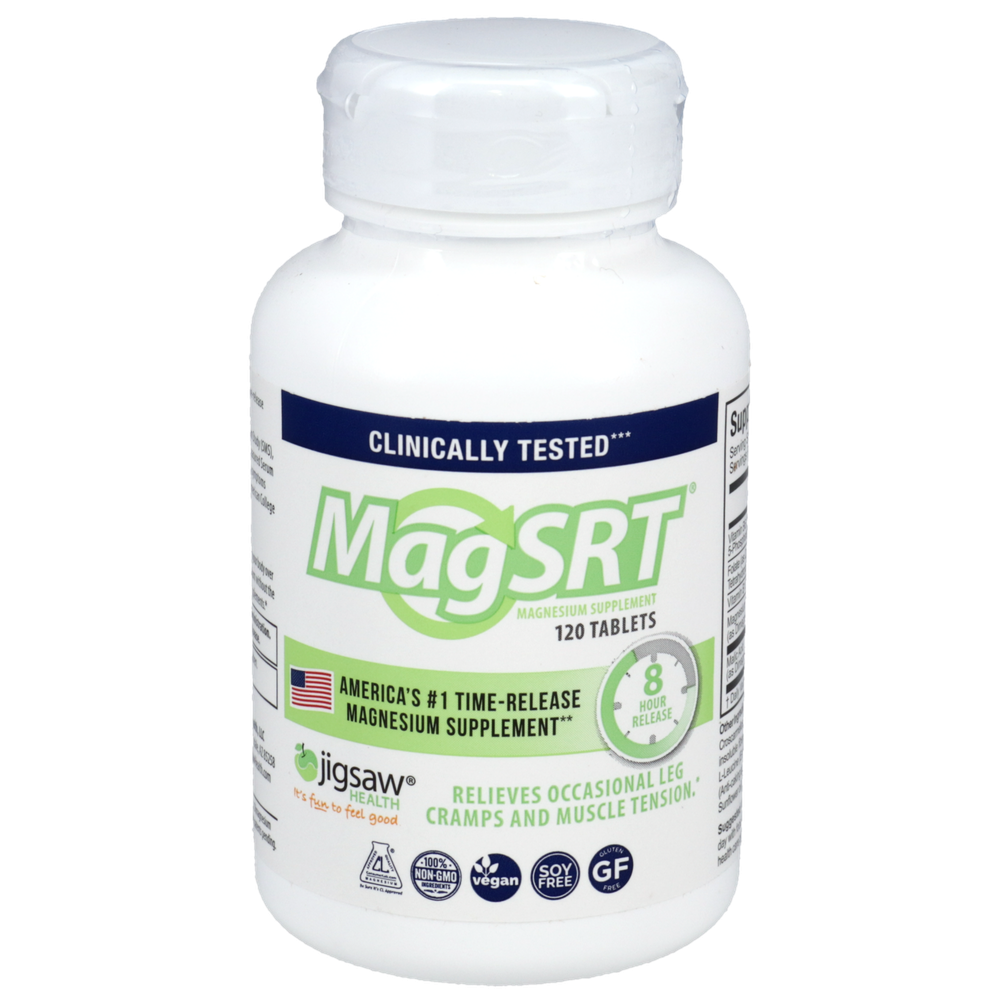
MagSRT
Jigsaw Health
120 tablets
$27.99$21.99 with Subscribe & Save