
 Instalab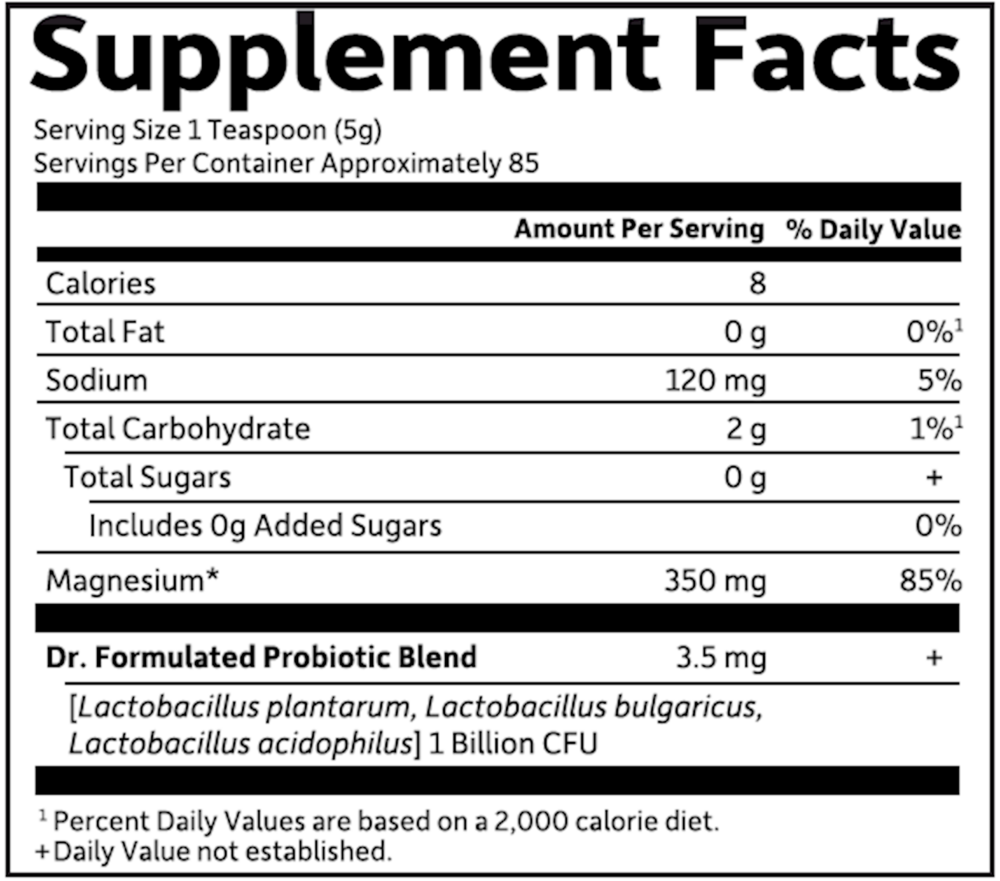

Garden of Life
Magnesium Raspberry-Lemon by Garden of Life
421.5 grams · 84-day supply
Supports Muscle Function and Digestive Health with Probiotics$42.99
Purchase options
Practitioner-grade brand3rd-party testedFree shipping $50+
Gluten Free·Soy Free·Dairy Free·Sugar Free·Preservative Free·Artificial Color Free·
Garden of Life Magnesium Raspberry-Lemon overview
If you’re looking for magnesium powder for sleep, muscle cramps, or constipation, this fits. It delivers 350 mg per teaspoon, a near full-day dose for most adults, useful when your Magnesium, RBC or Serum Magnesium is low-normal and you’re dragging, tense, or not sleeping well. Athletes with heavy sweat loss, people on diuretics or proton pump inhibitors, those with high alcohol intake, and diets light on greens and legumes are the usual low-magnesium culprits. The added 120 mg sodium helps hydration on long training days.
Magnesium calms excitable nerve circuits by tempering NMDA receptors (the brain’s “go” signal for glutamate) and supporting GABA signaling (the brain’s “calm” signal), which is why many notice easier sleep onset. In muscle, it competes with calcium at the cell level, letting tight muscle fibers relax. It also stabilizes ATP, the energy molecule every cell runs on, which is why low levels feel like fatigue. In the gut, certain forms act osmotically, pulling water into the stool and easing constipation. The light probiotic blend here adds Lactobacillus strains, but the dose is modest and not a substitute for a dedicated probiotic if you’re targeting IBS.
Mix one teaspoon in water daily. Evening works well if your goal is sleep; take with food if you’re prone to stomach upset. If you get loose stools, split to half in the late afternoon and half at bedtime, or use a lower dose for a week then ramp. Recheck Magnesium, RBC after 4 to 8 weeks to see if you’ve hit your target. The 120 mg sodium per serving is modest and fine for most, but if you’re on strict sodium restriction, account for it.
Magnesium binds many medicines in the gut. Separate by at least 4 hours from levothyroxine (thyroid hormone), tetracycline or fluoroquinolone antibiotics, and osteoporosis drugs like alendronate. It can lower absorption of iron; take iron at a different time. With chronic kidney disease, discuss dosing with your clinician, as magnesium can accumulate when filtration is low. If you already have diarrhea, start at a smaller dose.
Frequently asked questions
Does magnesium powder actually help you sleep?
Often, yes. Magnesium dampens excitatory brain signaling and supports the calming GABA system. Many people fall asleep faster within a few nights, though consistent use for 1–2 weeks is a fair trial. Poor sleep from sleep apnea or caffeine late in the day won’t be fixed by magnesium.
When should I take magnesium for sleep?
Take it in the evening, 1–2 hours before bed. If you notice grogginess the next morning, move the dose earlier in the evening. For cramps or constipation, timing is flexible—consistency matters more.
Can magnesium powder cause diarrhea?
It can, especially at higher doses or with more osmotic forms. If stools loosen, cut the dose in half, split it twice daily, or take with food. If diarrhea persists, switch to a gentler form like magnesium glycinate or lower the total daily magnesium from all sources.
How long does magnesium take to work for muscle cramps?
Night cramps often improve within 1–2 weeks if low magnesium was part of the problem. If cramps persist, consider checking Magnesium, RBC, Sodium, and Potassium, and review medications like diuretics or statins with your clinician.
Can I take magnesium with antidepressants or anxiety meds?
Generally yes, but separate from doses that can bind in the gut. Magnesium doesn’t meaningfully interact with SSRIs or SNRIs. If you take lithium or have kidney disease, talk with your prescriber before adding magnesium.
Is magnesium safe in pregnancy?
Dietary-level magnesium is considered safe in pregnancy, and obstetricians often use it for constipation or leg cramps. Still, review total intake from prenatals and diet with your OB and avoid doses that trigger diarrhea.
What’s the difference between magnesium citrate, glycinate, and oxide?
Citrate is well absorbed and more likely to loosen stools, useful if constipation is an issue. Glycinate is gentler on the gut and better for those prone to diarrhea. Oxide is less bioavailable and more laxative at a given dose.
Will magnesium lower my blood pressure?
It can modestly lower blood pressure in people who are low in magnesium, typically a small single-digit drop over 8–12 weeks. It’s not a substitute for prescribed therapy. Track at home and follow up with your clinician.
How to take it & ingredients
Suggested use: Adults mix one teaspoon (5 grams) in water or beverage of choice, once daily, or as directed by your healthcare professional.
Active ingredients
1 teaspoon = 5 grams per serving · 84 servings
Magnesium
350 mg
Sodium
120 mg
Dr. Formulated Probiotic Blend
Lactobacillus plantarum, Lactobacillus bulgaricus, Lactobacillus acidophilus
Lactobacillus plantarum, Lactobacillus bulgaricus, Lactobacillus acidophilus
3.5 mg, 1 Billion CFU
Other ingredients: Non-GMO Citric Acid, Magnesium Carbonate, Sodium Bicarbonate, Organic Brown Rice Protein, Organic Raspberry Flavor, Organic Lemon Flavor, Organic Stevia Extract (leaf)
Certifications
Benefits
Warnings
Customers also considered

CereMag
Ortho Molecular Products
99 grams
$77.76$70.05 with Subscribe & Save

Dr. Formulated Magnesium Raspberry
Garden of Life
197.4 grams
$24.99$19.99 with Subscribe & Save

Dual-Mag Complex
Natura Health Products
90 capsules
$22.99$17.99 with Subscribe & Save

Mag Threonate
Ortho Molecular Products
60 capsules
$78.64$70.85 with Subscribe & Save