 Instalab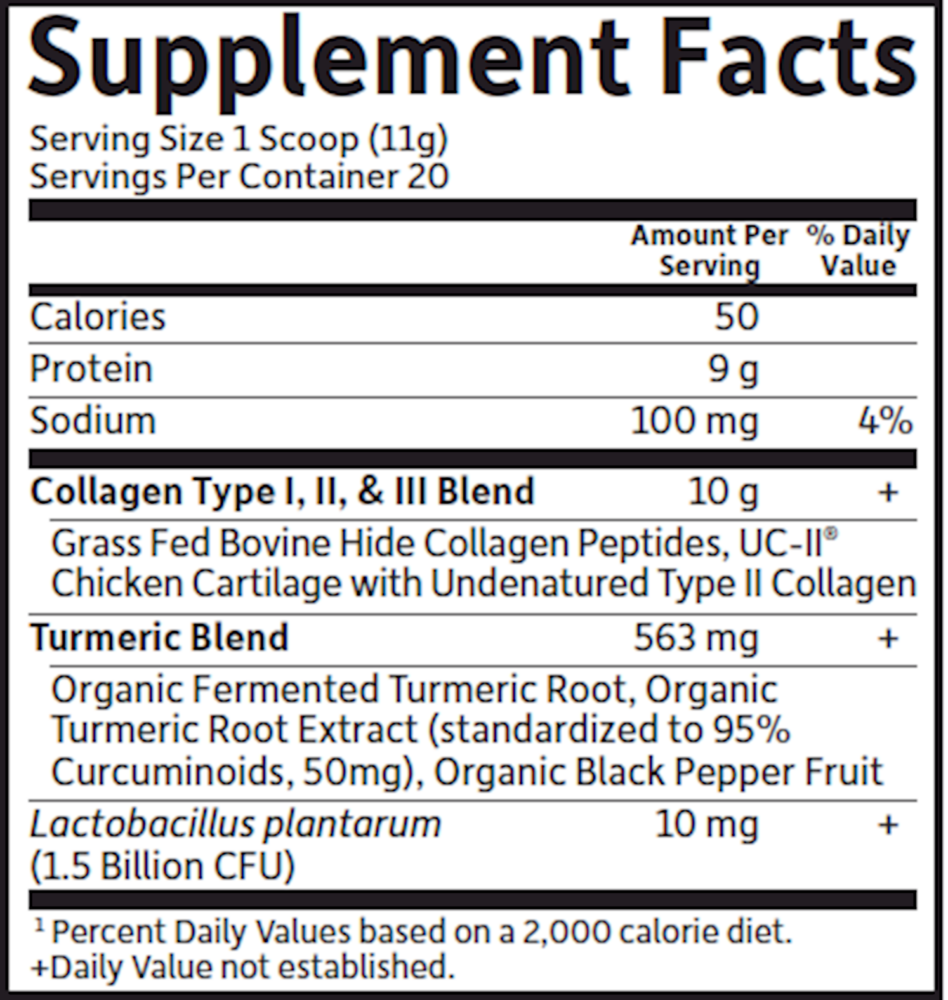

Garden of Life
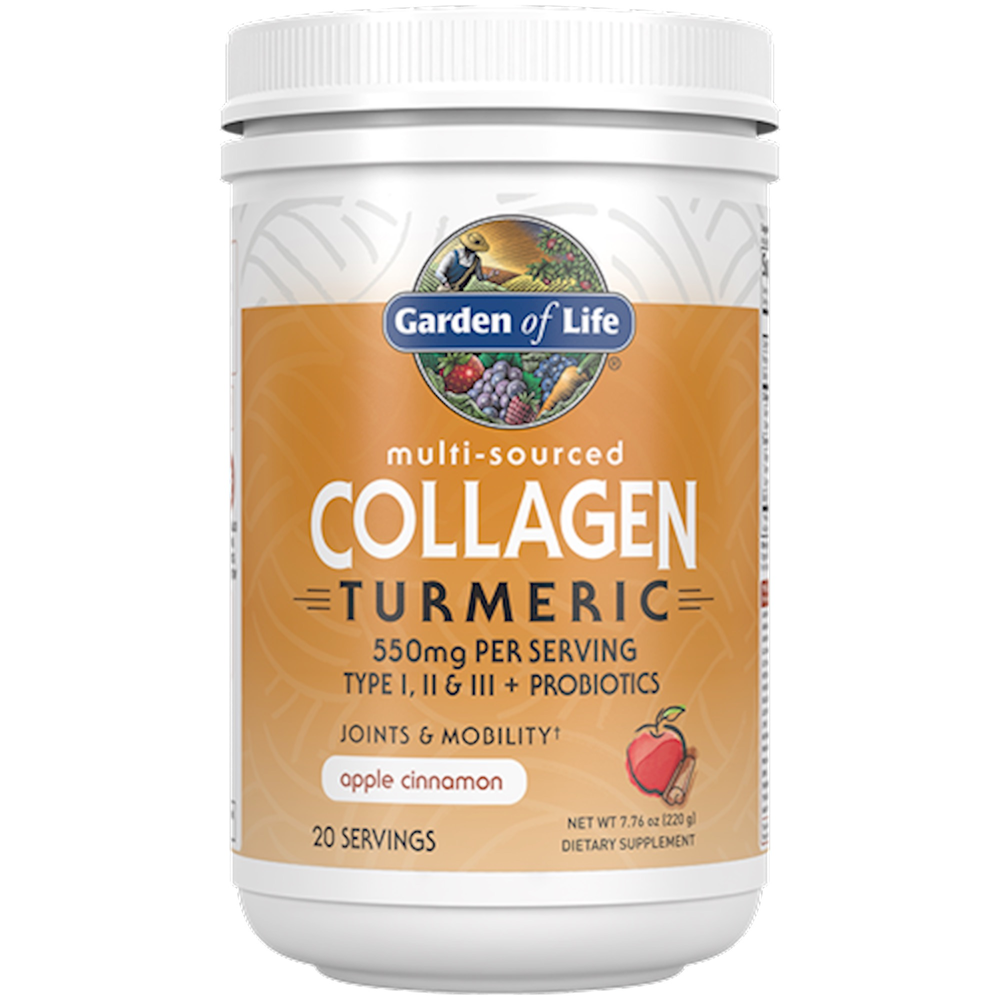
Multi Sourced Collagen Turmeric Apple Cinnamon by Garden of Life
220 grams · 20-day supply
Support Your Joints and Skin with Collagen and Turmeric$38.99
Purchase options
Practitioner-grade brand3rd-party testedFree shipping $50+
Gluten Free·Soy Free·Keto Friendly·Paleo Friendly·Dairy Free·Artificial Preservative Free·
Garden of Life Multi Sourced Collagen Turmeric Apple Cinnamon overview
If your main question is best collagen with turmeric for joint comfort, this blend fits adults with achy knees after workouts, stiff mornings, or visible skin thinning. It suits people whose protein intake is light and who want collagen peptides for skin and tendons plus undenatured type II collagen for joints. The turmeric extract is a good add-on if your hs-CRP (a blood marker of inflammation) runs high-normal or you feel puffy after hard training.
Type I and III collagen peptides supply the specific amino acids your body uses to rebuild skin, tendons, and ligaments, which is why steady daily intake tracks with better skin elasticity over months. The undenatured type II collagen from chicken cartilage works differently: tiny amounts train the immune system in the gut to stop overreacting to joint cartilage, which in trials improved knee comfort and function within 8 to 12 weeks. Turmeric’s curcuminoids, paired with black pepper to raise absorption, dial down inflammatory signaling, which can modestly reduce hs-CRP in responders.
Mix one scoop into coffee, smoothies, or yogurt once daily. Collagen can be taken any time; turmeric absorbs a bit better with a meal that contains fat. Give it 8 to 12 weeks for joints and skin to show up on how you feel and look, then reassess. If your overall protein is low, keep total dietary protein near a palm-sized serving per meal for best results.
Turmeric and black pepper can increase the effect of blood thinners and some drugs metabolized by the liver. If you take warfarin, apixaban, clopidogrel, cyclosporine, tacrolimus, or chemotherapy, speak with your clinician before using turmeric-containing collagen. Turmeric can aggravate reflux in sensitive people; take with food or choose a plain collagen peptide if that’s you.
Avoid if you’re allergic to beef or chicken, or you follow a vegetarian or vegan diet. Skip turmeric-containing powders during pregnancy and while breastfeeding unless your clinician approves. If you have gallstones or bile duct issues, turmeric can worsen cramping. With a history of calcium oxalate kidney stones, limit high-turmeric products and keep hydration up.
Frequently asked questions
How long does collagen with turmeric take to work for joints?
Most people notice joint comfort and easier movement within 8 to 12 weeks of daily use. Skin changes tend to appear on a similar timeline. Consistency matters more than timing, and keeping overall protein intake adequate improves outcomes.
Is UC-II collagen better than regular collagen peptides?
They do different jobs. Undenatured type II (UC-II) modulates immune reactions to joint cartilage and helps knee comfort at very small doses. Type I/III peptides provide building blocks for skin, tendons, and ligaments. This product includes both for complementary effects.
Can I take collagen with turmeric if I’m on blood thinners?
Not without medical guidance. Turmeric and black pepper can increase bleeding risk or drug levels with warfarin, apixaban, clopidogrel, and similar medicines. If you’re on these, discuss with your prescriber before starting.
Does collagen powder break a fast or affect glucose?
Yes, collagen provides protein calories, so it breaks a strict fast. It has minimal impact on blood sugar for most people, but those tracking fasting insulin or glucose should take it with meals to keep variables consistent.
Can I add this collagen to hot coffee or oatmeal?
Yes. Heat from coffee or oatmeal doesn’t harm collagen peptides or curcuminoids in a meaningful way during normal use. Stir well to dissolve, and take with a little fat (like milk) to help turmeric absorption.
What side effects should I watch for with turmeric blends?
Common ones are mild stomach upset, reflux, or loose stools, especially if taken on an empty stomach. Rarely, turmeric and black pepper can interact with medications by raising their levels. Stop if you notice unusual bruising or bleeding and contact your clinician.
Is this collagen probiotic useful?
The added Lactobacillus plantarum is a small dose meant for gut-friendly co-administration. It’s not a full probiotic program, but it pairs well with daily collagen use and is generally well tolerated.
How to take it & ingredients
Suggested use: Mix 1 scoop in 6 oz of liquid (scoop included). Not intended for children.
Active ingredients
1 scoop (11 g) per serving · 20 servings
Collagen Type I, II & III Blend
Grass-Fed Bovine Hide Collagen Peptides and UC-II Chicken Cartilage with Undenatured Type II Collagen
Grass-Fed Bovine Hide Collagen Peptides and UC-II Chicken Cartilage with Undenatured Type II Collagen
10000 mg
Turmeric Blend
Organic Fermented Turmeric Root, Organic Turmeric Root Extract (Standardized to 95% Curcuminoids, 50 mg), Organic Black Pepper Fruit
Organic Fermented Turmeric Root, Organic Turmeric Root Extract (Standardized to 95% Curcuminoids, 50 mg), Organic Black Pepper Fruit
563 mg
Lactobacillus plantarum
1.5 billion CFU
Sodium
100 mg
Protein
9 g
Other ingredients: Organic Apple Flavor, Organic Cinnamon, Organic Stevia Extract (Leaf), Potassium Chloride (Stabilizer for Chicken Collagen)
Certifications
Benefits
Warnings
Customers also considered
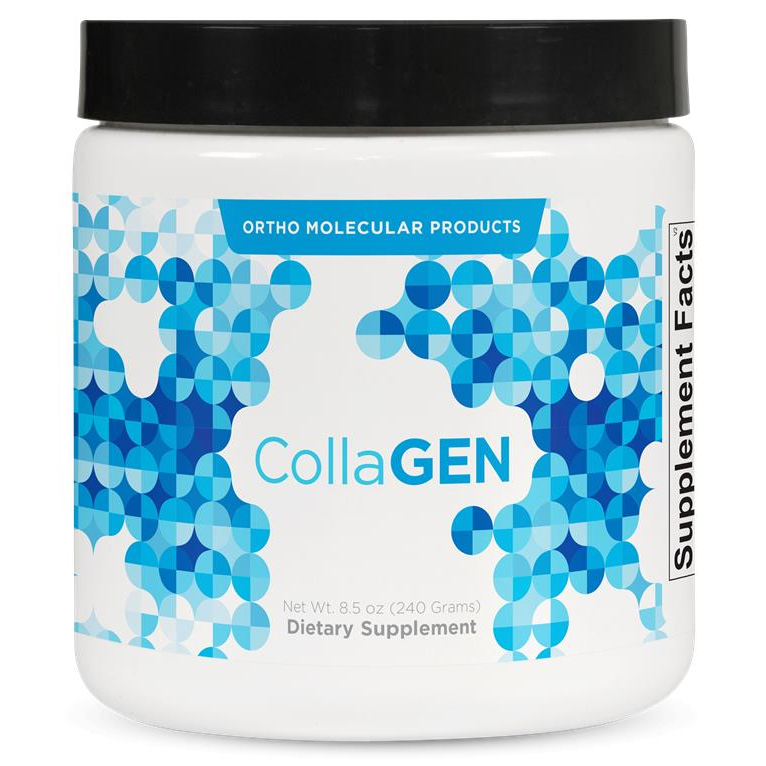
CollaGEN
Ortho Molecular Products
240 grams
$81.64$73.55 with Subscribe & Save
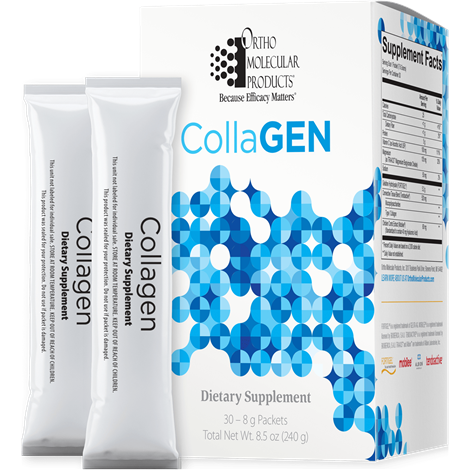
CollaGEN Stick Packs
Ortho Molecular Products
30 packets
$106.84$96.25 with Subscribe & Save
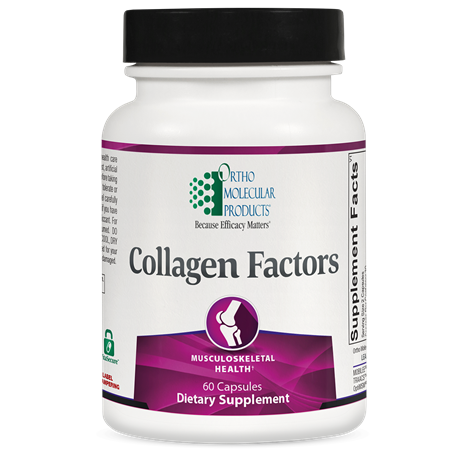
Collagen Factors
Ortho Molecular Products
60 capsules
$47.23$42.55 with Subscribe & Save
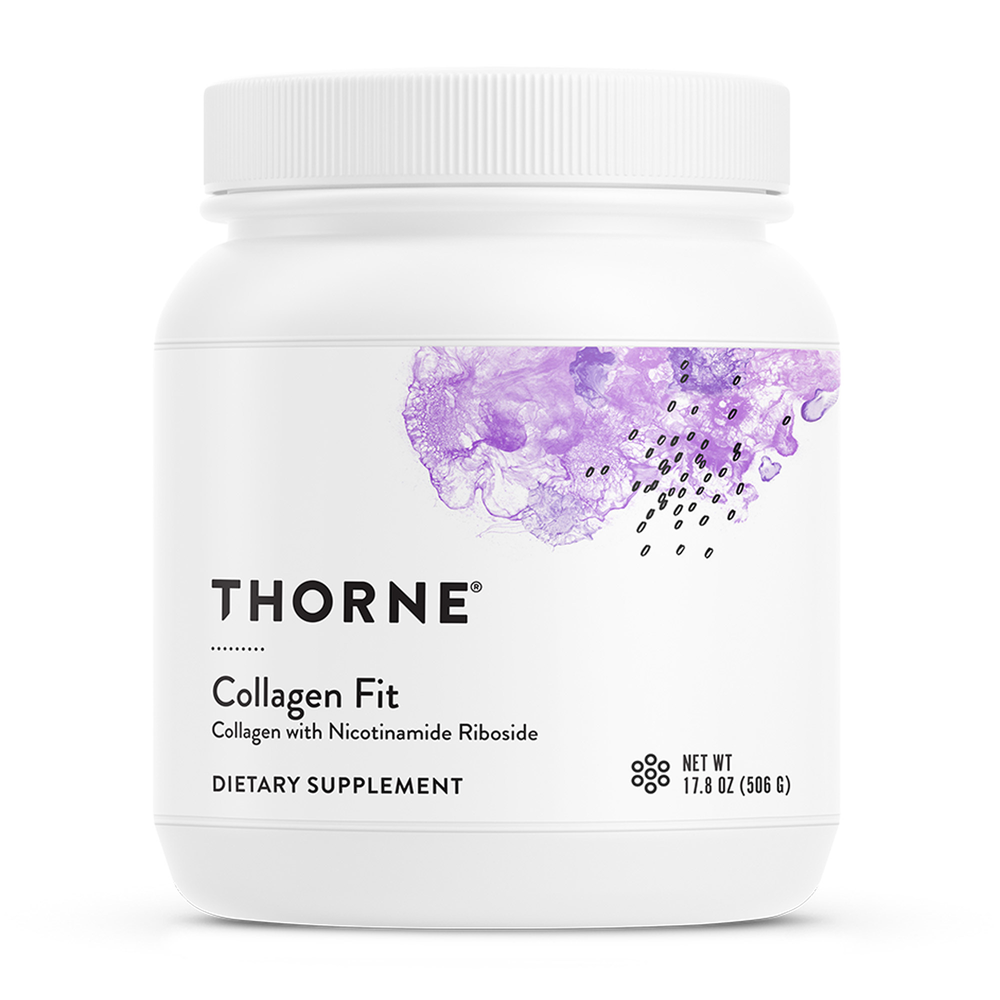
Collagen Fit
Thorne
506 grams
$56.00$50.40 with Subscribe & Save