 Instalab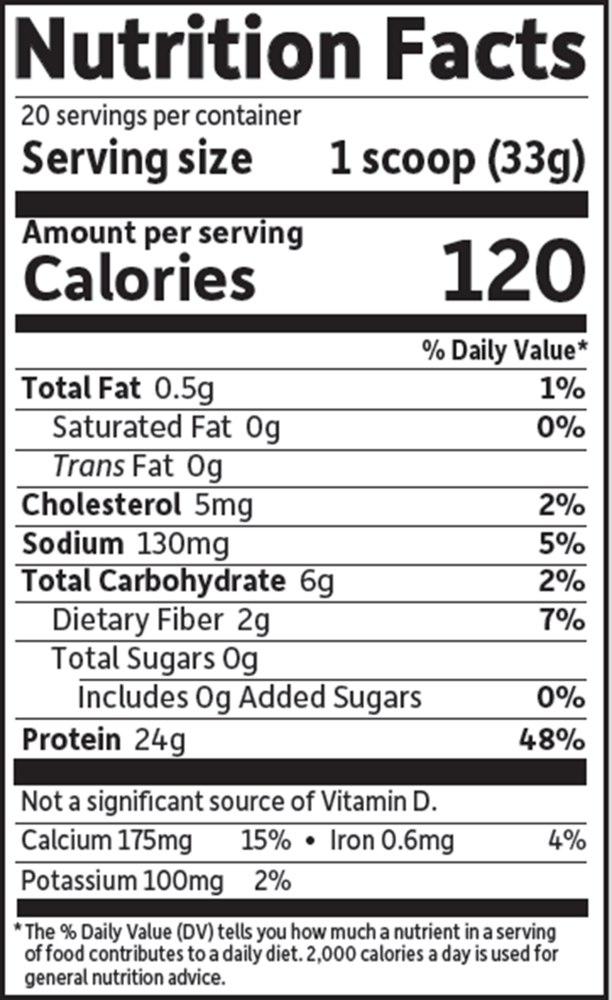


Garden of Life
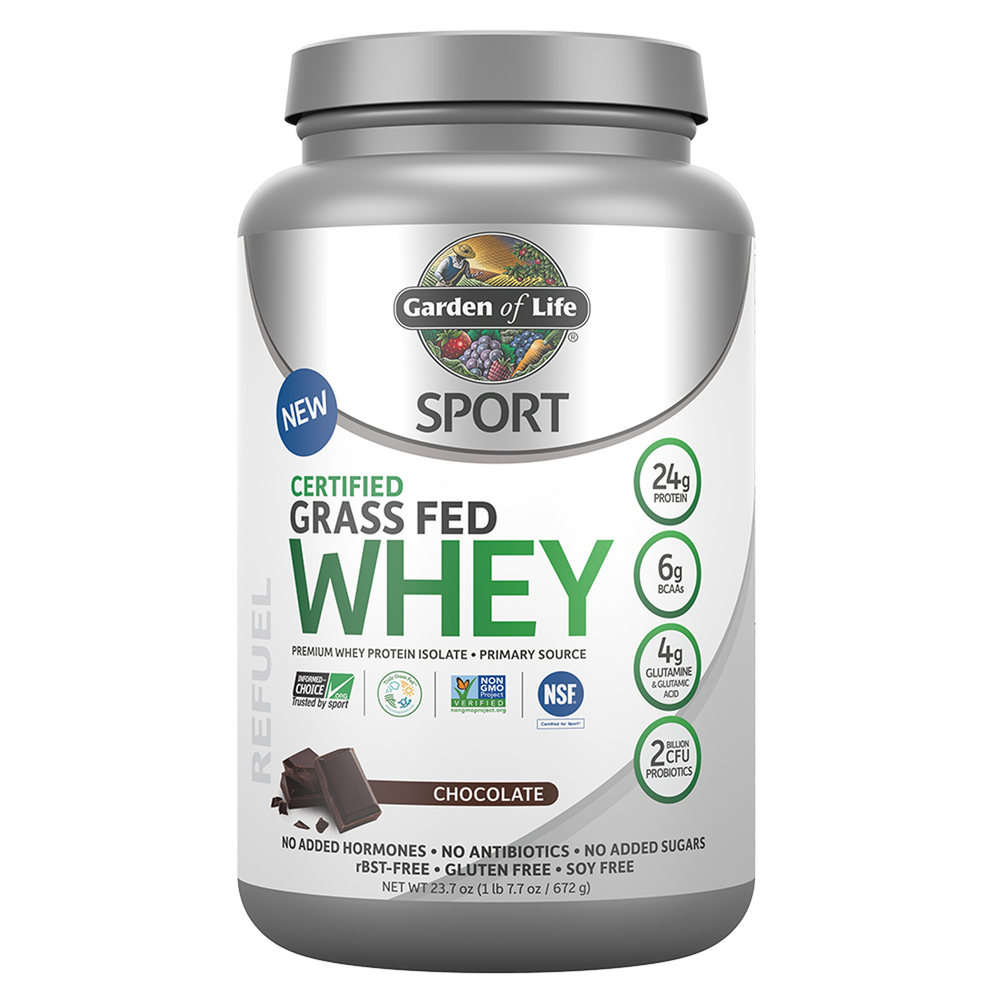
Sport Grass Fed Whey Chocolate by Garden of Life
672 grams · 20-day supply
Premium Grass Fed Whey for Muscle Recovery and Performance$59.99
Purchase options
Practitioner-grade brand3rd-party testedFree shipping $50+
Gluten Free·Soy Free·Sugar Free
Garden of Life Sport Grass Fed Whey Chocolate overview
If you lift or do hard intervals and want reliable post-workout recovery, whey protein is the simple win. One scoop delivers 24 g protein with 2.8 g leucine, the amino acid signal that turns on muscle protein synthesis (your body’s process for building new muscle). It fits adults who struggle to hit 25–35 g protein per meal, or who aim for roughly 1.6–2.2 g/kg/day during training blocks. If you have a milk allergy, skip it outright.
Whey is fast-digesting, so amino acids rise in the bloodstream quickly and trigger muscle protein synthesis within 1–3 hours. The high leucine here (2.8 g) reliably hits the per-meal “trigger” most adults need to build new muscle. This formula uses whey isolate and milk proteins that are naturally low in lactose, with 2 g fiber for better tolerance. It also includes Bifidobacterium lactis Bl-04 (2 billion CFU), a well-studied probiotic strain for everyday gut resilience, though it is not a treatment for digestive disease.
Mix one level scoop in 8 oz water or milk and drink within two hours after training, or use between meals to bring a low-protein meal up to 25–35 g. One scoop already supplies enough leucine for an anabolic response; stacking two scoops rarely adds more benefit at one sitting. Pairing with creatine monohydrate (3–5 g daily) is evidence-based for strength and lean mass. Separate from antibiotics by two hours if you want the probiotic to survive.
Avoid if you have a confirmed milk protein allergy. If you have chronic kidney disease or a history of kidney stones, use only under clinician guidance and monitor kidney labs (creatinine and estimated GFR, the markers of filtration). Significant lactose intolerance is uncommon with isolates, but if you bloat or have loose stools, try half scoops with food or switch to a lactose-free isolate or a plant blend.
Frequently asked questions
How much whey protein should I take per day?
Use enough to hit your daily protein target, usually about 1.6–2.2 g/kg/day during training. Practically, 1 scoop post-workout or to top up low-protein meals is a good start.
When is the best time to drink whey protein?
Post-workout within two hours is convenient, but total daily protein matters most. You can also use it between meals to reach 25–35 g protein per eating occasion.
Is whey protein safe for kidneys?
For healthy adults, higher protein intakes are well tolerated. If you have chronic kidney disease, only use under clinician guidance and monitor creatinine and estimated GFR.
Is this whey protein lactose free?
Whey isolates are naturally low in lactose, and most people with intolerance do fine. If you still notice gas or loose stools, reduce the serving or choose a lactose-free option.
Does whey protein help build muscle?
Yes. Each scoop provides 2.8 g leucine, which reliably triggers muscle protein synthesis. Consistent training plus hitting daily protein targets drives the actual gains.
Can I take whey protein with creatine?
Yes. Creatine monohydrate (3–5 g daily) stacks well with whey for strength and lean mass. Timing with whey is flexible; consistency matters more than exact timing.
Will whey protein cause acne?
A small subset of people reports more breakouts with dairy-based proteins. If you notice a clear pattern after a few weeks, switch to a plant protein and reassess.
Do the probiotics in this survive with hot liquids?
Very hot liquids can reduce probiotic survival. If you want the B. lactis benefit, mix with cool or room-temperature fluids rather than coffee or tea.
How to take it & ingredients
Suggested use: Mix one level scoop with eight ounces of water.
Active ingredients
1 scoop = 33 grams per serving · 20 servings
Protein
24 g
Sodium
130 mg
Potassium
100 mg
Dietary Fiber
2 g
Alanine
1000 mg
Arginine
600 mg
Aspartic Acid
2600 mg
Cystine
500 mg
Glutamic Acid
4200 mg
Glycine
400 mg
Histidine
500 mg
Isoleucine
1750 mg
Leucine
2800 mg
Lysine
2680 mg
Methionine
500 mg
Phenylalanine
830 mg
Proline
800 mg
Serine
1000 mg
Threonine
1780 mg
Tryptophan
510 mg
Tyrosine
700 mg
Valine
1450 mg
Bifidobacterium lactis Bl-04
2 billion CFU
Other ingredients: Truly Grass Fed Protein Blend (Whey Protein Isolate 91 percent, Milk Protein 9 percent), Organic cocoa, Organic creamer flavor, Organic erythritol, Organic chocolate flavor, Sea salt, Sunflower lecithin, Organic stevia extract
Certifications
Benefits
Warnings
Customers also considered
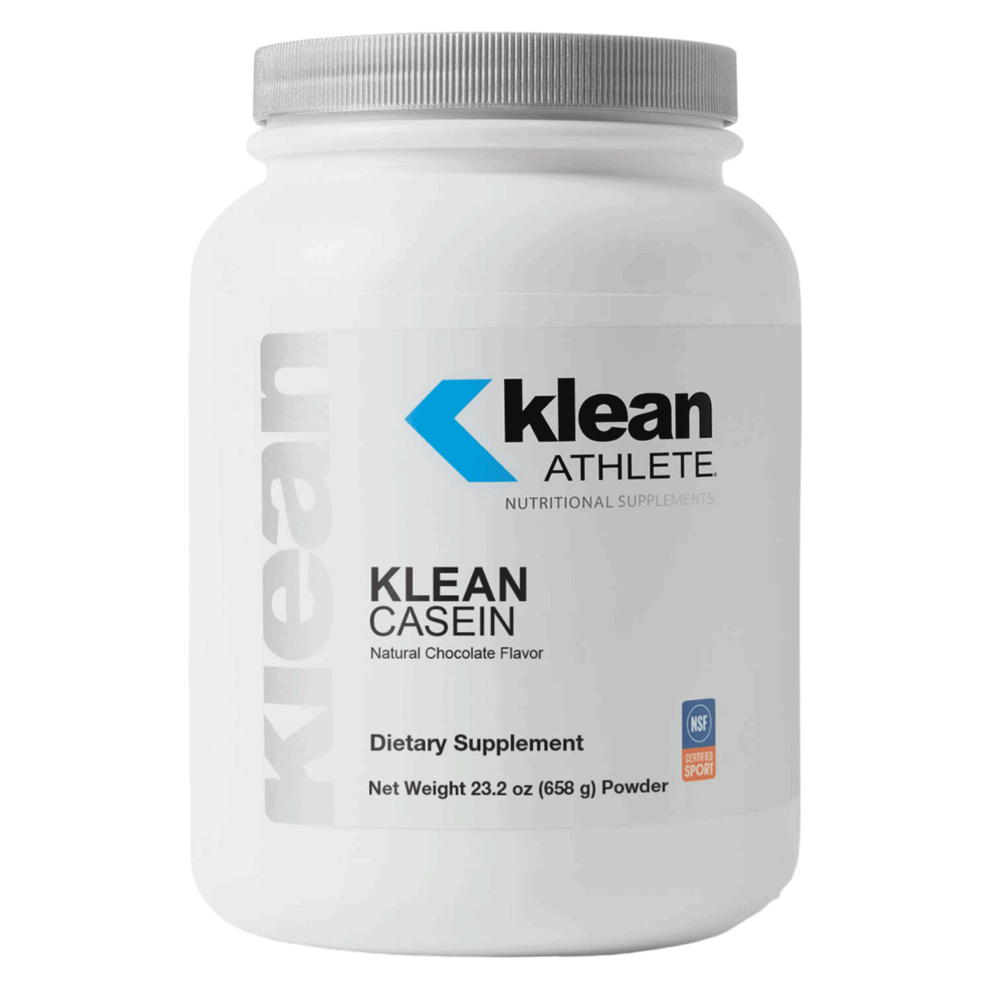
Casein Natural Chocolate
Klean Athlete
658 grams
$68.50$54.99 with Subscribe & Save
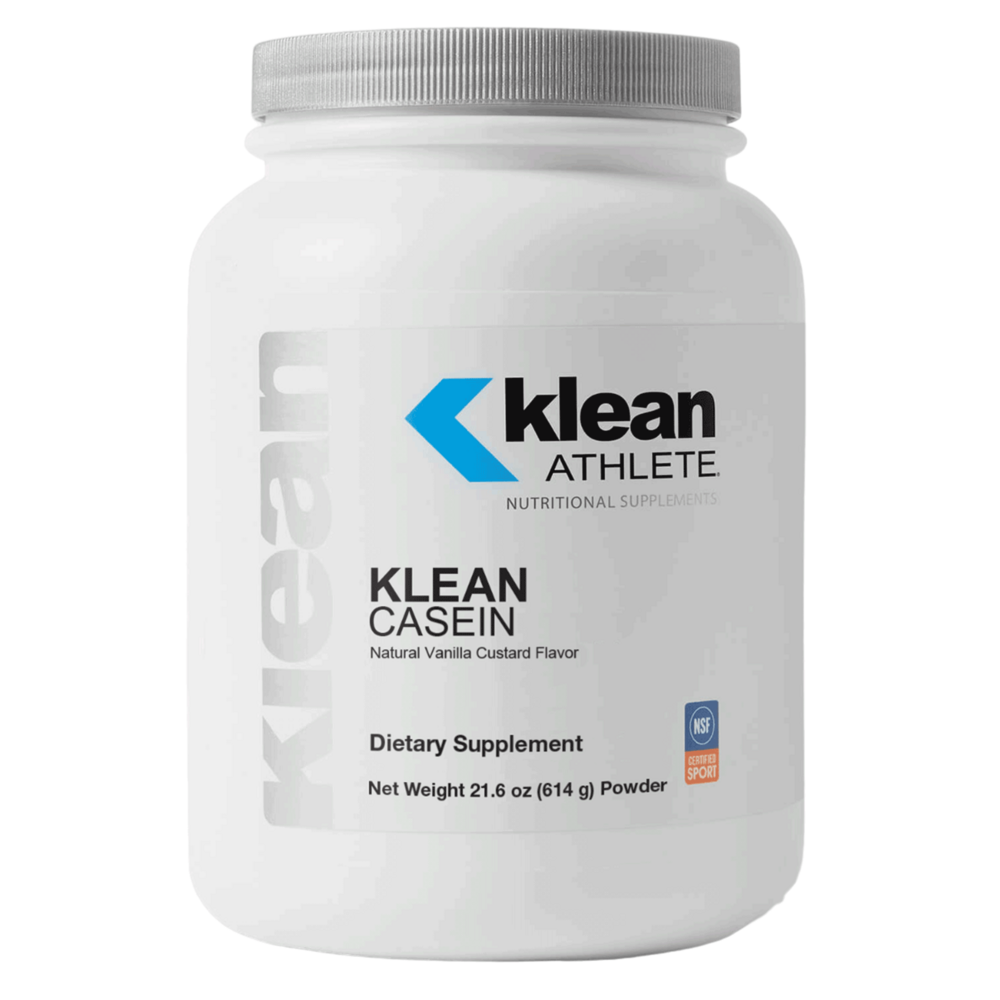
Casein Natural Vanilla Custard Flavor
Klean Athlete
614 grams
$68.50$54.99 with Subscribe & Save
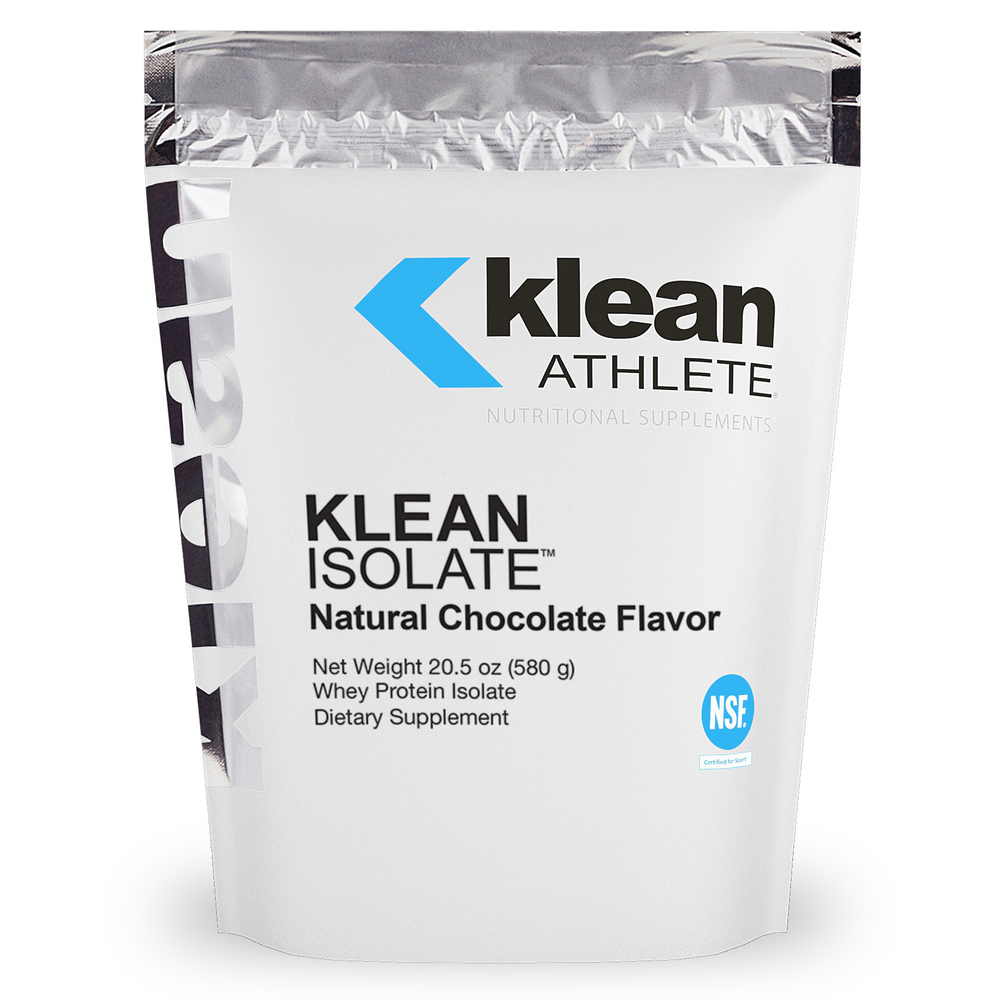
Klean Isolate Natural Chocolate
Klean Athlete
580 grams
$64.50$51.99 with Subscribe & Save
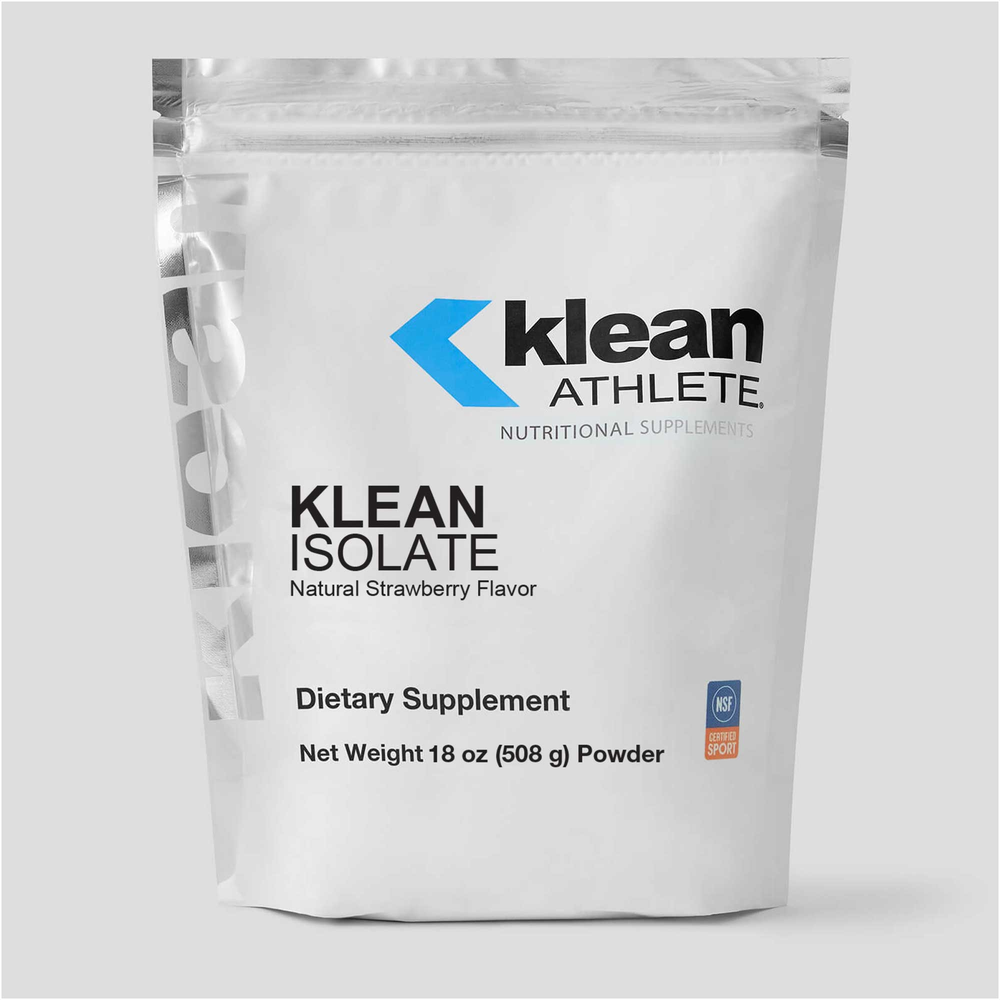
Klean Isolate Natural Strawberry
Klean Athlete
508 grams
$64.50$51.99 with Subscribe & Save