 Instalab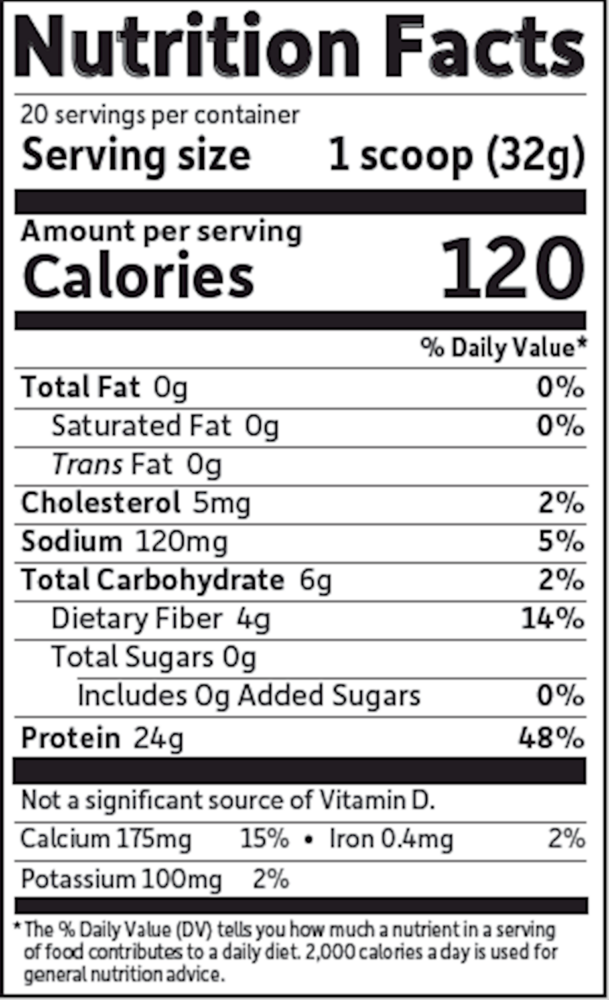



Garden of Life
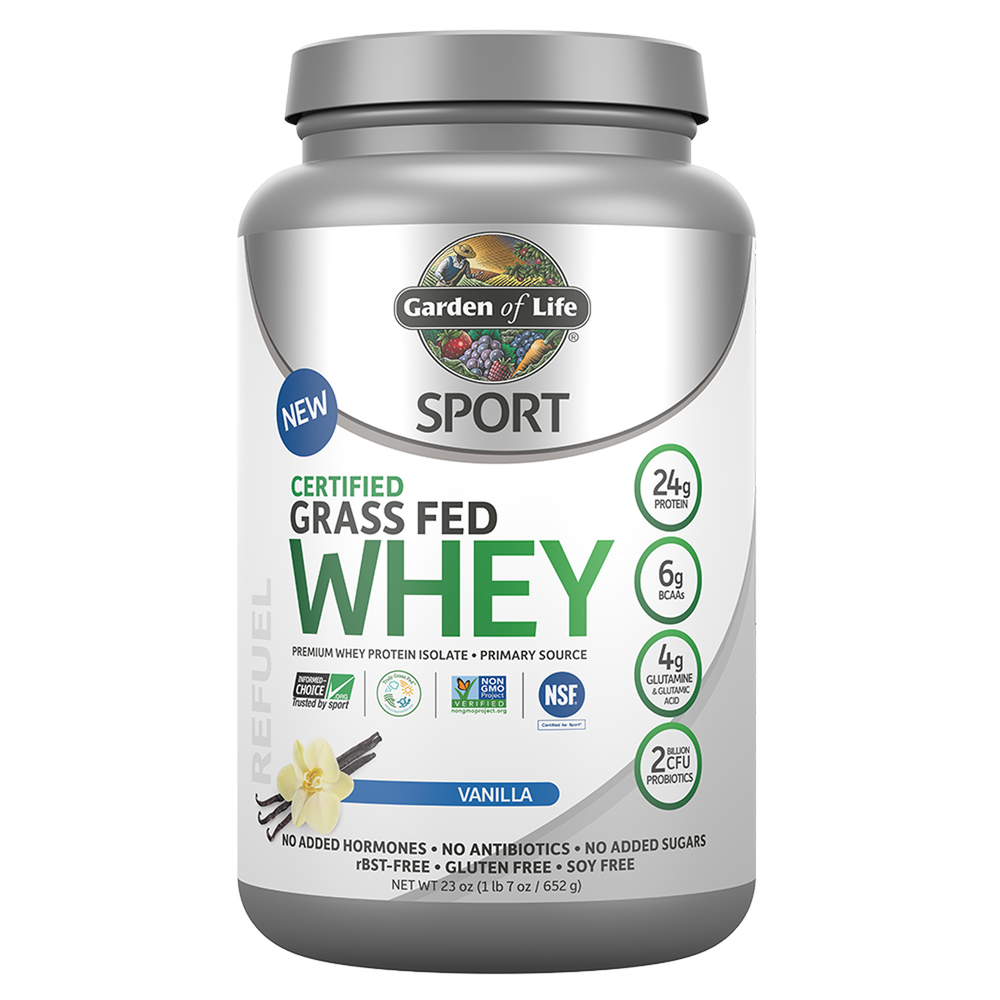
Sport Grass Fed Whey Vanilla by Garden of Life
652 grams · 19-day supply
Premium Grass Fed Whey for Muscle Support and Recovery$59.99
Purchase options
Practitioner-grade brand3rd-party testedFree shipping $50+
Gluten Free·Soy Free
Garden of Life Sport Grass Fed Whey Vanilla overview
If you lift weights or do high-intensity training and want reliable muscle recovery, whey protein is the most proven option. One scoop gives 24 g protein with about 2.8 g leucine, enough to trigger muscle building for most adults. It’s also practical for busy schedules, vegetarians who include dairy, or anyone struggling to hit daily protein targets without excess calories. If you’re aiming to maintain lean mass during fat loss, whey helps preserve muscle while keeping calories controlled.
Whey is fast-digesting and rich in leucine, the amino acid that flips on mTOR (the cell’s “start building muscle protein” switch). That surge raises muscle protein synthesis within 60–90 minutes, which is why whey outperforms slower proteins like casein around workouts. The amino acid profile here is strong: ~2.8 g leucine per scoop with robust isoleucine and valine (the other branched-chain amino acids, key building blocks). The added Bifidobacterium lactis Bl‑04 (2 billion CFU) is mainly for gut tolerance, not a full microbiome overhaul.
Mix one level scoop with 8 oz water as directed. Use within 1–2 hours after training, or as a meal anchor when your protein is light. Most adults grow best hitting 25–40 g high-quality protein per meal, so pair this with yogurt, milk, or eggs if your meal is small. If you’re targeting higher daily protein, use a second serving later in the day. Adding a banana or oats post‑workout helps refill glycogen for back‑to‑back training days.
Avoid if you have a true milk protein allergy. If you’re lactose intolerant, start with a half scoop in water; most isolates are low in lactose, but tolerance varies. If you have kidney disease or are on a protein-restricted plan, talk with your clinician and track eGFR (estimated glomerular filtration rate, a kidney function measure). Immunocompromised or central line patients should check before using products with live probiotics.
Frequently asked questions
Does grass fed whey protein build more muscle than regular whey?
For muscle, the difference is minimal. Amino acid content drives results, and that’s similar. Grass fed mainly reflects farming practices; fatty acid differences are modest once whey is isolated.
How long does whey protein take to work after a workout?
Muscle protein synthesis rises within 60–90 minutes after a whey shake. Visible changes in strength and lean mass usually show up after 4–8 weeks of consistent training and adequate total protein.
Is whey protein bad for your kidneys?
In healthy kidneys, normal sports nutrition intakes are well tolerated. If you have chronic kidney disease or a clinician has limited your protein, get guidance and monitor eGFR regularly.
Is this whey protein lactose free?
Whey isolates are typically very low in lactose, but not always zero. If you’re sensitive, start with a small serving in water and assess. Choose lactose-free milk or water as the mixer.
Should I take whey protein on rest days?
Yes. Hitting your per‑meal protein target on rest days supports ongoing repair and helps maintain lean mass. Spread protein across the day rather than loading it all at once.
What’s the best time to take whey protein?
Within 1–2 hours post-workout is convenient, but the bigger driver is total daily protein. If timing is tricky, place shakes where your meals are light on protein.
Can whey protein help with weight loss?
It can. Higher protein increases fullness and helps preserve lean mass during calorie cuts. Combine whey with resistance training and a calorie plan for best results.
Is whey protein okay if I track blood sugar?
Whey can blunt post‑meal glucose when paired with carbs but can raise insulin. If you use a glucose monitor or insulin, test your response and adjust carbs or timing with your clinician.
How to take it & ingredients
Suggested use: Mix one level scoop with eight ounces of water.
Active ingredients
1 scoop = 33 grams per serving · 20 servings
Protein
24 g
Sodium
120 mg
Potassium
100 mg
Total Carbohydrate
6 g
Dietary Fiber
4 g
Alanine
1000 mg
Arginine
600 mg
Aspartic Acid
2450 mg
Cystine
500 mg
Glutamic Acid
4150 mg
Glycine
400 mg
Histidine
500 mg
Isoleucine
1760 mg
Leucine
2800 mg
Lysine
2700 mg
Methionine
530 mg
Phenylalanine
880 mg
Proline
800 mg
Serine
950 mg
Threonine
1700 mg
Tryptophan
520 mg
Tyrosine
800 mg
Valine
1500 mg
Bifidobacterium lactis Bl-04
2 billion CFU
Other ingredients: Truly Grass Fed Protein Blend (Whey Protein Isolate 85 percent, Milk Protein 15 percent), Organic tapioca fiber (IMO), Organic vanilla flavors, Organic gum acacia, Organic erythritol, Sea salt, Sunflower lecithin, Organic stevia extract
Certifications
Benefits
Warnings
Customers also considered
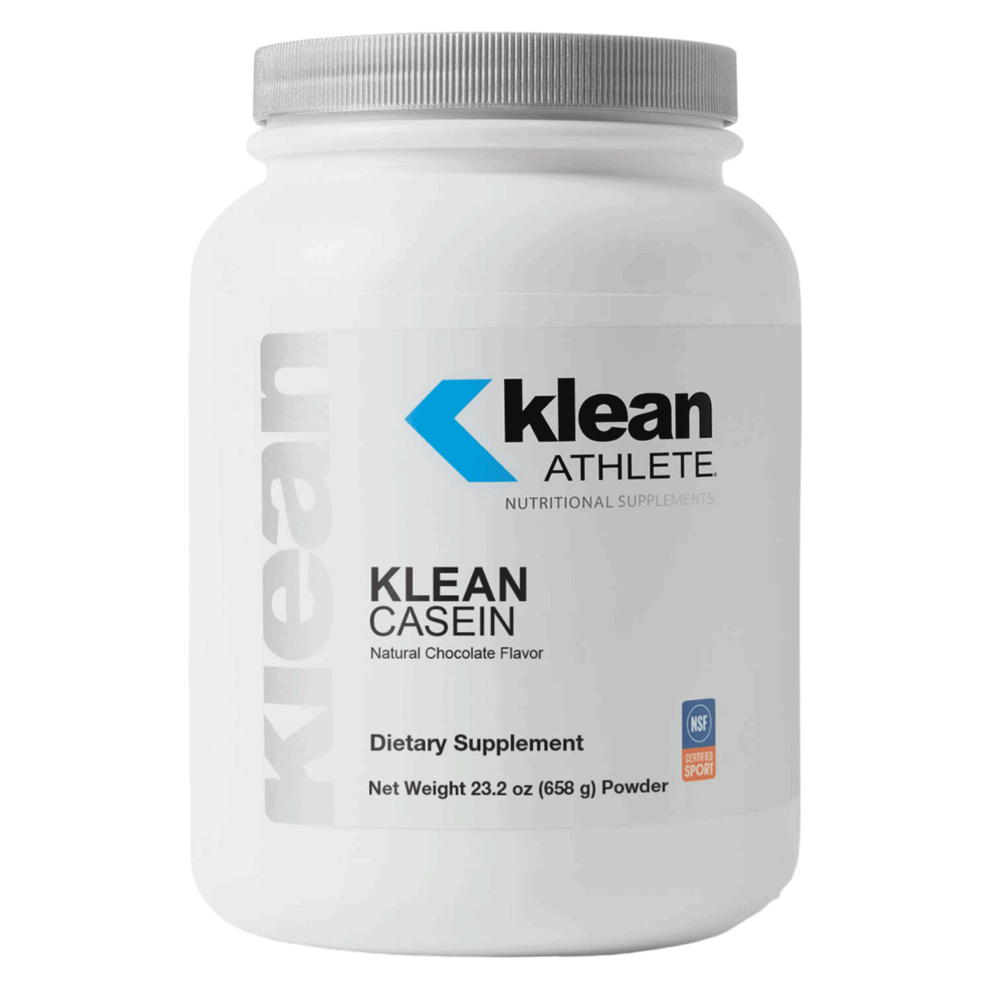
Casein Natural Chocolate
Klean Athlete
658 grams
$68.50$54.99 with Subscribe & Save
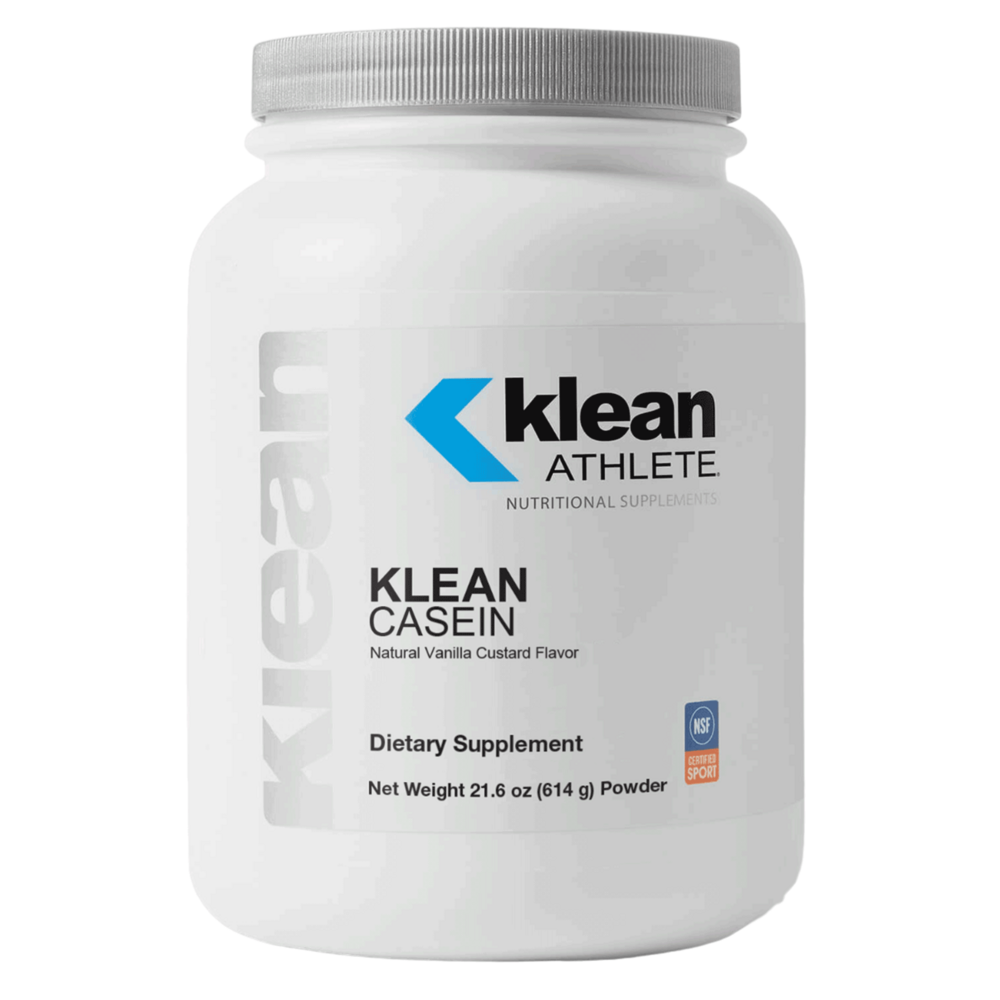
Casein Natural Vanilla Custard Flavor
Klean Athlete
614 grams
$68.50$54.99 with Subscribe & Save
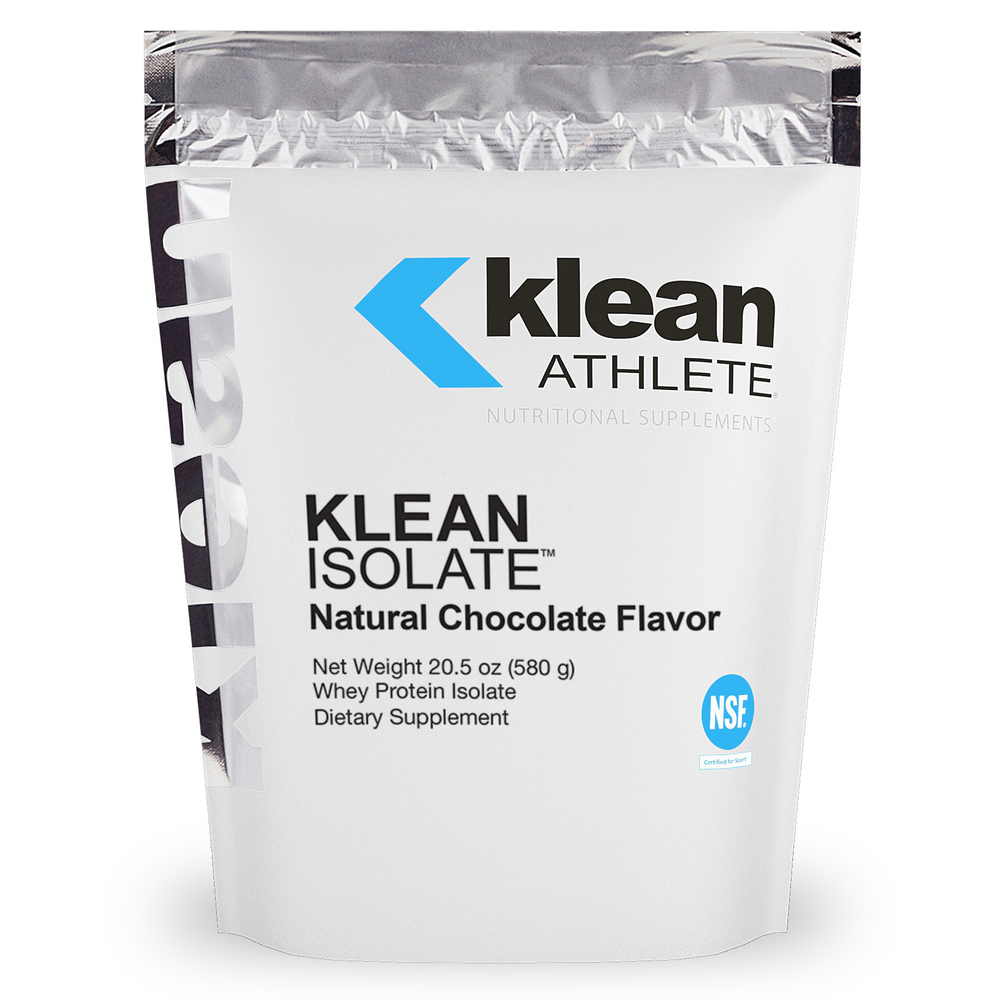
Klean Isolate Natural Chocolate
Klean Athlete
580 grams
$64.50$51.99 with Subscribe & Save
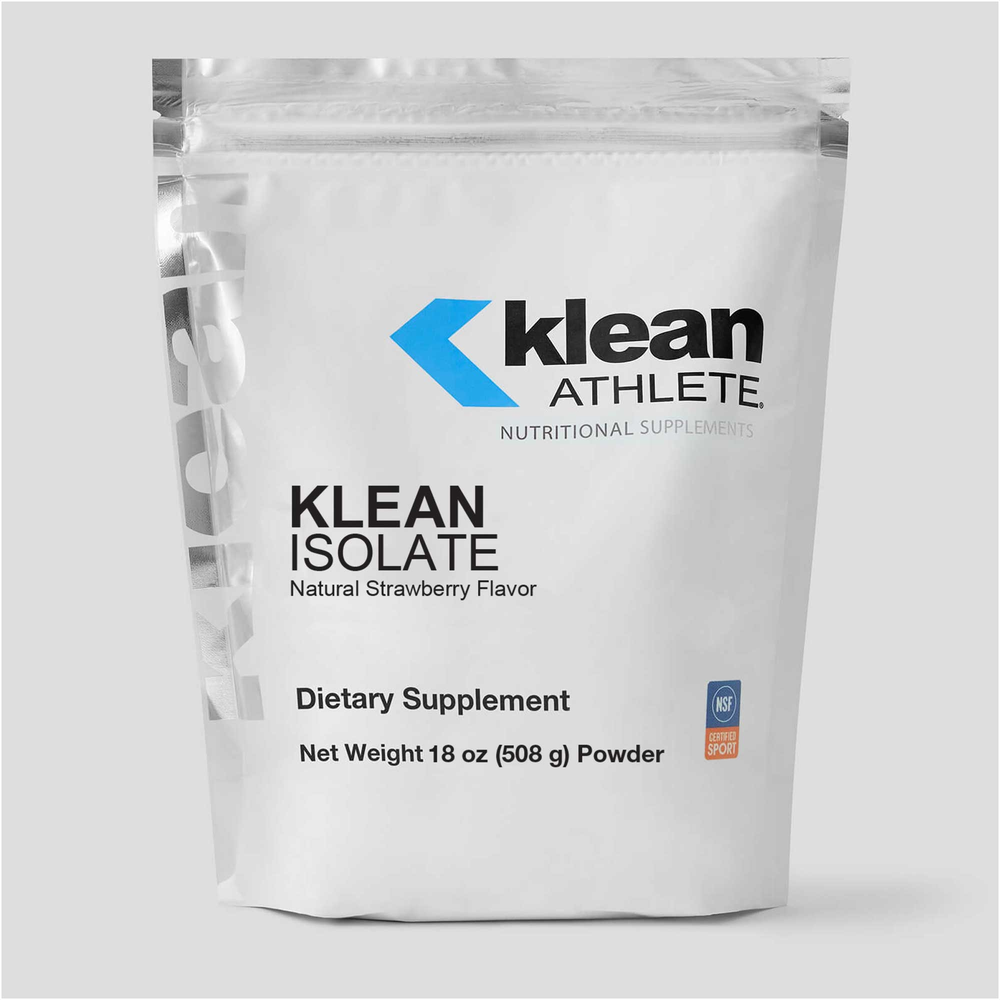
Klean Isolate Natural Strawberry
Klean Athlete
508 grams
$64.50$51.99 with Subscribe & Save