 Instalab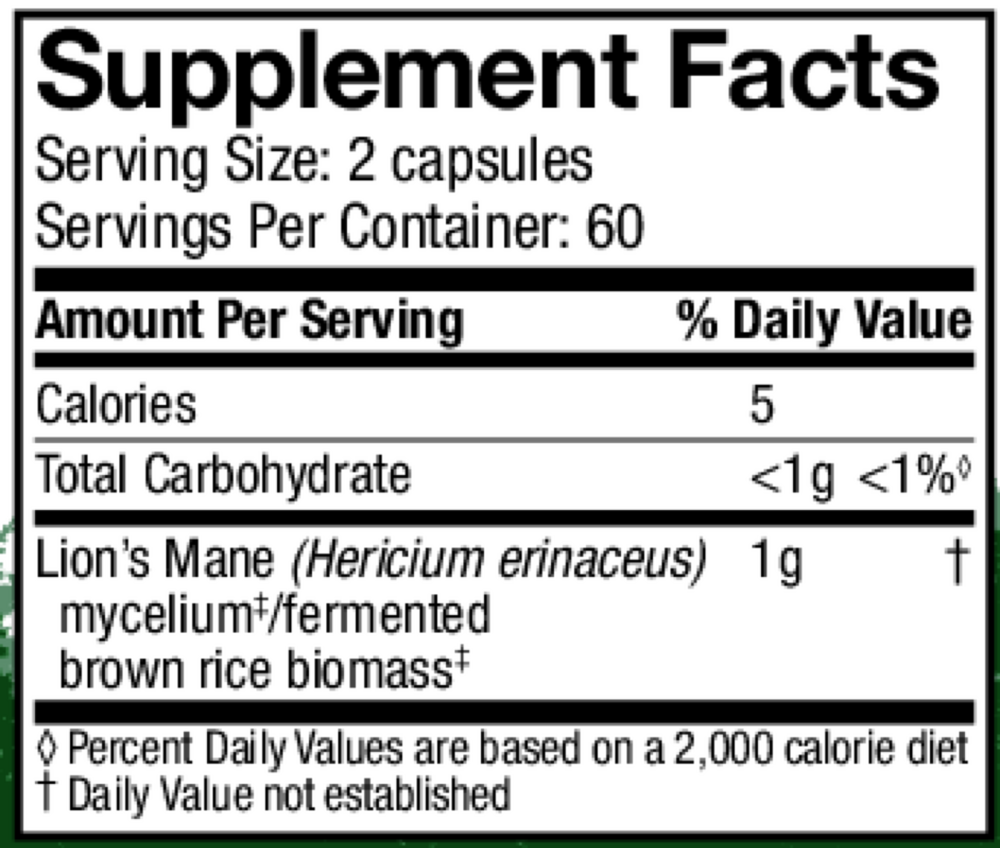

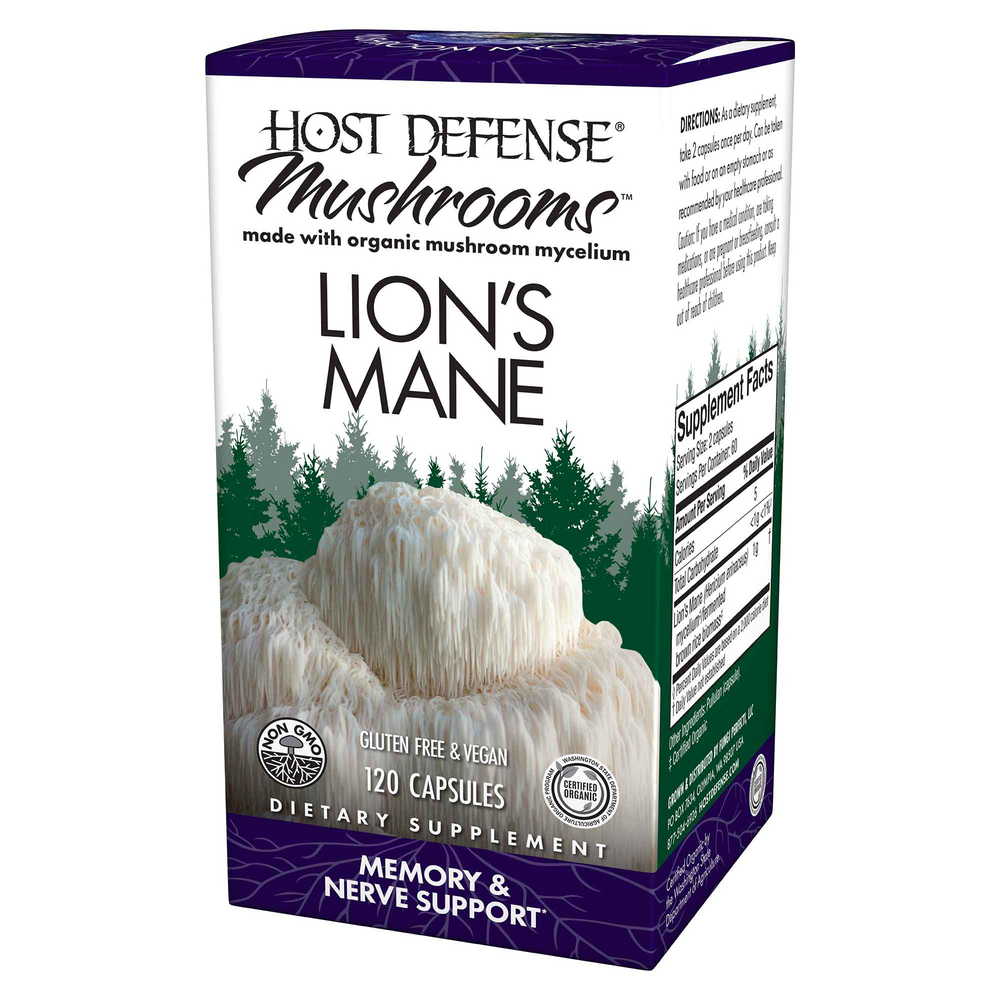
Host Defense
Lions Mane 1 g by Host Defense
120 capsules · 60-day supply
Support Cognitive Function and Nerve Health with Lion's Mane Mushroom$XX.XX$62.99retail
This item is currently out of stockGet notified when this item is back in stock
21% below MSRP3rd-party tested for purity & potencyFree shipping $50+
Vegan·Vegetarian·Gluten Free
Host Defense Lions Mane overview
If you’re looking up lion’s mane mushroom for memory and focus, this is aimed at distracted professionals, grad students in heavy cognitive loads, and adults noticing mild age-related forgetfulness. It also fits people who want gentle immune modulation without stimulants. If brain fog is new, rule out basics first with labs like Vitamin B12, TSH (thyroid signal), Ferritin (iron stores), and Vitamin D, 25-Hydroxy. Host Defense capsules are a maintenance-level approach; for pronounced cognitive decline you’ll need a fuller workup.
Lion’s mane mushroom contains compounds that nudge nerve growth factor (a protein cue that helps neurons grow and connect). That’s the rationale behind small randomized trials showing modest improvements on memory tests in older adults with mild impairment within 8–16 weeks, which faded after stopping. This product uses organic mycelium on fermented brown rice, delivering beta-glucans (polysaccharides that train innate immune cells) plus myco-nutrients. Expect gentle, cumulative effects, not an immediate stimulant buzz.
Take 2 capsules once daily, with or without food. Morning or early afternoon suits most people; if you feel too alert at night, move it earlier. Consistency matters—give it 8–12 weeks before judging. Human studies often use 1–3 grams daily; this serving sits in that everyday range. If you’re targeting measurable change on cognitive testing, log baseline, then reassess focus, recall, and word-finding monthly.
Avoid if you have a known mushroom allergy. Use caution if you’re on blood thinners like warfarin or apixaban, since lion’s mane shows mild antiplatelet effects in lab studies; stop 1–2 weeks before surgery unless your surgeon advises otherwise. Data in pregnancy or breastfeeding are limited, so skip then. If you have new neurological symptoms, headaches with vision changes, or fast-worsening memory, seek medical evaluation first.
Frequently asked questions
How long does lion's mane take to work?
Most people who respond notice steadier focus within 4–8 weeks, with memory changes in 8–12 weeks. Benefits are gradual and can fade a few weeks after stopping, so reassess after a consistent trial.
Does lion's mane mushroom thin your blood?
It isn’t a blood thinner in the prescription sense, but in vitro data suggest mild antiplatelet effects. If you take warfarin, apixaban, clopidogrel, or high-dose fish oil, discuss it with your clinician and pause before surgery.
Is lion's mane safe to take every day?
Generally yes for healthy adults. Reported side effects are uncommon and include mild stomach upset or rash. Long-term human data are limited, so take periodic breaks and review with your clinician if you use it continuously.
Should I take lion's mane with food or coffee?
You can take it with or without food. If you’re sensitive to supplements on an empty stomach, pair with a small meal. Coffee is fine for most, but if you feel wired, separate them by a couple of hours.
Mycelium vs fruiting body—what’s the difference?
Fruiting body products emphasize hericenones, while mycelium delivers a broader mix, including beta-glucans and other myco-nutrients. Clinical signals for cognition exist with both; consistency and total daily grams likely matter more than the part used.
Can I take lion's mane with antidepressants or ADHD meds?
There’s no clear interaction, and it’s non-stimulating. Still, introduce one change at a time and monitor sleep, anxiety, and focus. If you notice mood shifts, review the stack with your prescriber.
What dose of lion's mane mushroom is effective?
Human studies often land between 1–3 grams per day of powder or extract. This product’s daily serving falls in that everyday range. For targeted goals, track outcomes over 8–12 weeks before adjusting.
How to take it & ingredients
Suggested use: Take 2 capsules once per day, with or without food, or as recommended by your healthcare professional.
Active ingredients
2 capsules per serving · 60 servings
Lion's Mane mycelium/fermented brown rice biomass
Hericium erinaceus
Hericium erinaceus
1 g
Other ingredients: Pullulan (capsule)
Certifications
Benefits
Warnings
Customers also considered
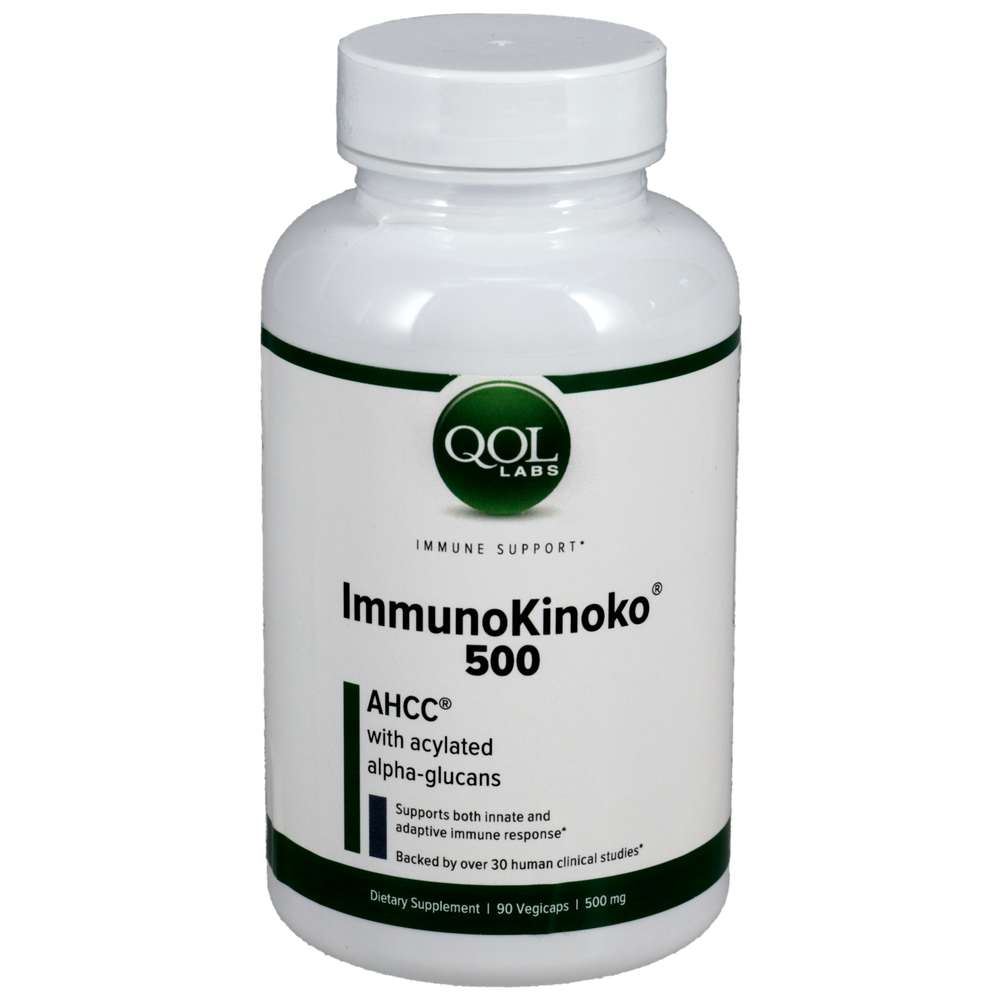
QOL Labs
ImmunoKinoko 500
90 capsules
$89.99
Add to cart for lower price
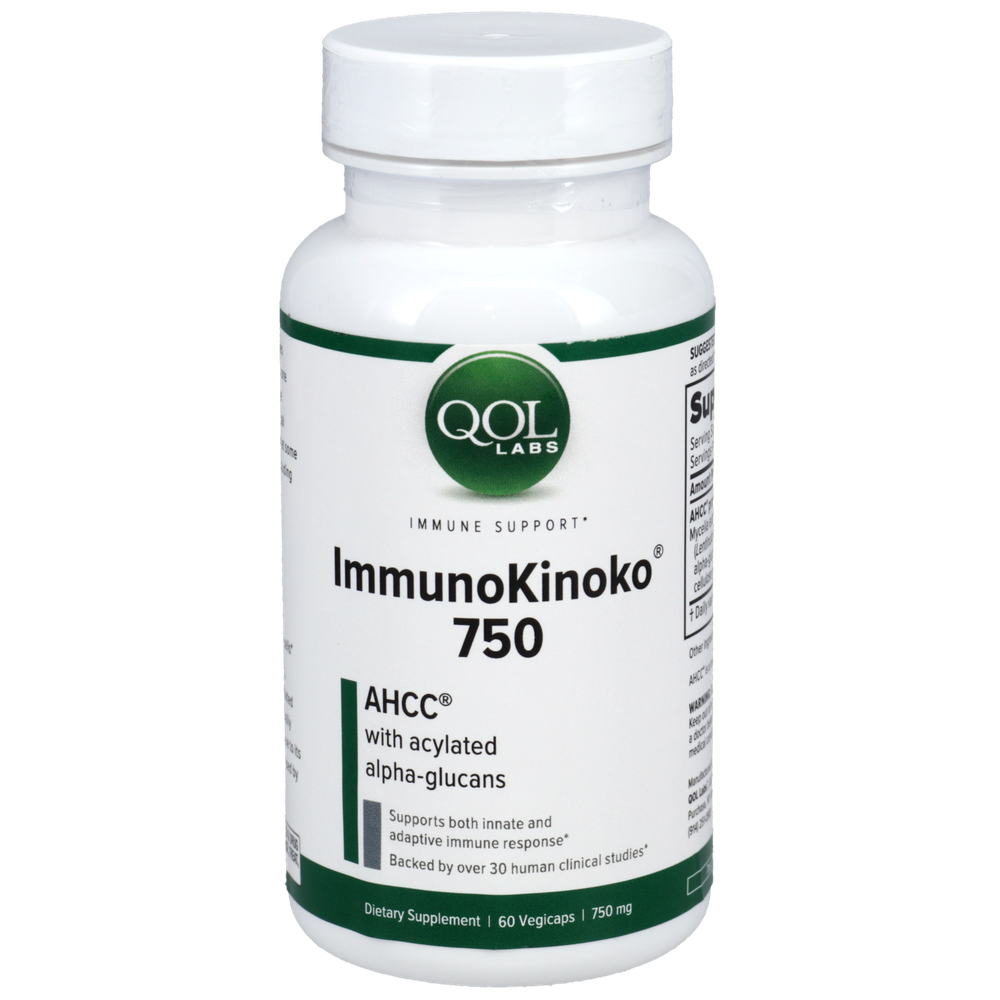
QOL Labs
ImmunoKinoko 750
60 capsules
$89.99
Add to cart for lower price
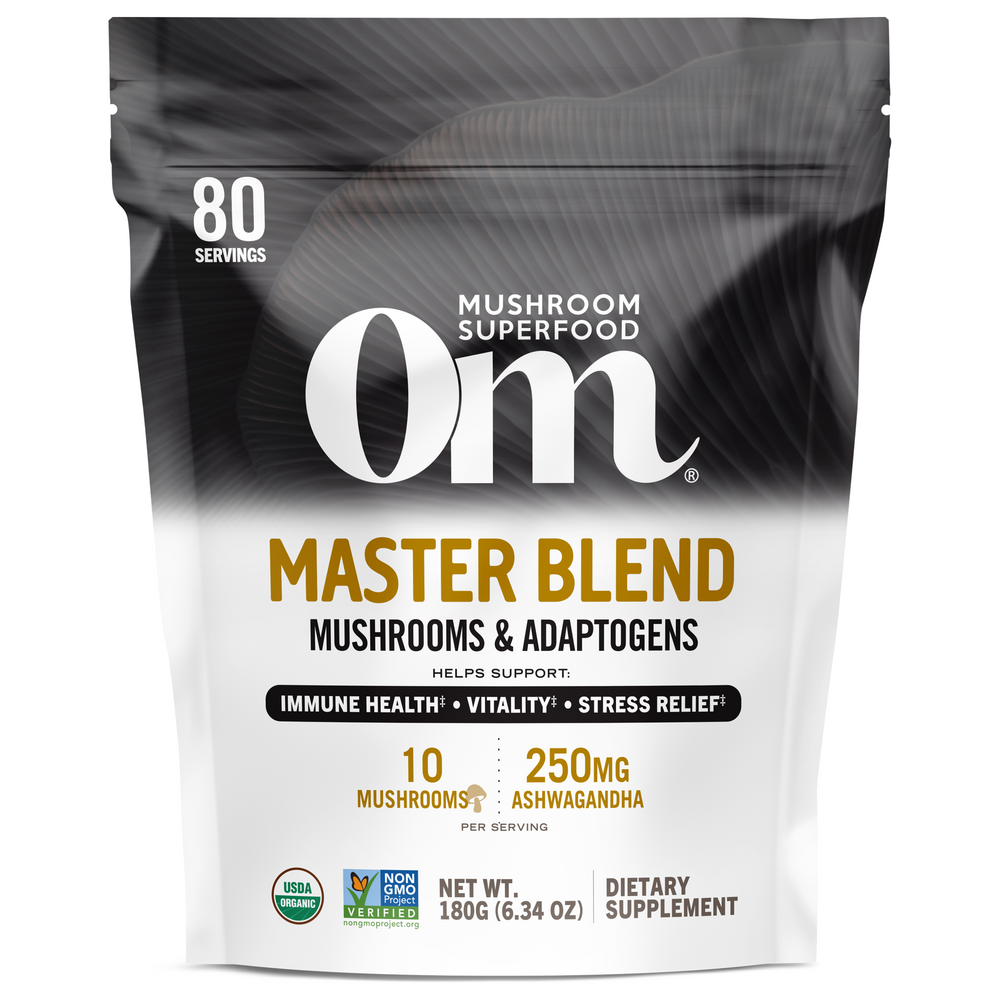
Om Organic Mushroom Nutrition
Mushroom Master Blend
180 grams
$42.99
Add to cart for lower price
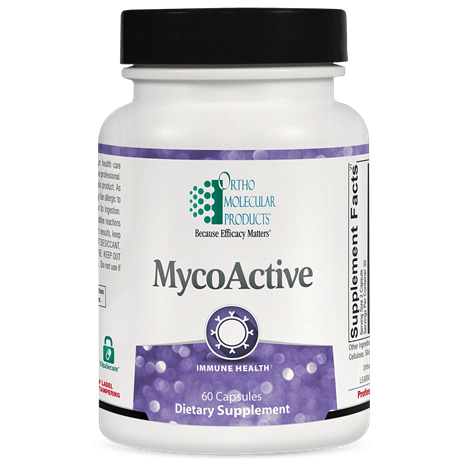
Ortho Molecular Products
MycoActive
60 capsules
$48.23
Add to cart for lower price