 Instalab

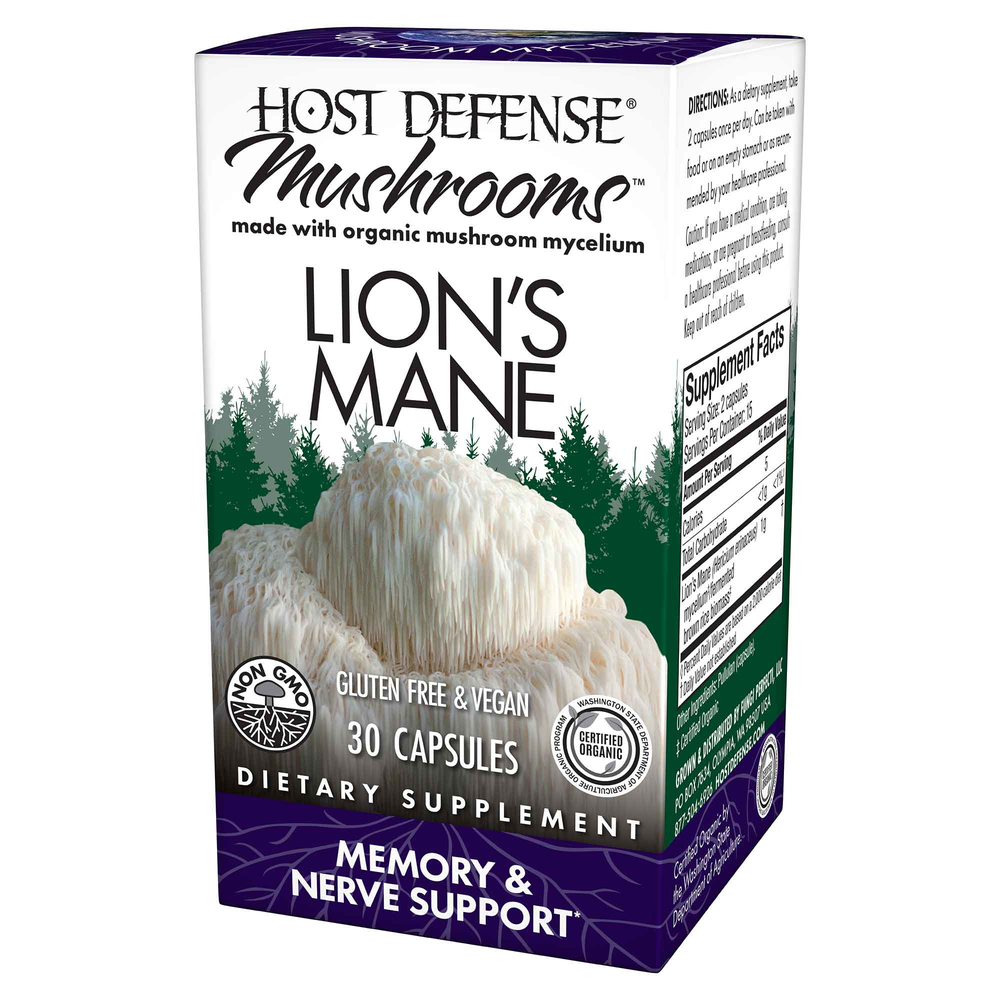
Host Defense
Lions Mane 1 g by Host Defense
30 capsules · 15-day supply
Support Cognitive Function and Nerve Health with Lion's Mane Mushroom$XX.XX$20.99retail
This item is currently out of stockGet notified when this item is back in stock
19% below MSRP3rd-party tested for purity & potencyFree shipping $50+
Vegan·Vegetarian·Gluten Free
Host Defense Lions Mane overview
If your days demand sustained focus and your brain feels a step slow, lion’s mane mushroom (Hericium erinaceus) is a fit. It’s popular with adults who want a nudge in memory, mental clarity, or word recall without stimulants, and with those easing back after high stress or an illness that left lingering brain fog. It’s also reasonable during periods of intense learning. If you need help with sleep or mood swings, it can complement core workups, but it won’t replace checking B12, Thyroid Stimulating Hormone, or iron studies like Ferritin when fatigue is prominent.
Compounds in lion’s mane, including hericenones and erinacines, signal more nerve growth factor (NGF, the protein that tells neurons to grow and repair). That appears to strengthen synapses and support new connections in areas tied to memory and attention. Host Defense Lion’s Mane uses organic mycelium on fermented brown rice, which delivers beta-glucans (immune-training fibers) and myconutrients that can also modulate natural killer cells (front-line immune cells). Don’t expect big shifts in hs-CRP (a general inflammation marker); effects are more neurological than systemic inflammation–lowering.
Take two capsules once daily, with or without food, as the manufacturer suggests. Consistency beats timing, though morning works for many since it’s non-sedating. Most human studies use 1–3 grams daily for 8–16 weeks; this sits in the maintenance-to-modest range. If you’re targeting stubborn brain fog, give it 4 to 8 weeks before judging. Pairing with sleep regularity and aerobic exercise amplifies benefits for learning and recall.
Skip if you’ve had reactions to culinary or medicinal mushrooms. With autoimmune conditions or post-transplant status, talk to your clinician first, since beta-glucans can nudge immune activity. Data in pregnancy and breastfeeding are limited, so avoid unless your obstetric clinician is on board. For upcoming surgery, stop 1 to 2 weeks prior, as mushrooms have mild antiplatelet effects in lab studies, and GI upset is more common under anesthesia stress.
Most people who respond notice clearer recall or smoother focus within 2 to 6 weeks; nerve-related benefits tend to take 8 to 12 weeks. It’s not a stimulant, so you won’t feel a caffeine-like buzz. If you’re chasing immune benefits alone, mushrooms work better as a daily habit than a quick fix, and they’re not a substitute for vaccines or standard care when you’re ill.
Frequently asked questions
What does lion’s mane mushroom actually do?
Lion’s mane increases nerve growth factor signaling, which helps neurons form and maintain connections tied to memory and attention. It also delivers beta-glucans that train innate immunity. Benefits are subtle and build with daily use rather than producing an immediate stimulant effect.
How long does lion’s mane take to work?
Plan on 4 to 8 weeks for clearer focus or recall, and 8 to 12 weeks for nerve-related goals. Some feel changes sooner, but studies generally assess cognition after at least two months of steady intake.
What’s the best time of day to take lion’s mane?
Any time works; morning is common since it’s non-drowsy. Take it consistently with your routine. Food isn’t required, but using it with meals can reduce rare stomach upset.
Can I take lion’s mane every day long term?
Yes, daily use is typical and appears well-tolerated in studies up to several months. Take periodic breaks if you prefer, and reassess benefits every 3 months. Stop if you develop rash, itching, or persistent GI symptoms.
Does lion’s mane interact with medications?
Caution with immunosuppressants (it can nudge immune activity) and with blood thinners or antiplatelet drugs due to theoretical additive effects. If you’re on these, review it with your clinician before starting.
Can lion’s mane help with nerve damage or neuropathy?
Animal and early human data suggest it supports nerve growth factor pathways, but evidence in established neuropathy is limited. It can be tried as an adjunct while you address causes like diabetes control, B12 status, and medication effects.
Are there side effects from lion’s mane?
Most tolerate it well. The most common issues are mild stomach upset, soft stools, or skin itching in those sensitive to mushrooms. Rare allergic reactions can occur; stop and seek care if you notice swelling or breathing trouble.
How to take it & ingredients
Suggested use: Take 2 capsules once per day, with or without food, or as recommended by your healthcare professional.
Active ingredients
2 capsules per serving · 15 servings
Lion's Mane mycelium/fermented brown rice biomass
Hericium erinaceus
Hericium erinaceus
1 g
Other ingredients: Pullulan (capsule)
Certifications
Benefits
Warnings
Customers also considered
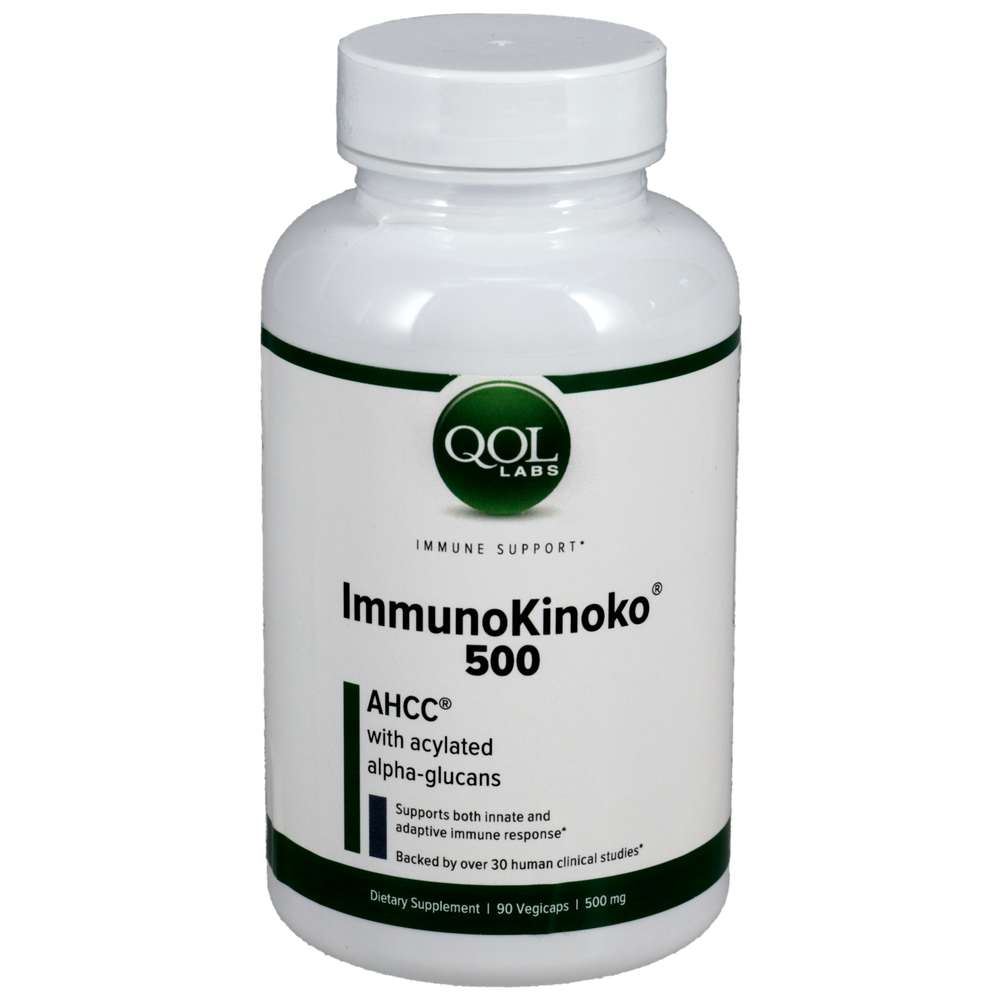
QOL Labs
ImmunoKinoko 500
90 capsules
$89.99
Add to cart for lower price
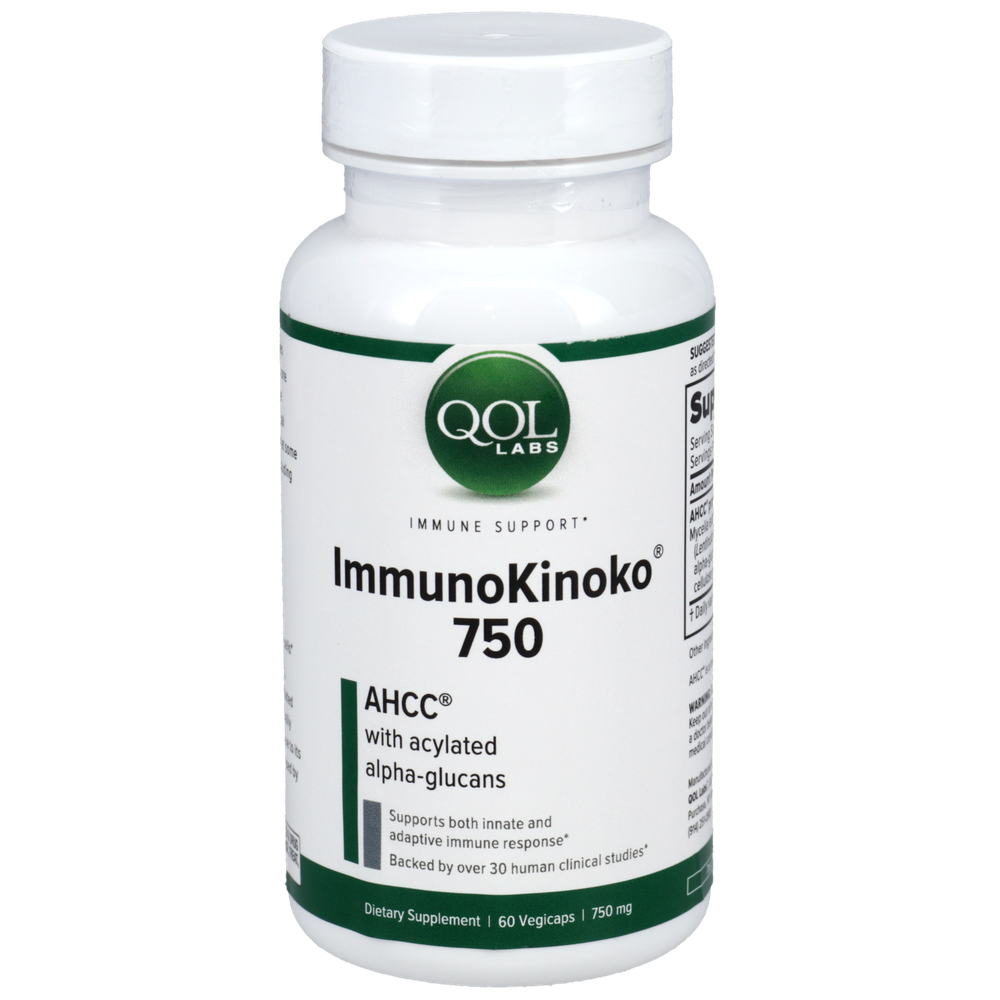
QOL Labs
ImmunoKinoko 750
60 capsules
$89.99
Add to cart for lower price
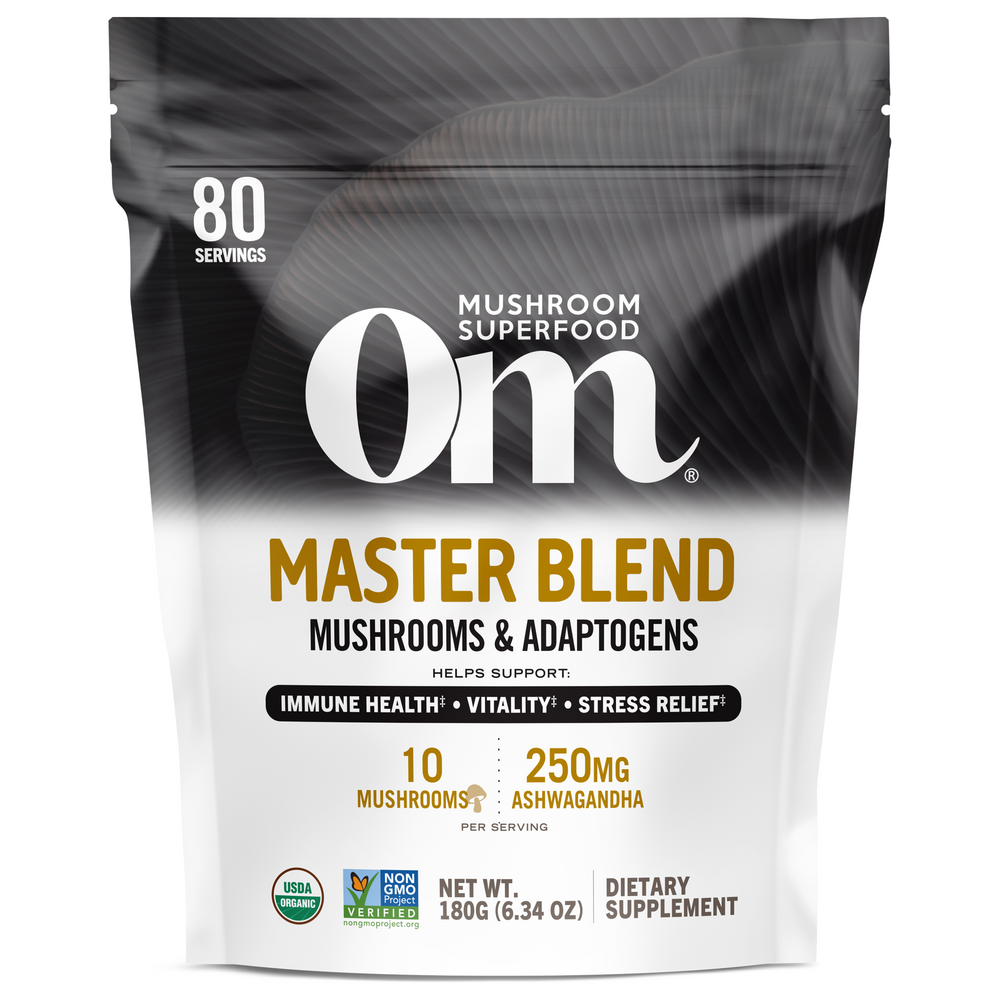
Om Organic Mushroom Nutrition
Mushroom Master Blend
180 grams
$42.99
Add to cart for lower price
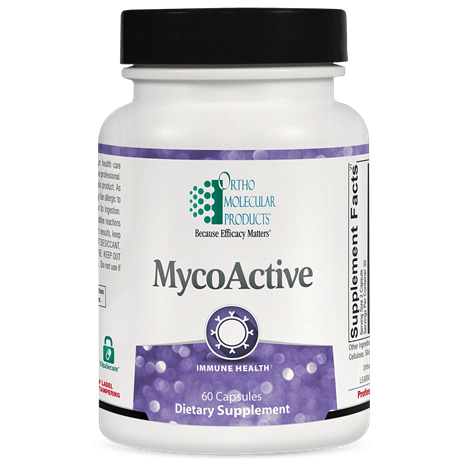
Ortho Molecular Products
MycoActive
60 capsules
$48.23
Add to cart for lower price