 Instalab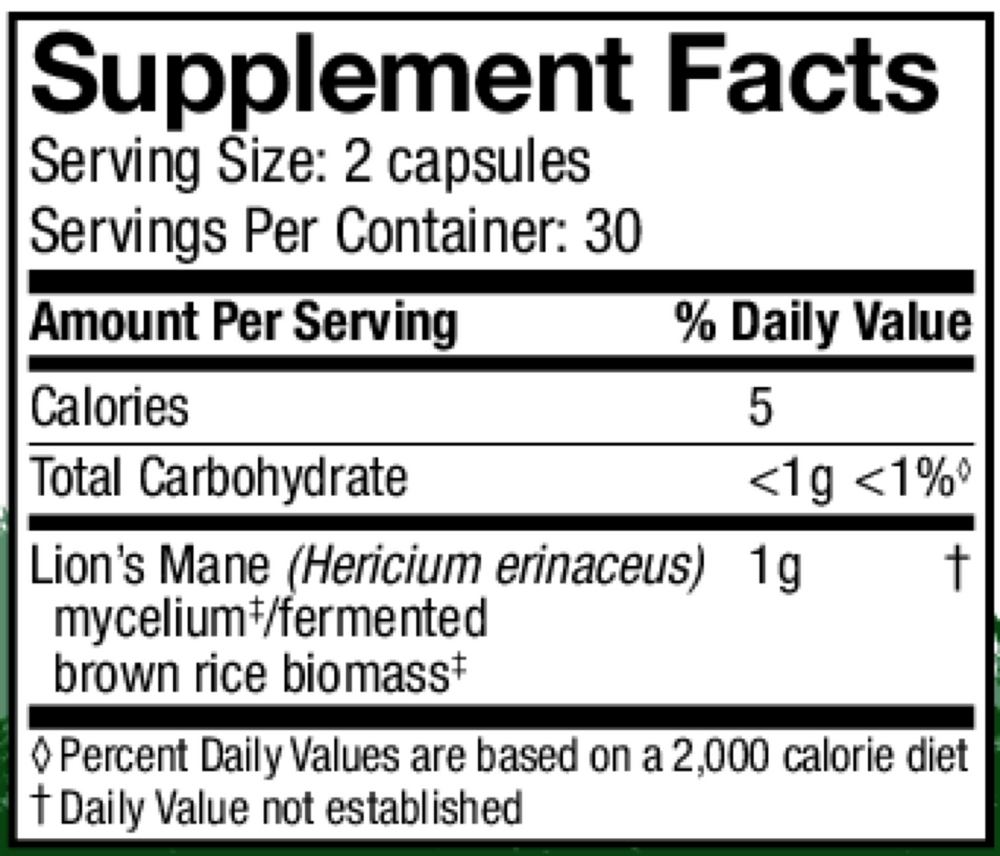
Host Defense
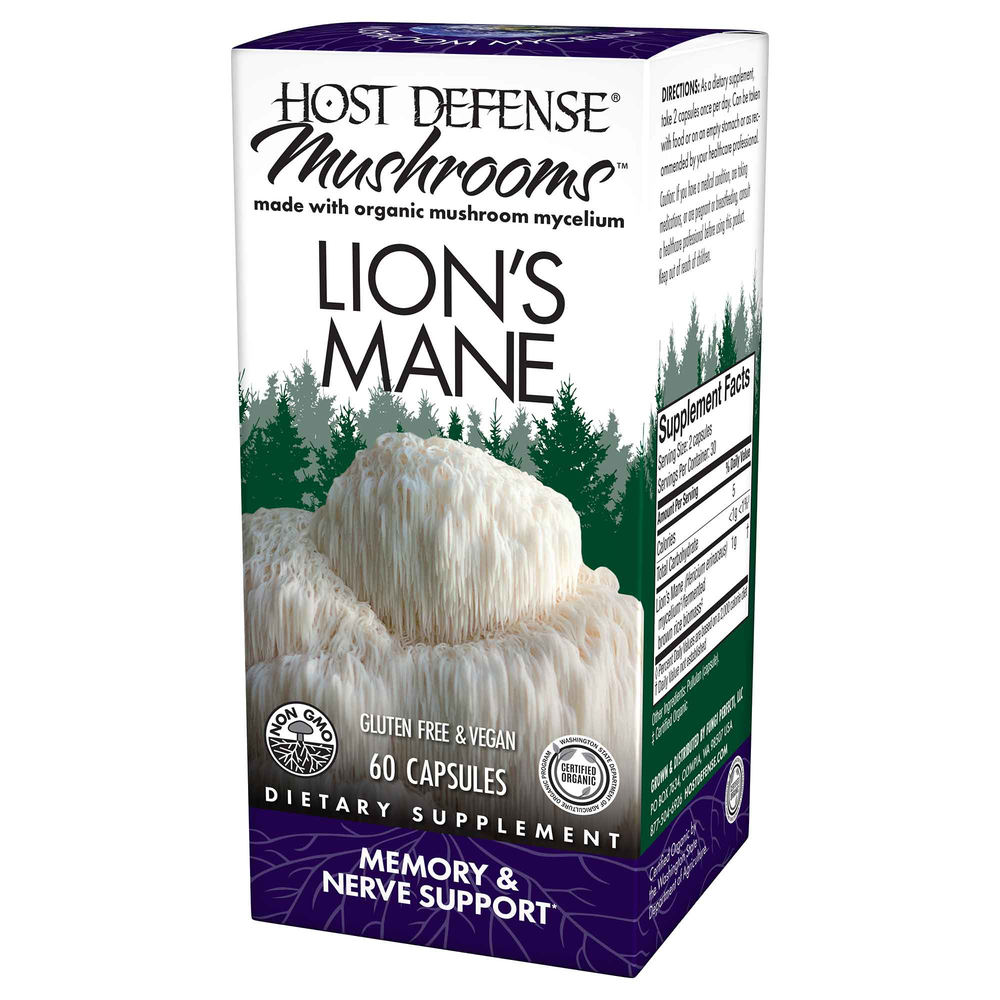
Lions Mane 1 g by Host Defense
60 capsules · 30-day supply
Support Cognitive Function and Nerve Health with Lion's Mane Mushrooms$33.99
This item is currently out of stockGet notified when this item is back in stock
Practitioner-grade brand3rd-party testedFree shipping $50+
Vegan·Vegetarian·Gluten Free
Host Defense Lions Mane overview
If you’re looking for a gentle, evidence-informed nudge for focus or memory, lion’s mane mushroom fits people with brain fog from stress or poor sleep, adults noticing early distractibility, and lifelong learners who want maintenance support over months, not days. It’s reasonable if you want a non-stimulant option instead of more caffeine. If you have established neurologic disease, expect subtle effects at best and track something concrete (a cognitive app, work output, or mood scale) for 4 to 12 weeks before judging it.
Lion’s mane mushroom contains erinacines and hericenones, compounds that signal more nerve growth factor (NGF, a protein that helps neurons grow and form connections). In small human studies, daily lion’s mane led to modest improvements on memory tests over 8 to 16 weeks. Host Defense uses mycelium on fermented brown rice, which is where many erinacines are found. Beta-glucans (immune-training fibers) in the mycelium can also modulate innate immunity, though changes in hs-CRP (a blood marker of inflammation) are inconsistent in practice.
Take two capsules once daily, with or without food. Consistency matters more than timing; choose morning if you’re using it for daytime focus. The two-capsule serving provides roughly 1 g of lion’s mane mycelium biomass, a maintenance-level amount. Trials showing cognitive changes typically used daily dosing for 8–16 weeks. If you’re stacking with omega-3 or magnesium glycinate for cognitive goals, keep other variables steady and reassess the same tasks every 4 weeks so you can tell if lion’s mane is pulling its weight.
Skip lion’s mane if you’ve had allergic reactions to mushrooms. Use caution if you’re on immune-suppressing drugs after an organ transplant; beta-glucans can stimulate innate immunity. Pregnancy and breastfeeding: data are sparse, so avoid unless your clinician agrees. Mild stomach upset is the most common side effect; take with food or reduce to one capsule for a week, then build back. If you follow a strict grain-free diet, note this mycelium is grown on fermented brown rice.
How fast does lion’s mane work? Most people who respond notice steadier focus or recall after 4–12 weeks of daily use. Can I take it with coffee? Yes; it’s non-stimulant, so pairing with caffeine is fine. Is mycelium as good as fruiting body? They concentrate different compounds; erinacines are richer in mycelium, hericenones in fruiting bodies. Host Defense uses organic mycelium, which aligns with the NGF-focused mechanism.
Frequently asked questions
What does lion's mane mushroom actually do?
It nudges nerve growth factor (NGF, a protein that supports neuron growth and connections) and may modestly improve memory and focus over 8–16 weeks. Effects are subtle, not stimulant-like, and vary by person.
How long does lion's mane take to work?
Give it 4–12 weeks of daily use. Small human trials showing cognitive benefits typically ran 8–16 weeks. Track the same tasks or a simple mood/focus score weekly so you can see real change.
Is lion's mane safe to take every day?
Yes for most adults. It’s well tolerated; mild stomach upset is the most common complaint. Avoid if you’re allergic to mushrooms, pregnant/breastfeeding without clinician input, or on post-transplant immunosuppressants.
Can I take lion's mane with antidepressants or ADHD meds?
There’s no known direct interaction with SSRIs, SNRIs, or stimulant medications. That said, introduce one change at a time and review with your prescriber if you’re adjusting psychiatric treatment.
Does lion's mane help neuropathy or nerve repair?
Animal and cell studies are promising, but human data are limited. If you’re targeting neuropathy, pair lifestyle basics (glucose control, B12 sufficiency) and reassess symptoms over 3 months.
Is mycelium or fruiting body better for lion's mane?
They emphasize different compounds: mycelium tends to have more erinacines, fruiting bodies more hericenones. Both aim at NGF signaling. Host Defense uses organic mycelium on fermented brown rice.
Should I take lion's mane with food or on an empty stomach?
Either is fine. If you notice mild nausea, take it with a meal or reduce to one capsule for a week, then return to the full serving when comfortable.
How to take it & ingredients
Suggested use: Take 2 capsules once per day, with or without food, or as recommended by your healthcare professional.
Active ingredients
2 capsules per serving · 30 servings
Lion's Mane mycelium/fermented brown rice biomass
Hericium erinaceus
Hericium erinaceus
1 g
Other ingredients: Pullulan (capsule)
Certifications
Benefits
Warnings