 Instalab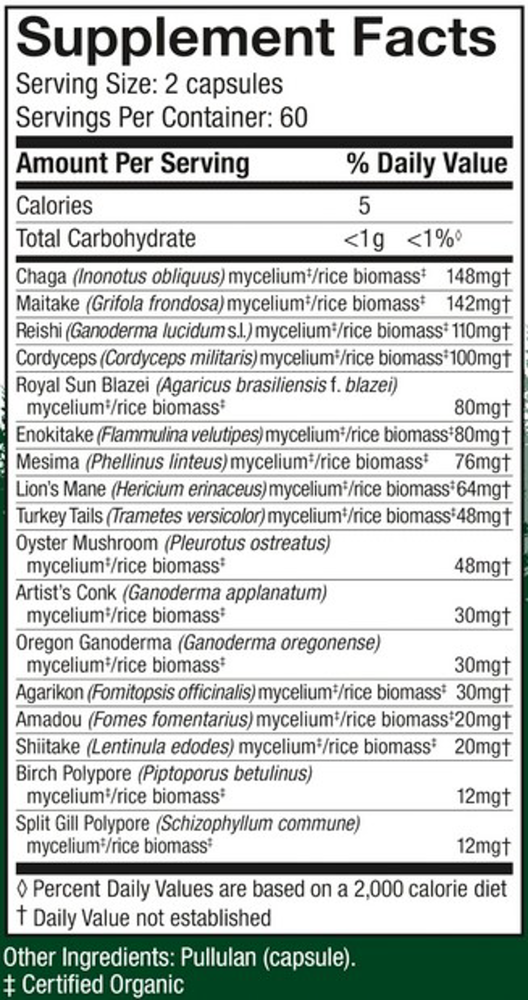
Host Defense
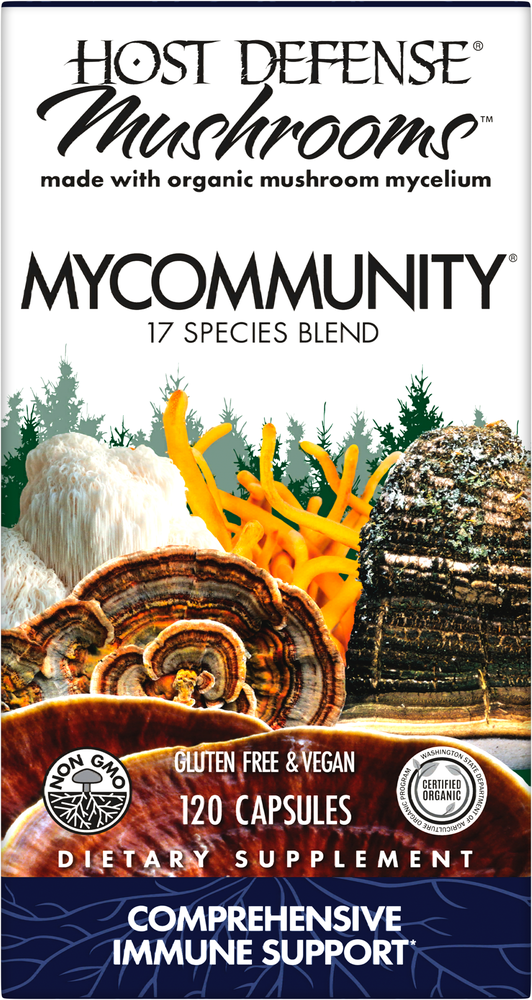
Mycommunity by Host Defense
120 capsules · 60-day supply
Comprehensive Mushroom Blend for Immune and Overall Wellness Support$71.99
This item is currently out of stockGet notified when this item is back in stock
Practitioner-grade brand3rd-party testedFree shipping $50+
Vegan·Vegetarian·Gluten Free
Host Defense Mycommunity overview
If you’re looking for mushroom immune support that’s practical for daily use, this 17-species blend fits adults who catch frequent colds during travel or winter, or who want steady upkeep rather than a quick hit. It’s a reasonable add-on if your Vitamin D, 25-Hydroxy is in the lower range and you’re already fixing sleep and nutrition. Expect subtle shifts, not drug-like effects, and look for changes in how often you get sick over a season rather than in a week.
Most benefits come from beta-glucans, the complex fibers in mushrooms that “prime” innate immune cells like macrophages and natural killer cells (front-line white blood cells). Mycelium, the growth stage used here, also makes extracellular compounds that can shape the gut microbiome, which is tied to immune tone. In human trials, select species such as reishi and turkey tail modestly shift inflammation markers like hs-CRP (a blood test of systemic inflammation) in some responders, but effects are generally mild and build with steady intake.
Take two capsules once daily, with or without food, and stay consistent for 4 to 8 weeks to judge effect. If you’re aiming for seasonal coverage, start a month before high-exposure periods. Pairing with correction of low Vitamin D, 25-Hydroxy usually matters more than increasing mushroom dose. For acute illness, this isn’t fast-acting; think maintenance. If you’re very sensitive to fiber, start with one capsule for a week to reduce GI upset.
Avoid if you’re on immunosuppressive therapy after transplant or for autoimmune disease unless your specialist agrees, because immune-priming is the point. Use caution with anticoagulants or antiplatelet drugs, as reishi has case reports of easy bruising—monitor for bleeding. Skip if you have a known mushroom allergy. Pregnancy and breastfeeding: safety data are limited, so avoid. For cancer care, do not self-medicate; any mushroom use should be coordinated with your oncology team.
Frequently asked questions
Do mushroom supplements really help the immune system?
They can modestly prime innate immunity via beta-glucans. In practice, people notice fewer or shorter colds over a season, not immediate effects. Results vary, and basics like sleep, hand hygiene, and correcting low Vitamin D, 25-Hydroxy usually move the needle more.
How long does a mushroom immune supplement take to work?
Give it 4 to 8 weeks of daily use. Immune changes are gradual and easiest to judge over a full season or during a travel period. If nothing changes after two months of consistent use, it’s reasonable to reassess.
Is mycelium or fruiting body better in mushroom supplements?
Both provide beta-glucans; mycelium also contains extracellular compounds made during growth that may affect the gut-immune axis. Data comparing them head-to-head are limited, and total beta-glucan content and steady use likely matter more than the part used.
Can I take mushroom supplements with autoimmune disease?
Use caution. These products aim to nudge immune activity, which some autoimmune patients want to avoid. If you’re on immunosuppressants or biologics, involve your rheumatologist before starting.
Do mushrooms thin your blood like fish oil or aspirin?
Not reliably, but reishi has occasional reports of increased bruising. If you take warfarin, DOACs, aspirin, or clopidogrel, avoid unsupervised stacking and watch for bleeding, nosebleeds, or black stools.
What side effects should I watch for with mushroom blends?
Most people tolerate them, but mild gas, loose stools, or nausea can occur, especially at first. Allergic reactions to mushrooms are possible—stop and seek care for rash, swelling, or trouble breathing.
Should I take mushroom supplements in the morning or at night?
Timing is flexible. Take them when you’ll remember daily. If you notice mild stomach upset on an empty stomach, take with food. If you feel stimulated, move the dose earlier in the day.
How to take it & ingredients
Suggested use: Take 2 capsules once per day, with or without food, or as recommended by your healthcare advisor.
Active ingredients
2 capsules per serving · 60 servings
Chaga mycelium (Inonotus obliquus)
148 mg
Maitake mycelium (Grifola frondosa)
142 mg
Reishi mycelium (Ganoderma lucidum var. resinaceum)
110 mg
Cordyceps mycelium (Cordyceps sinensis s.l.)
100 mg
Royal Sun Blazei mycelium (Agaricus brasiliensis f. blazei)
80 mg
Enokitake mycelium (Flammulina velutipes)
80 mg
Mesima mycelium (Phellinus linteus)
76 mg
Lion's Mane mycelium (Hericium erinaceus)
64 mg
Turkey Tail mycelium (Trametes versicolor)
48 mg
Oyster Mushroom (Pleurotus ostreatus)
48 mg
Artist's Conk mycelium (Ganoderma applanatum)
30 mg
Oregon Ganoderma (Ganoderma oregonense)
30 mg
Agarikon mycelium (Fomitopsis officinalis)
30 mg
Amadou mycelium (Fomes fomentarius)
20 mg
Shiitake mycelium (Lentinula edodes)
20 mg
Birch Polypore mycelium (Piptoporus betulinus)
12 mg
Split Gill Polypore mycelium (Schizophyllum commune)
12 mg
Other ingredients: Dried myceliated brown rice, Pullulan (capsule)
Certifications
Benefits
Warnings