 Instalab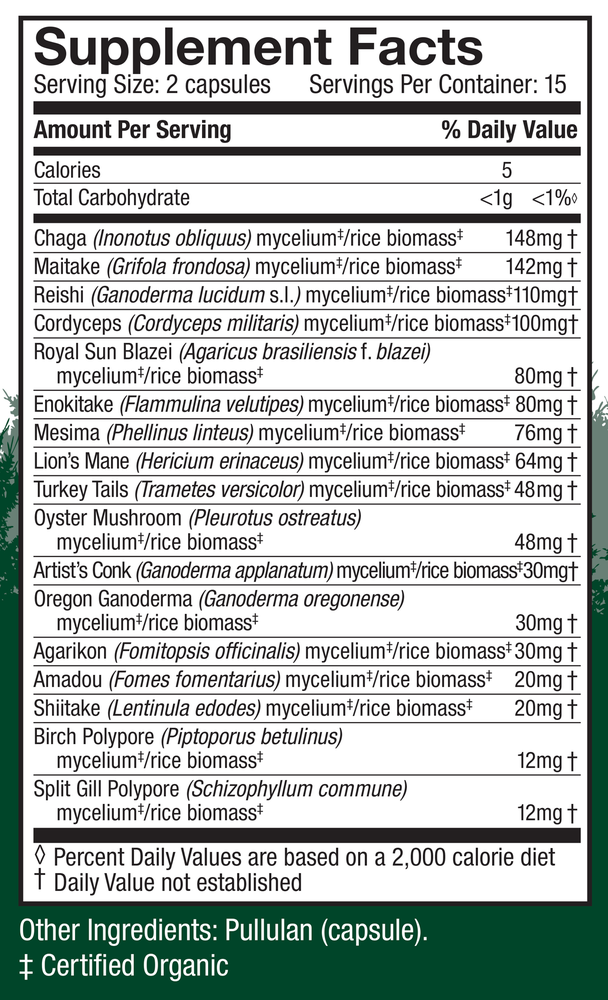
Host Defense
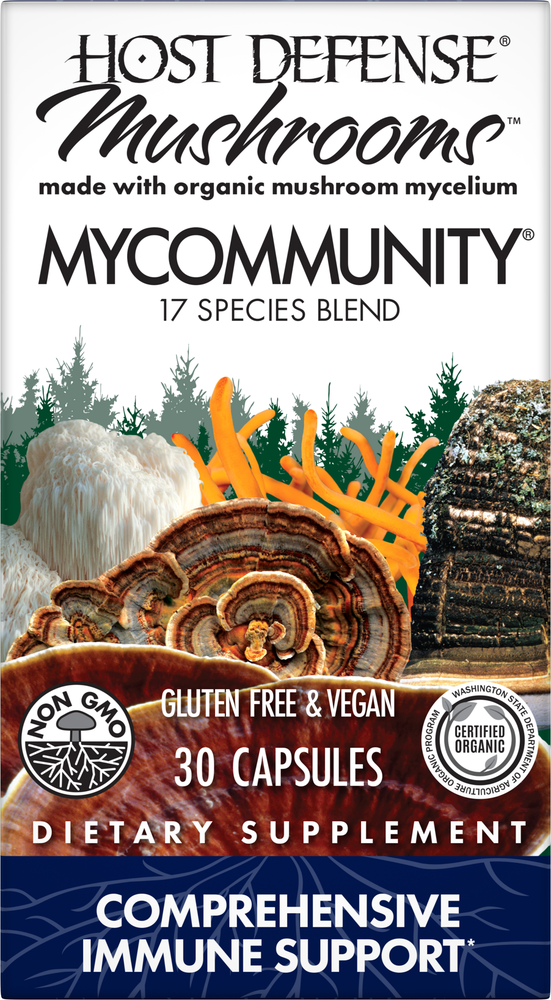
Mycommunity by Host Defense
30 capsules · 15-day supply
A Comprehensive Blend of Medicinal Mushrooms for Immune and Vitality Support$XX.XX$20.99retail
This item is currently out of stockGet notified when this item is back in stock
19% below MSRP3rd-party tested for purity & potencyFree shipping $50+
Vegan·Vegetarian·Gluten Free
Host Defense Mycommunity overview
If you’re searching for a mushroom supplement for immune system resilience during high-stress months or frequent travel, this multi-species blend fits. It’s a practical pick if you get sick more than your peers, your sleep is erratic, or your diet is light on fiber. It also appeals to athletes with heavy training loads, where overreaching can raise illness risk. Track basics while you use it: hs-CRP (an inflammation marker) and a CBC (complete blood count) give objective context over time.
Medicinal mushrooms are rich in beta-glucans (complex fibers from fungal cell walls) that engage receptors on innate immune cells like macrophages and natural killer cells (front-line defenders), improving recognition without overstimulating. Species here add distinct compounds: reishi triterpenes can calm histamine-driven overreactions, cordyceps supports cellular energy output, and chaga polyphenols act as antioxidants. In practice, blends like Host Defense MyCommunity aim for steadier, more coordinated responses rather than a short-lived spike.
Take 2 capsules once daily, with or without food. Start 2 to 4 weeks before your high-exposure period and continue through the season; most people judge effects within 2 to 6 weeks. Morning is convenient, but consistency matters more than timing. Pairing with Vitamin D, 25-Hydroxy repletion if your level is low is reasonable, since D status influences immune tone. If you need a higher total beta-glucan intake, single-species add-ons (e.g., extra turkey tail or reishi) are more targeted.
Avoid a mushroom supplement if you’re on immunosuppressants (post-transplant drugs, high-dose steroids, biologics) unless your specialist agrees. Reishi can have mild antiplatelet effects, so use caution with anticoagulants or antiplatelet drugs and pause 1 to 2 weeks before surgery. If you have an autoimmune flare history, introduce slowly and monitor symptoms. Diabetes medications can run lower with maitake-containing formulas; watch glucose. Pregnancy and breastfeeding: data are limited, so skip unless your clinician is on board.
Does mycelium matter? Mycelium (the root-like growth phase) and fruiting bodies both contain beta-glucans, but they differ in profile; blends use both to widen the net of immune-active compounds. Can you take it year-round? Yes, though many people pulse it around high-exposure periods. If you’re curious whether it’s doing anything, follow hs-CRP and keep a simple illness diary for 2 to 3 months.
Frequently asked questions
Do mushroom supplements actually help prevent colds?
They can reduce sick days for some people, mainly by improving immune coordination, but effects are modest and not guaranteed. Sleep, Vitamin D, and hand hygiene move the needle more. Track over 2–3 months to see if your personal rate changes.
How long does a mushroom supplement take to work?
Most users judge it within 2–6 weeks. Immune effects build gradually as beta-glucans interact with innate immune cells. Start before your high-exposure period rather than after you’re already sick.
Can I take medicinal mushrooms with blood thinners?
Use caution. Reishi and related species have mild antiplatelet effects. If you take warfarin, DOACs (blood thinners), or daily aspirin, speak with your clinician and monitor for easy bruising or nosebleeds. Stop before surgery.
Are there side effects from mushroom supplements?
They’re generally well tolerated. Possible effects include mild digestive upset, dry mouth, or rash in those with mushroom sensitivities. If you notice tingling, dizziness, or hives, stop and reassess with a clinician.
Is mycelium as good as fruiting body in mushroom supplements?
They’re different, not better or worse. Mycelium provides distinct polysaccharides and enzymes; fruiting bodies often have higher beta-glucan density. A blend aims to capture both families of compounds.
Can people with autoimmune conditions take mushroom blends?
Sometimes, but proceed slowly. These products modulate innate immunity, which can be helpful or aggravating depending on the condition. Start with a low dose, monitor symptoms, and involve your rheumatologist if you’re on immune-active drugs.
Will a mushroom supplement affect my blood sugar?
Maitake and related species can modestly lower glucose in some users. If you use insulin or oral diabetes meds, track readings closely when you start to avoid lows, and discuss dose adjustments with your clinician.
How to take it & ingredients
Suggested use: Take 2 capsules once per day, with or without food, or as recommended by your healthcare advisor.
Active ingredients
2 capsules per serving · 15 servings
Chaga mycelium (Inonotus obliquus)
148 mg
Maitake mycelium (Grifola frondosa)
142 mg
Reishi mycelium (Ganoderma lucidum var. resinaceum)
110 mg
Cordyceps mycelium (Cordyceps sinensis s.l.)
100 mg
Royal Sun Blazei mycelium (Agaricus brasiliensis f. blazei)
80 mg
Enokitake mycelium (Flammulina velutipes)
80 mg
Mesima mycelium (Phellinus linteus)
76 mg
Lion's Mane mycelium (Hericium erinaceus)
64 mg
Turkey Tail mycelium (Trametes versicolor)
48 mg
Oyster Mushroom (Pleurotus ostreatus)
48 mg
Artist's Conk mycelium (Ganoderma applanatum)
30 mg
Oregon Ganoderma (Ganoderma oregonense)
30 mg
Agarikon mycelium (Fomitopsis officinalis)
30 mg
Amadou mycelium (Fomes fomentarius)
20 mg
Shiitake mycelium (Lentinula edodes)
20 mg
Birch Polypore mycelium (Piptoporus betulinus)
12 mg
Split Gill Polypore mycelium (Schizophyllum commune)
12 mg
Other ingredients: Dried myceliated brown rice, Pullulan (capsule)
Certifications
Benefits
Warnings
Customers also considered
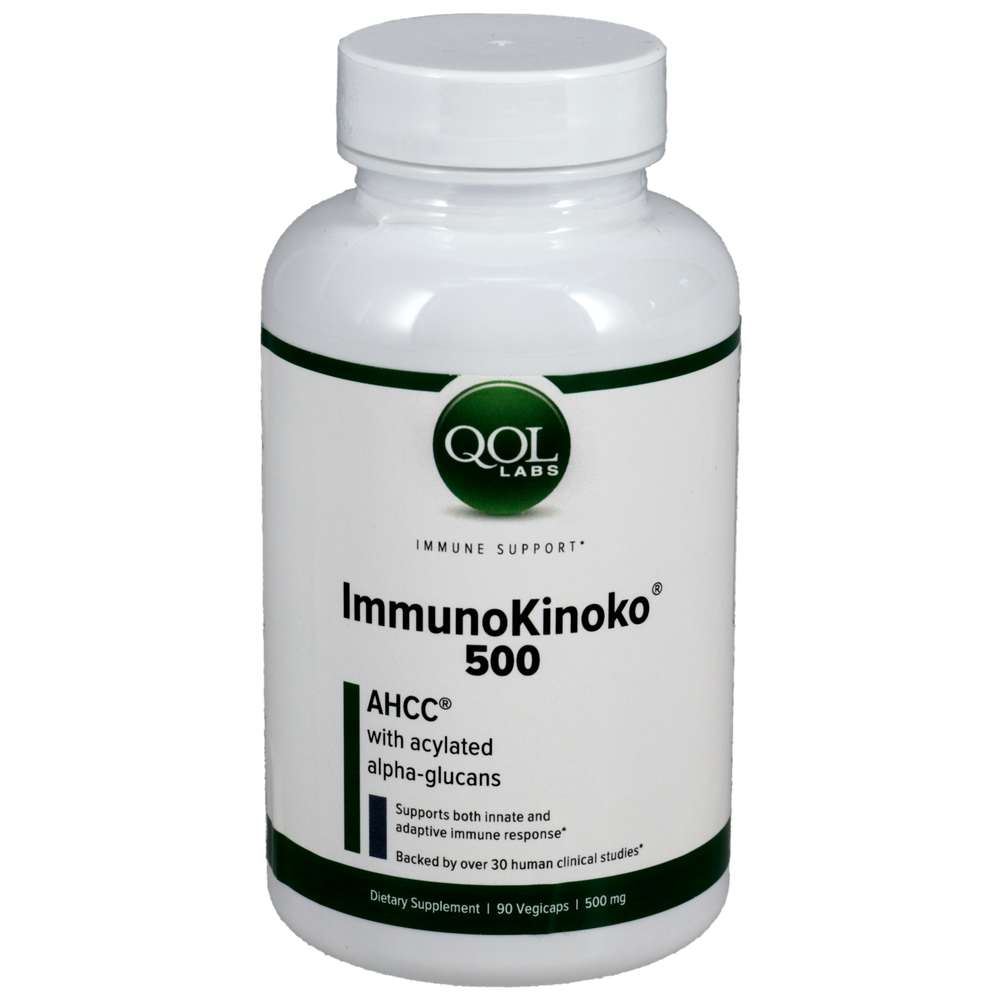
QOL Labs
ImmunoKinoko 500
90 capsules
$89.99
Add to cart for lower price
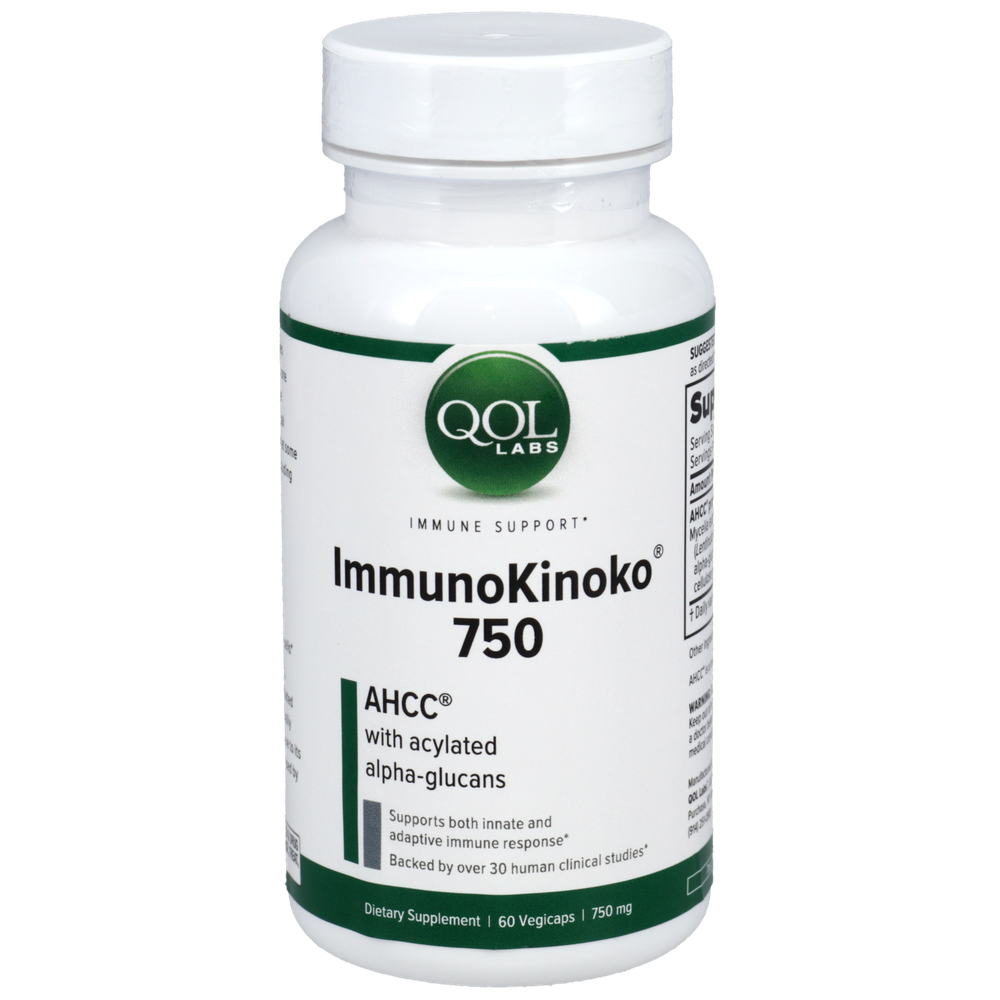
QOL Labs
ImmunoKinoko 750
60 capsules
$89.99
Add to cart for lower price
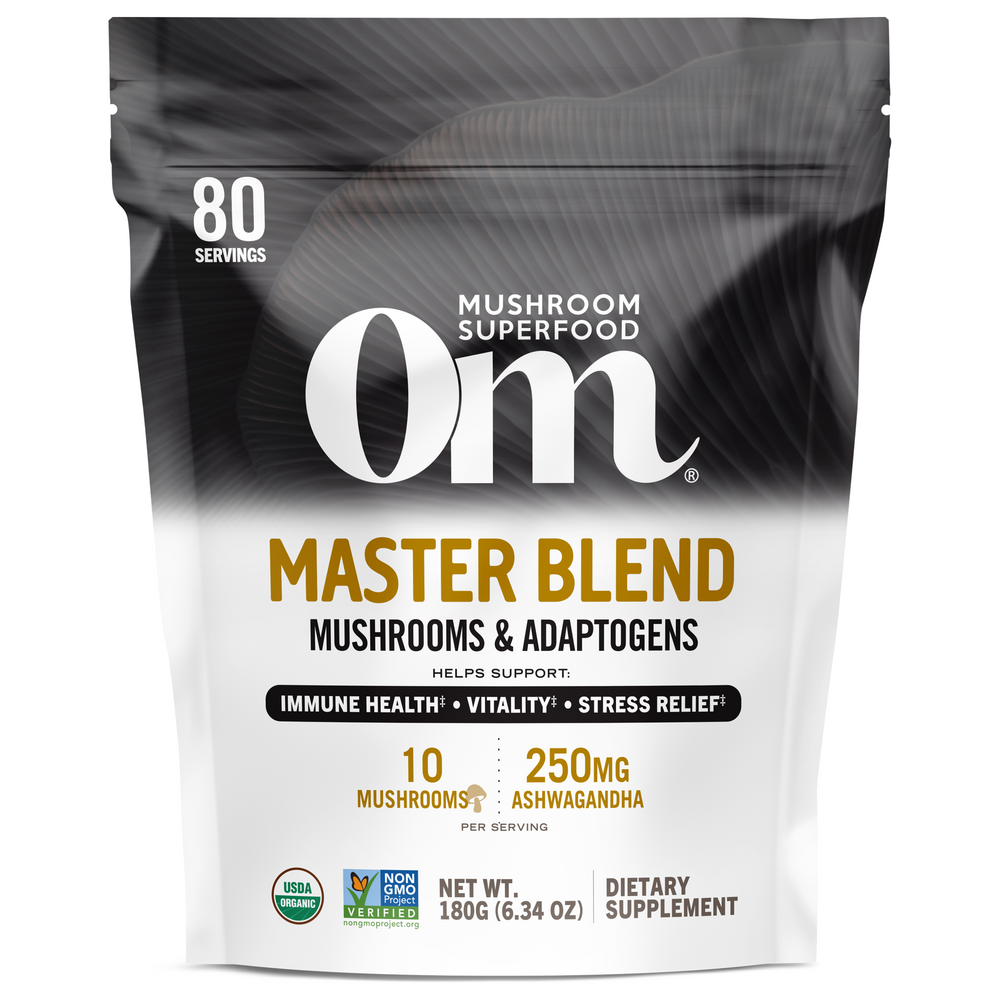
Om Organic Mushroom Nutrition
Mushroom Master Blend
180 grams
$42.99
Add to cart for lower price
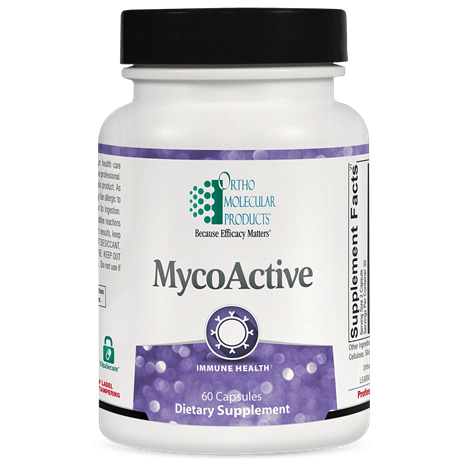
Ortho Molecular Products
MycoActive
60 capsules
$48.23
Add to cart for lower price