
 Instalab

Integrative Therapeutics
CurcuMax Pro by Integrative Therapeutics
60 tablets · 30-day supply
Curcumin Phytosome and Boswellia for Joint and Movement Support$49.99
Purchase options
Practitioner-grade brand3rd-party testedFree shipping $50+
Vegan·Soy Free·Wheat Free·Dairy Free
Integrative Therapeutics CurcuMax Pro overview
CurcuMax Pro is built for adults who want to support comfortable joints and easy movement: people who train hard, whose joints feel their age, or who want a botanical option alongside strength work and weight management. If you track hs-CRP, it offers a before-and-after marker, although it responds to many things besides a supplement. The formula is not for use during pregnancy or nursing.
The formula pairs two botanicals. Meriva is a curcumin phytosome: turmeric rhizome extract combined with phosphatidylcholine from sunflower lecithin, a pairing designed to help poorly absorbed curcuminoids cross the gut wall. Aprèsflex is a Boswellia serrata gum extract standardized for AKBA, the boswellic acid that acts on 5-lipoxygenase, an enzyme in one of the body's inflammatory pathways. A small amount of alpha-glycosyl isoquercitrin, a water-soluble relative of quercetin, completes it. Human trials of curcumin and boswellia for joint comfort are encouraging but modest and variable.
Two tablets provide 1.1 g of Meriva standardized to 18% curcuminoids, 100 mg of Aprèsflex boswellia extract standardized to 20% AKBA, and 10 mg of alpha-glycosyl isoquercitrin. The label directs adults to take 2 tablets daily with food, either together or as 1 tablet twice daily. Taking them with a meal also limits stomach upset. The label carries a vegan seal.
Curcumin has a mild antiplatelet effect, so check with your prescriber before combining this formula with warfarin, other anticoagulants or antiplatelet medicines, and tell your surgical team you take it. Curcumin also prompts the gallbladder to contract, which is why the label names gallstones and bile duct obstruction. Rare cases of liver injury have been reported with curcumin supplements, more often with enhanced-absorption products: stop and have ALT and AST checked if you notice dark urine, itching or yellowing of the skin or eyes.
Allow 4–8 weeks of daily use before judging, and stop if nothing has changed by 12 weeks. Stomach upset, nausea and loose stools are the usual side effects of both botanicals. Compared with a curcumin-only product, this one adds boswellia, which works on a different inflammatory pathway. Neither replaces strength work and a healthy weight for joint health.
Frequently asked questions
What is in CurcuMax Pro?
Each 2-tablet serving provides 1.1 g of Meriva curcumin phytosome standardized to 18% curcuminoids, 100 mg of Aprèsflex Boswellia serrata gum extract standardized to 20% AKBA, and 10 mg of alpha-glycosyl isoquercitrin from Sophora japonica flower and buds.
What is Meriva curcumin phytosome?
Meriva is turmeric (Curcuma longa) rhizome extract combined with phosphatidylcholine from sunflower lecithin. Curcuminoids on their own are poorly absorbed; pairing them with a phospholipid is designed to help them cross the gut wall. It is standardized to 18% curcuminoids.
How do I take CurcuMax Pro?
The label directs adults to take 2 tablets daily with food. You can take both together or 1 tablet twice daily, or follow your healthcare professional's recommendation. A bottle of 60 tablets holds 30 servings.
How long does CurcuMax Pro take to work?
Allow 4–8 weeks of steady daily use before judging any change in joint comfort or ease of movement. If nothing has changed by 12 weeks, it is reasonable to stop. If you track hs-CRP, recheck it at about the same point.
Can I take CurcuMax Pro with blood thinners?
Check with your prescriber first. Curcumin has a mild antiplatelet effect and may add to warfarin, other anticoagulants, aspirin or clopidogrel. The label says to consult a healthcare professional if you take prescription drugs. Tell your surgical team you take it.
Who should not take CurcuMax Pro?
The label says not to take it if you are pregnant or nursing. If you have gallstones or a bile duct obstruction, or take prescription drugs, it says to consult a healthcare professional before use. People with a liver condition should also ask their clinician first.
What does boswellia add to curcumin?
Boswellia serrata supplies boswellic acids. AKBA, the one this extract is standardized for, acts on 5-lipoxygenase, an enzyme in a different inflammatory pathway from those curcumin mainly affects. The pairing is common in joint formulas, though trials of the combination are limited.
What are the side effects of curcumin and boswellia?
Most people tolerate them well. Stomach upset, nausea, heartburn and loose stools are the usual complaints, and taking the tablets with food helps. Rare liver injury has been reported with curcumin supplements: stop and seek advice if you notice dark urine or yellowing eyes.
How to take it & ingredients
Suggested use: Adults take 2 tablets daily with food. Can be taken as 1 tablet twice daily, or as recommended by a healthcare professional.
Active ingredients
2 tablets per serving · 30 servings
Curcumin Phytosome
Meriva® (Curcuma longa Rhizome Extract, with phosphatidylcholine [from sunflower lecithin]) standardized to 18% curcuminoids
Meriva® (Curcuma longa Rhizome Extract, with phosphatidylcholine [from sunflower lecithin]) standardized to 18% curcuminoids
1.1 g
Indian Frankincense extract
Aprèsflex® Boswellia serrata Gum Extract standardized to 20% 3-O-acetyl-11-keto-beta-boswellic acid (AKBA)
Aprèsflex® Boswellia serrata Gum Extract standardized to 20% 3-O-acetyl-11-keto-beta-boswellic acid (AKBA)
100 mg
Alpha-glycosyl Isoquercitrin
From Sophora japonica flower and buds
From Sophora japonica flower and buds
10 mg
Other ingredients: Cellulose, Sunflower lecithin, Calcium silicate, Sodium croscarmellose, Silica, Hypromellose, Glycerin
Certifications
Benefits
Warnings
Customers also considered
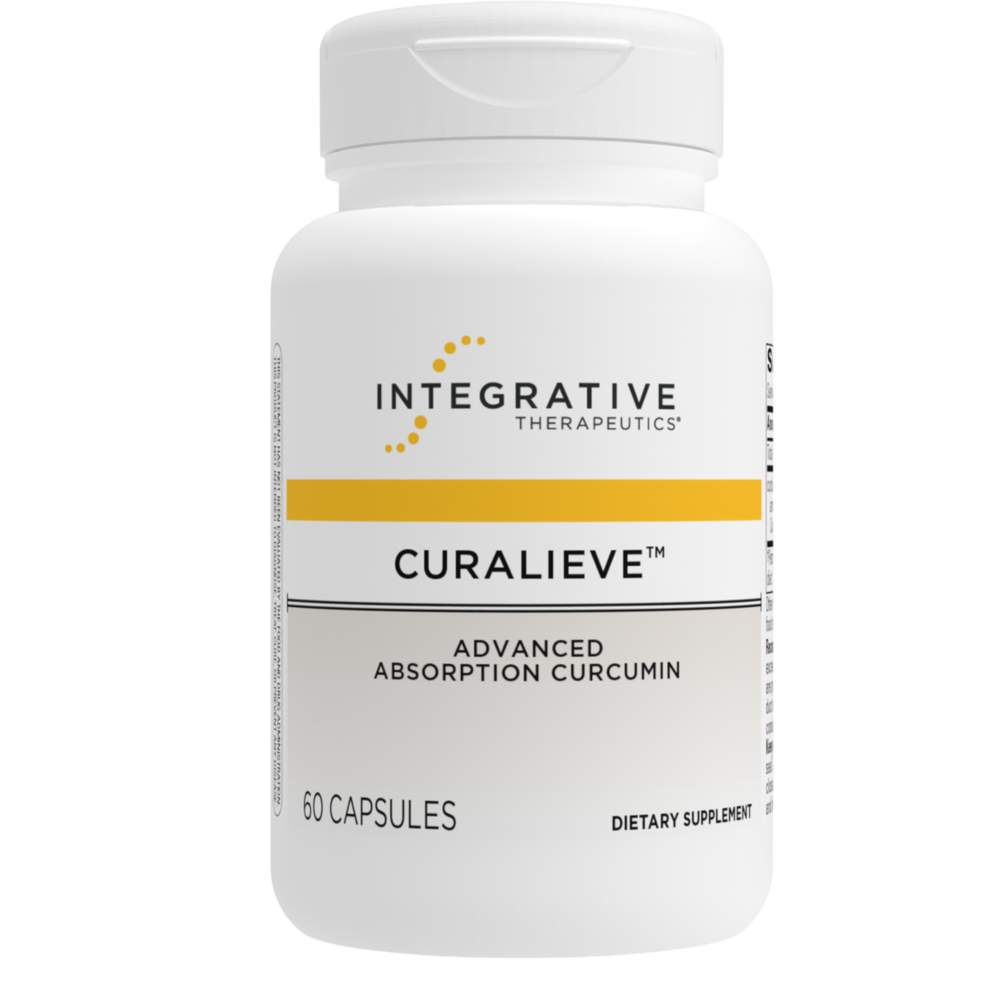
Curalieve
Integrative Therapeutics
60 capsules
$66.99$53.99 with Subscribe & Save
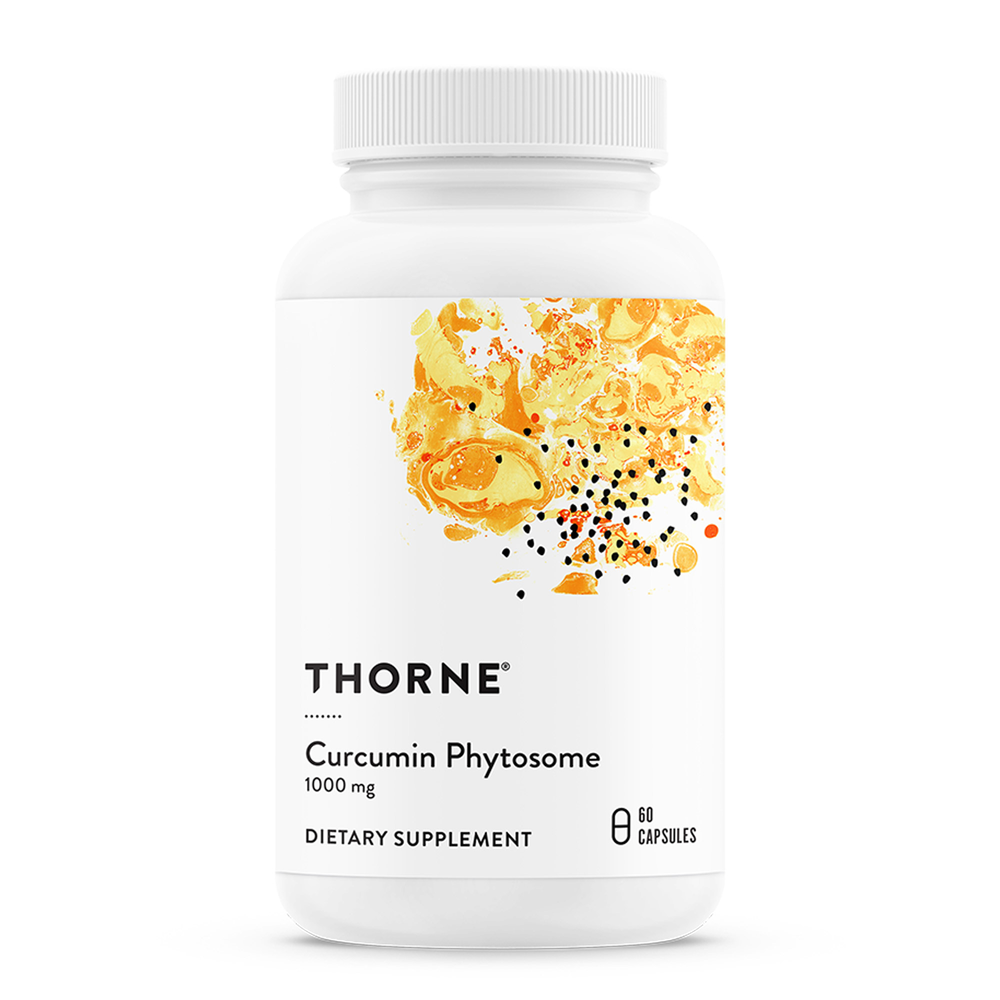
Curcumin Phytosome
Thorne
60 capsules
$36.00$32.40 with Subscribe & Save
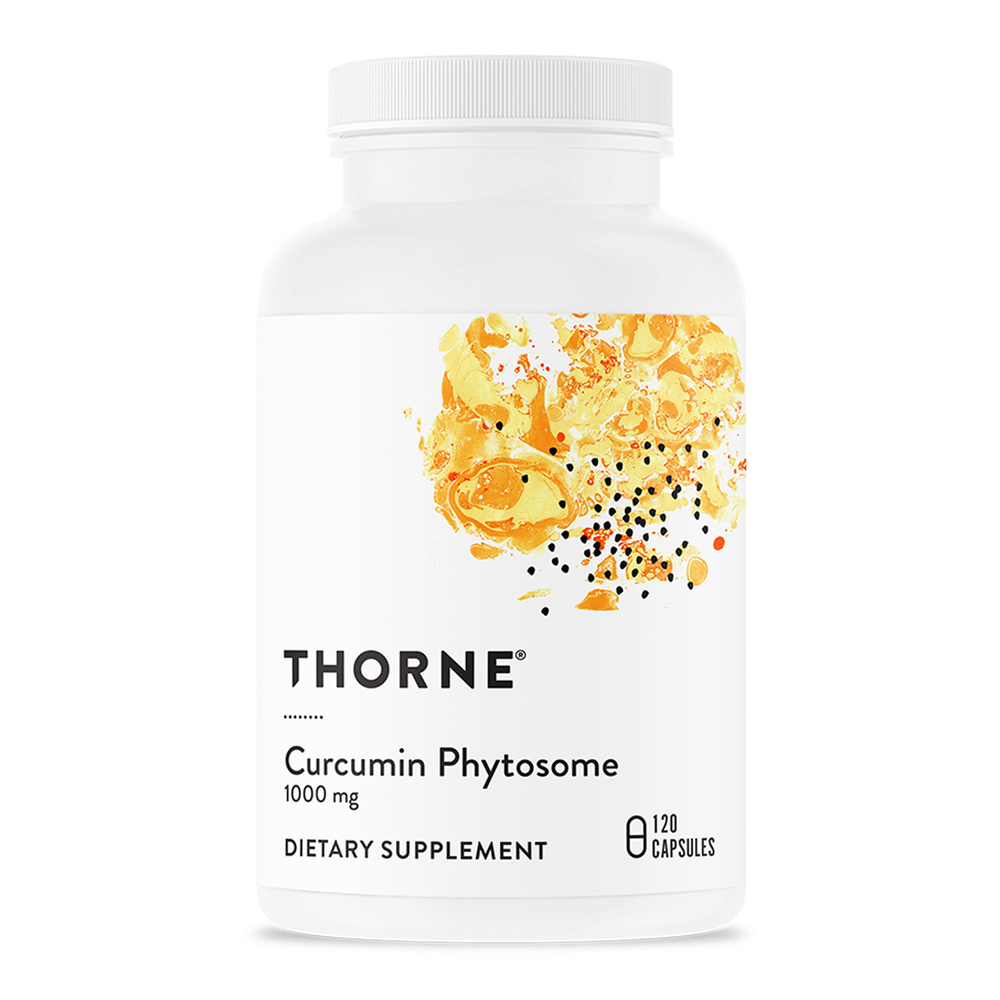
Curcumin Phytosome NSF Sport
Thorne
120 capsules
$68.00$61.20 with Subscribe & Save
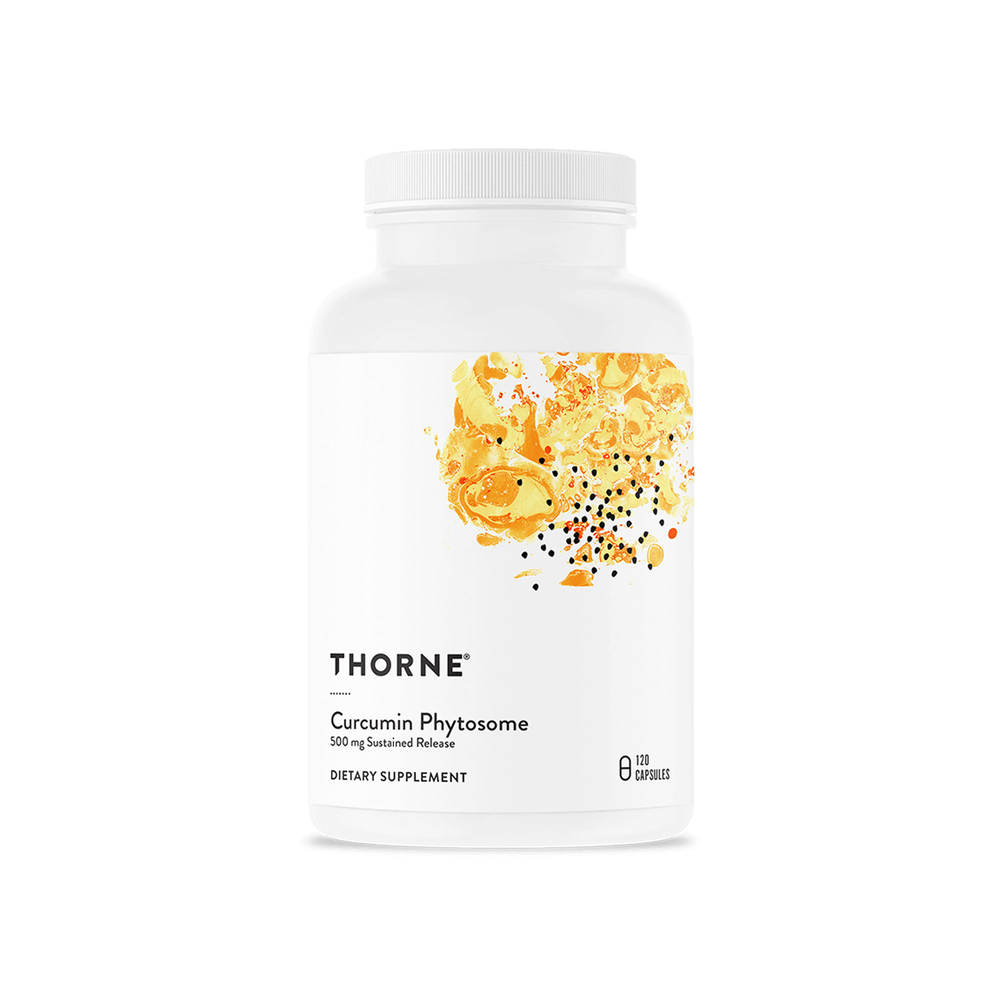
Curcumin Phytosome Sustained Released
Thorne
120 capsules
$49.00$44.10 with Subscribe & Save