Instalab


Integrative Therapeutics
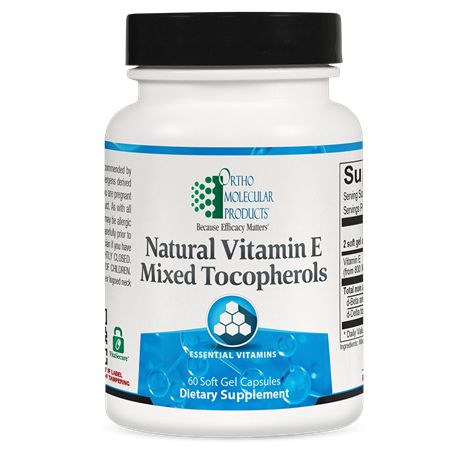
Vitamin E by Integrative Therapeutics
60 softgels · 60-day supply
Natural Vitamin E With Mixed Tocopherols for Antioxidant Support$20.99
Purchase options
Practitioner-grade brand3rd-party testedFree shipping $50+
Gluten Free·Salt Free·Wheat Free·Dairy Free·Artificial Color Free
Integrative Therapeutics Vitamin E overview
This softgel fits adults whose Vitamin E (Alpha-Tocopherol) level has tested low, or whose clinician has recommended a 400 IU dose. True deficiency is uncommon and mostly follows poor fat absorption: after bariatric surgery, with pancreatic or bile-flow problems, or on a very low-fat diet. Most people who eat nuts, seeds and vegetable oils meet their needs from food, so this is a product to take for a reason, not as a routine add-on.
Vitamin E is a family of related compounds. Each softgel provides 268 mg (400 IU) of d-alpha tocopherol, the natural form the body preferentially keeps in circulation, plus 50 mg of mixed tocopherols (gamma, delta, alpha and beta). Vitamin E is fat-soluble and sits in cell membranes, where it stops the chain reactions that damage fats. Alpha tocopherol taken alone at high doses tends to lower blood levels of gamma tocopherol, which is the reason formulas like this one include the mixed forms.
The label directs adults to swallow 1 softgel daily, or as a healthcare professional recommends. Take it with a meal that contains fat, since vitamin E absorbs poorly without it. One softgel a day is well above everyday dietary needs and below the adult upper limit of 1,000 mg a day. There is no reason to take more than the label directs.
Vitamin E at this dose has a mild blood-thinning effect. If you take warfarin or another anticoagulant, or aspirin, clopidogrel or another antiplatelet medicine, talk to your prescriber first, and ask about stopping before surgery or dental procedures. People with a bleeding disorder or low vitamin K, and anyone having chemotherapy or radiation, should also ask before taking it. If you are pregnant, nursing or taking prescription drugs, consult a healthcare professional before use.
It helps to be clear about the evidence. Large trials of vitamin E at about this dose in generally healthy adults did not show a heart benefit, and one trial in men found a small increase in prostate cancer risk. The sound uses are correcting a low level and specific situations a clinician is managing. If you are repleting, recheck Vitamin E (Alpha-Tocopherol) after 2–3 months and step down once you are in range.
Frequently asked questions
What is the difference between d-alpha and dl-alpha tocopherol?
d-alpha tocopherol is the natural form. dl-alpha is synthetic and contains a mix of molecular shapes, only some of which the body retains well. This product lists d-alpha tocopherol, 268 mg (400 IU) per softgel.
Is 400 IU of vitamin E a day safe?
It is under the adult upper limit of 1,000 mg a day. Still, long-term use at this dose is best kept for people with a reason, such as a low level. It can increase bleeding tendency, so check with your prescriber if you take blood thinners.
Can I take vitamin E with blood thinners?
Ask your prescriber first. Vitamin E at this dose can add to the effect of warfarin, other anticoagulants, aspirin and clopidogrel, raising the chance of bleeding. If you take warfarin, your INR may need closer checks after you start.
Should I take vitamin E with food?
Yes. Vitamin E is fat-soluble and needs dietary fat and bile to be absorbed. Take the softgel with a meal that includes some fat, such as eggs, avocado, nuts or olive oil. The time of day does not matter.
What are mixed tocopherols?
They are the natural forms of vitamin E found together in food: gamma, delta and beta tocopherol, along with alpha. Each softgel provides 50 mg of mixed tocopherols in addition to its 268 mg of d-alpha tocopherol.
Should I stop vitamin E before surgery?
Tell your surgeon you take it. Because vitamin E can affect clotting, many surgeons ask patients to stop it ahead of a procedure. Follow the instructions you are given instead of stopping or continuing on your own.
Who is likely to be low in vitamin E?
Deficiency is uncommon and usually tied to poor fat absorption: after bariatric surgery, or with cystic fibrosis, pancreatic insufficiency or bile-flow problems. A Vitamin E (Alpha-Tocopherol) blood test shows where you stand.
Is this vitamin E softgel vegetarian?
No. The softgel shell is gelatin. The other ingredients listed are glycerin, medium chain triglycerides and purified water. The label says it contains no salt, wheat, gluten, dairy or artificial colors; it does not say what the tocopherols are sourced from.
How to take it & ingredients
Suggested use: Adults swallow 1 softgel daily, or as recommended by a healthcare professional.
Active ingredients
1 softgel per serving · 60 servings
Vitamin E
D-alpha tocopherol
D-alpha tocopherol
268 mg, 400 IU
Mixed Tocopherols
Gamma, delta, alpha, and beta
Gamma, delta, alpha, and beta
50 mg
Other ingredients: Gelatin, Glycerin, Medium chain triglycerides, Purified water
Certifications
Benefits
Warnings