
 Instalab


Integrative Therapeutics
Zinc Chelate 30mg by Integrative Therapeutics
100 capsules · 100-day supply
Well-Absorbed Zinc Bisglycinate for Immune and Skin Support$9.99
Purchase options
Practitioner-grade brand3rd-party testedFree shipping $50+
Gluten Free·Soy Free·Wheat Free·Dairy Free·Artificial Color Free·Artificial Flavor Free·
Integrative Therapeutics Zinc Chelate 30mg overview
If your Zinc level has tested low or low-normal, a 30 mg capsule is a common repletion dose. It also suits people whose diets run short of zinc: vegans and vegetarians (plant phytates block absorption), people with absorption problems after bariatric surgery or with inflammatory bowel conditions, heavy sweaters, and long-term users of acid-suppressing medicines. If your level is already solid, 30 mg a day is more than you need long term; a lower dose or a multivitamin covers maintenance.
Zinc bisglycinate is zinc bound to two molecules of glycine, an amino acid. The chelated form is absorbed well and tends to be easier on the stomach than zinc sulfate or oxide. Zinc itself is a cofactor for hundreds of enzymes: it supports normal immune cell function, skin repair, taste and smell, and the production of testosterone and thyroid hormone. The body has no real storage pool for it, so steady intake matters more than occasional large doses.
Each capsule provides 30 mg of zinc. The label directs adults and children 14 and older to take 1 capsule daily, preferably with food, and not to exceed that. Taking it with a meal cuts the nausea zinc can cause on an empty stomach. Coffee, high-fiber cereals and calcium or iron supplements taken at the same moment lower absorption, so give it its own meal.
The caution that matters most is copper. Zinc at this dose, taken for months, lowers copper absorption and can lead to a deficiency that shows up as anemia or low white cells. If you plan to stay on 30 mg for more than 8 to 12 weeks, check Copper and Ceruloplasmin alongside Zinc, or switch to a zinc and copper combination. Take zinc at least 2 hours apart from tetracycline or quinolone antibiotics and from penicillamine, since it binds them in the gut. If you are pregnant, nursing or on prescription medicines, check with your clinician first.
Blood levels usually respond within 4 to 8 weeks, so retest Zinc after about two months and step down once you are in range. Skin and taste changes linked to low zinc tend to improve over the same period. Zinc picolinate is another well-absorbed form; the practical choice between the two is tolerance and price. A metallic taste or nausea is a sign to take it with more food or lower the dose.
Frequently asked questions
What is zinc bisglycinate?
It is zinc bound to two glycine molecules, also called zinc chelate. The chelated form is well absorbed and is generally gentler on the stomach than zinc sulfate or zinc oxide. This product provides 30 mg of zinc per capsule.
Is 30 mg of zinc a day too much?
It is within the adult upper limit of 40 mg a day and is a common dose for bringing a low level up. For long-term maintenance most adults need far less, around 8 to 11 mg from food and supplements combined. Use 30 mg for a defined period, then retest and step down.
Should I take zinc with food?
Yes. The label says preferably with food, and a meal lowers the chance of nausea. Avoid taking it at the same moment as calcium or iron supplements, coffee or a high-fiber cereal, which all reduce how much zinc you absorb.
Does zinc lower copper?
It can. Zinc and copper compete for absorption, and 30 mg of zinc daily over several months can pull copper down. If you stay on this dose beyond 8 to 12 weeks, check Copper and Ceruloplasmin, or use a product that pairs zinc with a small amount of copper.
How long does it take to raise a low zinc level?
Most people see their Zinc level move within 4 to 8 weeks of steady daily use. Retest after about two months. If the level has not changed, the usual reasons are taking it with foods that block absorption or an absorption problem worth discussing with your clinician.
Can I take zinc with antibiotics?
Separate them. Zinc binds tetracycline and quinolone antibiotics in the gut and lowers how much of the antibiotic you absorb. Take zinc at least 2 hours before or 4 to 6 hours after the antibiotic, and confirm the timing with your pharmacist.
Is zinc chelate vegetarian?
Not this one. The capsule is gelatin, so it is not suitable for vegetarians or vegans. The other ingredients listed are cellulose and magnesium stearate.
Can teenagers take this zinc?
The label is written for adults and children 14 years of age or older, at 1 capsule a day. It is not labeled for younger children. For a teenager, check with their doctor before starting, since 30 mg is close to the upper limit for that age.
How to take it & ingredients
Suggested use: Adults and children 14 years of age or older: Take 1 capsule daily, preferably with food. Do not exceed recommended dose.
Active ingredients
1 capsule per serving · 100 servings
Zinc
Zinc Bisglycinate
Zinc Bisglycinate
30 mg
Other ingredients: Cellulose, Gelatin (capsule), Magnesium stearate
Certifications
Benefits
Warnings
Customers also considered
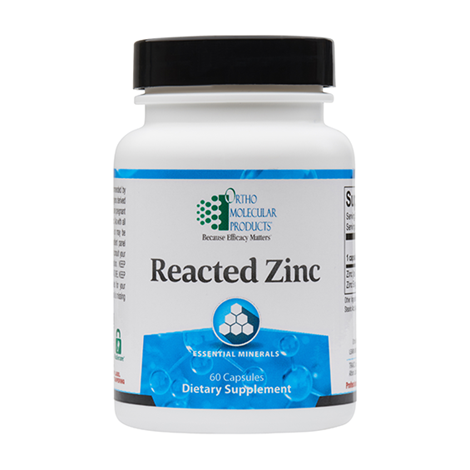
Reacted Zinc
Ortho Molecular Products
60 capsules
$32.91$29.65 with Subscribe & Save
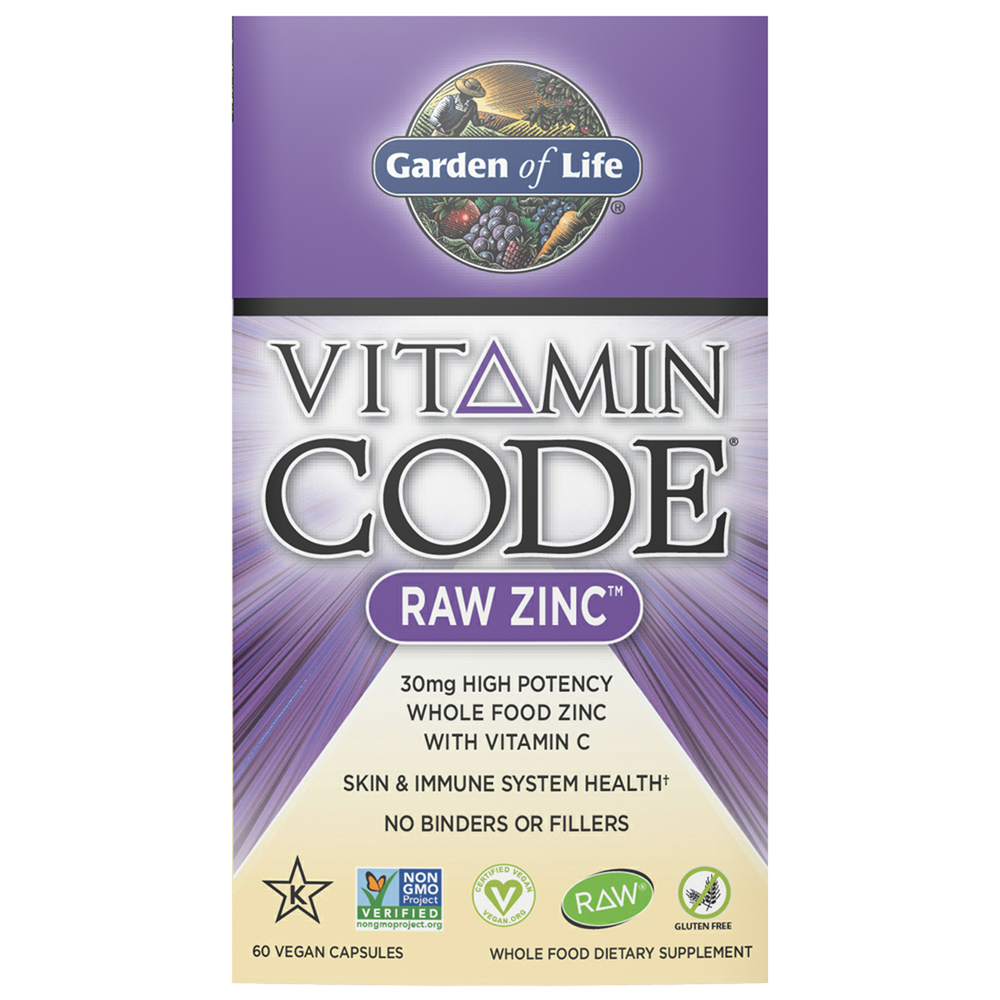
Vitamin Code Raw Zinc
Garden of Life
60 capsules
$15.99$12.99 with Subscribe & Save
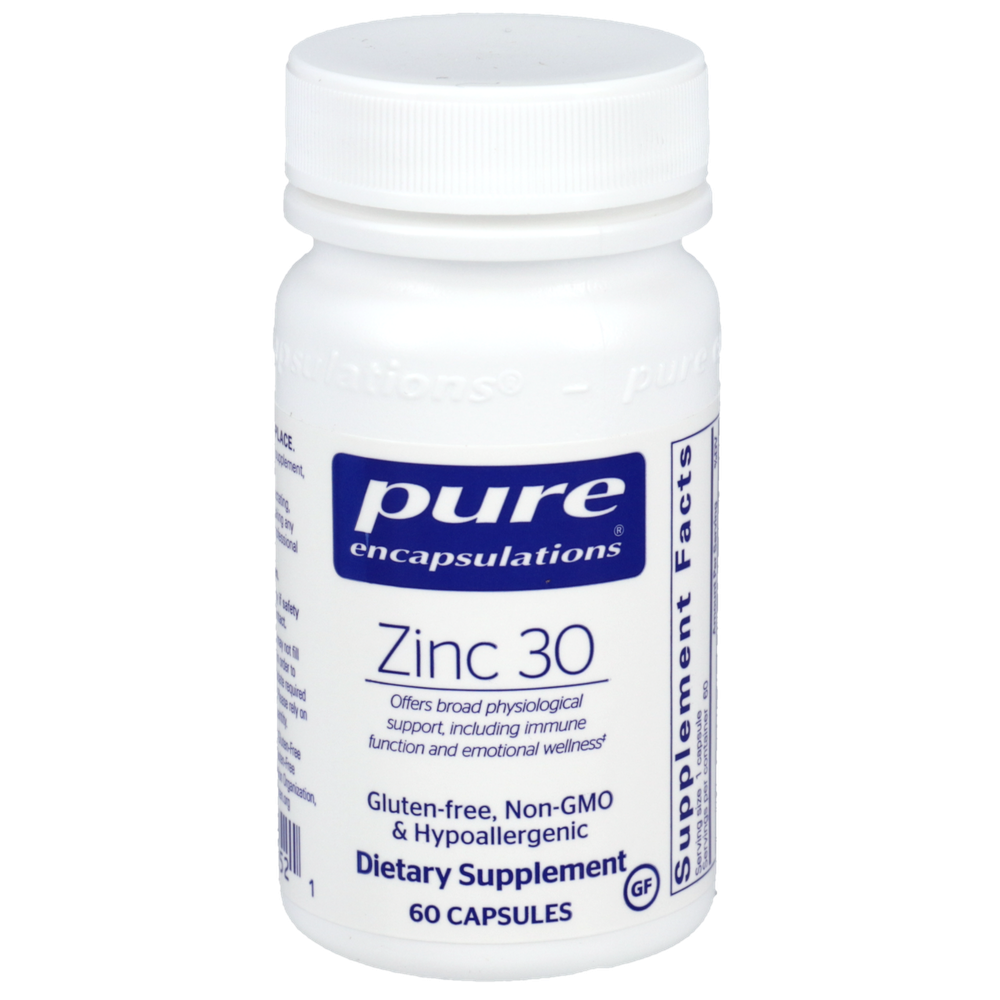
Zinc 30
Pure Encapsulations
60 capsules
$16.00$12.99 with Subscribe & Save
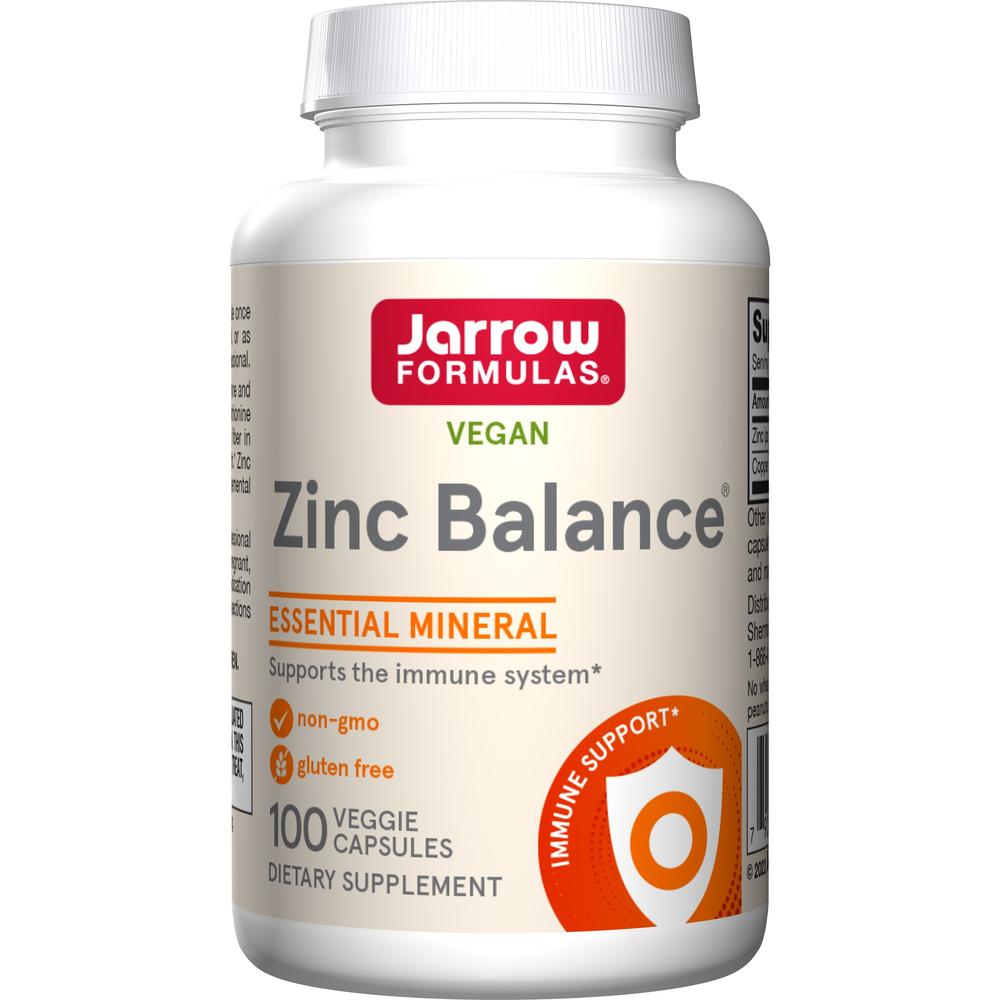
Zinc Balance
Jarrow Formulas
100 capsules
$16.99$13.99 with Subscribe & Save