 Instalab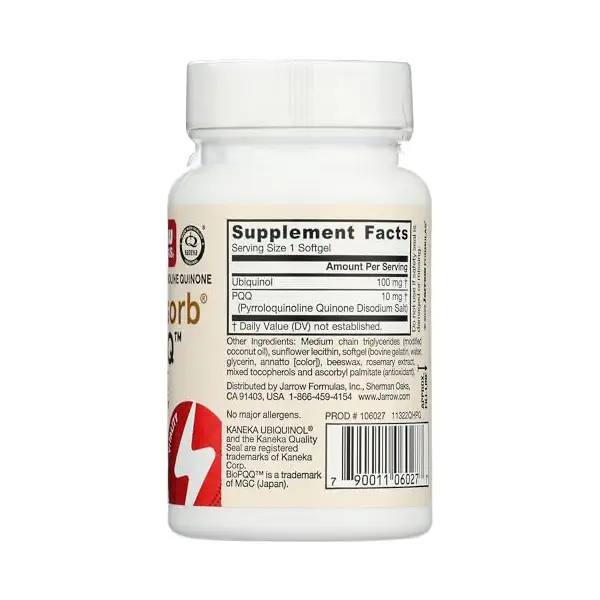

Jarrow Formulas
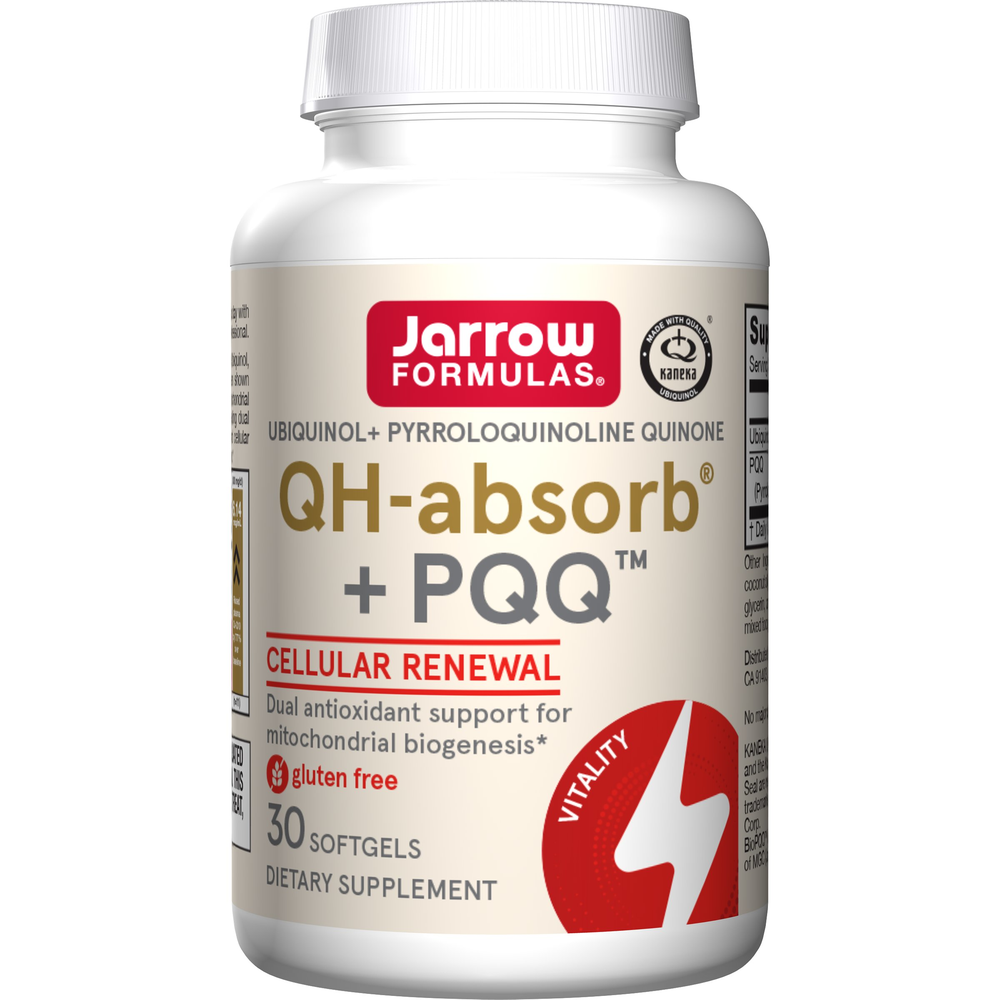
QH + PQQ by Jarrow Formulas
30 softgels · 30-day supply
Ubiquinol 100 mg with PQQ 10 mg, 30 softgels$52.99
Purchase options
Practitioner-grade brand3rd-party testedFree shipping $50+
Gluten Free·Soy Free·Dairy Free·Milk Free·Tree Nut Free·Fish Free·
Jarrow Formulas QH + PQQ overview
This 30-softgel bottle is a one-month supply at one softgel per day. It suits adults who already take a CoQ10 product and want a single daily softgel that pairs ubiquinol with PQQ. If you have not used ubiquinol before and want to confirm how you tolerate it, this 30-count is a reasonable size to start with.
Each softgel provides 100 mg of ubiquinol, the reduced form of coenzyme Q10 (this product uses Kaneka Ubiquinol, branded QH-absorb), plus 10 mg of PQQ (pyrroloquinoline quinone, supplied as the disodium salt and branded BioPQQ). Ubiquinol has been shown to be better absorbed than the oxidized ubiquinone form. The softgel shell is bovine gelatin, so this product is not vegetarian or vegan. The label states it is gluten free, non-GMO, and free of major allergens.
Take one softgel one to two times daily with a meal, ideally one that contains some fat, since coenzyme Q10 is fat-soluble and is absorbed better alongside dietary fat. Follow the dose on the label or the direction of your healthcare professional.
If you take warfarin or blood-pressure medication, are pregnant, breastfeeding, or under 18, or have a medical condition managed with prescription medication, talk with your clinician before starting and review the warnings below.
Frequently asked questions
Is this ubiquinol or ubiquinone?
Ubiquinol, the reduced form of coenzyme Q10, shown to be better absorbed than ubiquinone. Jarrow supplies it as Kaneka Ubiquinol, branded QH-absorb.
How much ubiquinol and PQQ are in each softgel?
Each softgel contains 100 mg of ubiquinol and 10 mg of PQQ (pyrroloquinoline quinone, supplied as the disodium salt and branded BioPQQ).
How many softgels are in the bottle?
30 softgels. At one softgel per day that is about a one-month supply.
How do I take it?
Take one softgel one to two times daily with a meal that contains some fat, since coenzyme Q10 is fat-soluble. Follow the label or your healthcare professional's direction.
Is it vegetarian or vegan?
No. The softgel shell is made from bovine gelatin.
Does it contain major allergens, and is it gluten free?
The label states the product is gluten free, non-GMO, and free of major allergens. Other ingredients include medium chain triglycerides (from coconut), sunflower lecithin, annatto (color), beeswax, rosemary extract, mixed tocopherols, and ascorbyl palmitate.
When should I take it?
With a meal that contains some fat, at a time of day that suits you. Many people take it earlier in the day rather than in the evening.
How to take it & ingredients
Suggested use: Take 1 softgel once or twice per day with a meal or as directed by your healthcare professional.
Active ingredients
1 softgel per serving · 30 servings
Ubiquinol
As Kaneka Ubiquinol®
As Kaneka Ubiquinol®
100 mg
Pyrroloquinoline Quinone
BioPQQ Pyrroloquinoline Quinone Disodium Salt
BioPQQ Pyrroloquinoline Quinone Disodium Salt
10 mg
Other ingredients: Medium chain triglycerides, Sunflower lecithin, Beeswax, Rosemary extract, Mixed tocopherols, Ascorbyl palmitate, Gelatin softgel (gelatin, glycerin, purified water, annatto)
Certifications
Benefits
Warnings