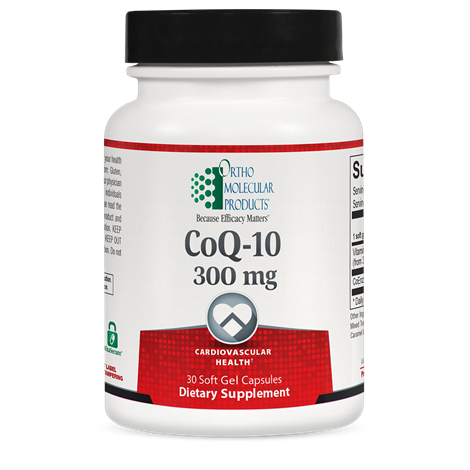
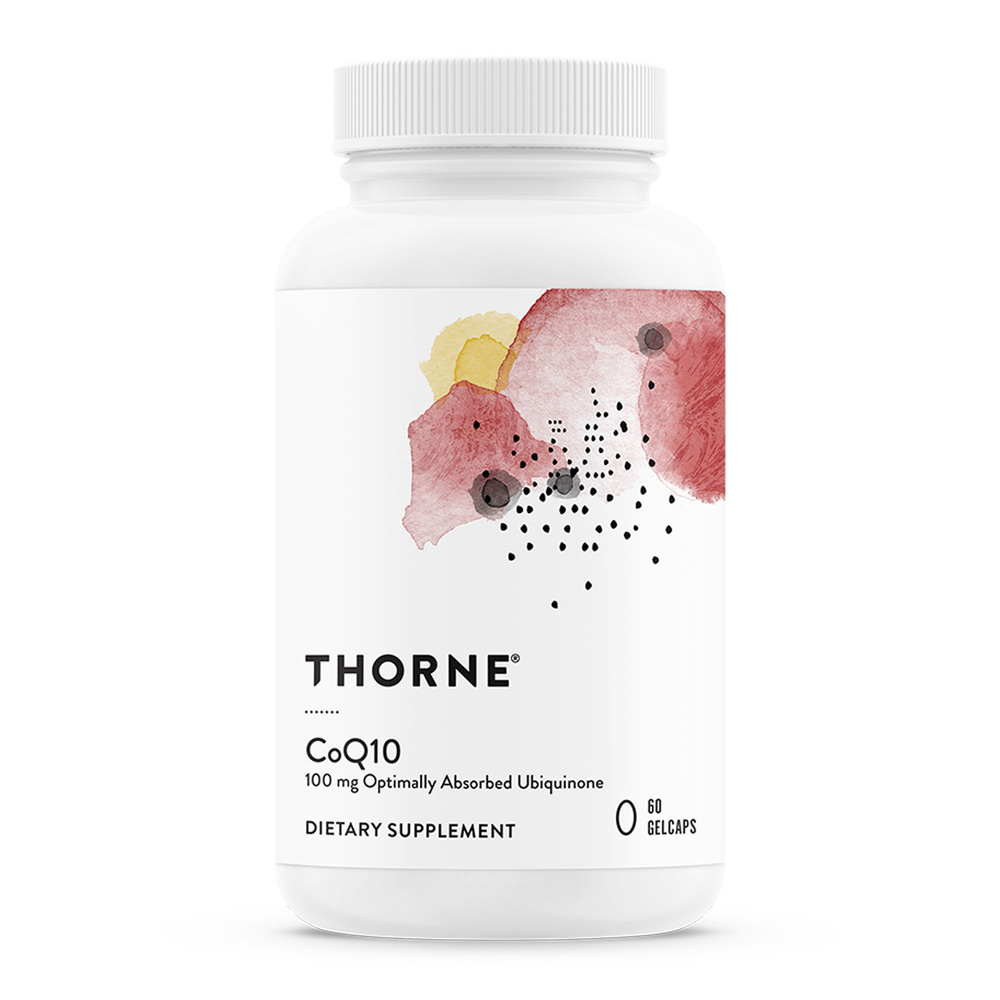
This softgel is built for adults who want a high-absorption form of CoQ10 in their daily stack. It tends to fit people over 50, anyone whose routine includes long training blocks or demanding workdays, and adults who already take a regular CoQ10 (ubiquinone) and want to try the reduced, ready-to-use form instead. One softgel covers a 200 mg daily serving, so it slots easily next to a multivitamin or omega-3.
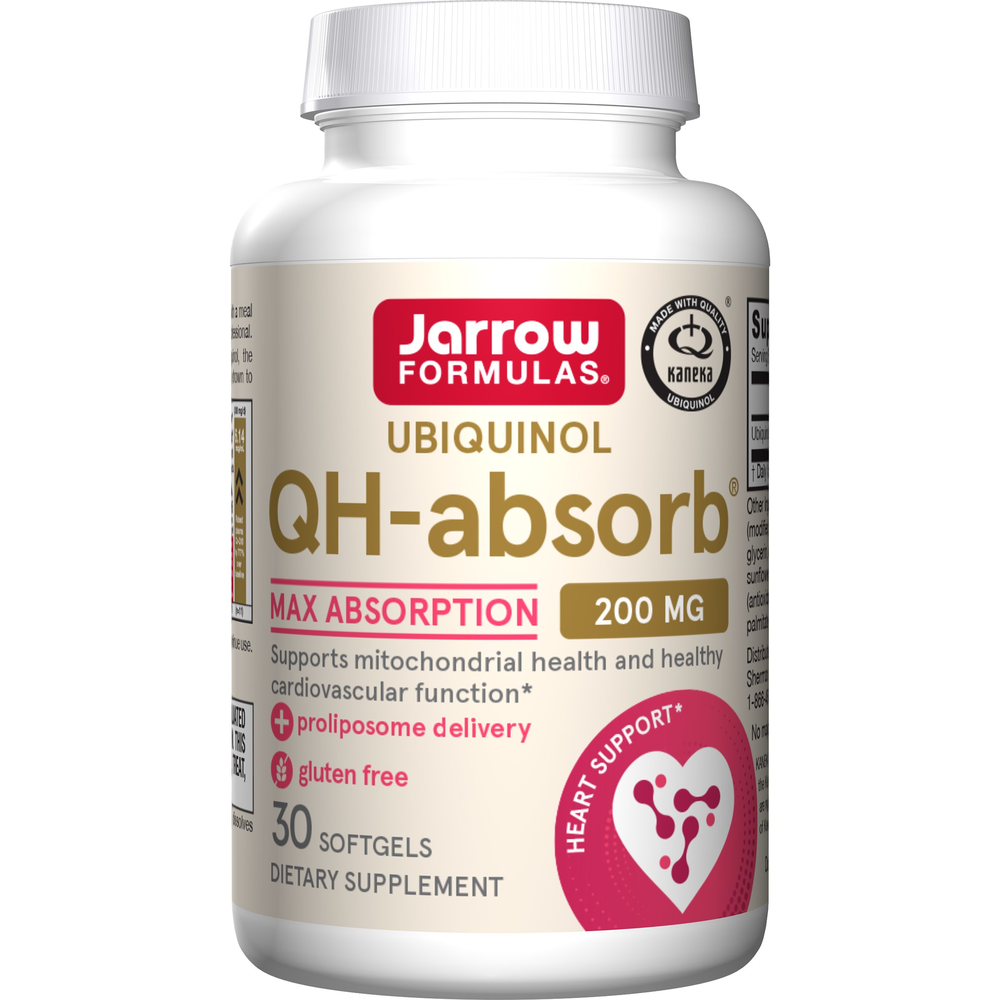
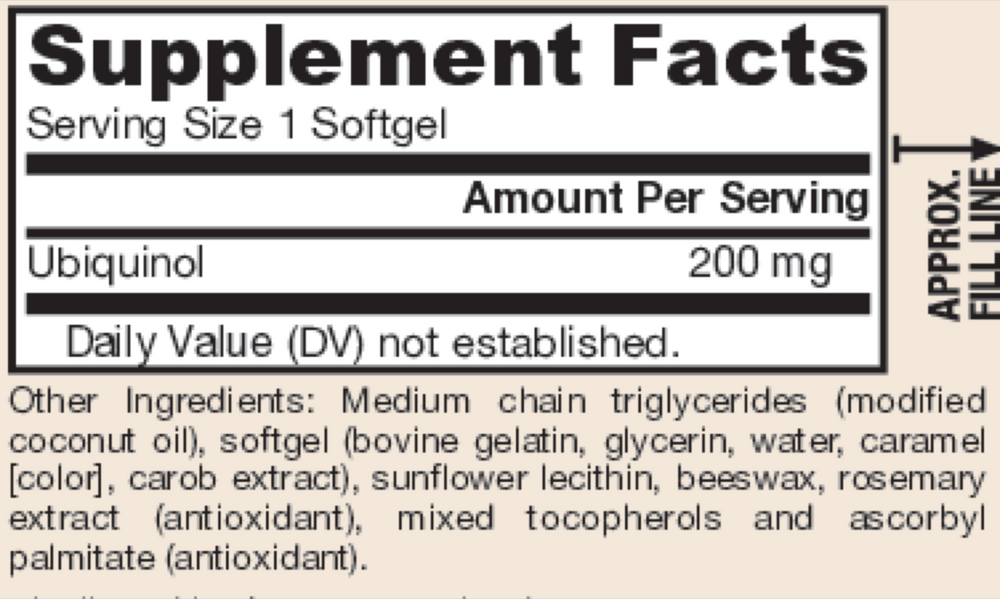
CoQ10 lives inside mitochondria, the structures in your cells that turn food into ATP, the molecule cells spend to do work. Ubiquinol is the reduced form of CoQ10 and also acts as a fat-soluble antioxidant inside cell membranes and lipoprotein particles. Jarrow's QH-absorb pairs Kaneka QH ubiquinol with a proliposome delivery system in a softgel base of medium chain triglycerides, sunflower lecithin, and mixed tocopherols, which is why it has been clinically shown to raise CoQ10 levels over baseline.
Take one softgel a day with a meal, ideally one that contains some fat (eggs, avocado, olive oil, nuts), since CoQ10 is fat-soluble and absorbs better alongside dietary lipids. Time of day is flexible; many people prefer breakfast or lunch so it sits with their largest meal. Plan on weeks rather than days before you have a clear sense of how it feels in your routine, and keep the dose consistent across that window so you can actually evaluate it.
If you take prescription medications, are pregnant or breastfeeding, or are receiving cancer treatment, talk to your clinician before starting and review the warnings below.
Both are forms of CoQ10. Ubiquinone is the oxidized form and ubiquinol is the reduced form, the one that acts as an antioxidant inside cell membranes. The body cycles between the two, but ubiquinol is the form CoQ10 is in when it is donating electrons. Jarrow uses Kaneka QH ubiquinol, which has been shown to be better absorbed than ubiquinone.
Yes. CoQ10 is fat-soluble, so absorption improves noticeably when you take the softgel with a meal that contains some dietary fat. Eggs, avocado, olive oil, nuts, or fatty fish all work well. Taking it on an empty stomach is not harmful, but absorption tends to be lower.
Time of day is flexible. Most people take it with breakfast or lunch so it lands with their largest meal of the day. If you find any supplement affects how you fall asleep, simply take it earlier rather than at dinner.
Plan on weeks, not days. CoQ10 levels build up gradually with consistent daily intake, and clinical work on this formulation looks at changes over several weeks of dosing. Keep the dose and timing consistent across that window so you can fairly evaluate how it fits your routine.
200 mg per softgel is a common daily-serving size for ubiquinol products and is what Jarrow lists as the suggested use for this formulation: one softgel a day with a meal, or as directed by your qualified healthcare professional.
Ubiquinol is generally well tolerated. The most commonly reported effects are mild and digestive (such as a slight upset stomach) and usually resolve when the softgel is taken with food. Stop use and contact your clinician if you notice any unexpected reaction.
Some prescription medications can interact with CoQ10. Review the warnings section above for specifics, and if you take any daily prescription, talk to your prescriber before adding ubiquinol so they can confirm it fits your regimen.