 Instalab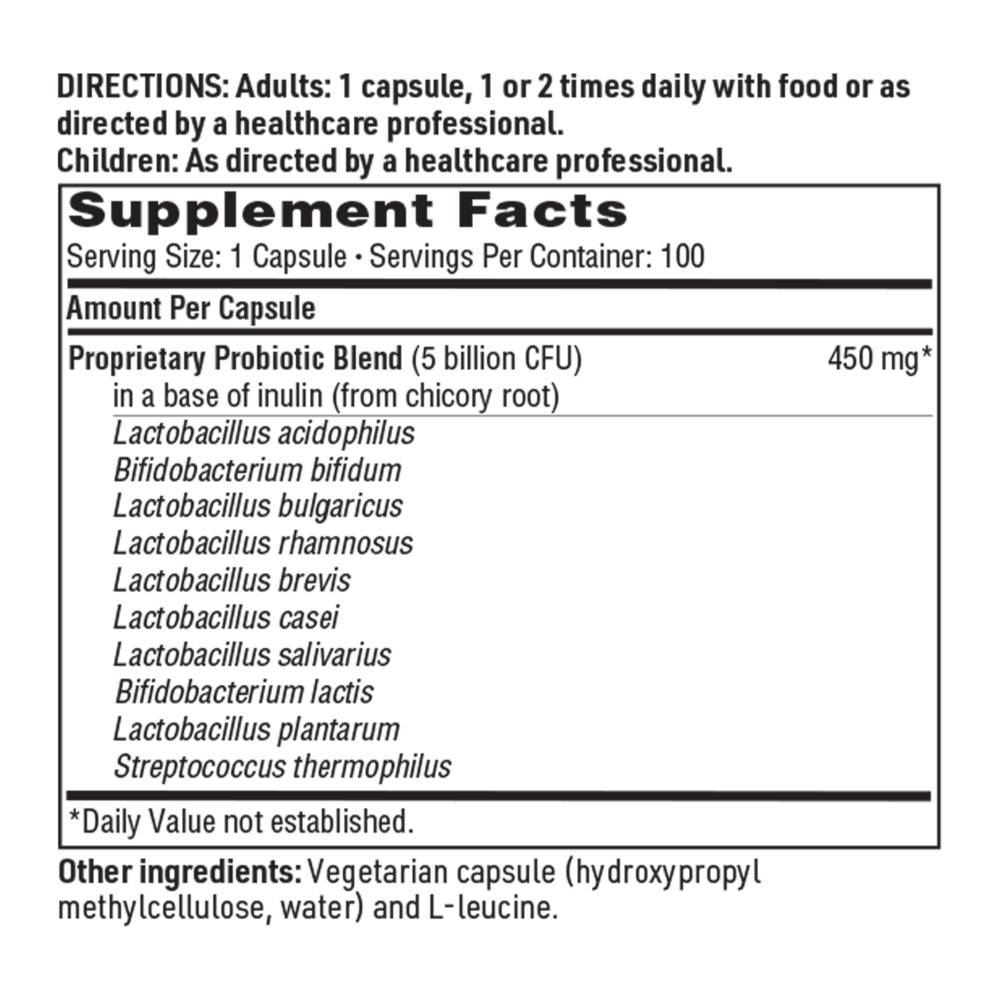

Klaire Labs/SFI Health
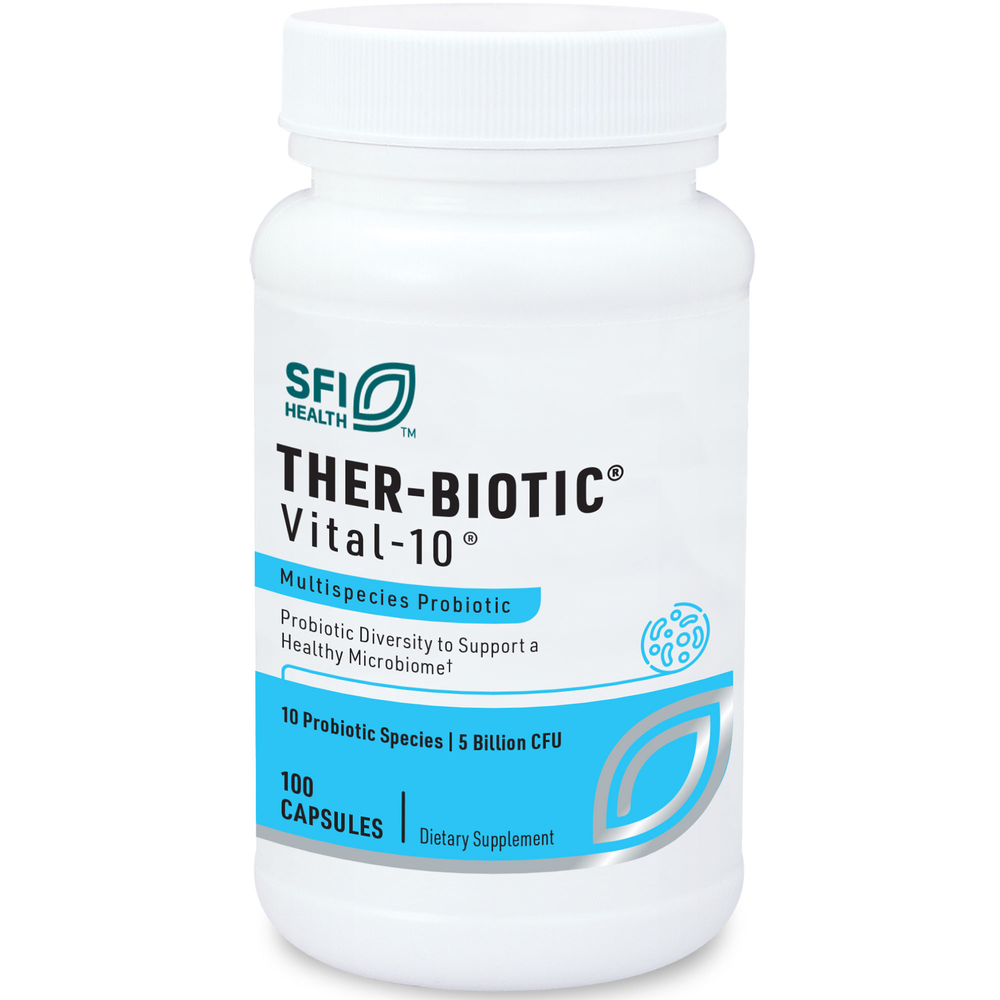
Ther-Biotic Vital-10 5 billion CFU (450 mg) by Klaire Labs/SFI Health
100 capsules · 100-day supply
Supports Digestive Health and Balanced Gut Flora$28.99
This item is currently out of stockGet notified when this item is back in stock
Practitioner-grade brand3rd-party testedFree shipping $50+
Vegetarian·Gluten Free·Soy Free·Tree Nut Free·Artificial Preservative Free·Fish Free·
Klaire Labs/SFI Health Ther-Biotic Vital-10 overview
If you want a gentle daily probiotic to steady digestion and reduce day‑to‑day bloating, this 10‑strain, 5 billion CFU blend fits. It’s useful after an antibiotic course, during travel, or if your fiber intake is inconsistent. People with irregular bowel habits often notice more predictable stools within 1 to 2 weeks. If you have frequent infections or get sick after travel, a daily probiotic can also lower the risk of antibiotic‑associated diarrhea. Those with very sharp, cramping pain or unexplained weight loss should be evaluated before using supplements.
The Lactobacillus and Bifidobacterium species in this probiotic crowd out less friendly microbes and lower gut pH (a more acidic environment most pathogens dislike). They ferment fibers to short‑chain fatty acids, fuel for colon cells that helps the gut lining seal more tightly. The inulin base is a prebiotic fiber that feeds these strains, which is why some people feel mild gas at first. In practice, that settles as the microbiome rebalances and stool form evens out.
Start with 1 capsule daily with food for a week, then increase to twice daily if you want more effect. Taking it with a meal improves survival through stomach acid. If you’re on antibiotics, separate the probiotic by at least 2 hours. Expect digestion changes within 1–2 weeks and steadier bloating over 4–8 weeks. Store as labeled to maintain potency, and be consistent rather than cycling on and off.
Skip live probiotics if you’re severely immunocompromised, have a central venous catheter, or are critically ill. If you follow a low‑FODMAP diet or react to chicory root, the inulin base can increase gas; consider a probiotic without added prebiotic. Marked bloating with upper‑abdominal discomfort can signal small intestinal bacterial overgrowth (too many bacteria in the small bowel), which needs clinician guidance rather than a general probiotic.
Frequently asked questions
How long does a probiotic take to work?
Most people notice changes in stool regularity within 1–2 weeks, with steadier bloating and comfort over 4–8 weeks. Give it daily use during that window before judging benefit.
Should I take my probiotic with food or on an empty stomach?
With food. A meal buffers stomach acid and helps more live organisms reach the intestines. Pick a consistent meal and stick with it daily.
Can I take a probiotic while on antibiotics?
Yes, but separate by at least 2 hours. This timing reduces killing the probiotic on contact and lowers the risk of antibiotic‑associated diarrhea. Continue for 1–2 weeks after finishing antibiotics.
Do probiotics cause gas or bloating at first?
They can, especially blends with inulin (a prebiotic fiber). Mild gas usually settles in a few days as your microbiome adjusts. If pain is significant, reduce to every other day or choose a no‑prebiotic formula.
Is 5 billion CFU enough?
For daily maintenance and post‑antibiotic recovery, 5 billion CFU is a reasonable starting dose. Higher CFU isn’t automatically better; consistency and strain quality matter more than the biggest number on the label.
Do I need to refrigerate my probiotic?
Follow the label. Some formulas are shelf‑stable, others keep potency longer when refrigerated. Heat and humidity are the main enemies, so store in a cool, dry place.
Is a probiotic safe during pregnancy or breastfeeding?
Generally yes for healthy adults, but discuss with your obstetric clinician. If you’ve had infections, are on immune‑suppressing drugs, or have high‑risk complications, get personalized advice first.
Can I open the capsule and mix it with food?
Usually yes. Sprinkling into a cool, soft food (like yogurt or applesauce) is fine. Avoid hot liquids, which can kill live organisms.
How to take it & ingredients
Suggested use: Adults: 1 capsule, 1 or 2 times daily with food or as directed by a healthcare professional. Children: As directed by a healthcare professional.
Active ingredients
1 capsule per serving · 100 servings
▼
Proprietary Probiotic Blend
In a base of inulin (from chicory root)
In a base of inulin (from chicory root)
5 billion CFU, 450 mg
Lactobacillus acidophilus
-
Bifidobacterium bifidum
-
Lactobacillus bulgaricus
-
Lactobacillus rhamnosus
-
Lactobacillus brevis
-
Lactobacillus casei
-
Lactobacillus salivarius
-
Bifidobacterium lactis
-
Lactobacillus plantarum
-
Streptococcus thermophilus
-
Other ingredients: Hydroxypropyl methylcellulose, Water, L-leucine
Certifications
Benefits
Warnings
Customers also considered
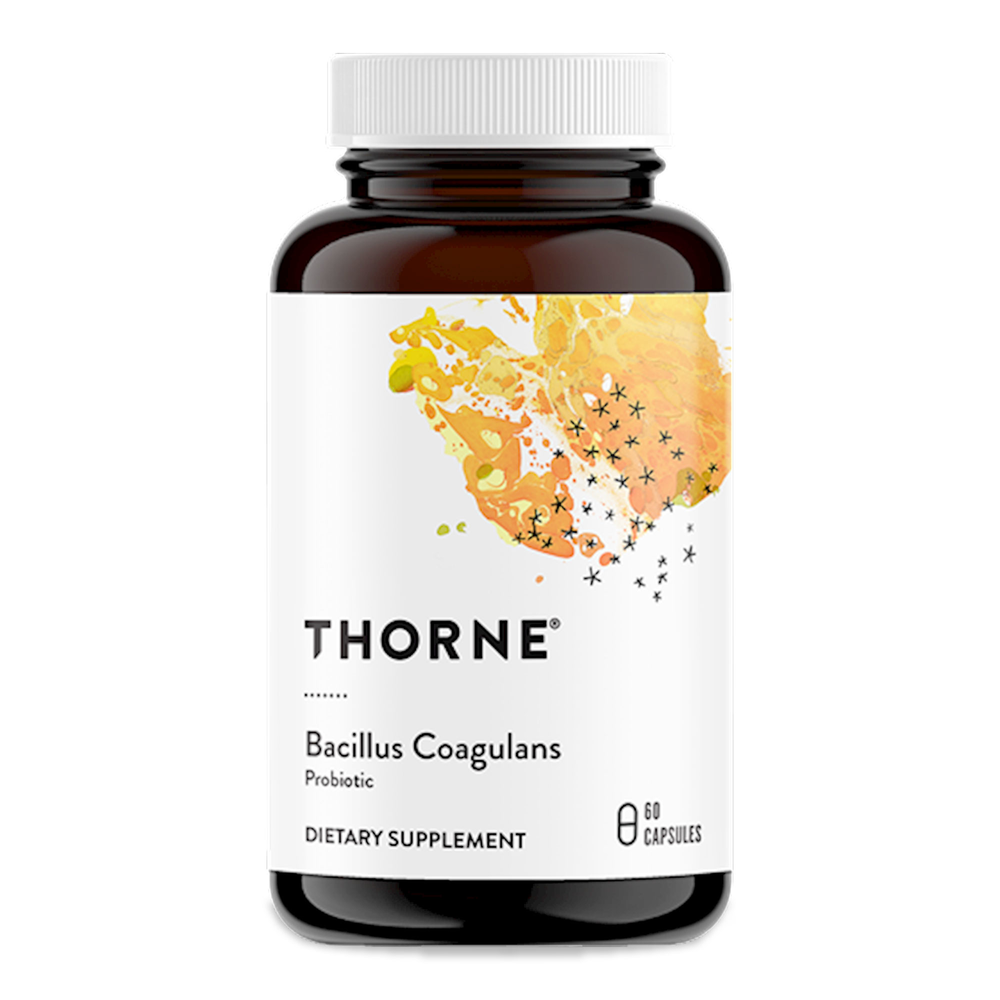
Bacillus Coagulans
Thorne
60 capsules
$33.00Save 10% with Subscribe & Save

Complete Biotic
Thorne
30 packets
$46.00Save 10% with Subscribe & Save
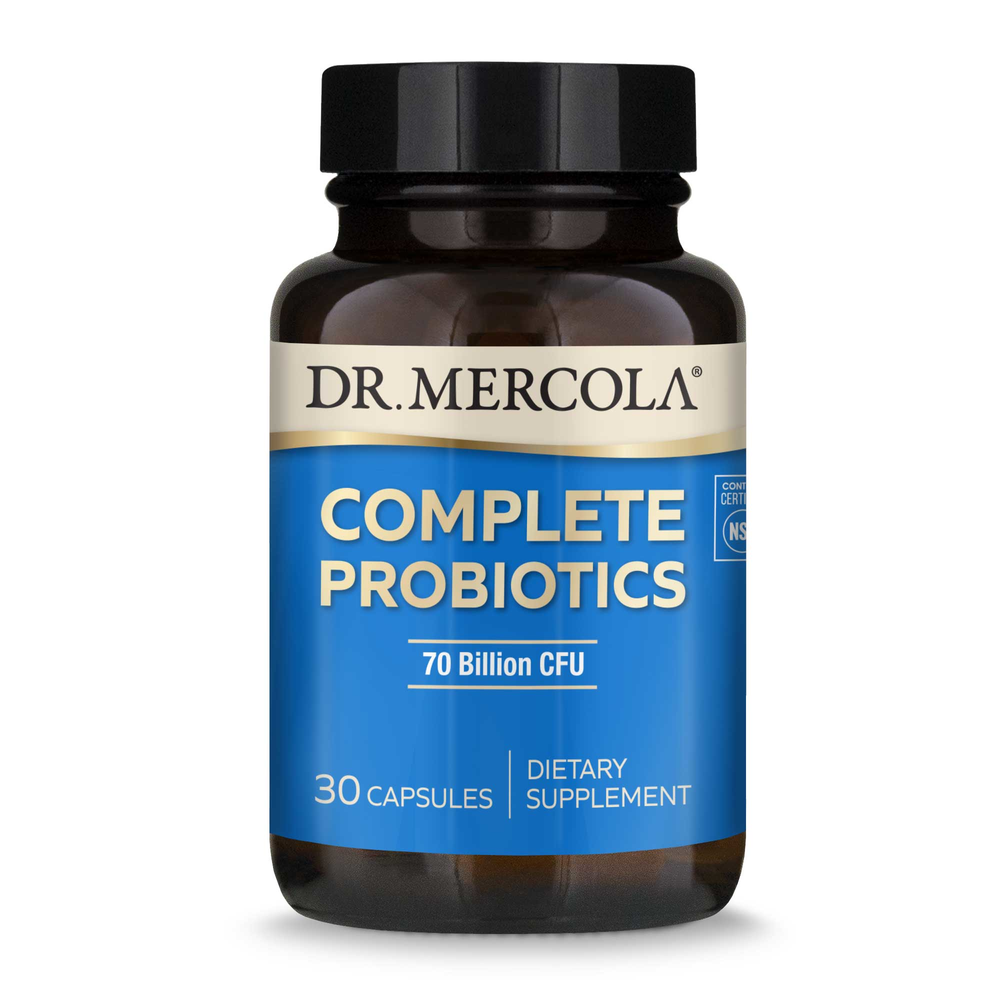
Complete Probiotics 70 Billion CFU
Dr. Mercola
30 capsules
$46.99Save 19% with Subscribe & Save
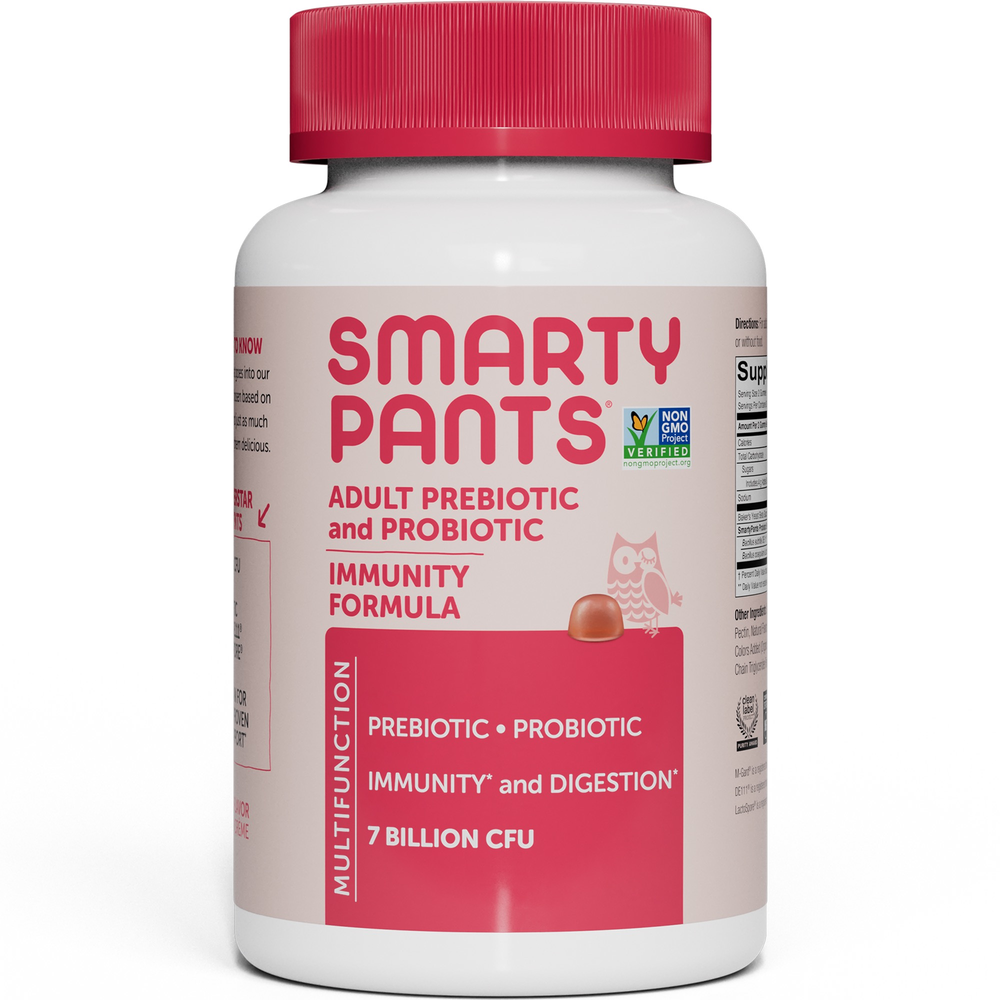
Digestive Probiotic & Prebiotic Grape
SmartyPants
60 gummies
$36.99Save 19% with Subscribe & Save