 Instalab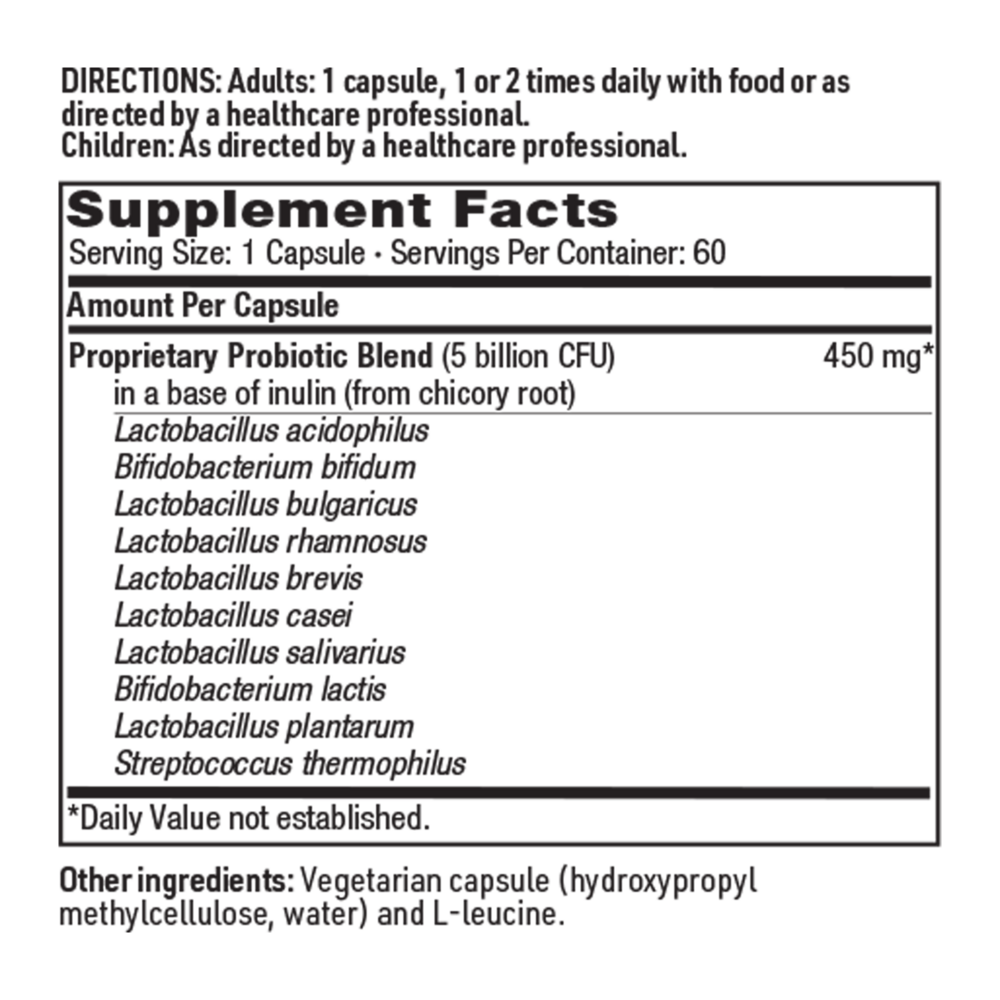

Klaire Labs/SFI Health
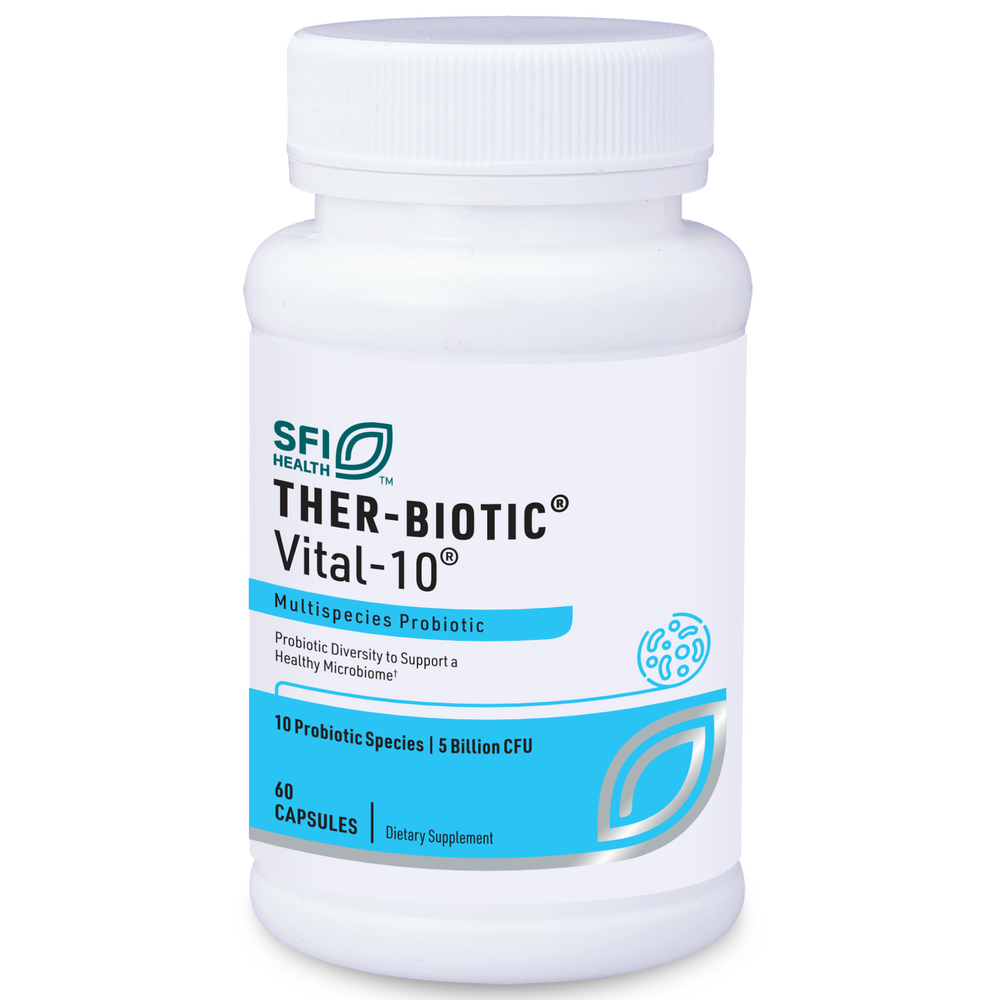
Ther-Biotic Vital-10 5 billion CFU (450 mg) by Klaire Labs/SFI Health
60 capsules · 60-day supply
Supports Digestive Health and Immune Function with Probiotic Power$22.99
This item is currently out of stockGet notified when this item is back in stock
Practitioner-grade brand3rd-party testedFree shipping $50+
Vegetarian·Gluten Free·Soy Free·Tree Nut Free·Artificial Preservative Free·Fish Free·
Klaire Labs/SFI Health Ther-Biotic Vital-10 overview
This is a fit if you want a gentle daily probiotic for mild bloating, irregularity, or maintenance after finishing antibiotics or travel. The 5 billion CFU, 10‑strain blend suits first‑time users and people who get gassy on higher doses. It’s also reasonable if your diet is light on fermented foods. Not the right pick for severe diarrhea or active gut inflammation; those scenarios often need targeted strains or higher doses and tracking of fecal calprotectin (a stool marker of inflammation).
Lactobacillus and Bifidobacterium strains make short‑chain fatty acids (fuel for your colon cells) and lactate, which lower gut pH and crowd out gas‑producing microbes. They also reinforce the mucous layer and tighten junctions between gut cells, which can ease stool consistency within 1 to 2 weeks. The inulin base (a prebiotic fiber from chicory) feeds these bacteria, helping them persist. Evidence for colds or general “immunity” is modest, so take this for digestion first, not to prevent infections.
Take 1 capsule with food once daily for a week, then increase to twice daily if you still need symptom control. Consistency matters more than time of day. If you’re on antibiotics, separate by at least 2 to 3 hours and continue for 1 to 2 weeks after the course. Capsules can be opened and mixed into cool food or liquid. Expect gas to settle as your microbiome adapts, usually within the first 3 to 7 days.
Avoid routine probiotics if you are severely immunocompromised, have a central venous catheter, or are in the ICU; rare bloodstream infections have been reported. History of severe pancreatitis is another reason to avoid. If you have irritable bowel syndrome with prominent bloating, start low and reassess; some people feel worse on any probiotic and do better by adjusting fermentable carbs first. For inflammatory bowel disease, coordinate with your clinician and track fecal calprotectin.
Frequently asked questions
How long does a daily probiotic take to work?
Digestive changes like stool consistency or less bloating often show up within 1 to 2 weeks. If nothing changes by 4 weeks, reconsider the strain mix or dose, and review diet triggers like fermentable carbs.
Is 5 billion CFU enough for results?
For maintenance, mild bloating, or first-time users, 5 billion CFU is often enough. For persistent diarrhea, antibiotic-associated symptoms, or high triglycerides unrelated to gut issues, higher-dose or different strains are usually better choices.
Can I take this probiotic with antibiotics?
Yes, but separate doses by 2 to 3 hours. Continue for 1 to 2 weeks after finishing antibiotics. If antibiotic-associated diarrhea is severe, a targeted strain like Saccharomyces boulardii or a higher dose may be more effective.
Do probiotics need to be refrigerated?
Follow the label. Some blends are shelf-stable at room temperature, others last longer when refrigerated. Heat degrades live cultures, so avoid storing in hot cars or near ovens.
What side effects should I expect at first?
Temporary gas, bloating, or mild cramping can occur in the first 3 to 7 days as your gut microbes shift. Taking with meals and starting at one capsule daily usually minimizes this. Persistent pain or fever warrants stopping and checking in.
Can I open the capsule and mix it into food?
Yes. You can open the capsule and sprinkle the contents into cool yogurt, applesauce, or water. Avoid hot liquids, which can kill live bacteria.
Is a daily probiotic safe in pregnancy?
Generally yes for healthy adults, but discuss with your obstetric clinician first. If you have high-risk pregnancy complications or are immunocompromised, skip probiotics unless specifically recommended.
How to take it & ingredients
Suggested use: Adults: 1 capsule, 1 or 2 times daily with food or as directed by a healthcare professional. Children: As directed by a healthcare professional.
Active ingredients
1 capsule per serving · 60 servings
▼
Proprietary Probiotic Blend
In a base of inulin (from chicory root)
In a base of inulin (from chicory root)
5 billion CFU, 450 mg
Lactobacillus acidophilus
-
Bifidobacterium bifidum
-
Lactobacillus bulgaricus
-
Lactobacillus rhamnosus
-
Lactobacillus brevis
-
Lactobacillus casei
-
Lactobacillus salivarius
-
Bifidobacterium lactis
-
Lactobacillus plantarum
-
Streptococcus thermophilus
-
Other ingredients: Hydroxypropyl methylcellulose, Water, L-leucine
Certifications
Benefits
Warnings
Customers also considered
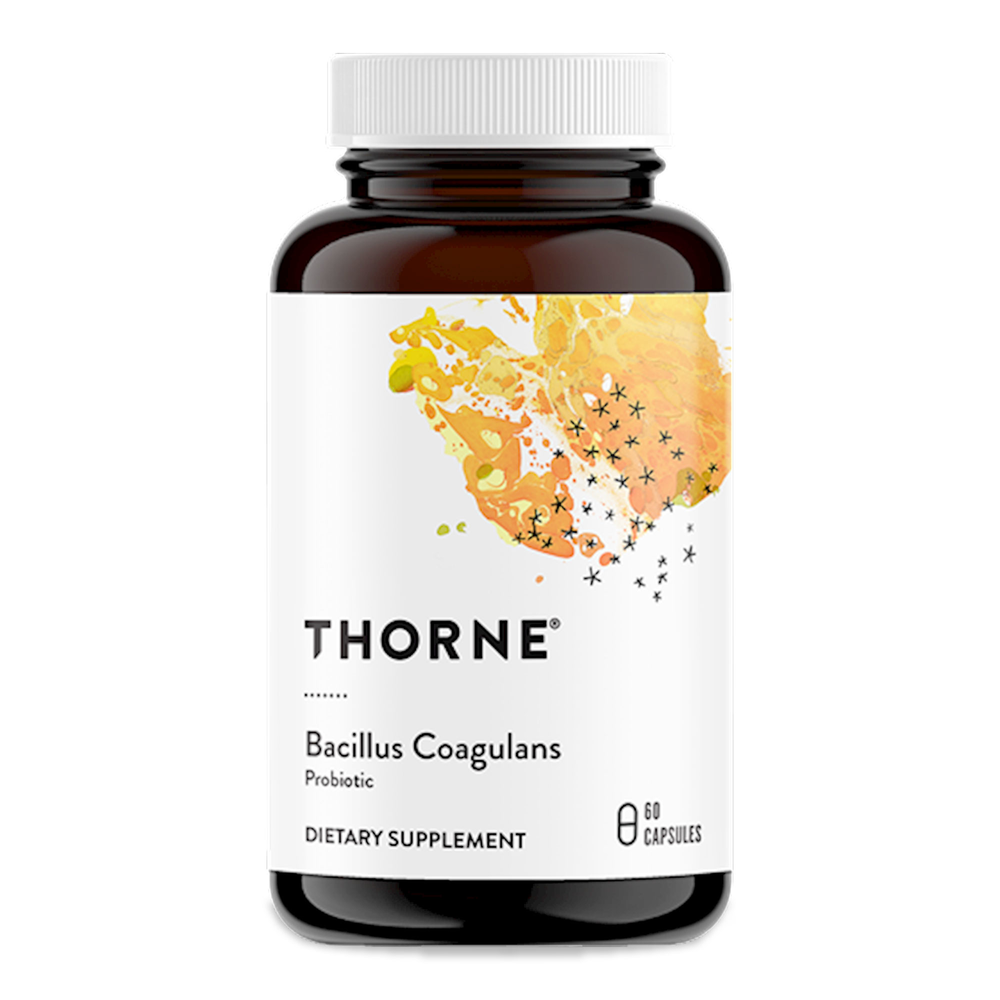
Bacillus Coagulans
Thorne
60 capsules
$33.00$29.70 with Subscribe & Save

Complete Biotic
Thorne
30 packets
$46.00$41.40 with Subscribe & Save
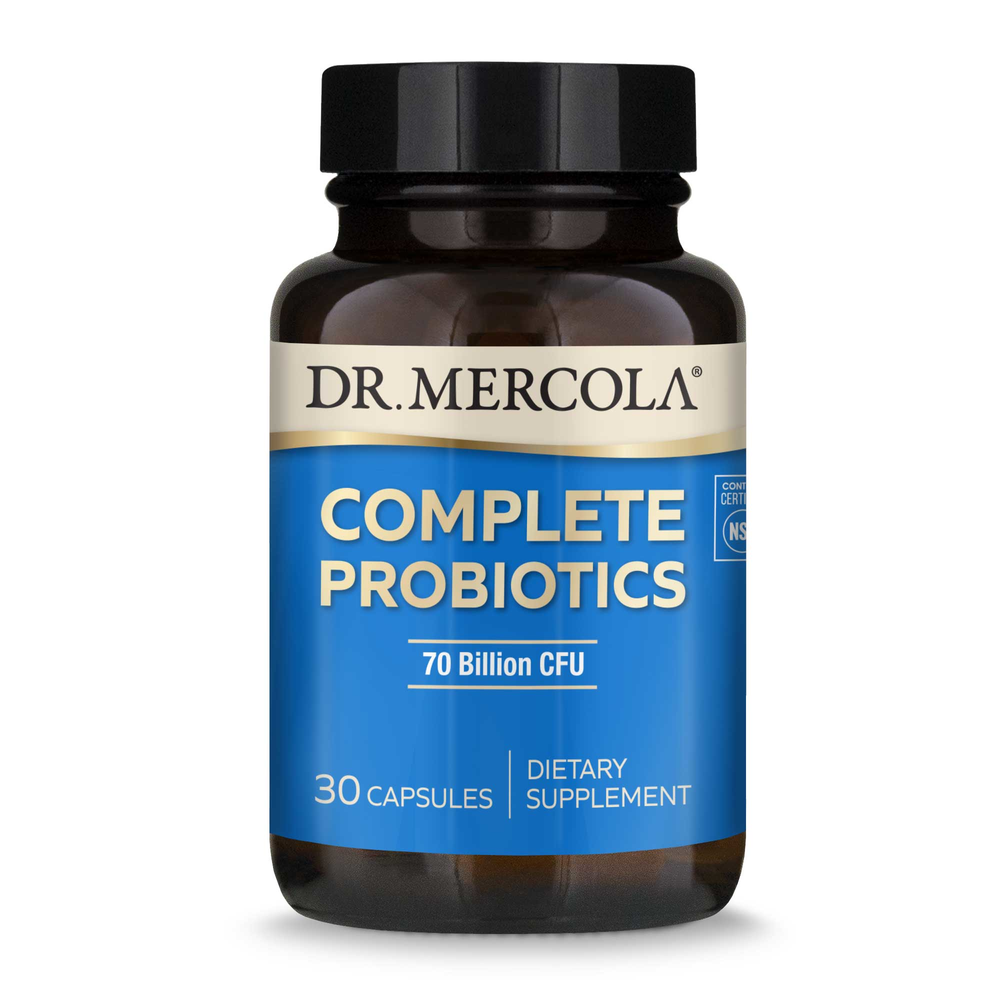
Complete Probiotics 70 Billion CFU
Dr. Mercola
30 capsules
$46.99$37.99 with Subscribe & Save
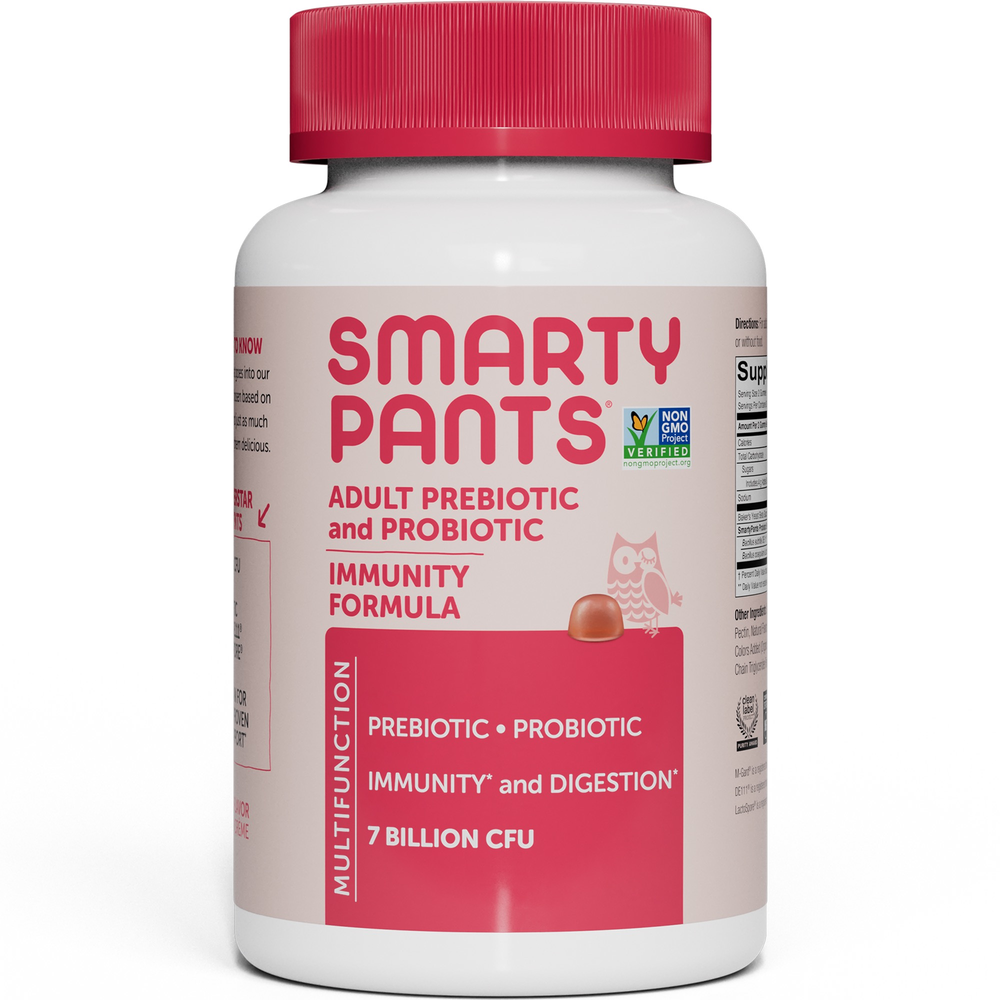
Digestive Probiotic & Prebiotic Grape
SmartyPants
60 gummies
$36.99$29.99 with Subscribe & Save