 Instalab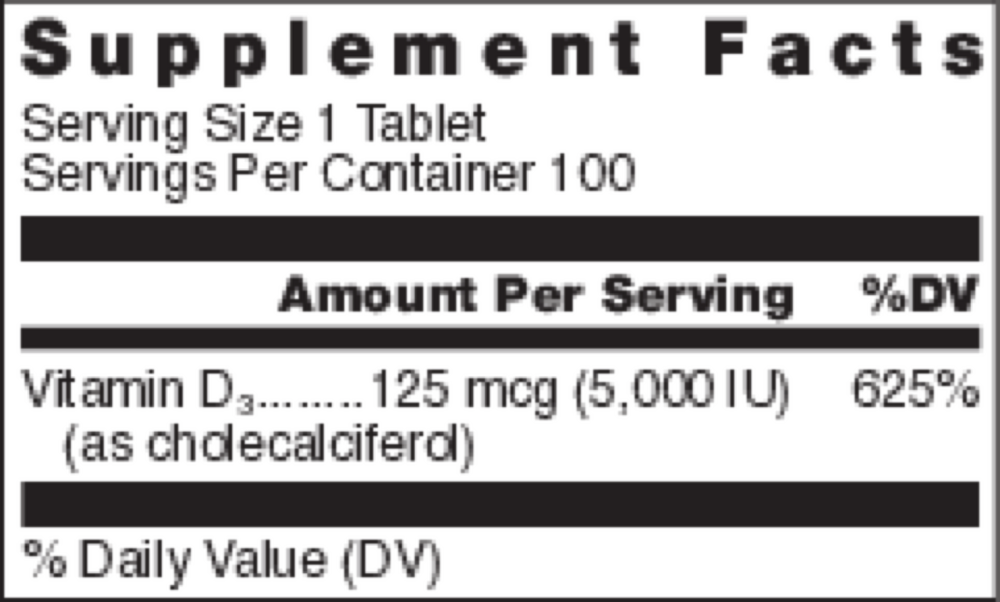


Klean Athlete
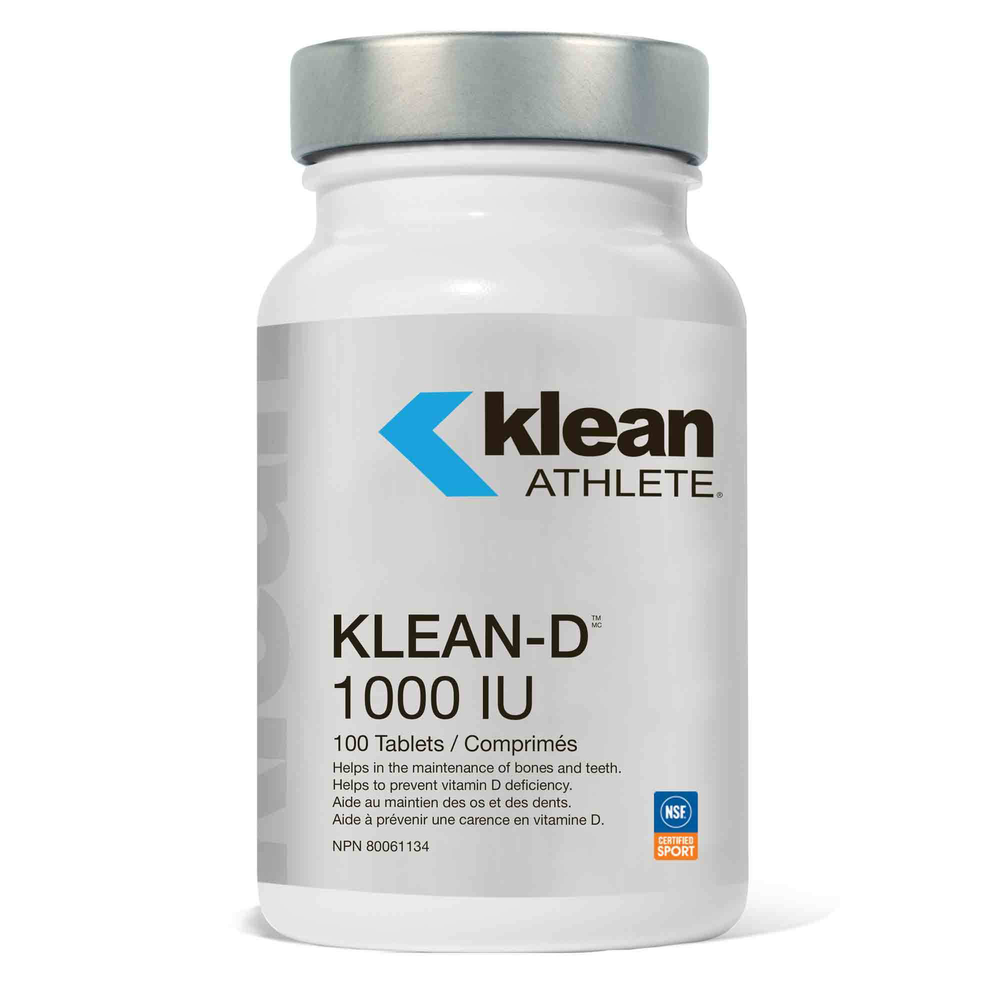
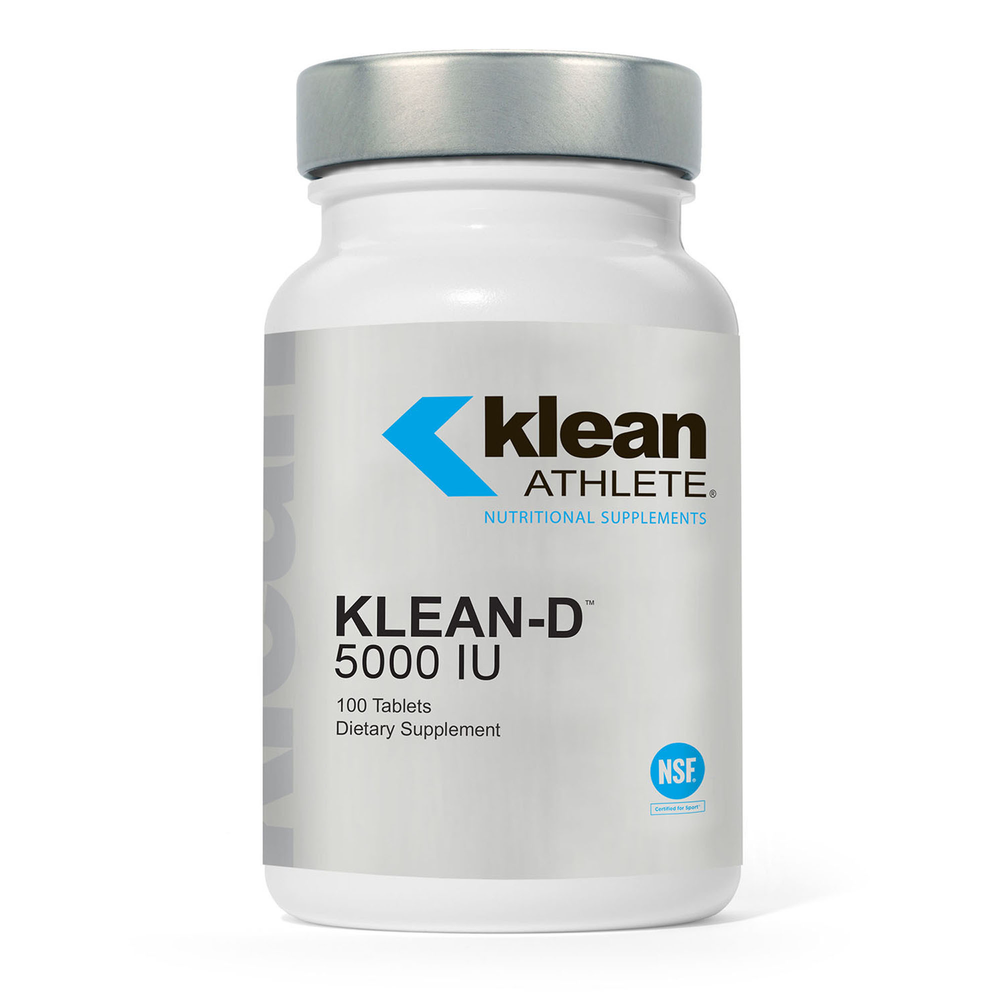
KLEAN-D 5000 IU by Klean Athlete
100 tablets · 100-day supply
Essential Vitamin D for Bone Health and Immune Support$17.50
Purchase options
Practitioner-grade brand3rd-party testedFree shipping $50+
Gluten Free·Soy Free·Dairy Free
Klean Athlete KLEAN-D 5000 IU overview
If your Vitamin D, 25-Hydroxy is low or in the lower-normal range, vitamin D3 5000 IU is a practical repletion dose. It suits darker‑skinned adults, indoor athletes, sunscreen users, people at northern latitudes, and those with higher body weight or malabsorption history (including after bariatric surgery). Expect a meaningful rise within 4 to 12 weeks, then re-test and usually step down to a lower maintenance dose. Klean Athlete KLEAN-D 5000 IU is sized for this repletion window, not casual long-term use.
Cholecalciferol (vitamin D3) is the form your skin makes from sunlight, and it’s better at raising blood levels than D2. Your liver turns it into 25-hydroxyvitamin D (the lab form we measure), then your kidneys make the active hormone that boosts calcium absorption from the gut and lowers parathyroid hormone (the signal that pulls calcium from bone). That combination supports bone density and muscle function. The buzz about vitamin D3 preventing colds is overstated; benefits there are modest and clearest only when you start out deficient.
Take one tablet daily with a meal that contains fat to improve absorption. Time of day doesn’t matter; consistency does. Recheck Vitamin D, 25-Hydroxy after 8–12 weeks. If your level remains low, discuss adherence, absorption issues, or a short supervised increase. Once you’re in a comfortable range, shift to a lower maintenance dose rather than staying at 5000 IU indefinitely.
Avoid unsupervised high-dose vitamin D3 if you’ve had high calcium, recurrent kidney stones, sarcoidosis or other granulomatous disease (which can overproduce active vitamin D), or primary hyperparathyroidism. Use clinician guidance if pregnant or breastfeeding, or if you’re on a thiazide diuretic (can raise calcium). Orlistat or cholestyramine can block absorption, and long-term steroids or some antiseizure drugs increase vitamin D needs. Dialysis patients often need the active form, not over-the-counter D3.
Frequently asked questions
Is 5000 IU of vitamin D3 safe to take every day?
For short-term repletion under guidance, many adults use 5000 IU safely. For long-term maintenance, most people need less. Monitor Vitamin D, 25-Hydroxy and calcium, and step down once your level is no longer low.
How long does 5000 IU vitamin D3 take to raise levels?
Most see Vitamin D, 25-Hydroxy rise within 4–12 weeks. The timeline depends on starting level, body weight, sun exposure, and absorption. Re-test after this window to confirm the change and adjust dose.
Should I take vitamin D3 with vitamin K2?
Vitamin K2 helps direct calcium into bone, but evidence that adding it to vitamin D3 improves outcomes for everyone is mixed. If your diet is low in K (few leafy greens/fermented foods), discuss K2 with your clinician.
Morning or night: when is the best time to take vitamin D3?
Any time with a meal that contains fat works. Some prefer earlier in the day if they notice sleep disruption, but most people tolerate vitamin D3 well at any time when taken consistently.
Can vitamin D3 cause kidney stones?
High vitamin D3 can raise calcium absorption, which may contribute to stones in susceptible people. If you have a stone history, avoid high-dose self-supplementation and monitor calcium and Vitamin D, 25-Hydroxy with your clinician.
What if my Vitamin D stays low despite taking 5000 IU?
Check adherence and take it with a fatty meal. If still low after 8–12 weeks, consider absorption issues (orlistat, cholestyramine, celiac, bariatric surgery) or higher body weight. Your clinician may adjust dose or evaluate for malabsorption.
Does vitamin D3 help the immune system?
Correcting a low Vitamin D, 25-Hydroxy seems to modestly reduce some respiratory infections, but vitamin D3 is not a cure or a substitute for vaccines. Take it to correct deficiency first, not as an illness treatment.
Can I take vitamin D3 during pregnancy?
Yes, but dosing should be clinician-guided. Needs vary during pregnancy and breastfeeding, and monitoring Vitamin D, 25-Hydroxy and calcium is prudent rather than using high-dose over-the-counter D3 on your own.
How to take it & ingredients
Suggested use: As a dietary supplement, adults take 1 tablet daily with a meal or as directed by a healthcare professional.
Active ingredients
1 tablet per serving · 100 servings
Vitamin D3
Cholecalciferol
Cholecalciferol
5000 IU, 125 mcg
Other ingredients: Cellulose, Croscarmellose sodium, Calcium carbonate, Silica, Vegetable stearate
Certifications
Benefits
Warnings